Inflatable Bag
CN → US| HS Code | Tariff Rate | Origin | Destination | Doc |
|---|---|---|---|---|
| 4016990300 | 38.0% | CN | US | Official Doc |
| 3923900080 | 38.0% | CN | US | Official Doc |
| 3926902100 | 21.7% | CN | US | Official Doc |
| 3926907500 | 14.2% | CN | US | Official Doc |
| 4016950000 | 21.7% | CN | US | Official Doc |
| 3923290000 | 38.0% | CN | US | Official Doc |
Product Images
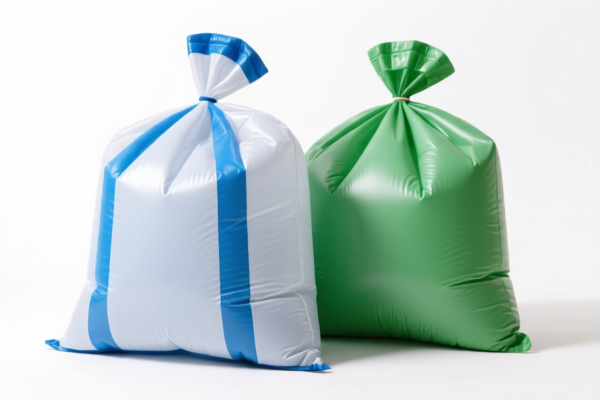
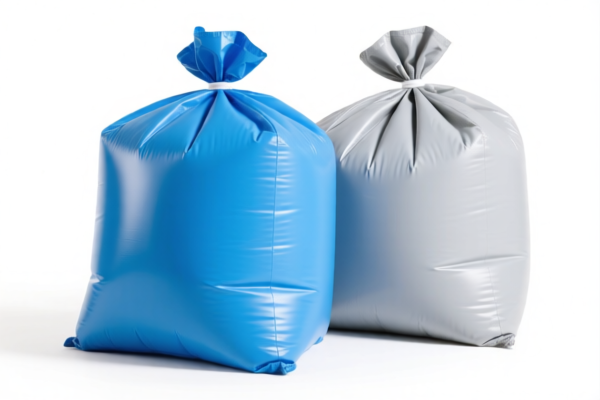
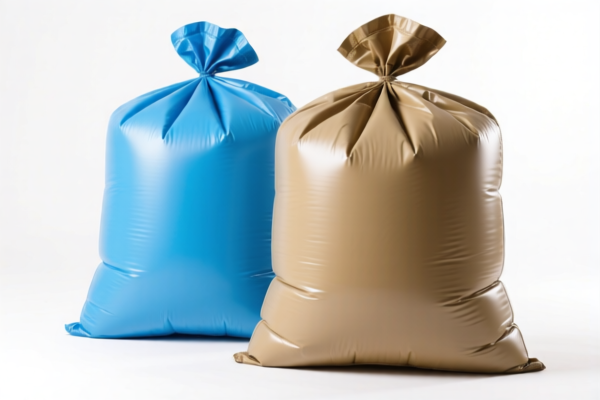
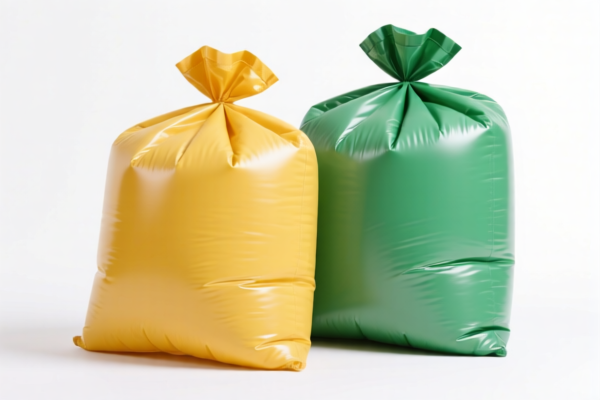
AI Analysis
🎈 Inflatable Bags (Packaging & Protective Air Cushions)
🌐 HS Code Reference & Customs Clearance Guide | 2026 Latest Tariff Analysis | Strategic Compliance Strategy
📌 I. Product Definition & Classification: Do You Really Understand "Inflatable Bags"?
Inflatable bags are versatile packaging solutions used for void fill, product protection, and shipping reinforcement. In international trade, they are primarily categorized by material composition and functional structure. The key distinction lies between Plastic-based (PE/PA films) and Rubber-based (Sulfurized/Elastic) materials, as well as whether they are classified as general packaging or specific protective containers.
⚠️ Key Distinction Point:
- If made of Plastic (PE, PA, etc.) and used as packaging → Generally falls under Chapter 39. - If made of Sulfurized or Elastic Rubber and used for packaging/transport → Falls under Chapter 40. - The specific HS Code depends on whether it is viewed as a general "bag" or a specialized "container" or "air cushion."
📦 II. HS Code Classification Details (2026 Latest Tariff Authority Comparison)
Based on the provided data, here are the 6 valid HS Codes for Inflatable Bags:
| HS Code | Product Description | Material | Specific Use/Feature | Total Tax Rate |
|---|---|---|---|---|
4016.99.03.00 |
Inflatable bag containers for packaging, transport, or sale | Sulfurized/Elastic Rubber | Specific container use | 38.0% |
3923.90.00.80 |
Plastic (PE/PA) inflatable bags | Plastic (PE/PA) | General packaging supplies | 38.0% |
3926.90.21.00 |
Plastic material inflatable bags | Plastic | Classified as "Other Plastic Articles" - Bag type | 21.7% |
3926.90.75.00 |
Plastic material inflatable bags | Plastic | Meets characteristics of "Air Cushions/Inflated Articles" | 14.2% |
4016.95.00.00 |
Sulfurized/Synthetic Rubber inflatable bags | Sulfurized Rubber | For bags or container purposes | 21.7% |
3923.29.00.00 |
Plastic material inflatable bags | Plastic | Sack/Pouch form packaging | 38.0% |
🔍 Key Reminder:
- Plastic vs. Rubber: Misclassifying rubber bags as plastic (or vice versa) can lead to significant tariff discrepancies and customs audits. - Function vs. Material: While3926.90.75.00offers the lowest tax rate (14.2%) for plastic, it requires strict adherence to the "air cushion/inflated article" definition. If deemed a general packaging bag,3923codes (higher tax) may apply.
💰 III. 2026 Latest Tariff Rate Details (Including Surtaxes & Policy Surcharges)
✅ Applicable Country: United States (US)
✅ Origin: China (CN)
✅ Effective Date: Current (Includes subsequent imports)
🎯 1. 4016.99.03.00 & 3923.90.00.80 & 3923.29.00.00 —— High-Tax Categories
Applicable to: Rubber-based containers or certain Plastic packaging forms.
| Item | Detail |
|---|---|
| Base Tariff | 3.0% - 4.2% (Ad Valorem) |
| Section 301 Surtax | +25.0% |
| Section 122 Tariff | +10.0% |
| Total Tax Rate | 38.0% |
| Tax Calculation | CIF Value × 38.0% |
| De Minimis Exemption | ❌ Not Applicable (Most likely denied for China origin due to high rate/Section 122) |
| Legal Basis Path | Base Tariff → USITC Section 301 → Section 122 |
📌 Explanation:
- These codes attract the highest combined tariff (38%). - The 25% Section 301 tariff applies to most Chinese plastic/rubber goods. - The 10% Section 122 tariff further increases the cost, effectively eliminating the benefit of de minimis (Section 321) for low-value shipments in many cases.
🎯 2. 3926.90.21.00 & 4016.95.00.00 —— Medium-Tax Categories
Applicable to: Specific Plastic "Bag" types or Rubber "Bag" purposes.
| Item | Detail |
|---|---|
| Base Tariff | 4.2% |
| Section 301 Surtax | +7.5% |
| Section 122 Tariff | +10.0% |
| Total Tax Rate | 21.7% |
| Tax Calculation | CIF Value × 21.7% |
| De Minimis Exemption | ❌ Likely Denied (Due to Section 122 & 301 surtaxes) |
| Legal Basis Path | Base Tariff → USITC Section 301 → Section 122 |
📌 Explanation:
- These codes offer a moderate tariff burden (21.7%). - Suitable if the product is strictly classified as a "plastic bag" (3926.90.21.00) or a specific rubber container (4016.95.00.00). - Requires clear documentation proving the specific "bag" or "container" nature to avoid being pushed to the 38% bracket.
🎯 3. 3926.90.75.00 —— Low-Tax Category (Optimal for Plastic)
Applicable to: Plastic inflatable bags meeting "Air Cushion/Inflated Article" characteristics.
| Item | Detail |
|---|---|
| Base Tariff | 4.2% |
| Section 301 Surtax | +0.0% (Exempt or Lower Tier) |
| Section 122 Tariff | +10.0% |
| Total Tax Rate | 14.2% |
| Tax Calculation | CIF Value × 14.2% |
| De Minimis Exemption | ⚠️ Check Status (Lower rate may allow exemption eligibility, but verify Section 122 rules) |
| Legal Basis Path | Base Tariff → Section 122 |
📌 Explanation:
- This is the most cost-effective code (14.2%) for plastic inflatable bags. - The 0% Section 301 surtax is critical here. This suggests that "Air Cushions/Inflated Articles" under this subheading may be exempt from the standard 25% tariff. - Crucial Condition: Must clearly demonstrate that the product functions as an "air cushion" or "inflated protective article," not just a generic plastic bag.
🛠️ IV. Customs Clearance Practical Advice (Combat Pitfall Guide)
✅ 1. Essential Documentation Checklist (Non-Negotiable)
| Document | Required | Description |
|---|---|---|
| ✅ Product Specification Sheet | ✔️ | Must detail material (PE/PA vs. Rubber), dimensions, inflation pressure, and intended use. |
| ✅ Product Photos | ✔️ | Clear images showing the product in both deflated and inflated states. Highlight seams and valve types. |
| ✅ Commercial Invoice | ✔️ | Accurate description: "Inflatable Air Cushion Packaging Material" or "Inflatable Bag Container." Avoid vague terms like "Plastic Bag." |
| ✅ Packing List | ✔️ | Detail weight and volume. Note if sold in rolls, sheets, or pre-inflated. |
| ✅ Third-Party Test Report | ✔️ | Proof of material composition (Plastic vs. Rubber) to support HS Code selection. |
| ✅ Declaration of Origin | ✔️ | Critical for calculating Section 301 and Section 122 applicability. |
✅ 2. Declaration Strategies (Key Mantra)
🔥 "Material First, Function Second; Code Determines Cost!"
| Scenario | Correct Declaration | Incorrect Practice |
|---|---|---|
| Plastic Bags (PE/PA) | 3926.90.75.00 (Air Cushion) |
Declaring as 3923.90.00.80 (General Packaging) → Tax jumps from 14.2% to 38%! |
| Rubber Bags | 4016.95.00.00 or 4016.99.03.00 |
Confusing with plastic → Classification Error |
| Generic "Inflatable Bag" | Specify Material & Use | Vague description → Customs Audit & Delay |
| Pre-inflated vs. Roll Stock | Specify State | If rolls, may still qualify for 3926.90.75.00 if intended as cushions |
✅ 3. Special Handling for "Section 122" (10% Surcharge)
📌 Critical Note:
- Section 122 appears to apply to ALL listed HS Codes in the data.
- This means even the "low-tax"3926.90.75.00incurs a 10% surcharge.
- Impact: The effective tax rate is Base + Section 122. The Section 301 (25% or 7.5%) varies by code.
- Strategy: Always choose codes where Section 301 is 0% or 7.5% to minimize total cost.
🌍 V. Global Market Comparison (2026 Latest)
| Country/Region | Recommended HS Code | Base Tariff | Key Surcharges | Total Rate | Certification |
|---|---|---|---|---|---|
| 🇺🇸 USA | 3926.90.75.00 (Plastic) |
4.2% | Sec 122: 10% | 14.2% | None specific |
| 🇺🇸 USA | 3923.90.00.80 (Plastic) |
3.0% | Sec 301: 25%, Sec 122: 10% | 38.0% | None specific |
| 🇺🇸 USA | 4016.99.03.00 (Rubber) |
3.0% | Sec 301: 25%, Sec 122: 10% | 38.0% | None specific |
| 🇨🇳 China | 3926.90.75.00 |
~4.2% | None | ~4.2% | GB Standards |
| 🇪🇺 EU | 3926.90.75 (Approx) |
~4.0% | None | ~4.0% | CE/REACH |
📌 Conclusion:
- USA is the most complex market due to multiple surcharges (Sec 301 & Sec 122). - Plastic "Air Cushions" (3926.90.75.00) are the most cost-effective for US imports (14.2%). - Rubber and General Packaging Plastic codes face 38% tariffs, which can make them uncompetitive unless value-added.
📌 VI. Common Mistakes & Pitfall Guide (Lessons Learned)
❌ Mistake 1: Declaring all plastic inflatable bags as 3923.90.00.80
👉 Consequence: Paying 38% tax instead of 14.2%. Loss: 23.8% per unit!
❌ Mistake 2: Confusing "Plastic" with "Rubber"
👉 Consequence: Customs reclassification, delays, and potential penalties. Material composition must be verified.
❌ Mistake 3: Ignoring Section 122 (10% Surcharge)
👉 Consequence: Underestimating total landed cost. All codes listed include this 10% surcharge.
✅ Correct Approach:
"Plastic Inflatable Air Cushion Packaging, Made of PE/PA Film, Used for Void Fill, Not for Food Contact, Model: XYZ"
🎯 VII. Conclusion: Professional Declaration, Cost Reduction!
🎯 Remember the Mantra:
🔹 "Plastic Cushions = 14.2% (Best)"
🔹 "Rubber/General Pack = 38.0% (Avoid if Possible)"
🔹 "Always Include Section 122 in Costing"
📌 Pro Tip:
If your inflatable bags are pre-inflated or designed specifically as air pillows for shipping, strongly advocate for 3926.90.75.00. Provide photos showing the "air cushion" function to support this lower rate.
📣 Immediate Action:
📞 Consult a professional customs broker to verify HS Code pre-ruling.
📸 Document material composition and product usage clearly.
🚀 Optimize your supply chain to target the 14.2% tariff bracket!
✨ Professional Clearance Starts with Accurate Classification!
💼 Every Percent Saved is Pure Profit!
Customer Reviews
About HS Code Classification
The Harmonized System (HS) is an internationally standardized nomenclature developed by the World Customs Organization (WCO) to classify traded products. Over 200 countries use the HS system as the basis for customs tariffs, trade statistics, and import/export regulations.
Each HS code follows a hierarchical structure:
- Chapter (2 digits) — Broad category of goods (e.g., Chapter 84: Machinery and Mechanical Appliances)
- Heading (4 digits) — More specific grouping within the chapter
- Subheading (6 digits) — Internationally standardized breakdown, used by all WCO member countries
- National subdivisions (8-10 digits) — Country-specific extensions for further classification, such as US HTSUS 10-digit codes
Correct HS code classification is essential for smooth customs clearance, accurate duty payment, and compliance with trade regulations. Misclassification can lead to customs delays, overpayment of duties, or penalties.
When importing from CN to US, the applicable tariff rates may include:
- Most-Favored-Nation (MFN) rate — The standard duty rate applied to WTO members
- General rate — Applied to countries without trade agreements
- Trade remedy duties — Additional tariffs such as Section 301 (anti-dumping), Section 232 (national security), or countervailing duties
The information provided on this page is for reference purposes only. For official classification, please consult with your local customs authority or a licensed customs broker.