Inflatable Ball
CN → US| HS Code | Tariff Rate | Origin | Destination | Doc |
|---|---|---|---|---|
| 4016950000 | 21.7% | CN | US | Official Doc |
| 4016940000 | 39.2% | CN | US | Official Doc |
| 3926907500 | 14.2% | CN | US | Official Doc |
| 9503000011 | 10.0% | CN | US | Official Doc |
| 9506290080 | 17.5% | CN | US | Official Doc |
Product Images
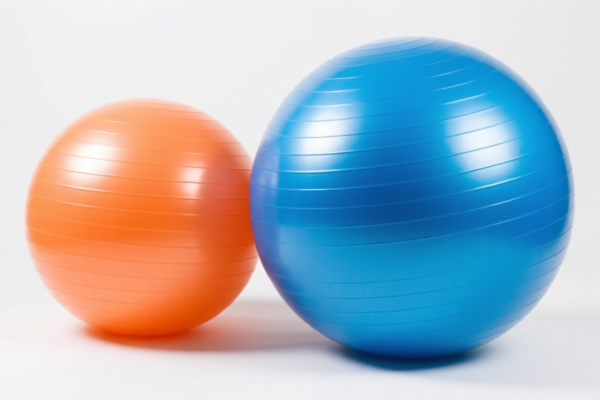
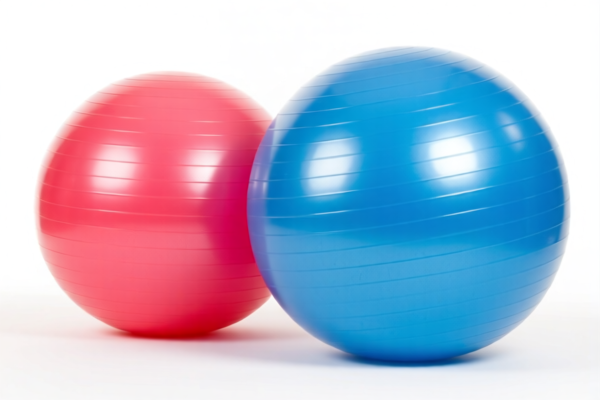
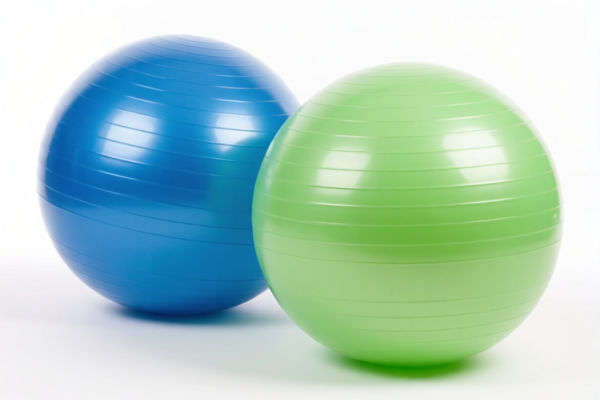
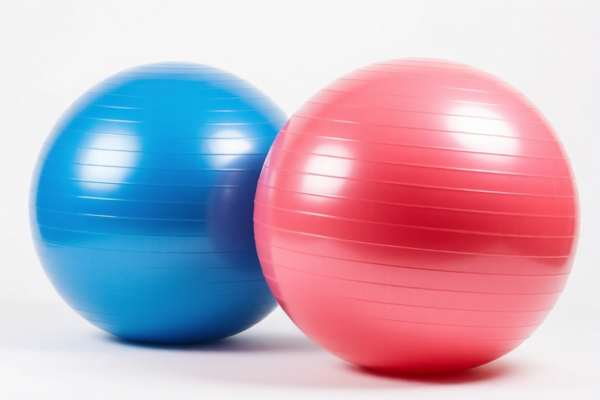
AI Analysis
🏀 Inflatable Ball (Inflatable Products)
🌐 HS Code Reference & Customs Clearance Guide | 2026 Latest Tariff Analysis | Professional Strategy for "Inflatable Balls"
📌 I. Product Definition & Classification: What Exactly Is an "Inflatable Ball"?
An Inflatable Ball is a spherical product designed to hold air, commonly used for sports, play, or recreational activities. In international trade, the classification of such goods depends heavily on material composition and specific intended use. Since the input "Inflatable Ball" is generic, it falls into several potential categories depending on whether it is made of rubber (sporting equipment), plastic (toys), or used for water sports.
⚠️ Key Classification Point:
- If made of Rubber and used for Sports → Likely Chapter 95 (Toys/Sports).
- If made of Rubber but classified as general Elastic Goods → Likely Chapter 40.
- If made of Plastic → Likely Chapter 39 (Articles of Plastic).
- If specifically for Water Sports → Likely Chapter 95 (Specific Subheadings).
📦 II. HS Code Classification Details (2026 Latest Tariff Authority Cross-Reference)
Based on the provided data, here are the 5 possible HS Codes for "Inflatable Products/Balls":
| HS Code | Product Description | Application Scenario | Material/Feature Match |
|---|---|---|---|
4016.95.00.00 |
Inflatable articles of vulcanized rubber other than hard rubber | General industrial/recreational rubber inflatables | ✅ Vulcanized Rubber; Shape matches "Inflatable" |
4016.94.00.00 |
Other inflatable articles of rubber or plastic | General inflatable goods (Broad category) | ✅ Rubber/Plastic; "Inflatable" form |
3926.90.75.00 |
Other articles of plastic; Inflatable articles | Plastic balls, toys, or general plastic inflatables | ✅ Plastic/Synthetic; Common inference for cheap inflatables |
9503.00.00.11 |
Toys; Inflatable toys; Other toys | Children's Play Balls, Sports Toys | ✅ Toy; Inflatable form; Rubber/Plastic material |
9506.29.00.80 |
Equipment for water sports; Inflatable water sports equipment | Inflatable Boats, Kayaks, Rafts for water use | ✅ Water Sports; Inflatable form |
🔍 Critical Distinction:
- Sports Toys vs. General Goods: A beach ball is a Toy (9503), while a heavy-duty industrial inflatable dock might be Rubber Goods (4016).
- Material Inference: Without explicit material info, customs may infer Rubber for durable balls (4016) or Plastic for cheap variants (3926).
- Use Case: If used on water, it falls under9506.29(Water Sports), NOT general toys.
💰 III. 2026 Latest Tariff Rate Breakdown (Including Surcharges, Policy Add-ons)
✅ Applicable Country: USA (US)
✅ Country of Origin: China (CN)
✅ Effective Date: From November 10, 2025 (and subsequent imports)
🎯 1. 9503.00.00.11 —— Inflatable Toys (Best for Children/Sports Balls)
| Item | Content |
|---|---|
| Base Duty Rate | 0% (ad valorem) |
| Section 301 Surcharge | 0% |
| Section 122/IEEPA Surcharge | +10% (Targeting China/HK Products) |
| Total Rate | 10.0% |
| Tax Calculation | CIF Value × 10% |
| De Minimis Eligibility | ✅ Yes (Generally eligible under $800 if not restricted, but verify specific toy restrictions) |
| Legal Path | IEEPA:9903.01.24 → USITC:9503.00.00.11 → FOOTNOTE:Section 122 |
📌 Explanation:
- This is the lowest tariff option among the choices.
- Applies if the ball is clearly marketed/used as a toy (e.g., beach ball, playground ball).
- Warning: Must ensure it is not classified as "Water Sports Equipment" or "General Rubber Goods," which carry higher rates.
🎯 2. 3926.90.75.00 —— Other Plastic Articles (Plastic Balls)
| Item | Content |
|---|---|
| Base Duty Rate | 4.2% |
| Section 301 Surcharge | 0% |
| Section 122/IEEPA Surcharge | +10% |
| Total Rate | 14.2% |
| Tax Calculation | CIF Value × 14.2% |
| De Minimis Eligibility | ✅ Yes (Standard de minimis applies) |
| Legal Path | IEEPA:9903.01.24 → USITC:3926.90.75.00 → FOOTNOTE:Section 122 |
📌 Explanation:
- Applies if the ball is made of plastic/polymer and not strictly classified as a "toy" (e.g., commercial inflatable signage, industrial plastic floats).
- Cost Advantage: Lower than rubber categories but higher than toys.
🎯 3. 9506.29.00.80 —— Water Sports Equipment (Inflatable Rafts/Boats)
| Item | Content |
|---|---|
| Base Duty Rate | 0% |
| Section 301 Surcharge | 7.5% |
| Section 122/IEEPA Surcharge | +10% |
| Total Rate | 17.5% |
| Tax Calculation | CIF Value × 17.5% |
| De Minimis Eligibility | ✅ Yes (Subject to water sports regulations) |
| Legal Path | IEEPA:9903.01.24 → USITC:9506.29.00.80 → FOOTNOTE:Section 122 |
📌 Explanation:
- Only for inflatables used in water sports (e.g., inflatable stand-up paddleboards, rafts, kayaks).
- NOT for beach balls or playground balls.
- If misclassified, penalties can be severe. Must provide proof of water-sport usage.
🎯 4. 4016.95.00.00 —— Inflatable Rubber Articles (Vulcanized Rubber)
| Item | Content |
|---|---|
| Base Duty Rate | 4.2% |
| Section 301 Surcharge | 7.5% |
| Section 122/IEEPA Surcharge | +10% |
| Total Rate | 21.7% |
| Tax Calculation | CIF Value × 21.7% |
| De Minimis Eligibility | ❌ No (Deny De Minimis for certain rubber goods from China) |
| Legal Path | IEEPA:9903.01.24 → USITC:4016.95.00.00 → FOOTNOTE:Section 122 |
📌 Explanation:
- Applies if the ball is made of vulcanized rubber (e.g., heavy-duty industrial rubber balls, some high-end sports balls).
- High Cost: Higher base rate and surcharges.
- Risk: Often denied de minimis, meaning small shipments are still taxed.
🎯 5. 4016.94.00.00 —— Other Rubber/Plastic Inflatable Articles
| Item | Content |
|---|---|
| Base Duty Rate | 4.2% |
| Section 301 Surcharge | 25.0% |
| Section 122/IEEPA Surcharge | +10% |
| Total Rate | 39.2% |
| Tax Calculation | CIF Value × 39.2% |
| De Minimis Eligibility | ❌ No |
| Legal Path | IEEPA:9903.01.24 → USITC:4016.94.00.00 → FOOTNOTE:Section 122 |
📌 Explanation:
- This is the highest tariff category.
- Applies to general inflatable rubber/plastic articles not covered by other specific subheadings.
- Avoid if possible: High Section 301 tariffs (25%) make this very expensive.
🛠️ IV. Customs Clearance Practical Advice (Battle-Tested Pitfall Guide)
✅ 1. Documentation Checklist (Essential)
| Document | Mandatory? | Description |
|---|---|---|
| ✅ Product Specifications | ✔️ | Must specify Material (Rubber, PVC, TPU, etc.) and Intended Use (Toy, Sports, Industrial). |
| ✅ Photos (Labeled) | ✔️ | Clear shots of the product, including any logos, usage context (e.g., on a beach, in a pool), and inflation valve type. |
| ✅ Commercial Invoice | ✔️ | Must clearly state "Inflatable Ball" and match the HS Code description (e.g., "Inflatable Rubber Ball for Sports"). |
| ✅ Bill of Lading / Air Waybill | ✔️ | Standard shipping docs. |
| ✅ CITES/CPSC Certifications | ✔️ | If classified as a Toy (9503), you MUST provide CPSC (Consumer Product Safety Commission) compliance docs. |
✅ 2. Classification Strategy (Key Mnemonic)
🔥 “Material First, Use Second, Tax Last!”
| Scenario | Correct HS Code | Why? |
|---|---|---|
| Beach Ball / Playground Ball | 9503.00.00.11 |
It's a Toy. Lowest tax (10%). |
| Inflatable Paddleboard / Raft | 9506.29.00.80 |
It's Water Sports. Moderate tax (17.5%). |
| Plastic Ball (Commercial) | 3926.90.75.00 |
It's Plastic. Low-Moderate tax (14.2%). |
| Heavy-Duty Rubber Ball | 4016.95.00.00 |
It's Vulcanized Rubber. Moderate-High tax (21.7%). |
| Generic Inflatable (Unclear) | 4016.94.00.00 |
Catch-all. Highest Tax (39.2%) – AVOID. |
✅ 3. Special Cases & Handling
| Situation | Handling Advice |
|---|---|
| Misclassification as "Toy" when it's "Industrial" | If a rubber ball is used for machinery, declaring it as a toy (9503) is fraud. Customs may audit and fine. |
| Water Sports vs. General Use | If an inflatable ball is sold for beach use but could be used in water, stick to 9503 (Toy) unless it has specific water-sport features (e.g., handles, specific buoyancy ratings). |
| Material Ambiguity | If material is unknown, customs may default to the highest duty (4016.94). Always declare material clearly (e.g., "PVC Plastic" or "Vulcanized Rubber"). |
| De Minimis Risk | For 4016 codes, de minimis is often denied. Ensure your shipment value justifies the tax cost. |
🌍 V. Global Market Comparison (2026 Latest)
| Country/Region | Recommended HS Code | Tariff (China Origin) | Certification Required | Notes |
|---|---|---|---|---|
| 🇺🇸 USA | 9503.00.00.11 |
10% | CPSC, ASTM F963 | Best for Toys. Avoid 4016.94 (39.2%). |
| 🇪🇺 EU | 9503.00.91.10 |
0% | CE, EN71 | Lower tariffs in EU, but strict safety tests. |
| 🇨🇳 China | 9503.00.91.10 |
10% | CCC (if applicable) | Export to China has different duties. |
| 🇬🇧 UK | 9503.00.91.10 |
0% | UKCA | Post-Brexit rules apply. |
📌 Conclusion:
- The USA has significant Section 301 and IEEPA surcharges.
- Toy Classification (9503) is the most cost-effective for general inflatable balls (10% total).
- Rubber Classification (4016) is expensive (21.7% - 39.2%) and often restricted from de minimis.
📌 VI. Common Errors & Pitfall Guide (Lessons Learned)
❌ Error 1: Declaring a Rubber Ball as a Plastic Article (3926) to save tax.
👉 Consequence: Customs inspection reveals material mismatch → Seizure + Fine.
❌ Error 2: Declaring a Water Sports Inflatable as a Toy (9503) to avoid 7.5% surcharge.
👉 Consequence: Misuse classification → Audit Risk + Back Taxes.
❌ Error 3: Using 4016.94.00.00 (Generic) when a more specific code (9503 or 4016.95) applies.
👉 Consequence: Highest Tax (39.2%) → Profit Loss.
❌ Error 4: Ignoring CPSC Requirements for 9503 toys.
👉 Consequence: Customs Detention until safety certs are provided.
✅ Correct Practice:
“Inflatable PVC Ball, 30cm Diameter, for Beach Play, Model XYZ, CPSC Certified” →
9503.00.00.11
🎯 VII. Conclusion: Professional Classification Saves Money!
🎯 Remember the Mnemonic:
🔹 “Toy is Cheapest (10%), Water Sports Next (17.5%), Plastic Mid (14.2%), Rubber Expensive (21.7%-39.2%)!”
🔹 “Declare Material Clearly, Avoid Generic Codes, Save 20%+!”
📌 Pro Tip:
If your inflatable ball is made of TPU or PVC and is for children, fight for 9503.00.00.11.
If it is for adults/water sports, use 9506.29.00.80.
Never use 4016.94.00.00 unless absolutely necessary.
📣 Immediate Action:
📞 Contact a licensed customs broker.
📄 Provide Material Specs and Usage Photos.
🚀 Apply for Advance Ruling if shipment value is high.
✨ Professional Clearance Starts with Accurate Classification!
💼 Every Percent of Tax Saved is Pure Profit!
Customer Reviews
About HS Code Classification
The Harmonized System (HS) is an internationally standardized nomenclature developed by the World Customs Organization (WCO) to classify traded products. Over 200 countries use the HS system as the basis for customs tariffs, trade statistics, and import/export regulations.
Each HS code follows a hierarchical structure:
- Chapter (2 digits) — Broad category of goods (e.g., Chapter 84: Machinery and Mechanical Appliances)
- Heading (4 digits) — More specific grouping within the chapter
- Subheading (6 digits) — Internationally standardized breakdown, used by all WCO member countries
- National subdivisions (8-10 digits) — Country-specific extensions for further classification, such as US HTSUS 10-digit codes
Correct HS code classification is essential for smooth customs clearance, accurate duty payment, and compliance with trade regulations. Misclassification can lead to customs delays, overpayment of duties, or penalties.
When importing from CN to US, the applicable tariff rates may include:
- Most-Favored-Nation (MFN) rate — The standard duty rate applied to WTO members
- General rate — Applied to countries without trade agreements
- Trade remedy duties — Additional tariffs such as Section 301 (anti-dumping), Section 232 (national security), or countervailing duties
The information provided on this page is for reference purposes only. For official classification, please consult with your local customs authority or a licensed customs broker.