Inflatable Castle
CN → US| HS Code | Tariff Rate | Origin | Destination | Doc |
|---|---|---|---|---|
| 3926907500 | 14.2% | CN | US | Official Doc |
| 9508290000 | 17.5% | CN | US | Official Doc |
| 6307909891 | 24.5% | CN | US | Official Doc |
| 6307908995 | 17.0% | CN | US | Official Doc |
| 9508300000 | 17.5% | CN | US | Official Doc |
Product Images
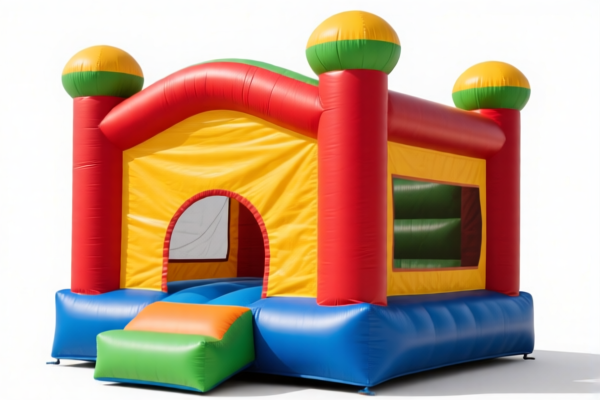
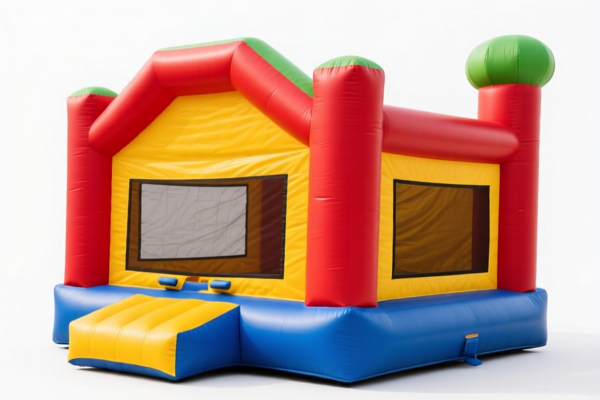
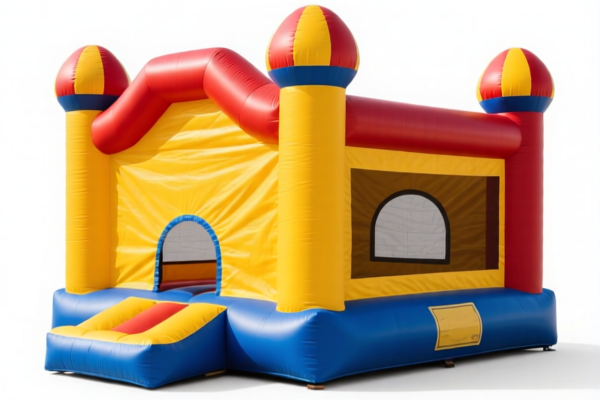
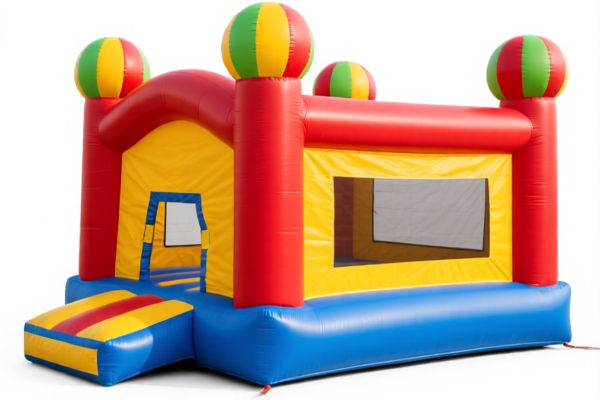
AI Analysis
🏰 Inflatable Castle (Bouncy Castle)
🌐 HS Code Reference & Customs Clearance Guide | 2026 Latest Tariff Analysis | Professional Clearance Strategy
📌 I. Product Definition & Classification: Do You Really Understand "Inflatable Castles"?
Inflatable castles, also known as bouncy houses or jumpers, are recreational structures used primarily in amusement parks, playgrounds, and private events. In international trade, they are classified based on their material composition and functional purpose. Because the input name "Inflatable Castle" does not specify the material, it often falls into several categories depending on customs interpretation of the primary material and intended use.
Key Distinction:
- Plastic/PVC based: If the main body is made of synthetic rubber, plastic, or PVC-coated fabric, it leans towards Chapter 39 (Plastics) or Chapter 63 (Other Made-up Articles).
- Amusement Equipment: If classified strictly as "amusement park equipment," it may fall under Chapter 95 (Toys/Sports/Amusement Goods).
⚠️ Critical Note:
- The 122 Clause Tariff (Section 301/IEEPA related) applies to most Chinese-origin inflatable goods entering the US, regardless of the HS code, unless specifically exempted.
- Misclassification Risk: Declaring an inflatable castle as "Plastic Toys" (e.g., 9503) when it is actually a large-scale amusement structure (e.g., 9508) can lead to audits. Conversely, declaring it as "Plastic Goods" when it is considered "Amusement Equipment" might miss out on specific duty drawbacks or trigger different safety inspections.
📦 II. HS Code Classification Details (2026 Latest Tariff Authority Cross-Reference)
Based on the provided data, here are the five most likely HS Codes for "Inflatable Castle," along with their matching logic and tax implications.
| HS Code | Product Description & Matching Basis | Application Scenario | Tax Rate (Total) |
|---|---|---|---|
3926.90.75.00 |
Plastic Articles: Matches the "inflatable" morphology. Material inferred as plastic/polymer (Ch 39 range). No material conflict. | Small-to-medium inflatables made primarily of PVC/Plastic sheets; generic plastic inflatables. | 14.2% |
9508.29.00.00 |
Amusement Park Equipment: Functional attribute is "recreational facility." Morphology fits "park/land facility." Material inferred as PVC/Ripstop Nylon. | Large-scale bouncy castles, commercial amusement structures, park facilities. | 17.5% |
6307.90.98.91 |
Other Made-up Articles: Material inferred as plastic/fabric finished goods. Fits the "other made-up" catch-all category. No conflict. | Inflatable items where material is a mix of fabric and plastic coatings, treated as "textile/plastic composite" rather than pure plastic. | 24.5% |
6307.90.89.95 |
Other Made-up Articles: Considered a "finished product." Material inferred as PVC or Nylon synthetic fiber. No shape/usage conflict. | Similar to above, but potentially different sub-category for "other" finished goods depending on precise fabric construction. | 17.0% |
9508.30.00.00 |
Amusement Rides/Facilities: Functional attribute is "playground entertainment." Matches "park ride facilities" and "amusement facilities." | Commercial inflatable rides, jumpers intended for commercial rental/operation. | 17.5% |
🔍 Key Insight:
- Codes 9508.29.00.00 and 9508.30.00.00 are the most common for commercial inflatable castles because they emphasize the use (amusement) rather than just the material.
- Codes 3926 and 6307 are often used for smaller or non-commercial inflatables where the material definition is stricter.
💰 III. 2026 Latest Tariff Rate Breakdown (Including Surtaxes & Policy Surcharges)
✅ Applicable Country: United States (US)
✅ Origin: China (CN)
✅ Effective Date: From November 10, 2025 (including subsequent imports)
🎯 1. 3926.90.75.00 —— Plastic Articles (Inflatable)
| Item | Content |
|---|---|
| Base Duty | 4.2% (ad valorem) |
| Surtax (Section 301) | 0.0% (Note: Some plastic articles may be exempt from the 25% 301 tariff, but see below) |
| 122 Clause Tariff | +10% |
| Total Tax Rate | 14.2% |
| Calculation | CIF Value × 14.2% |
| De Minimis Eligibility | ❌ No (Deny De Minimis) |
| Legal Basis Path | USITC:3926.90.75.00 → 122 Clause:10% |
📌 Explanation:
- The 14.2% rate is relatively low compared to other options.
- This assumes the item is classified under Chapter 39, which may enjoy a 0% Section 301 surtax (depending on specific HTS sub-heading exclusions), but still bears the 10% 122 Clause.
- Advantage: Lowest total tax rate among the options.
🎯 2. 9508.29.00.00 —— Amusement Park Equipment (Other)
| Item | Content |
|---|---|
| Base Duty | 0.0% |
| Surtax (Section 301) | 7.5% |
| 122 Clause Tariff | +10% |
| Total Tax Rate | 17.5% |
| Calculation | CIF Value × 17.5% |
| De Minimis Eligibility | ❌ No (Deny De Minimis) |
| Legal Basis Path | USITC:9508.29.00.00 → Surtax:7.5% → 122 Clause:10% |
📌 Note:
- Base duty is 0%, but the 7.5% surtax applies.
- Commonly used for large-scale commercial inflatables.
- The 122 Clause adds a flat 10%, bringing the total to 17.5%.
🎯 3. 6307.90.98.91 —— Other Made-up Articles (Textile/Plastic Composite)
| Item | Content |
|---|---|
| Base Duty | 7.0% |
| Surtax (Section 301) | 7.5% |
| 122 Clause Tariff | +10% |
| Total Tax Rate | 24.5% |
| Calculation | CIF Value × 24.5% |
| De Minimis Eligibility | ❌ No (Deny De Minimis) |
| Legal Basis Path | USITC:6307.90.98.91 → Surtax:7.5% → 122 Clause:10% |
📌 Warning:
- This is the highest tax rate (24.5%).
- Only use this if the product is clearly a "made-up article" of mixed materials and cannot be classified as plastic (Ch 39) or amusement equipment (Ch 95).
- Avoid unless necessary, as it significantly impacts profitability.
🎯 4. 6307.90.89.95 —— Other Made-up Articles (Other)
| Item | Content |
|---|---|
| Base Duty | 7.0% |
| Surtax (Section 301) | 0.0% |
| 122 Clause Tariff | +10% |
| Total Tax Rate | 17.0% |
| Calculation | CIF Value × 17.0% |
| De Minimis Eligibility | ❌ No (Deny De Minimis) |
| Legal Basis Path | USITC:6307.90.89.95 → 122 Clause:10% |
📌 Note:
- Base duty is 7.0%, but 0% Surtax applies.
- Total 17.0% is slightly lower than the 9508 codes (17.5%).
- Suitable if the item is considered a "finished good" of synthetic fiber/plastic mix.
🎯 5. 9508.30.00.00 —— Amusement Rides/Facilities (Rides)
| Item | Content |
|---|---|
| Base Duty | 0.0% |
| Surtax (Section 301) | 7.5% |
| 122 Clause Tariff | +10% |
| Total Tax Rate | 17.5% |
| Calculation | CIF Value × 17.5% |
| De Minimis Eligibility | ❌ No (Deny De Minimis) |
| Legal Basis Path | USITC:9508.30.00.00 → Surtax:7.5% → 122 Clause:10% |
📌 Explanation:
- Identical tax rate to9508.29.00.00.
- Chosen if the inflatable is considered a "ride" (e.g., with mechanical components or specific operational features) rather than just a "facility."
🛠️ IV. Customs Clearance Practical Advice (Battle-Tested Pitfall Avoidance Guide)
✅ 1. Required Documentation Checklist (All Mandatory)
| Document | Mandatory? | Description |
|---|---|---|
| ✅ Product Specification Sheet | ✔️ | Must include dimensions, material (PVC, TPU, Nylon), weight, blower requirements. |
| ✅ Material Composition Proof | ✔️ | Invoice or certificate stating % of plastic vs. textile. Crucial for distinguishing Ch 39 vs. Ch 63. |
| ✅ Product Photos | ✔️ | Clear images of the castle, seams, blower, and repair kit. |
| ✅ Commercial Invoice | ✔️ | Must clearly state "Inflatable Castle/Bouncy House" and correct HS Code. |
| ✅ Packing List | ✔️ | Detail how it is packed (rolled, boxed). |
| ✅ Safety Compliance Certs | ✔️ | ASTM F2374 (US Standard for Inflatable Play Structures) is critical. CE/EN14960 for EU reference. |
✅ 2. Declaration Tips (Key Mantra)
🔥 "Material First, Function Second; 122 Applies Everywhere!"
| Scenario | Correct Declaration | Error to Avoid |
|---|---|---|
| Commercial Use | HS Code 9508.29.00.00 or 9508.30.00.00 | Misdeclaring as "Plastic Toy" (9503) → Higher scrutiny, potential duty difference. |
| Small/Personal Use | HS Code 3926.90.75.00 | Misdeclaring as "Textile" → 24.5% tax instead of 14.2%. |
| Mixed Material | HS Code 6307.90.89.95 (17.0%) | Using 6307.90.98.91 (24.5%) unnecessarily → Cost increase! |
| Any Inflatable | Always declare 122 Clause | Assuming "Toy" means no surtax → Penalties + Back Duties! |
✅ 3. Special Considerations
| Situation | Handling Advice |
|---|---|
| OEM Custom Castles | Provide design files and material specs. Ensure "Made in China" is clearly marked. |
| Inflatable with Blower Included | Declare as one set. Do not split into "Inflatable" + "Motor." |
| Safety Standards | US Customs may request ASTM F2374 compliance proof. Lack of this may lead to detention. |
| Origin Marking | Must state "Made in China." Failure to do so can result in penalties. |
🌍 V. Global Market Comparison (2026 Latest)
| Country/Region | Recommended HS Code | Tariff (China Origin) | Certification | Notes |
|---|---|---|---|---|
| 🇺🇸 USA | 9508.29.00.00 or 3926.90.75.00 |
14.2% ~ 17.5% | ASTM F2374, CPSIA | 122 Clause applies to all. |
| 🇨🇳 China | 9508.29.00.00 |
5% | CCC | No 122 Clause. |
| 🇪🇺 EU | 9508.29.00.00 |
0% | EN14960, CE | No 122 Clause. |
| 🇬🇧 UK | 9508.29.00.00 |
0% | UKCA | Post-Brexit rules apply. |
| 🇨🇦 Canada | 9508.29.00.00 |
0% | ASTM F2374 | No major surtaxes. |
📌 Conclusion:
- The USA is the most complex market due to the 122 Clause and potential Section 301 surtaxes.
- Cost Optimization: Choose 3926.90.75.00 (14.2%) if the product is primarily plastic and not explicitly "amusement equipment" for commercial use.
- Compliance Priority: Ensure ASTM F2374 certification to avoid US border detention.
📌 VI. Common Mistakes & Pitfalls (Lessons Learned)
❌ Mistake 1: Declaring "Inflatable Castle" as "Plastic Toy" (9503) to avoid surtax.
👉 Consequence: Customs may reclassify it as "Amusement Equipment" (9508) or "Plastic Article" (3926) and apply 122 Clause (10%) anyway. Plus, potential duty differences.
❌ Mistake 2: Ignoring the 122 Clause.
👉 Consequence: Even if base duty is 0%, the 10% 122 Clause applies to almost all Chinese inflatables. Failing to declare it leads to penalties and interest.
❌ Mistake 3: Not providing ASTM F2374 proof.
👉 Consequence: US Customs and Border Protection (CBP) may detain the shipment for safety compliance checks, causing delays and storage fees.
❌ Mistake 4: Using the highest tax code (6307.90.98.91 at 24.5%) without justification.
👉 Consequence: Unnecessary cost increase. Always argue for 3926 (14.2%) or 9508 (17.5%) if applicable.
✅ Correct Action:
"Inflatable Bouncy Castle, PVC Material, ASTM F2374 Compliant, For Commercial Playground Use, HS Code 9508.29.00.00, Origin: China"
🎯 VII. Conclusion: Professional Declaration, Save Time, Reduce Costs!
🎯 Remember the Mantra:
🔹 "Material Defines HS, Function Defines Code, 122 Always Applies!"
🔹 "Choose 3926 for 14.2%, 9508 for 17.5%, Avoid 6307 24.5% if Possible!"
🔹 "Safety Certs (ASTM) Prevent Delays!"
📌 Pro Tip:
If your inflatable castle is made in Vietnam, Malaysia, or Thailand, you may avoid the 122 Clause and potentially Section 301 surtaxes.
Recommend pre-ruling (Advance Ruling) from CBP for large shipments to confirm HS Code and tax liability.
📣 Immediate Action:
📞 Contact a licensed customs broker + Provide Material Spec Sheet + Apply for ASTM F2374 certification
🚀 Let your Inflatable Castle pass customs smoothly, maximize profit, and scale globally!
✨ Professional Customs Clearance Starts with Accurate Classification!
💼 Every Dollar Saved on Duty is Pure Profit!
Customer Reviews
About HS Code Classification
The Harmonized System (HS) is an internationally standardized nomenclature developed by the World Customs Organization (WCO) to classify traded products. Over 200 countries use the HS system as the basis for customs tariffs, trade statistics, and import/export regulations.
Each HS code follows a hierarchical structure:
- Chapter (2 digits) — Broad category of goods (e.g., Chapter 84: Machinery and Mechanical Appliances)
- Heading (4 digits) — More specific grouping within the chapter
- Subheading (6 digits) — Internationally standardized breakdown, used by all WCO member countries
- National subdivisions (8-10 digits) — Country-specific extensions for further classification, such as US HTSUS 10-digit codes
Correct HS code classification is essential for smooth customs clearance, accurate duty payment, and compliance with trade regulations. Misclassification can lead to customs delays, overpayment of duties, or penalties.
When importing from CN to US, the applicable tariff rates may include:
- Most-Favored-Nation (MFN) rate — The standard duty rate applied to WTO members
- General rate — Applied to countries without trade agreements
- Trade remedy duties — Additional tariffs such as Section 301 (anti-dumping), Section 232 (national security), or countervailing duties
The information provided on this page is for reference purposes only. For official classification, please consult with your local customs authority or a licensed customs broker.