Inflatable Fitness Ball
CN → US| HS Code | Tariff Rate | Origin | Destination | Doc |
|---|---|---|---|---|
| 3926907500 | 14.2% | CN | US | Official Doc |
| 9019102050 | 10.0% | CN | US | Official Doc |
| 3926909989 | 22.8% | CN | US | Official Doc |
| 4016100000 | 35.0% | CN | US | Official Doc |
| 9506628060 | 22.3% | CN | US | Official Doc |
Product Images
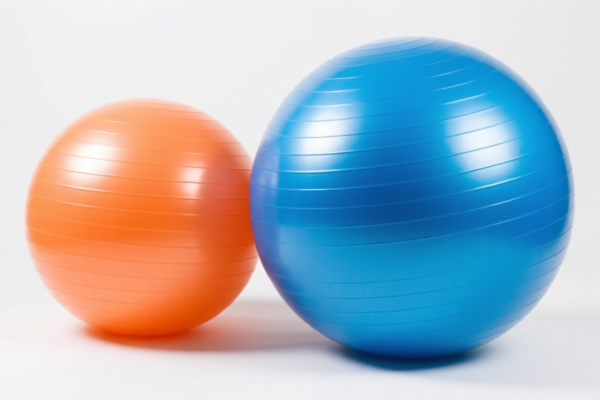
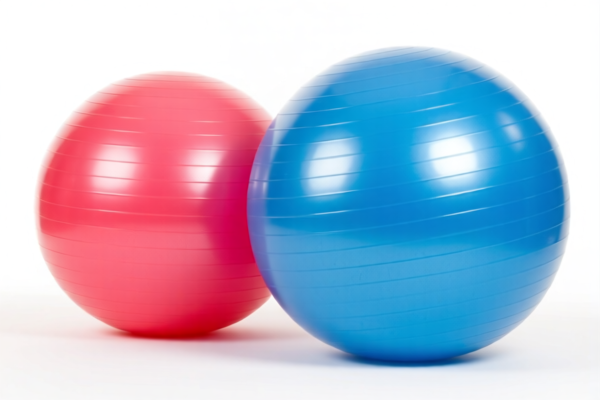
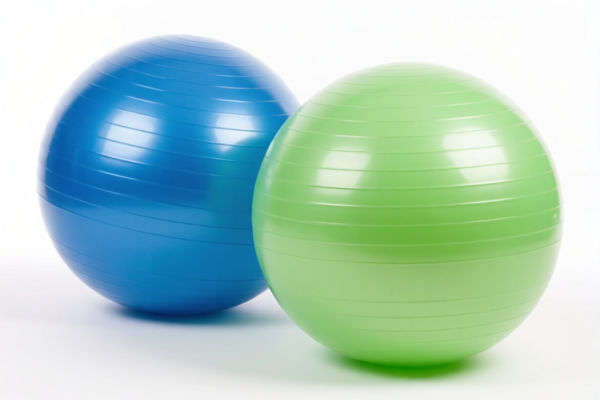
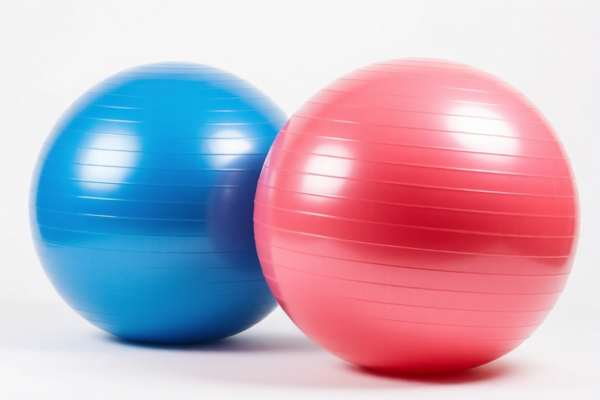
AI Analysis
🏋️♂️ Inflatable Fitness Ball (Swiss Ball / Yoga Ball)
🌐 HS Code Reference & Customs Clearance Guide | 2026 Latest Tariff Analysis | Professional Strategy
📌 I. Product Definition & Classification: What Exactly Is an "Inflatable Fitness Ball"?
An Inflatable Fitness Ball (often called a Swiss Ball, Yoga Ball, or Exercise Ball) is a versatile piece of equipment used for physical therapy, core strengthening, balance training, and yoga. In international trade, its classification is not straightforward because it can be viewed through three different lenses: material, function, or sporting use.
Key Classification Angles: * Material Perspective (Plastic/PVC): It is an inflatable article made of plastic or rubber-like materials. * Function Perspective (Massager/Therapy): It is used for body massage, muscle relaxation, and physiotherapy. * Sporting Perspective (Ball): It is a spherical object used for exercise and sports activities.
⚠️ Critical Distinction:
- If classified by material/structure (most common for general import), it falls under Plastics/Rubber Articles.
- If classified by therapeutic use, it may fall under Medical/Massage Devices.
- If classified by sporting use, it falls under Sports Goods.
📦 II. HS Code Classification Details (2026 Tariff Authority Comparison)
Based on the provided data, here are the four possible HS Codes and the logic behind them:
| HS Code | Product Description & Logic | Applicable Scenario | Material/Structure |
|---|---|---|---|
3926.90.75.00 |
Other Plastic Articles: Based on inflatable properties and inferred plastic/PVC material. | General fitness, home use, generic PVC balls. | Plastic/PVC (Inflatable) |
9019.10.20.50 |
Other Massage Appliances: Based on therapeutic/massage purpose, non-electrical, plastic/rubber. | Physiotherapy clinics, rehabilitation centers, "therapy" marketed balls. | Plastic/Rubber (Non-electric) |
3926.90.99.89 |
Other Plastic Articles (Unspecified): Based on plastic/PVC material, unlisted final form. | Generic plastic inflatables not covered by specific subheadings. | Plastic/PVC (General) |
4016.10.00.00 |
Other Vulcanized Rubber Articles: Based on vulcanized rubber material, spherical shape. | High-quality, heavy-duty rubber balls (not PVC). | Vulcanized Rubber |
9506.62.80.60 |
Ball Games (Other): Based on spherical use and inflatable structure, non-basketball, non-volleyball. | Sports retail, gym equipment categorized as "sports goods". | Any (Sporting Good) |
🔍 Key Reminder:
- Material vs. Function: Customs may challenge the classification if the marketing focuses heavily on "medical therapy" (pushing for 9019) vs. "fitness" (pushing for 9506 or 3926).
- Inflatable Nature: The fact that it is inflatable strongly supports classification under Plastics/Rubber Articles (3926or4016) rather than rigid sports equipment.
💰 III. 2026 Latest Tariff Rate Details (Including Additional Duties)
✅ Applicable Country: United States (US)
✅ Country of Origin: China (CN)
✅ Effective Date: Post-November 2025 (Current Policy)
🎯 1. 3926.90.75.00 — Other Plastic Articles (Inflatable)
| Item | Detail |
|---|---|
| Basic Tariff | 4.2% (ad valorem) |
| Section 301 Additional Tariff | 0.0% (Exempt for this specific subheading) |
| IEEPA 122 Clause Tariff | 10.0% (Targeting Chinese imports) |
| Total Effective Tariff | 14.2% |
| Tax Calculation | CIF Value × 14.2% |
| De Minimis Exemption | ❌ Not Applicable (For shipments from China, Section 321 is blocked/low threshold for many goods) |
| Legal Basis | IEEPA:9903.01.24 → USITC:3926.90.75.00 |
📌 Explanation:
- This is often the most cost-effective classification for standard PVC fitness balls.
- The Section 301 tariff is 0%, but the IEEPA 10% still applies.
- Total burden: 14.2%.
🎯 2. 9019.10.20.50 — Other Massage Appliances (Non-Electrical)
| Item | Detail |
|---|---|
| Basic Tariff | 0.0% (ad valorem) |
| Section 301 Additional Tariff | 0.0% |
| IEEPA 122 Clause Tariff | 10.0% |
| Total Effective Tariff | 10.0% |
| Tax Calculation | CIF Value × 10.0% |
| De Minimis Exemption | ❌ Not Applicable |
| Legal Basis | IEEPA:9903.01.24 → USITC:9019.10.20.50 |
📌 Explanation:
- This offers the lowest total tax (10%).
- Risk: Customs may reject this if the product is clearly marketed as "gym equipment" rather than "medical therapy device." You must provide evidence of therapeutic use (e.g., prescription-grade marketing, physiotherapy certifications).
🎯 3. 3926.90.99.89 — Other Plastic Articles (Unspecified)
| Item | Detail |
|---|---|
| Basic Tariff | 5.3% |
| Section 301 Additional Tariff | 7.5% |
| IEEPA 122 Clause Tariff | 10.0% |
| Total Effective Tariff | 22.8% |
| Tax Calculation | CIF Value × 22.8% |
| De Minimis Exemption | ❌ Not Applicable |
| Legal Basis | IEEPA:9903.01.24 → USITC:3926.90.99.89 → FOOTNOTE:301 |
📌 Explanation:
- This is a "catch-all" for plastic goods not specifically listed elsewhere.
- Higher due to the 7.5% Section 301 surcharge.
- Use only if3926.90.75.00is deemed too specific and incorrect.
🎯 4. 4016.10.00.00 — Other Vulcanized Rubber Articles
| Item | Detail |
|---|---|
| Basic Tariff | 0.0% |
| Section 301 Additional Tariff | 25.0% (High Penalty) |
| IEEPA 122 Clause Tariff | 10.0% |
| Total Effective Tariff | 35.0% |
| Tax Calculation | CIF Value × 35.0% |
| De Minimis Exemption | ❌ Not Applicable |
| Legal Basis | IEEPA:9903.01.24 → USITC:4016.10.00.00 → FOOTNOTE:301 |
📌 Explanation:
- Highest Risk Category.
- The 25% Section 301 tariff applies here.
- Only use if the ball is strictly vulcanized rubber (not PVC) AND you cannot justify the 9019 medical classification. Avoid if possible.
🎯 5. 9506.62.80.60 — Ball Games (Other)
| Item | Detail |
|---|---|
| Basic Tariff | 4.8% |
| Section 301 Additional Tariff | 7.5% |
| IEEPA 122 Clause Tariff | 10.0% |
| Total Effective Tariff | 22.3% |
| Tax Calculation | CIF Value × 22.3% |
| De Minimis Exemption | ❌ Not Applicable |
| Legal Basis | IEEPA:9903.01.24 → USITC:9506.62.80.60 → FOOTNOTE:301 |
📌 Explanation:
- Classified as a "sporting good."
- Moderate tax burden (22.3%).
- Risk: Customs may argue that a "fitness ball" is not a "ball game" (like soccer or basketball) but rather "exercise equipment" or "plastic article," potentially rejecting this code in favor of3926.
🛠️ IV. Customs Clearance Practical Advice (Avoiding Pitfalls)
✅ 1. Preparation Checklist (Must-Have Documents)
| Document | Required? | Purpose |
|---|---|---|
| ✅ Product Specification Sheet | ✔️ | Must state material (PVC/Rubber), dimensions, inflation pressure, weight capacity. |
| ✅ Product Photos | ✔️ | Show the ball, valve, and any branding/packaging. |
| ✅ Marketing Materials | ✔️ | If claiming 9019 (Massage), provide therapy-related brochures. If claiming 9506, provide fitness/gym context. |
| ✅ Material Declaration | ✔️ | Explicitly state "PVC" or "Vulcanized Rubber." Do not use vague terms like "flexible polymer." |
| ✅ Commercial Invoice | ✔️ | Describe as "Inflatable PVC Fitness Ball" or "Therapeutic Massage Ball." Avoid vague terms like "Gym Toy." |
| ✅ FCC/CE/RoHS Certs | ✔️ | If applicable, though less critical for non-electronic rubber/plastic goods. |
✅ 2. Declaration Strategy (Key Mantra)
🔥 "Material First, Function Second. PVC Wins on Price, Therapy Saves Tax!"
| Scenario | Recommended HS Code | Why? |
|---|---|---|
| Standard PVC Ball (Home Gym) | 3926.90.75.00 |
Best Balance: 14.2% tax, low Section 301 risk, accurate material description. |
| Medical/Physio Ball | 9019.10.20.50 |
Lowest Tax (10%) but highest scrutiny. Needs strong therapy justification. |
| High-End Rubber Ball | 4016.10.00.00 |
Avoid due to 35% tax unless no other option exists. |
| Sports Store Retail | 9506.62.80.60 |
Higher Tax (22.3%). Only use if "Sporting Good" definition is robust. |
✅ 3. Special Considerations
| Situation | Handling Advice |
|---|---|
| OEM Custom Balls | Provide customer PO and design specs. If designed for medical use, push for 9019. |
| Inflatable vs. Deflated | State clearly if shipped inflated or deflated. Deflated is easier to classify as "articles." |
| Packaging | If sold with a pump, consider if the pump changes classification. Usually, "fitness ball with pump" is still classified by the main article (the ball). |
| Labeling | Labels should match the declared purpose. "Therapy Ball" vs. "Yoga Ball" can influence customs interpretation. |
🌍 V. Global Market Comparison (2026 Snapshot)
| Market | Preferred HS Code | Est. Total Duty (China Origin) | Notes |
|---|---|---|---|
| 🇺🇸 USA | 3926.90.75.00 |
14.2% | Best cost-performance. 9019 is 10% but risky. |
| 🇪🇺 EU | 9506.91.90 (Example) |
~0-2.5% | Lower duties, but requires CE marking. |
| 🇨🇳 China | 3926.90.90 |
~5-10% | Lower entry barriers for domestic sale. |
| 🇬🇧 UK | 9506.91.90 |
~0-4% | Post-Brexit rules apply; similar to EU. |
📌 Conclusion:
- USA is the most expensive market due to IEEPA and Section 301 tariffs.
-3926.90.75.00(14.2%) is the safest and most standard classification for Chinese-made PVC fitness balls.
-9019.10.20.50(10%) is the cheapest but requires strong medical/therapeutic evidence to survive customs audit.
📌 VI. Common Errors & Pitfalls (Blood Lessons)
❌ Error 1: Classifying a PVC ball as 9506 (Sports Goods)
👉 Consequence: Customs may reject it because it's not a "ball game" like soccer, leading to reclassification to 3926 + penalties.
❌ Error 2: Using 4016.10.00.00 (Rubber) for PVC Balls
👉 Consequence: 35% Tax! PVC is not vulcanized rubber. Massive overpayment.
❌ Error 3: Claiming 9019 without Evidence
👉 Consequence: Audit failure. Customs will demand proof of medical use. If none found, reclassified to 3926 (14.2%), and you lose the 4.2% savings.
❌ Error 4: Vague Description "Exercise Ball"
👉 Consequence: Customs assigns highest default duty rate. Always specify material (PVC) and purpose.
✅ Correct Practice:
"Inflatable PVC Fitness Ball, 65cm Diameter, for Physiotherapy/Exercise, Non-Electrical, Model XYZ"
➡️ Recommended HS:3926.90.75.00(14.2%) or9019.10.20.50(10% if therapy focus is documented).
🎯 VII. Conclusion: Professional Declaration, Cost Efficiency!
🎯 Remember the Mantra:
🔹 "PVC is King: 3926.75 is the Sweet Spot (14.2%)."
🔹 "Therapy is Thin Air: 9019 is 10% but Watch Your Back (Audit Risk)."
🔹 "Rubber is Rich: 4016 is 35% — Avoid Unless Necessary!"
📌 Pro Tip:
If your supplier can provide a Certificate of Material Analysis confirming PVC composition, stick to 3926.90.75.00. It is the most defensible and cost-effective path for general fitness balls.
📣 Immediate Action:
📞 Consult a Customs Broker before shipment.
📄 Prepare Product Photos & Specs proving material and use.
🚀 Clear Customs Smoothly, Maximize Profits!
✨ Professional Clearance Starts with Precise Classification!
💼 Your Margin is Your Mission!
Customer Reviews
About HS Code Classification
The Harmonized System (HS) is an internationally standardized nomenclature developed by the World Customs Organization (WCO) to classify traded products. Over 200 countries use the HS system as the basis for customs tariffs, trade statistics, and import/export regulations.
Each HS code follows a hierarchical structure:
- Chapter (2 digits) — Broad category of goods (e.g., Chapter 84: Machinery and Mechanical Appliances)
- Heading (4 digits) — More specific grouping within the chapter
- Subheading (6 digits) — Internationally standardized breakdown, used by all WCO member countries
- National subdivisions (8-10 digits) — Country-specific extensions for further classification, such as US HTSUS 10-digit codes
Correct HS code classification is essential for smooth customs clearance, accurate duty payment, and compliance with trade regulations. Misclassification can lead to customs delays, overpayment of duties, or penalties.
When importing from CN to US, the applicable tariff rates may include:
- Most-Favored-Nation (MFN) rate — The standard duty rate applied to WTO members
- General rate — Applied to countries without trade agreements
- Trade remedy duties — Additional tariffs such as Section 301 (anti-dumping), Section 232 (national security), or countervailing duties
The information provided on this page is for reference purposes only. For official classification, please consult with your local customs authority or a licensed customs broker.