Inflatable Fitness Balls
CN → US| HS Code | Tariff Rate | Origin | Destination | Doc |
|---|---|---|---|---|
| 3926907500 | 14.2% | CN | US | Official Doc |
| 9019102050 | 10.0% | CN | US | Official Doc |
| 3926909989 | 22.8% | CN | US | Official Doc |
| 4016100000 | 35.0% | CN | US | Official Doc |
| 9506628060 | 22.3% | CN | US | Official Doc |
Product Images
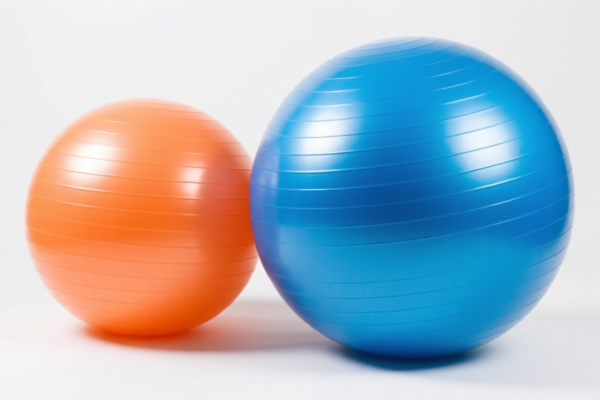
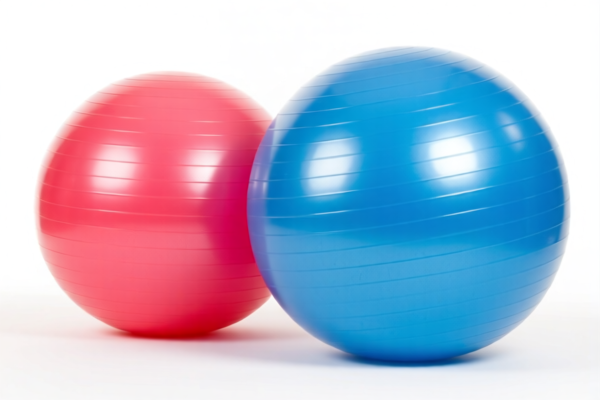
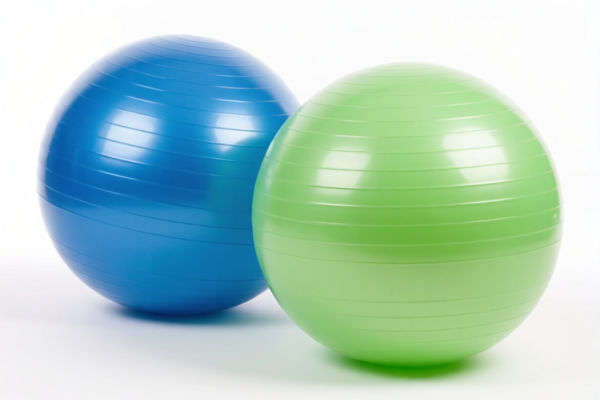
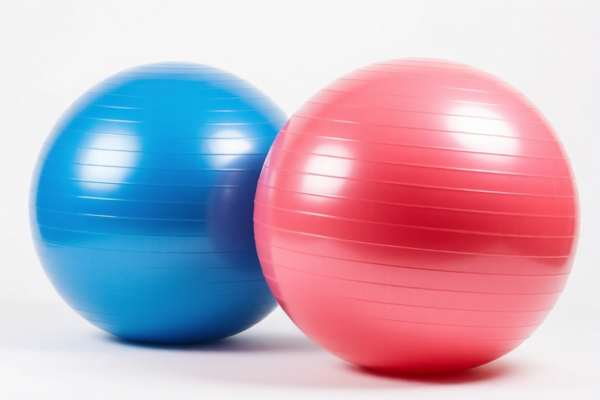
AI Analysis
🏋️♀️ Inflatable Fitness Balls (Yoga Balls / Exercise Balls)
🌐 HS Code Reference & Clearance Guide | 2026 Latest Tariff Analysis | Professional Customs Strategy 📌 I. Product Definition & Classification: What Exactly Is It?
Inflatable Fitness Balls are versatile tools used for physical therapy, pilates, yoga, and general strength training. In international trade, they are primarily classified based on their material composition and intended function. The key debate lies in whether they are treated as "Plastic/Rubber Articles" or "Sports Equipment."
Two Main Categories: * Material-Based Classification (Plastics/Rubber): Focuses on the physical makeup (PVC, PVC-coated, Sulfurized Rubber). This often applies to generic gym equipment or accessories. * Function-Based Classification (Sports Articles): Focuses on the use as a ball for sports/fitness (e.g., exercise balls).
⚠️ Critical Distinction Point: - If made of PVC/Plastic and used for massage/therapy → Often grouped under Plastics (Chapter 39) or Massage Devices (Chapter 90). - If made of Sulfurized Rubber → Strictly grouped under Rubber Articles (Chapter 40). - If clearly identified as a Sports Ball (non-basketball/volleyball) → Grouped under Sports Equipment (Chapter 95).
📦 II. HS Code Classification Details (2026 Authoritative Reference)
Based on the provided data, here are the five potential HS Codes for Inflatable Fitness Balls, ranging from plastic to rubber, and from massage tools to sports equipment.
| HS Code | Product Description | Material/Type | Primary Usage |
|---|---|---|---|
3926.90.75.00 |
Inflatable Massage Ball, Plastic/PVC | Plastic/PVC | Massage/Therapy |
9019.10.20.50 |
Inflatable Massage Ball, Non-Electric Device | Mechanical Device | Physical Therapy/Massage Equipment |
3926.90.99.89 |
Inflatable Fitness/Massage Ball, Plastic/PVC | Plastic/PVC | General Fitness/Massage (Misc. Plastic) |
4016.10.00.00 |
Fitness Ball, Sulfurized Rubber | Sulfurized Rubber | General Fitness/Gym |
9506.62.80.60 |
Fitness Ball, Inflatable (Non-Basketball/Volleyball) | Sports Article | Sports/Exercise/Gymnastics |
🔍 Key Reminder: - Material is King: If it’s PVC/Plastic, look at Chapters 39 or 90. If it’s Rubber, look at Chapter 40. - Function Matters: A ball made of rubber can still be classified as a sports article (
9506) if it meets specific sport criteria, but often rubber balls are treated as general rubber articles (4016) unless explicitly defined as sports equipment. - "Fitness Ball" vs. "Massage Ball": Customs may differentiate based on marketing. "Massage" often triggers Chapter 90 (Medical/Therapeutic devices), while "Fitness" might trigger Chapter 95 (Sports) or Chapter 39/40 (Articles).
💰 III. 2026 Latest Tariff Rate Breakdown (Including Add-ons)
✅ Applicable Country: United States (US)
✅ Origin: China (CN)
✅ Effective Time: 2025+ (Including Section 301 & IEEPA measures)
🎯 1. 3926.90.75.00 —— Inflatable Massage Ball (Plastic/PVC)
| Item | Details |
|---|---|
| Base Tariff | 4.2% |
| Section 301 Add-on | 0.0% |
| Section 122 Add-on | 10.0% |
| Total Tariff Rate | 14.2% |
| Calculation Basis | CIF Value × 14.2% |
| De Minimis Exemption | ❌ Not Eligible (Likely subject to scrutiny due to Section 122) |
📌 Explanation:
- This code targets PVC/Plastic items used for massage.
- The 10% Section 122 tariff is a significant addition, often applied to specific consumer goods or to address trade imbalances in certain sectors.
- Lowest base rate among the plastic options, but still subject to the 122 add-on.
🎯 2. 9019.10.20.50 —— Inflatable Massage Ball (Non-Electric Device)
| Item | Details |
|---|---|
| Base Tariff | 0.0% |
| Section 301 Add-on | 0.0% |
| Section 122 Add-on | 10.0% |
| Total Tariff Rate | 10.0% |
| Calculation Basis | CIF Value × 10.0% |
| De Minimis Exemption | ❌ Not Eligible |
📌 Explanation:
- This is the most tariff-efficient code if your product qualifies as a "Mechanical Therapy Device."
- The key is describing it as a "Non-Electric Massage Appliance" rather than just a "fitness ball."
- 0% Base Tariff makes this highly attractive, but you must ensure the product description aligns with medical/therapy device standards.
- Crucial: Must be justified as a therapeutic device, not just a gym toy.
🎯 3. 3926.90.99.89 —— Inflatable Fitness/Massage Ball (Plastic/PVC)
| Item | Details |
|---|---|
| Base Tariff | 5.3% |
| Section 301 Add-on | 7.5% |
| Section 122 Add-on | 10.0% |
| Total Tariff Rate | 22.8% |
| Calculation Basis | CIF Value × 22.8% |
| De Minimis Exemption | ❌ Not Eligible |
📌 Explanation:
- This is a "Miscellaneous Other Plastic Articles" code.
- It attracts all three tariffs: Base + Section 301 (7.5%) + Section 122 (10%).
- Highly discouraged if a better classification (like9019or3926.90.75) is available.
- Use only if the product doesn’t fit other specific plastic subheadings.
🎯 4. 4016.10.00.00 —— Fitness Ball (Sulfurized Rubber)
| Item | Details |
|---|---|
| Base Tariff | 0.0% |
| Section 301 Add-on | 25.0% |
| Section 122 Add-on | 10.0% |
| Total Tariff Rate | 35.0% |
| Calculation Basis | CIF Value × 35.0% |
| De Minimis Exemption | ❌ Not Eligible |
📌 Explanation:
- Applies only if the ball is made of Sulfurized Rubber (not PVC/Plastic).
- Despite 0% Base Tariff, the 25% Section 301 tariff (from USITC Footnote 9903.88.01) and 10% Section 122 make this the most expensive option.
- Avoid this code for PVC balls. Only use if the product is genuinely rubber-based and you cannot classify it as a sports article (9506).
🎯 5. 9506.62.80.60 —— Fitness Ball (Inflatable, Non-Basketball/Volleyball)
| Item | Details |
|---|---|
| Base Tariff | 4.8% |
| Section 301 Add-on | 7.5% |
| Section 122 Add-on | 10.0% |
| Total Tariff Rate | 22.3% |
| Calculation Basis | CIF Value × 22.3% |
| De Minimis Exemption | ❌ Not Eligible |
📌 Explanation:
- This code classifies the item strictly as a Sports Article.
- It includes Section 301 (7.5%) and Section 122 (10%).
- Competitive if you market it purely as a "Sports/Exercise Ball" and avoid "Therapy/Massage" language.
- Slightly cheaper than3926.90.99.89but more expensive than9019.10.20.50.
🛠️ IV. Customs Clearance Practical Advice (Avoiding Pitfalls)
✅ 1. Preparation Checklist (Non-Negotiable)
| Document | Required | Notes |
|---|---|---|
| ✅ Product Specifications | ✔️ | Material (PVC vs. Rubber), Dimensions, Weight, Inflation Pressure |
| ✅ Photos | ✔️ | Show the ball in use (massage vs. exercise) to support classification |
| ✅ Material Declaration | ✔️ | Explicitly state "PVC," "Plastic," or "Sulfurized Rubber" |
| ✅ Intended Use Statement | ✔️ | "For Physical Therapy/Massage" OR "For Gym Exercise/Sports" |
| ✅ Commercial Invoice | ✔️ | Clear description matching HS Code |
| ✅ Bill of Lading | ✔️ | Consistent with invoice and packing list |
✅ 2. Declaration Strategy (Key Mantras)
🔥 “Material Defines Chapter, Function Defines Subheading!”
| Scenario | Recommended HS Code | Risk Level |
|---|---|---|
| PVC Ball + Marketed as Massage Tool | 9019.10.20.50 (10%) or 3926.90.75.00 (14.2%) |
⭐ Low (if documented as therapy device) |
| PVC Ball + Marketed as Gym Equipment | 9506.62.80.60 (22.3%) |
⭐⭐ Medium (Sports classification) |
| PVC Ball + Generic/No Specific Use | 3926.90.99.89 (22.8%) |
⭐⭐⭐ High (Miscellaneous, higher tariff) |
| Rubber Ball + Any Use | 4016.10.00.00 (35%) |
⭐⭐⭐⭐ Very High (Avoid unless necessary) |
| Basketball/Volleyball | Different Code (Not listed in DATA) | N/A |
📌 Critical Tip:
- If you classify as9019.10.20.50(Massage Device), ensure your product description includes terms like "Therapeutic," "Rehabilitation," or "Non-Electric Massage Appliance."
- Do NOT mix "Fitness" and "Massage" ambiguously. Choose one primary function for the declaration.
✅ 3. Special Circumstances
| Situation | Advice |
|---|---|
| OEM/Private Label | Provide contract showing client’s intended use (e.g., clinic vs. gym). |
| Mixed Material | If a ball has a plastic shell but rubber core, consult customs. Typically, the outermost material or primary functional material dictates classification. |
| Sets (Ball + Pump) | Declare the ball as the principal item. The pump may be classified separately or included depending on packaging and value. |
| Sample vs. Bulk | Samples may face different duty rates or exemptions, but De Minimis (Section 321) is often denied for Chinese goods under current IEEPA rules. |
🌍 V. Global Market Comparison (2026 Snapshot)
| Market | Recommended HS Code | Est. Total Tariff (China Origin) | Notes |
|---|---|---|---|
| 🇺🇸 USA | 9019.10.20.50 |
10.0% | Best if classified as therapy device. |
| 🇺🇸 USA | 4016.10.00.00 |
35.0% | Avoid if possible due to high Section 301. |
| 🇨🇳 China | 9506.62.80.60 |
~7.5% | Import duty + VAT. No Section 301/122. |
| 🇪🇺 EU | 9506.62.80.60 |
~4.5% - 6.7% | Standard WCO HS. No heavy add-ons. |
| 🇬🇧 UK | 9506.62.80.60 |
~5% | Post-Brexit tariffs. |
📌 Conclusion for US Importers:
- The 10.0% rate for9019.10.20.50is the sweet spot.
- The 35.0% rate for4016.10.00.00is a deal-breaker for rubber balls.
- Section 122 (10%) is widespread, so expect it on most non-rubber articles.
📌 VI. Common Mistakes & Pitfalls (Blood & Tears)
❌ Mistake 1: Classifying a PVC Ball as 4016.10.00.00 (Rubber)
👉 Result: 35% Tariff. You could have paid 10-14%.
👉 Fix: Check material composition. PVC ≠ Rubber.
❌ Mistake 2: Calling it a "Yoga Ball" in Chapter 95 (9506) but it’s clearly for Medical Therapy
👉 Result: Customs may reclassify to 9019 (10%) or penalize for misdeclaration.
👉 Fix: Align description with function. If for therapy, use 9019.
❌ Mistake 3: Using 3926.90.99.89 (22.8%) when 3926.90.75.00 (14.2%) fits
👉 Result: Overpaying by 8.6%.
👉 Fix: Use the more specific subheading for "Massage" items under plastics.
❌ Mistake 4: Assuming De Minimis ($800) applies
👉 Result: Shipment seized or taxed. Section 321 exemptions are often revoked for Chinese goods under IEEPA.
👉 Fix: Plan for full duty payment.
🎯 VII. Conclusion: Smart Classification Saves Money!
🎯 Remember the Mantra:
🔹 "Rubber is 35%, Plastic Massage is 10-14%, Sports Ball is 22%!"
🔹 "Material first, Function second, Tariff follows!"
📌 Pro Tip:
If your fitness ball is made of PVC and used for therapy, push for 9019.10.20.50 (10%). Provide clinical or therapy-focused marketing materials.
If it’s purely for gym exercise, use 9506.62.80.60 (22.3%).
Never use 4016.10.00.00 for PVC balls!
📣 Immediate Action:
📞 Consult a Customs Broker to review your product’s material certificate.
📄 Prepare Clear Product Descriptions aligned with your chosen HS Code.
🚀 Optimize your supply chain to avoid the 35% rubber tariff trap.
✨ Professional Clearance, Precise Classification, Maximizing Profit!
💼 Every percent of duty saved is pure profit!
Customer Reviews
About HS Code Classification
The Harmonized System (HS) is an internationally standardized nomenclature developed by the World Customs Organization (WCO) to classify traded products. Over 200 countries use the HS system as the basis for customs tariffs, trade statistics, and import/export regulations.
Each HS code follows a hierarchical structure:
- Chapter (2 digits) — Broad category of goods (e.g., Chapter 84: Machinery and Mechanical Appliances)
- Heading (4 digits) — More specific grouping within the chapter
- Subheading (6 digits) — Internationally standardized breakdown, used by all WCO member countries
- National subdivisions (8-10 digits) — Country-specific extensions for further classification, such as US HTSUS 10-digit codes
Correct HS code classification is essential for smooth customs clearance, accurate duty payment, and compliance with trade regulations. Misclassification can lead to customs delays, overpayment of duties, or penalties.
When importing from CN to US, the applicable tariff rates may include:
- Most-Favored-Nation (MFN) rate — The standard duty rate applied to WTO members
- General rate — Applied to countries without trade agreements
- Trade remedy duties — Additional tariffs such as Section 301 (anti-dumping), Section 232 (national security), or countervailing duties
The information provided on this page is for reference purposes only. For official classification, please consult with your local customs authority or a licensed customs broker.