Inflatable Float Boards
CN → US| HS Code | Tariff Rate | Origin | Destination | Doc |
|---|---|---|---|---|
| 4016950000 | 21.7% | CN | US | Official Doc |
| 9506995500 | 22.8% | CN | US | Official Doc |
| 3926907500 | 14.2% | CN | US | Official Doc |
| 3926903000 | 39.2% | CN | US | Official Doc |
| 9506290080 | 17.5% | CN | US | Official Doc |
Product Images
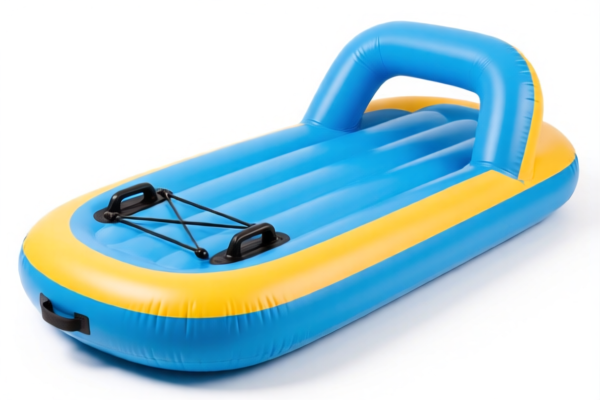
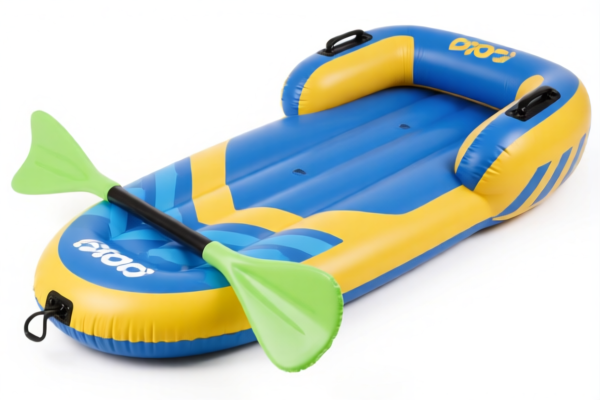
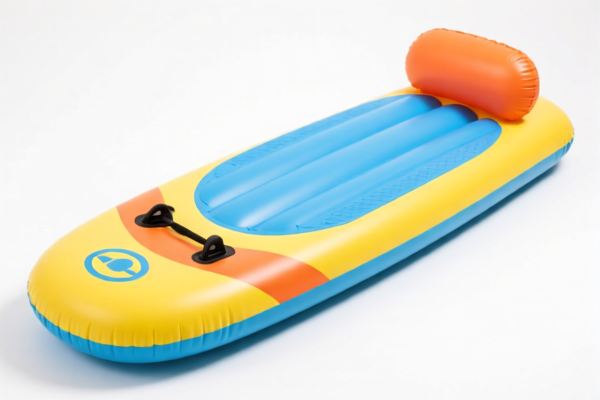
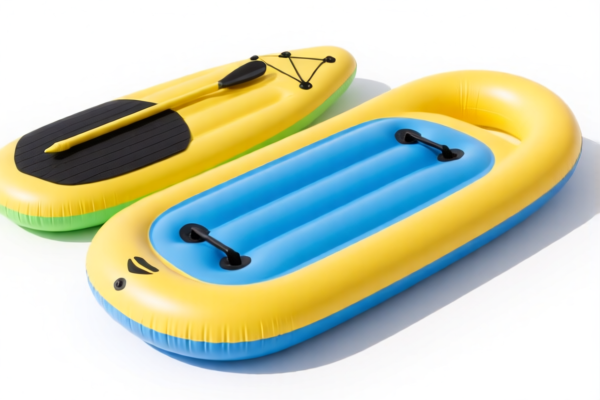
AI Analysis
🏄♂️ Inflatable Float Boards (Inflatable Floats)
🌐 HS Code Reference & Customs Clearance Guide | 2026 Latest Tariff Analysis | Professional-Level Clearance Strategy
📌 I. Product Definition & Classification: Do You Really Understand "Inflatable Float Boards"?
"Inflatable Float Boards" are versatile water recreational equipment, typically used for swimming, sunbathing, or as accessories for swimming pools and beach activities. In international trade, their classification is highly sensitive to material composition and specific usage scenarios. While they share the "inflatable" form, the difference in material (Rubber vs. PVC/Plastic) leads to significant differences in tariff rates (from 14.2% to 39.2%).
⚠️ Key Distinction Point:
- If the material is inferred as Vulcanized Rubber or Similar Rubber (e.g., heavy-duty beach floats, industrial marine floats) → Classified under 4016.95.00.00 (Rubber Goods).
- If the material is inferred as Plastic/PVC (e.g., cheap pool loungers, standard beach floats) → Classified under 3926.90.75.00 (Plastic Goods).
- If classified as Sports Equipment (e.g., specific water sports accessories) → May fall under 9506 (Sports Goods), potentially attracting higher punitive tariffs depending on specific sub-headings.
📦 II. HS Code Classification Details (2026 Latest Tariff Authority Comparison)
Based on the provided data, here are the five potential HS Codes for "Inflatable Float Boards," ranked by logical inference from the product name.
| HS Code | Product Description | Matching Basis (From Data) | Total Tax Rate | Key Tax Components |
|---|---|---|---|---|
3926.90.75.00 |
Other Articles of Plastic / Inflatable Products | Material Match: "Inflatable" + Common sense → PVC/Plastic. Fits "Plastic Goods." | 14.2% | Base: 4.2%, Section 122: 10% |
9506.29.00.80 |
Other Water Sports Equipment | Usage Match: Water sports equipment. Not ski boards/surfboards. | 17.5% | Base: 0%, Section 301 (7.5%): 7.5%, Section 122: 10% |
4016.95.00.00 |
Other Articles of Vulcanized Rubber | Material Match: "Inflatable" + Inference → Rubber. Fits "Rubber Goods." | 21.7% | Base: 4.2%, Section 301 (7.5%): 7.5%, Section 122: 10% |
9506.99.55.00 |
Other Equipment for General Physical Exercise | Usage Match: Water play/game accessories. Material inferred as Plastic/PVC. | 22.8% | Base: 5.3%, Section 301 (7.5%): 7.5%, Section 122: 10%, Steel/Aluminum/Copper: 50% |
3926.90.30.00 |
Other Plastic Articles | Usage Match: Accessories for recreational boats/water sports. Material: Plastic/PVC. | 39.2% | Base: 4.2%, Section 301 (25%): 25%, Section 122: 10% |
🔍 Critical Note:
- The lowest tax rate (14.2%) applies if the product is clearly identified as a general plastic inflatable item (3926.90.75.00).
- The highest tax rate (39.2%) applies if the product is deemed a specific "accessory for recreational boats" (3926.90.30.00), likely due to specific Section 301 punitive tariffs on certain plastic goods.
- Material declaration is paramount: Misdeclaring PVC as Rubber (or vice versa) can lead to significant tax discrepancies and customs penalties.
💰 III. 2026 Latest Tariff Rate Details (Including Additional Taxes & Policy Surcharges)
✅ Applicable Country: United States (US)
✅ Origin: China (CN) (Inferred from "Section 122" and typical Chinese export context)
✅ Effective Time: Current 2026 Tariff Schedule
🎯 1. 3926.90.75.00 —— Other Articles of Plastic (Best Case Scenario)
| Item | Content |
|---|---|
| Base Tariff | 4.2% (Ad Valorem) |
| Section 301 Tariff | 0.0% (No additional 301 tariff for this specific sub-heading in the provided data) |
| Section 122 Tariff | 10.0% (Targeted tariff on specific plastic goods) |
| Total Rate | 14.2% |
| Tax Calculation | CIF Value × 14.2% |
| De Minimis Exemption | ❌ No (High value goods typically excluded, though low-value shipments might benefit if under $800, but commercial shipments do not) |
| Legal Basis Path | HTS:3926.90.75.00 → SEC122:10% |
📌 Interpretation:
- This is the most favorable classification for standard PVC inflatable floats.
- It avoids the heavy 7.5% or 25% Section 301 tariffs found in other categories.
- Only the 10% Section 122 tariff applies.
🎯 2. 9506.29.00.80 —— Other Water Sports Equipment (Moderate Risk)
| Item | Content |
|---|---|
| Base Tariff | 0.0% |
| Section 301 Tariff | +7.5% |
| Section 122 Tariff | +10.0% |
| Total Rate | 17.5% |
| Tax Calculation | CIF Value × 17.5% |
| De Minimis Exemption | ❌ No |
| Legal Basis Path | HTS:9506.29.00.80 → SEC301:7.5% → SEC122:10% |
📌 Interpretation:
- Although the base tariff is 0%, the 7.5% Section 301 tariff is applied.
- Total cost is higher than3926.90.75.00.
🎯 3. 4016.95.00.00 —— Other Vulcanized Rubber Articles (Material Risk)
| Item | Content |
|---|---|
| Base Tariff | 4.2% |
| Section 301 Tariff | +7.5% |
| Section 122 Tariff | +10.0% |
| Total Rate | 21.7% |
| Tax Calculation | CIF Value × 21.7% |
| De Minimis Exemption | ❌ No |
| Legal Basis Path | HTS:4016.95.00.00 → SEC301:7.5% → SEC122:10% |
📌 Interpretation:
- If Customs determines your "Plastic" float is actually "Rubber" (e.g., high-end neoprene/rubber floats), the tax jumps to 21.7%.
- Ensure your material certificate explicitly states PVC/Phthalate-Free Plastic if you are filing under3926.
🎯 4. 9506.99.55.00 —— Other Sports Equipment (Complex Tariff)
| Item | Content |
|---|---|
| Base Tariff | 5.3% |
| Section 301 Tariff | +7.5% |
| Section 122 Tariff | +10.0% |
| Metals Tariff | +50% (If containing Steel, Aluminum, or Copper components) |
| Total Rate | 22.8% (Without metals) |
| Tax Calculation | CIF Value × 22.8% |
| De Minimis Exemption | ❌ No |
| Legal Basis Path | HTS:9506.99.55.00 → SEC301:7.5% → SEC122:10% → METALS:50% |
📌 Interpretation:
- Danger Zone: If your float has any metal parts (e.g., metal handles, frames), the 50% metals tariff may apply, drastically increasing costs.
- Ensure the product is purely inflatable with no metal components.
🎯 5. 3926.90.30.00 —— Plastic Articles for Boats (Highest Risk)
| Item | Content |
|---|---|
| Base Tariff | 4.2% |
| Section 301 Tariff | +25.0% |
| Section 122 Tariff | +10.0% |
| Total Rate | 39.2% |
| Tax Calculation | CIF Value × 39.2% |
| De Minimis Exemption | ❌ No |
| Legal Basis Path | HTS:3926.90.30.00 → SEC301:25% → SEC122:10% |
📌 Interpretation:
- This classification is triggered if the item is deemed a "part or accessory for recreational boats."
- The 25% Section 301 penalty is severe. Avoid this classification unless the product is clearly a boat part (e.g., inflatable door for a dinghy), not a standalone float board.
🛠️ IV. Customs Clearance Practical Advice (Real-World Pitfall Prevention)
✅ 1. Document Checklist (Non-negotiable)
| Document | Mandatory? | Explanation |
|---|---|---|
| ✅ Material Certificate | ✔️ | Must specify PVC, TPU, or Polyethylene. Avoid vague terms like "synthetic material." |
| ✅ Product Specifications | ✔️ | Include dimensions, weight, max load, and inflation method. |
| ✅ High-Resolution Photos | ✔️ | Show the product clearly. No metal parts visible if filing under 3926 or 9506 to avoid 50% metal tariff. |
| ✅ Commercial Invoice | ✔️ | Describe as: "Inflatable PVC Float Board for Beach/Swimming Pool Recreation, Model XYZ" |
| ✅ Packing List | ✔️ | Ensure packaging does not suggest it is a "boat accessory" if you want to avoid 3926.90.30.00. |
✅ 2. Declaration Tips (Key Mnemonic)
🔥 “Material First, Usage Second, Avoid ‘Boat Parts’!”
| Scenario | Correct Declaration | Wrong Practice |
|---|---|---|
| Standard PVC Float | 3926.90.75.00 |
Misdeclare as Rubber → Tax jumps to 21.7% |
| Float with Metal Handle | 9506.99.55.00 (Check Metal Tariff) |
Hide metal part → Customs will find it, fine + 50% penalty |
| Float for Boat | 3926.90.30.00 (High Tax) |
Try to declare as general float → Audit risk, back taxes |
| Children’s Pool Toy | 3926.90.75.00 or 9506.29.00.80 |
Declare as industrial rubber → Wrong classification |
✅ 3. Special Handling for Specific Cases
| Case | Handling Advice |
|---|---|
| OEM Custom Floats | Provide design files showing PVC material. If it has a valve, ensure it’s plastic. |
| Floats with Pumps | Declare as a set. The main item (Float) determines the HS Code. |
| Multi-Color/Printed Floats | Ensure no logos that imply it’s a "brand-specific boat part." |
| New Material (TPU) | Clearly state TPU (Thermoplastic Polyurethane) as a plastic, not rubber, to aim for 3926.90.75.00. |
🌍 V. Global Market Comparison (2026 Latest)
| Country/Region | Recommended HS Code | Tariff Rate | Certification Requirements | Notes |
|---|---|---|---|---|
| 🇺🇸 USA | 3926.90.75.00 |
14.2% | No special certs required for plastic | Avoid 3926.90.30.00 (39.2%) |
| 🇨🇳 China | 3926.90.75.00 |
5.0% | CCC (if applicable) | Low import tariff |
| 🇪🇺 EU | 3926.90.97 |
4.5% | CE, REACH, Prop 65 | No Section 122/301 equivalents |
| 🇦🇺 Australia | 3926.90.90 |
5.0% | Australian Performance Standards | Low duty |
| 🇯🇵 Japan | 3926.90.90 |
5.0% | JIS | Low duty |
📌 Conclusion:
- The US is the only market with the Section 122 (10%) and Section 301 (0-25%) punitive tariffs.
- Correct HS Code selection is critical in the US market. A 0.25% error in classification can mean a 25% difference in tax.
📌 VI. Common Errors & Pitfall Prevention (Lessons Learned)
❌ Error 1: Declaring PVC Floats as "Rubber"
👉 Consequence: Tax increases from 14.2% to 21.7%. Unnecessary cost increase.
❌ Error 2: Calling the product "Boat Accessory" in the invoice
👉 Consequence: Customs may classify it under 3926.90.30.00 → Tax jumps to 39.2%.
❌ Error 3: Ignoring Metal Components
👉 Consequence: If metal handles are present but not declared, the 50% metal tariff under 9506.99.55.00 may be applied retroactively.
❌ Error 4: Using "Float" without material specification
👉 Consequence: Customs will make their own determination, likely defaulting to a higher tax bracket (e.g., 21.7% or 22.8%).
✅ Correct Practice:
"Inflatable PVC Beach Float, 150cm x 80cm, for Sunbathing, No Metal Parts, Model XYZ, 100% Plastic Material"
🎯 VII. Conclusion: Professional Declaration, Cost Savings, Risk Reduction
🎯 Remember the Mnemonic:
🔹 "PVC is King (14.2%), Rubber is Middle (21.7%), Boat Part is Death (39.2%)."
🔹 "HS Code defines life, 25% difference costs a fortune, declaration is key to survival!"
📌 Pro Tip:
If your float boards are originally from Vietnam, Mexico, or Thailand, you may apply for Section 301 Exclusions, reducing taxes to 0%~5%.
For large shipments, apply for an Advance Ruling (Customs Binding Ruling) to fix the HS Code and tax rate in advance.
📣 Immediate Action:
📞 Contact a professional customs broker + Provide product photos + Apply for HS Code Pre-ruling
🚀 Let your float boards clear customs smoothly, maximize profit, and enjoy the sea!
✨ Professional Clearance, Starts with Accurate Classification!
💼 Every cent of your cost deserves precise calculation!
Customer Reviews
About HS Code Classification
The Harmonized System (HS) is an internationally standardized nomenclature developed by the World Customs Organization (WCO) to classify traded products. Over 200 countries use the HS system as the basis for customs tariffs, trade statistics, and import/export regulations.
Each HS code follows a hierarchical structure:
- Chapter (2 digits) — Broad category of goods (e.g., Chapter 84: Machinery and Mechanical Appliances)
- Heading (4 digits) — More specific grouping within the chapter
- Subheading (6 digits) — Internationally standardized breakdown, used by all WCO member countries
- National subdivisions (8-10 digits) — Country-specific extensions for further classification, such as US HTSUS 10-digit codes
Correct HS code classification is essential for smooth customs clearance, accurate duty payment, and compliance with trade regulations. Misclassification can lead to customs delays, overpayment of duties, or penalties.
When importing from CN to US, the applicable tariff rates may include:
- Most-Favored-Nation (MFN) rate — The standard duty rate applied to WTO members
- General rate — Applied to countries without trade agreements
- Trade remedy duties — Additional tariffs such as Section 301 (anti-dumping), Section 232 (national security), or countervailing duties
The information provided on this page is for reference purposes only. For official classification, please consult with your local customs authority or a licensed customs broker.