Inflatable Football
CN → US| HS Code | Tariff Rate | Origin | Destination | Doc |
|---|---|---|---|---|
| 9019102050 | 10.0% | CN | US | Official Doc |
| 3926907500 | 14.2% | CN | US | Official Doc |
| 3926909989 | 22.8% | CN | US | Official Doc |
Product Images
AI Analysis
🏈 Inflatable Football (Air-Filled Sports Balls)
🌐 HS Code Reference & Customs Clearance Guide | 2026 Latest Tariff Analysis | Strategic Compliance for Air-Sports Gear
📌 I. Product Definition & Classification: Is It a Toy, a Machine, or Just Plastic?
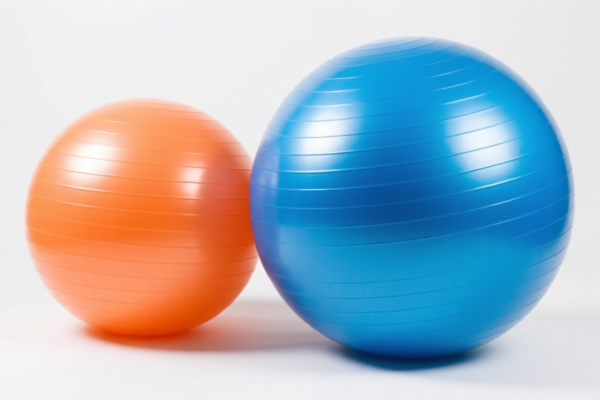
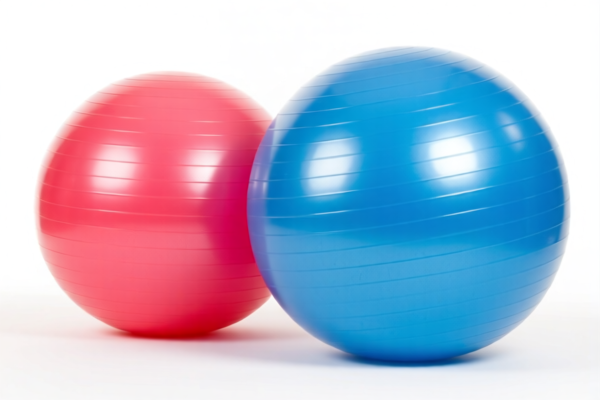
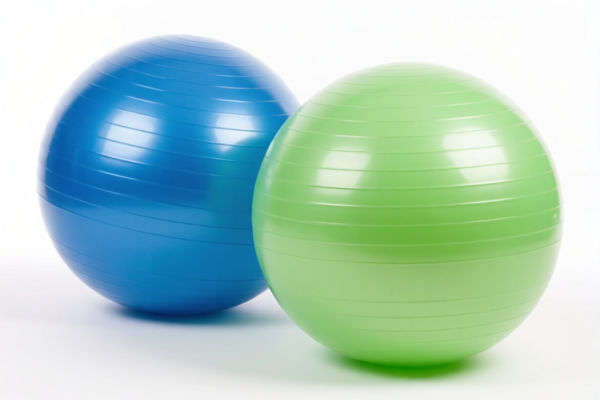
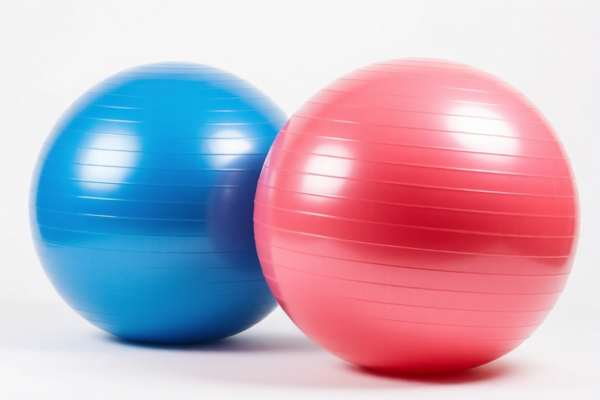
An "Inflatable Football" in the context of international trade (especially involving HS codes like 9019 and 3926) typically refers to non-motorized massage/therapy balls or PVC-based inflatable sports equipment, rather than a standard leather soccer ball regulated under heading 9506.
The classification depends heavily on: 1. Function: Is it for medical/therapeutic massage or general inflation/play? 2. Material: Is it predominantly PVC/Plastic or treated as a mechanical device? 3. Construction: Does it have internal structures resembling medical devices?
⚠️ Critical Distinction:
- If marketed as a "Massage Ball" (e.g., for myofascial release, muscle therapy) → It is classified as a medical/physiotherapeutic device.
- If marketed as a "Toy/Sports Item" made of PVC without medical claims → It is classified as a Plastic Article.
📦 II. HS Code Classification Details (2026 Latest Tariff Alignment)
Based on the provided dataset, here are the three possible classifications and their implications:
| HS Code | Product Description | Key Criteria | Classification Logic |
|---|---|---|---|
9019.10.20.50 |
Inflatable Massage Ball | Non-electric massage appliance; likely plastic or rubber; used for therapeutic/massage purposes. | 🏥 Medical/Therapeutic Device: Classified under "Mechano-therapy appliances" (Ch. 90). |
3926.90.75.00 |
Inflatable Plastic Article | Material: Plastic/PVC; Classified as "Other articles of plastics" specifically for inflatable items. | 🎈 General Plastic Goods: No medical function; standard PVC inflatable. |
3926.90.99.89 |
Unspecified Plastic Article | Material: Plastic/PVC; Generic "Other plastic articles" not elsewhere specified. | 📦 Catch-All Plastic: Fallback category for PVC items not fitting specific sub-headings. |
🔍 Key Insight:
- The choice between9019.10.20.50and3926.90...hinges on marketing and function.
-9019.10.20.50is the most favorable for cost (lower base tariff) but requires proof of medical/therapeutic use.
-3926.90.75.00is the standard for PVC inflatables (toys, sports balls) without medical claims.
💰 III. 2026 Latest Tariff Rate Breakdown (Including Additional Duties)
✅ Applicable Country: USA (US)
✅ Origin: China (CN)
✅ Effective Date: Post-2025 adjustments (including Section 301 & IEEPA surcharges)
🎯 1. 9019.10.20.50 —— Inflatable Massage Ball (Therapeutic Device)
| Item | Detail |
|---|---|
| Base Tariff | 0.0% |
| Section 301 / Additional Tariff | 0.0% |
| IEEPA / Section 122 Tariff | +10% |
| Total Tariff Rate | 10.0% |
| Tax Calculation | CIF Value × 10% |
| De Minimis Eligibility | ❌ No (Generally excluded if deemed medical device under certain conditions, but primarily driven by the 10% IEEPA) |
| Legal Basis | IEEPA:9903.01.25 (10% surcharge on Chinese goods) |
📌 Explanation:
- This HS code benefits from a 0% base tariff for medical/physiotherapeutic appliances.
- However, the 10% IEEPA surcharge applies to all Chinese-origin goods under this provision.
- Advantage: This is the lowest tariff option among the three, provided the product can be legitimately classified as a "massage apparatus."
🎯 2. 3926.90.75.00 —— Inflatable Plastic Article (PVC)
| Item | Detail |
|---|---|
| Base Tariff | 4.2% |
| Section 301 / Additional Tariff | 0.0% |
| IEEPA / Section 122 Tariff | +10% |
| Total Tariff Rate | 14.2% |
| Tax Calculation | CIF Value × 14.2% |
| De Minimis Eligibility | ❌ No |
| Legal Basis | IEEPA:9903.01.25 + Standard USITC duty |
📌 Explanation:
- This is the standard rate for PVC inflatable items (e.g., beach balls, toys) not classified as toys under9503.
- The base rate is higher (4.2%) than the medical device rate.
- Still subject to the 10% IEEPA surcharge.
🎯 3. 3926.90.99.89 —— Other Plastic Articles (Generic)
| Item | Detail |
|---|---|
| Base Tariff | 5.3% |
| Section 301 / Additional Tariff | +7.5% |
| IEEPA / Section 122 Tariff | +10% |
| Total Tariff Rate | 22.8% |
| Tax Calculation | CIF Value × 22.8% |
| De Minimis Eligibility | ❌ No |
| Legal Basis | IEEPA:9903.01.25 + USITC 301 duties |
📌 Explanation:
- This is the highest tariff option.
- Applies if the item does not fit the specific "inflatable article" subheading (3926.90.75) and falls into the generic "other plastics" bucket.
- Subject to both Section 301 (7.5%) and IEEPA (10%) surcharges on top of the base rate.
- Avoid this code if possible by correctly identifying it as an "inflatable article" (3926.90.75) or "massage device" (9019.10).
🛠️ IV. Customs Clearance Practical Advice (Risk Mitigation Strategy)
✅ 1. Documentation Checklist (Must-Haves)
| Document | Requirement | Purpose |
|---|---|---|
| ✅ Product Specification Sheet | ✔️ Must clearly state material (e.g., PVC, Rubber) and function (Massage vs. Play). | Determines HS Code eligibility. |
| ✅ Marketing Materials/Packaging | ✔️ Images showing therapeutic use (e.g., muscle relief, physiotherapy) vs. sports play. | Supports 9019.10 classification. |
| ✅ Commercial Invoice | ✔️ Description: "Inflatable Massage Ball, Non-Electric, PVC/Rubber" OR "Inflatable Sports Ball, PVC". | Prevents misclassification disputes. |
| ✅ Certificate of Origin (CO) | ✔️ Confirms Chinese origin (triggers 10% IEEPA). | Required for tariff calculation. |
| ✅ Test Reports (Optional) | ✔️ If claiming medical device status, provide CE/FDA compliance docs. | Strengthens 9019.10 argument. |
✅ 2. Declaration Strategy (Key Rules)
🔥 “Function Dictates Classification; Material Dictates Subheading”
| Scenario | Recommended HS Code | Why? |
|---|---|---|
| Sold as "Physiotherapy Ball" | 9019.10.20.50 |
Meets definition of "mechanotherapy appliance." Lowest tariff (10%). |
| Sold as "Beach/Sports Ball" | 3926.90.75.00 |
Clearly an inflatable plastic article. Moderate tariff (14.2%). |
| Unclear/Mixed Use | 3926.90.99.89 |
Risky. Avoid unless no other code fits. Highest tariff (22.8%). |
⚠️ Critical Warning:
- Do not declare a medical massage ball as a "toy" to avoid scrutiny, but do not declare a toy as a "medical device" without evidence.
- Customs may inspect the product. If it lacks medical context (no instructions for therapy, no therapeutic claims), they may downgrade it to3926.90.75.00.
✅ 3. Special Cases & Pitfalls
| Case | Handling Advice |
|---|---|
| PVC vs. Rubber | If material is rubber, 9019.10.20.50 may still apply if functional criteria are met. If PVC, stick to 3926.90.75.00 for safety. |
| Packaging | Include user manuals explaining therapeutic benefits if using 9019.10.20.50. |
| Kit Sales | If sold with a pump, still classify as a single unit based on primary function. |
| Section 301 Exclusions | Check if 9019.10.20.50 or 3926.90.75.00 has been removed from Section 301 lists (Note: IEEPA 10% is currently mandatory). |
🌍 V. Global Market Comparison (2026 Outlook)
| Market | Recommended HS Code | Est. Tariff (China Origin) | Key Requirement |
|---|---|---|---|
| 🇺🇸 USA | 9019.10.20.50 |
10.0% | Proof of therapeutic function. |
| 🇺🇸 USA | 3926.90.75.00 |
14.2% | Standard PVC inflatable declaration. |
| 🇪🇺 EU | 9019.10.20 (approx) |
~0-2% + VAT | CE Marking for medical devices. |
| 🇨🇳 China | 9019.10 |
~0% | N/A (Import duty low). |
📌 Conclusion:
- USA is the primary market with significant surcharges (IEEPA 10%).
- Opt for9019.10.20.50if you can substantiate the "massage/therapeutic" claim. It saves 4.2% compared to the PVC inflatable code.
- Avoid3926.90.99.89due to the 7.5% additional Section 301 tariff.
📌 VI. Common Errors & Pitfalls (Lessons Learned)
❌ Error 1: Declaring a medical massage ball as a "Toy" to avoid scrutiny.
👉 Consequence: If audited, Customs may reclassify and apply penalties for misdeclaration.
❌ Error 2: Using 3926.90.99.89 without justification.
👉 Consequence: You pay 22.8% instead of 10% or 14.2%. Unnecessary cost increase.
❌ Error 3: Ignoring the 10% IEEPA Surcharge.
👉 Consequence: All Chinese-origin goods under these HS codes are subject to this surcharge. Budget accordingly.
✅ Correct Approach:
"Inflatable Massage Ball, Non-Electric, Made of PVC/Rubber, for Physiotherapeutic Use"
→ HS:9019.10.20.50
→ Tariff: 10.0%
🎯 VII. Conclusion: Strategic Compliance for Max Savings
🎯 Key Takeaway:
🔹 If it’s for Massage/Therapy: Use
9019.10.20.50→ 10% Total Tariff.
🔹 If it’s for Play/Sports: Use3926.90.75.00→ 14.2% Total Tariff.
🔹 Avoid Generic:3926.90.99.89→ 22.8% Total Tariff (High Risk, High Cost).💡 Pro Tip:
Always include therapeutic claim documents in your shipment if you aim for9019.10.20.50. This is the only way to legally secure the 0% base tariff and reduce your total duty burden.
📣 Immediate Action Required:
📞 Review your product packaging and marketing materials.
✅ If it’s a massage ball, update your commercial invoice to reflect "Therapeutic/Massage Purpose."
🚀 Save up to 12.8% in tariffs by choosing the correct HS code!
✨ Precision in Classification Saves Money!
💼 Don’t let a 0.1% difference in HS Code cost you 12% in duties!
Customer Reviews
About HS Code Classification
The Harmonized System (HS) is an internationally standardized nomenclature developed by the World Customs Organization (WCO) to classify traded products. Over 200 countries use the HS system as the basis for customs tariffs, trade statistics, and import/export regulations.
Each HS code follows a hierarchical structure:
- Chapter (2 digits) — Broad category of goods (e.g., Chapter 84: Machinery and Mechanical Appliances)
- Heading (4 digits) — More specific grouping within the chapter
- Subheading (6 digits) — Internationally standardized breakdown, used by all WCO member countries
- National subdivisions (8-10 digits) — Country-specific extensions for further classification, such as US HTSUS 10-digit codes
Correct HS code classification is essential for smooth customs clearance, accurate duty payment, and compliance with trade regulations. Misclassification can lead to customs delays, overpayment of duties, or penalties.
When importing from CN to US, the applicable tariff rates may include:
- Most-Favored-Nation (MFN) rate — The standard duty rate applied to WTO members
- General rate — Applied to countries without trade agreements
- Trade remedy duties — Additional tariffs such as Section 301 (anti-dumping), Section 232 (national security), or countervailing duties
The information provided on this page is for reference purposes only. For official classification, please consult with your local customs authority or a licensed customs broker.