Inflatable Portable Mattresses
CN → US| HS Code | Tariff Rate | Origin | Destination | Doc |
|---|---|---|---|---|
| 4016950000 | 21.7% | CN | US | Official Doc |
| 6306404900 | 21.2% | CN | US | Official Doc |
| 9404210095 | 38.0% | CN | US | Official Doc |
| 9404909670 | 17.3% | CN | US | Official Doc |
Product Images
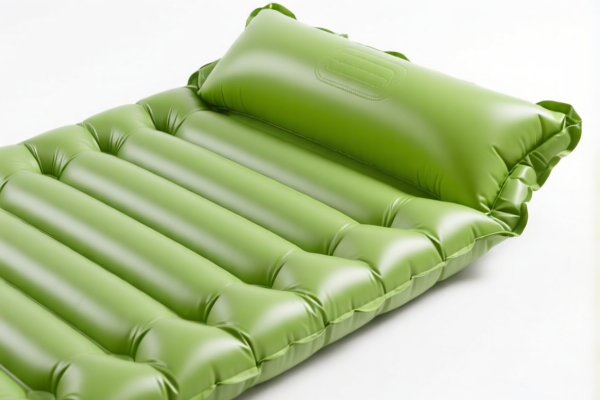
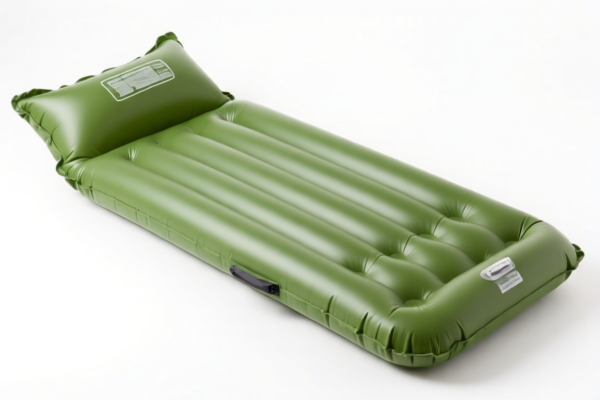
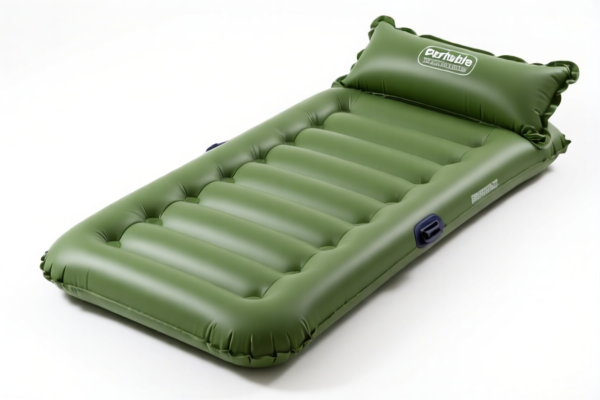
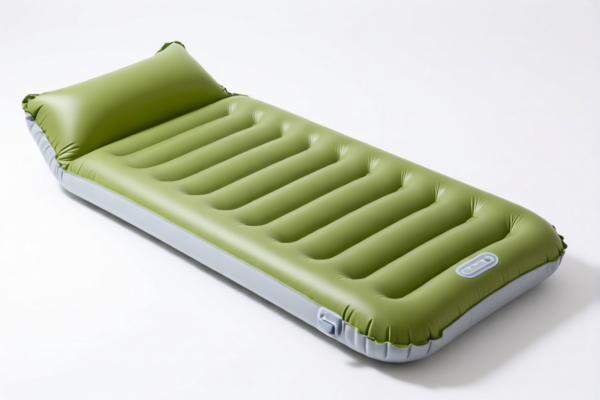
AI Analysis
🛌 Inflatable Portable Mattresses (The "Travel & Camp" Essentials)
🌐 HS Code Reference & Clearance Guide | 2026 Latest Tariff Analysis | Strategic Classification Strategy
📌 I. Product Definition & Classification: Do You Really Know What You’re Shipping?
"Inflatable Portable Mattresses" are versatile bedding solutions used in camping, travel, guest rooms, and emergency situations. In international trade, their classification is highly sensitive to material composition. Because the input "Inflatable Portable Mattresses" does not explicitly state the primary material, it leads to multiple potential HS Code classifications with vastly different tax implications.
Based on common manufacturing practices, these mattresses are typically made from: 1. Sulfurized Rubber or synthetic rubber blends (Durability focused). 2. Textile Materials (Fabric/PVC-coated cloth for comfort/portability). 3. Plastics/PVC (Thin, cheap, inflatable plastic structures).
⚠️ Key Classification Distinction:
- If made of Rubber → Falls under Chapter 40.
- If made of Textile/Fabric → Falls under Chapter 63.
- If made of Plastic/PVC → Falls under Chapter 94 (Bedding articles).
Misclassification can result in massive duty discrepancies (e.g., 17.3% vs 38.0%).
📦 II. HS Code Classification Details (2026 Latest Tariff Authority Mapping)
Based on the provided data analysis, here are the four most likely HS Codes for "Inflatable Portable Mattresses," categorized by inferred material:
| HS Code | Product Description & Match Logic | Primary Material Inference |
|---|---|---|
| 4016.95.00.00 | Other inflatable articles, of rubber Match Logic: Morphology is "inflatable article"; material inferred as vulcanized rubber or compatible synthetic rubber. |
Rubber (Sulfurized/Synthetic) |
| 6306.40.49.00 | Other sleeping bags and similar articles... of textile materials Match Logic: Name "Inflatable Mattress" matches use; material inferred as textile-based (common for portable/camping gear) with no material conflict. |
Textile (Fabric/PVC-coated Cloth) |
| 9404.21.00.95 | Mattresses, sleep cushions, and support cushions, of plastics Match Logic: Product is a mattress; "Inflatable" implies plastic or synthetic polymer structure. Matches "of plastics" definition. |
Plastic (PVC/Vinyl/TPU) |
| 9404.90.96.70 | Other made up articles of textile materials... Match Logic: Product is a mattress; material inferred as plastic/PVC synthetic, but classified under "Other" textile/synthetic bedding not covered elsewhere. |
Synthetic/Other (Mixed/PVC dominant) |
🔍 Critical Insight:
- The same physical product can have different HS Codes depending on the exact chemical composition of the inflatable chamber. - 9404.21.00.95 carries the highest tax burden due to "Section 301" additions. - 9404.90.96.70 offers the lowest total tax rate among the bedding categories.
💰 III. 2026 Latest Tariff Rate Breakdown (Including Surtaxes & Policy Add-ons)
✅ Applicable Country: United States (US)
✅ Country of Origin: China (CN)
✅ Effective Time: Current applicable rates (includes Section 122 & Section 301 tariffs)
🎯 1. 4016.95.00.00 —— Inflatable Articles, of Rubber
| Item | Details |
|---|---|
| Base Duty | 4.2% (ad valorem) |
| Section 301 Surcharge | +7.5% |
| Section 122 Tariff | +10% |
| Total Tax Rate | 21.7% |
| Calculation Basis | CIF Value × 21.7% |
| De Minimis Eligibility | ❌ No (Denied for de minimis under current trade policies) |
| Legal Basis Path | USITC:4016.95.00.00 → SECTION_301:7.5% → SECTION_122:10% |
📌 Explanation:
- Rubber-based inflatables are often used for heavy-duty or medical applications. - The 21.7% rate is moderate but significantly higher than standard rubber goods due to the 122 Section tariff.
🎯 2. 6306.40.49.00 —— Textile-Based Inflatable Mattresses/Sleeping Bags
| Item | Details |
|---|---|
| Base Duty | 3.7% (ad valorem) |
| Section 301 Surcharge | +7.5% |
| Section 122 Tariff | +10% |
| Total Tax Rate | 21.2% |
| Calculation Basis | CIF Value × 21.2% |
| De Minimis Eligibility | ❌ No |
| Legal Basis Path | USITC:6306.40.49.00 → SECTION_301:7.5% → SECTION_122:10% |
📌 Explanation:
- If your mattress is made of fabric-covered PVC (common for camping), it may fall here. - 21.2% is the lowest among the Chapter 40/63 options, but still subject to full surtaxes.
🎯 3. 9404.21.00.95 —— Plastic Mattresses (The "High Tax" Risk)
| Item | Details |
|---|---|
| Base Duty | 3.0% (ad valorem) |
| Section 301 Surcharge | +25.0% (Critical!) |
| Section 122 Tariff | +10% |
| Total Tax Rate | 38.0% |
| Calculation Basis | CIF Value × 38.0% |
| De Minimis Eligibility | ❌ No |
| Legal Basis Path | USITC:9404.21.00.95 → SECTION_301:25% → SECTION_122:10% |
📌 Warning:
- This is the highest tax bracket for inflatable mattresses. - If you misclassify a plastic mattress as "textile" to avoid this, Customs may audit and charge back duties + penalties. - 38.0% significantly impacts profit margins. Must be factored into pricing.
🎯 4. 9404.90.96.70 —— Other Mattress Articles (The "Low Tax" Option)
| Item | Details |
|---|---|
| Base Duty | 7.3% (ad valorem) |
| Section 301 Surcharge | 0.0% (Exempt or Not Applicable) |
| Section 122 Tariff | +10% |
| Total Tax Rate | 17.3% |
| Calculation Basis | CIF Value × 17.3% |
| De Minimis Eligibility | ❌ No |
| Legal Basis Path | USITC:9404.90.96.70 → SECTION_122:10% |
📌 Strategic Advantage:
- Despite a higher base duty (7.3%), the absence of the 25% Section 301 tariff makes this the most cost-effective classification (17.3% total). - This code applies to mattresses that don't fit neatly into "Plastic" (9404.21) or "Textile" (6306) specific subheadings, often used for mixed-material or complex synthetic constructions.
🛠️ IV. Clearance Practical Advice (Real-World Pitfall Guide)
✅ 1. Document Preparation Checklist (Non-Negotiable)
| Document | Required? | Purpose |
|---|---|---|
| ✅ Product Specification Sheet | ✔️ | Must explicitly state Material Composition (e.g., "100% PVC", "Vulcanized Rubber", "Polyester with PVC Coating"). |
| ✅ HS Code Justification Memo | ✔️ | Explain why the chosen HS Code is correct based on material. |
| ✅ Commercial Invoice | ✔️ | Must match the HS Code description exactly. Avoid generic "Mattress"; use "Inflatable Mattress of [Material]". |
| ✅ Packing List | ✔️ | Ensure weight and dimensions are accurate for duty valuation. |
| ✅ Test Reports (if available) | ✔️ | ASTM or ISO tests confirming material type (Rubber vs. Plastic vs. Textile). |
✅ 2. Classification Strategy (Key Takeaways)
🔥 "Material Dictates Rate, 122 is the Constant, 301 is the Killer!"
| Scenario | Recommended HS Code | Total Tax | Why? |
|---|---|---|---|
| Pure Rubber Inflatable | 4016.95.00.00 |
21.7% | Correct material match for rubber. |
| Fabric-Covered Camping Mattress | 6306.40.49.00 |
21.2% | Matches textile/sleeping bag category. |
| Cheap PVC/Plastic Inflatable | 9404.21.00.95 |
38.0% | Avoid if possible! High tax due to Section 301. |
| Complex/Synthetic Mixed Material | 9404.90.96.70 |
17.3% | Best Value! No Section 301 surcharge. |
✅ 3. Special Considerations
| Issue | Advice |
|---|---|
| Material Ambiguity | If the manufacturer says "PVC" but it has a fabric liner, consult a customs broker. Misclassifying as "Textile" (6306) when it's primarily "Plastic" (9404) risks a 16.8% tax difference (21.2% vs 38.0%). |
| Section 122 Tariff | Note that ALL these codes carry a 10% Section 122 tariff. This is a baseline cost for this product category from China. |
| De Minimis (Section 321) | ❌ Inflatable mattresses are NOT eligible for de minimis ($800 exemption) under current rules. All shipments are subject to full duty and scrutiny. |
🌍 V. Global Market Comparison (2026 Context)
| Country/Region | Recommended HS Code | Est. Total Duty | Key Requirements |
|---|---|---|---|
| 🇺🇸 USA | 9404.90.96.70 |
17.3% | Section 122 (10%) + Base. Avoid 9404.21 (38%). |
| 🇨🇳 China (Import) | 9404.90.90.00 | ~10-15% | CCC Certification may be required for certain bedding. |
| 🇪🇺 EU | 9404.90.90 | 4-6% | CE Marking (if applicable), REACH compliance. No Section 301/122. |
| 🇨🇦 Canada | 9404.90.90.00 | ~15-20% | CBSA scrutiny on material content. |
📌 Conclusion:
- The USA market is the most complex due to Layered Tariffs (Base + 301 + 122). - Optimization Strategy: If your product allows, consider if it can be classified under9404.90.96.70(17.3%) rather than9404.21.00.95(38.0%) by emphasizing non-plastic synthetic components or mixed materials.
📌 VI. Common Errors & Pitfalls (Lessons Learned)
❌ Error 1: Calling it "Foam Mattress" when it's "Inflatable"
👉 Consequence: Wrong HS Code (9404.30 vs 9404.21/9404.90). Customs will reclassify and charge back duties + interest.
❌ Error 2: Ignoring "Section 122"
👉 Consequence: Assuming only Base Duty applies. 10% is mandatory for all inflatable bedding from China. Budget for it!
❌ Error 3: Using "Plastic" for a Fabric-Lined Product
👉 Consequence: Jumping from 21.2% (Textile) to 38.0% (Plastic). Loss of 16.8% margin.
✅ Correct Approach:
"Inflatable Mattress, 3-inch thickness, PVC-coated Polyester Fabric, with Built-in Electric Pump, Model XYZ, Certified for Sleep Use"
🎯 VII. Conclusion: Precision in Classification Saves Profit!
🎯 Key Takeaway:
🔹 "Material is King: Rubber (21.7%), Textile (21.2%), Plastic (38.0%), Mixed (17.3%)"
🔹 "Section 122 is Always On (10%); Section 301 is the Trap (25%)"
🔹 "Declare Exactly: Don't say 'Plastic' if it's 'Fabric'; Don't say 'Rubber' if it's 'PVC'"
📌 Pro Tip:
If you are shipping large volumes, consider Applying for an Advance Ruling with US Customs and Border Protection (CBP). A binding ruling on your specific product composition can lock in the 17.3% rate (via 9404.90.96.70) and protect you from future audits.
📣 Action Item:
📞 Contact your Customs Broker
📄 Provide Material Safety Data Sheets (MSDS) or Material Composition Details
🚀 Optimize for9404.90.96.70if possible to save 20.7% in duties!
✨ Professional Clearance Starts with Accurate Classification!
💼 Your Margins Depend on the Right HS Code!
Customer Reviews
About HS Code Classification
The Harmonized System (HS) is an internationally standardized nomenclature developed by the World Customs Organization (WCO) to classify traded products. Over 200 countries use the HS system as the basis for customs tariffs, trade statistics, and import/export regulations.
Each HS code follows a hierarchical structure:
- Chapter (2 digits) — Broad category of goods (e.g., Chapter 84: Machinery and Mechanical Appliances)
- Heading (4 digits) — More specific grouping within the chapter
- Subheading (6 digits) — Internationally standardized breakdown, used by all WCO member countries
- National subdivisions (8-10 digits) — Country-specific extensions for further classification, such as US HTSUS 10-digit codes
Correct HS code classification is essential for smooth customs clearance, accurate duty payment, and compliance with trade regulations. Misclassification can lead to customs delays, overpayment of duties, or penalties.
When importing from CN to US, the applicable tariff rates may include:
- Most-Favored-Nation (MFN) rate — The standard duty rate applied to WTO members
- General rate — Applied to countries without trade agreements
- Trade remedy duties — Additional tariffs such as Section 301 (anti-dumping), Section 232 (national security), or countervailing duties
The information provided on this page is for reference purposes only. For official classification, please consult with your local customs authority or a licensed customs broker.