Inflatable Single Mattresses
CN → US| HS Code | Tariff Rate | Origin | Destination | Doc |
|---|---|---|---|---|
| 4016950000 | 21.7% | CN | US | Official Doc |
| 6306404900 | 21.2% | CN | US | Official Doc |
| 9404210095 | 38.0% | CN | US | Official Doc |
| 9404909670 | 17.3% | CN | US | Official Doc |
Product Images
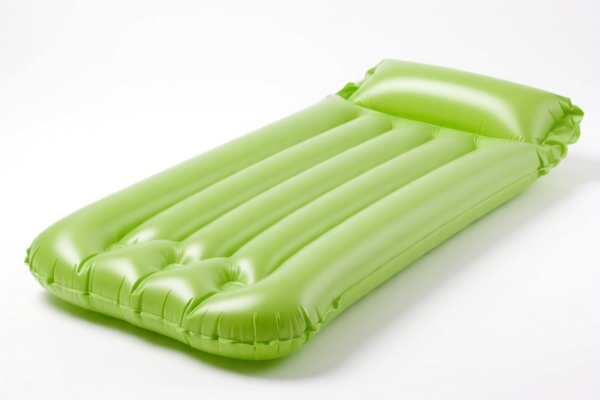
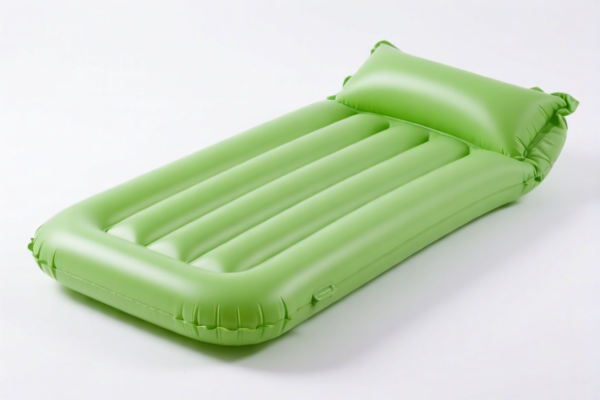
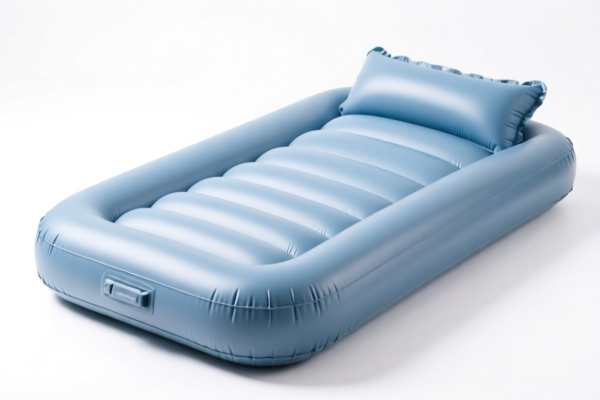
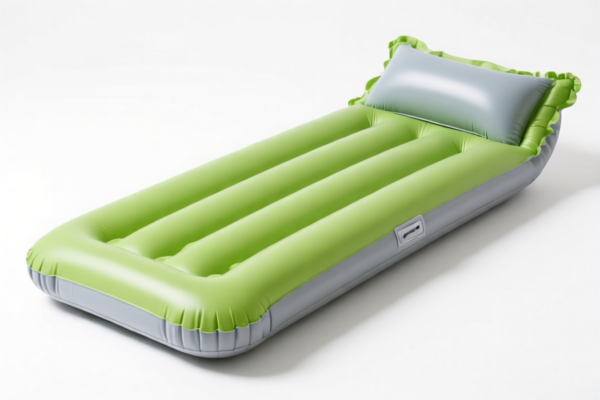
AI Analysis
🛏️ Inflatable Single Mattresses (Lumpy Rubber or Vinyl Coated Textile Materials)
🌐 HS Code Reference & Customs Clearance Guide | 2026 Latest Tariff Analysis | Professional Compliance Strategy
📌 I. Product Definition & Classification: Is It Rubber or Textile?
An "Inflatable Single Mattress" is a bedding item designed for sleep, inflated with air rather than filled with springs, foam, or fiber. In international trade, the critical distinction lies in the material composition, which dictates the HS Code and significantly impacts the total tax burden.
⚠️ Key Classification Divergence:
- If the outer shell is primarily rubber/synthetic rubber (even if coated) → Classified under Chapter 40 (Rubber).
- If the outer shell is primarily textile fabric (e.g., PVC-coated nylon/polyester) → Classified under Chapter 63 or 94.
- If the material is interpreted as plastic/synthetic without textile backing → Classified under Chapter 94 (Plastics/Foams).
📦 II. HS Code Classification Details (Based on Provided Data)
The following four HS Codes are potential matches for "Inflatable Single Mattresses," depending on the specific material inference.
| HS Code | Product Description & Matching Logic | Estimated Total Tax |
|---|---|---|
4016.95.00.00 |
Other inflatable articles of rubber Matching Logic: The product form is "inflatable articles." Material is inferred as vulcanized rubber or compatible synthetic rubber based on common sense, fitting the classification for "other inflatable articles." |
21.7% |
6306.40.49.00 |
Other inflatable tents & other inflatable articles of textile materials Matching Logic: Product name "inflatable mattress" matches the usage (inflatable mattress). Since the material is not explicitly specified, it is inferred to be made of textile materials based on common sense, fitting "other textile materials" with no material conflict. |
21.2% |
9404.21.00.95 |
Mattresses and parts thereof: Mattresses, pillows and similar furniture, stuffed or filled with any material or of cellular rubber or cellular plastics Matching Logic: Product form is "mattress." Material is reasonably inferred to be plastic or synthetic material (fitting 'of plastics') due to the "inflatable" nature, matching the classification definition for plastic/foam mattresses. |
38.0% |
9404.90.96.70 |
Other articles of bedding Matching Logic: Product form is classified as a mattress. Material-wise, it is inferred to be mainly plastic or PVC/synthetic materials. It does not belong to the cotton, silk, or artificial fiber textile shell category, fitting the "other" category material characteristics. |
17.3% |
💰 III. Detailed Tariff Rate Breakdown (2026 Data)
✅ Applicable Country: USA (US)
✅ Origin: China (CN) [Implied by "122 Clause" tariffs]
✅ Effective Date: Current as of 2026
🎯 1. 4016.95.00.00 — Rubber Inflatable Articles
| Item | Detail |
|---|---|
| Basic Tariff | 4.2% |
| Section 301 (Additional) Tariff | 7.5% |
| Section 122 Clause Tariff | 10.0% |
| Total Tax Rate | 21.7% |
| Calculation Base | CIF Value × 21.7% |
📌 Explanation:
- Basic (4.2%): Standard MFN rate for rubber articles.
- Section 301 (7.5%): Additional tariff on specific rubber products from China.
- Section 122 Clause (10%): Specific counter-measure tariff applicable to certain Chinese imports.
- Total: A moderate tariff burden compared to plastic mattresses.
🎯 2. 6306.40.49.00 — Textile Inflatable Articles
| Item | Detail |
|---|---|
| Basic Tariff | 3.7% |
| Section 301 (Additional) Tariff | 7.5% |
| Section 122 Clause Tariff | 10.0% |
| Total Tax Rate | 21.2% |
| Calculation Base | CIF Value × 21.2% |
📌 Explanation:
- Basic (3.7%): Slightly lower basic rate than rubber.
- Section 301 (7.5%): Same additional tariff as rubber, applying to this textile inflatable category.
- Section 122 Clause (10%): Applies uniformly here as well.
- Total: The lowest total tax rate among the 4 options, provided the textile material inference is accepted by customs.
🎯 3. 9404.21.00.95 — Plastic/Cellular Plastic Mattresses
| Item | Detail |
|---|---|
| Basic Tariff | 3.0% |
| Section 301 (Additional) Tariff | 25.0% |
| Section 122 Clause Tariff | 10.0% |
| Total Tax Rate | 38.0% |
| Calculation Base | CIF Value × 38.0% |
⚠️ Critical Warning:
- Section 301 Rate is HIGH (25%): Unlike rubber/textile articles (7.5%), mattresses of cellular plastics face a much higher Section 301 tariff.
- Total Burden: This is the most expensive option. Avoid this classification unless the product is strictly cellular plastic and no other valid classification applies.
🎯 4. 9404.90.96.70 — Other Bedding Articles (Non-Standard)
| Item | Detail |
|---|---|
| Basic Tariff | 7.3% |
| Section 301 (Additional) Tariff | 0.0% |
| Section 122 Clause Tariff | 10.0% |
| Total Tax Rate | 17.3% |
| Calculation Base | CIF Value × 17.3% |
📌 Explanation:
- Basic (7.3%): Higher basic rate than others.
- Section 301 (0.0%): No Section 301 additional tariff applies to this specific "other" heading. This is the key advantage.
- Section 122 Clause (10%): Still applies.
- Total: The lowest total tax rate (17.3%). However, it requires strong justification that the mattress does not fit the "mattress" specific sub-headings (like 9404.21) and is considered a generic "other bedding article."
🛠️ IV. Customs Clearance Operational Advice (Pitfall Avoidance)
✅ 1. Material Documentation is Key
To successfully claim the lower tax rates, you must prove the material composition.
| Document | Requirement | Purpose |
|---|---|---|
| Material Spec Sheet | Must specify: Outer shell material (e.g., 1200D Polyester + PVC coating vs. Vulcanized Rubber). | Distinguishes between 6306 (Textile), 4016 (Rubber), and 9404 (Plastic). |
| Product Photos | High-res images of seams, valves, and inner lining. | Helps customs determine if it's a "textile fabric" (woven/knitted) vs. "rubber/plastic" (homogeneous). |
| Test Reports | SGS/Intertek report on material composition (FTIR or physical properties). | Scientific proof for customs disputes. |
| Commercial Invoice | Description must be precise: "Inflatable Mattress, 100% Polyester Outer Shell with PVC Coating." | Avoid generic terms like "Rubber Mattress" if it's textile-based. |
✅ 2. Classification Strategy & Risk Assessment
| Scenario | Recommended HS Code | Risk Level | Tax Rate |
|---|---|---|---|
| High-Quality Outdoor/Pool Mattress (Textile shell, PVC coating) | 6306.40.49.00 |
✅ Low | 21.2% |
| Standard Indoor Air Bed (Textile or Plastic composite) | 9404.90.96.70 |
⚠️ Medium | 17.3% |
| Pure Rubber Air Bed (Uncommon, mostly industrial) | 4016.95.00.00 |
✅ Low | 21.7% |
| Cellular Plastic Mattress (Foam-inflatable hybrid) | 9404.21.00.95 |
❌ High Cost | 38.0% |
🔍 Strategic Insight:
- Option 4 (9404.90.96.70) offers the lowest tax (17.3%) because it is exempt from the heavy Section 301 tariff. However, customs may challenge this if the item is clearly a "mattress" (9404.21). You must argue it is a "support accessory" or "other bedding" rather than a primary mattress.
- Option 2 (6306.40.49.00) is the safest "Textile" classification with a clear 21.2% rate. Most inflatable mattresses sold for home/office use are textile-based (nylon/polyester with PVC), making this a robust choice.
✅ 3. Common Errors & Penalties
❌ Error 1: Declaring a Textile-based mattress as 9404.21 (Plastic Mattress).
👉 Consequence: You pay 38.0% instead of 21.2% or 17.3%. Loss of 16.8% tax value.
❌ Error 2: Declaring a Rubber-based mattress as 6306 (Textile).
👉 Consequence: Customs may reclassify to 4016 (21.7%) or 9404 (38.0%), leading to penalties and delays for misclassification.
❌ Error 3: Ignoring the Section 122 Clause.
👉 Consequence: All 4 options include a 10% Section 122 tariff. Forgetting to apply this results in underpayment and interest charges.
✅ 4. Recommended Declaration Description
To optimize clearance, use a precise description:
"Inflatable Single Mattress, Model XYZ, Outer Shell: 1200D Polyester Fabric with PVC Coating, Inner Chamber: Thermoplastic Polyurethane (TPU), Valve: Standard Check Valve. Not for industrial use."
🌍 V. Global Market Comparison (2026)
| Market | Recommended HS Code | Total Tax (China Origin) | Note |
|---|---|---|---|
| 🇺🇸 USA | 6306.40.49.00 or 9404.90.96.70 |
17.3% - 21.2% | Avoid 9404.21 (38.0%) due to high Section 301. |
| 🇨🇳 China | 6306.40.49.00 |
~3.7% (Basic) | No Section 301/122. Low tariff environment. |
| 🇪🇺 EU | 9404.21.00 |
0% (if certified) | Different classification system; generally lower tariffs for bedding. |
📌 Conclusion for US Importers:
Focus on6306.40.49.00(21.2%) for textile-based mattresses as the standard compliant option.
Explore9404.90.96.70(17.3%) if you can justify it as "other bedding" to save 3.9%, but be prepared to defend the classification.
Avoid9404.21.00.95(38.0%) unless absolutely necessary, as it is cost-prohibitive.
📌 VI. Final Action Plan
- Verify Material: Confirm if your inflatable mattress uses textile fabric (nylon/polyester) or pure rubber/plastic.
- Choose HS Code:
- Textile Shell →
6306.40.49.00(Safe, 21.2%). - Generic/Other Bedding →
9404.90.96.70(Aggressive, 17.3%). - Plastic/Foam →
9404.21.00.95(Expensive, 38.0%). - Prepare Docs: Include material specs and photos to support the classification.
- Declare Accurately: Include "122 Clause Tariff" in your cost calculations.
📣 Immediate Action:
📞 Consult a Customs Broker: Provide material samples for pre-classification advice.
📄 Update Invoices: Ensure material descriptions match your chosen HS Code.
💡 Cost Savings: Choosing9404.90.96.70over9404.21.00.95saves 20.7% in taxes!
✨ Professional Clearance, Precision Classification Starts Here!
💼 Your profit margin depends on getting the HS Code right!
Customer Reviews
About HS Code Classification
The Harmonized System (HS) is an internationally standardized nomenclature developed by the World Customs Organization (WCO) to classify traded products. Over 200 countries use the HS system as the basis for customs tariffs, trade statistics, and import/export regulations.
Each HS code follows a hierarchical structure:
- Chapter (2 digits) — Broad category of goods (e.g., Chapter 84: Machinery and Mechanical Appliances)
- Heading (4 digits) — More specific grouping within the chapter
- Subheading (6 digits) — Internationally standardized breakdown, used by all WCO member countries
- National subdivisions (8-10 digits) — Country-specific extensions for further classification, such as US HTSUS 10-digit codes
Correct HS code classification is essential for smooth customs clearance, accurate duty payment, and compliance with trade regulations. Misclassification can lead to customs delays, overpayment of duties, or penalties.
When importing from CN to US, the applicable tariff rates may include:
- Most-Favored-Nation (MFN) rate — The standard duty rate applied to WTO members
- General rate — Applied to countries without trade agreements
- Trade remedy duties — Additional tariffs such as Section 301 (anti-dumping), Section 232 (national security), or countervailing duties
The information provided on this page is for reference purposes only. For official classification, please consult with your local customs authority or a licensed customs broker.