Inflatable Sulfurated Rubber Advertising Model
CN → US| HS Code | Tariff Rate | Origin | Destination | Doc |
|---|---|---|---|---|
| 3926909989 | 22.8% | CN | US | Official Doc |
| 9505906000 | 10.0% | CN | US | Official Doc |
| 9505105020 | 10.0% | CN | US | Official Doc |
| 3926907500 | 14.2% | CN | US | Official Doc |
Product Images
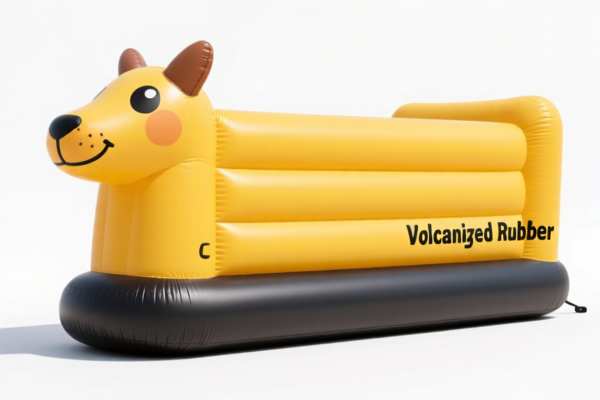
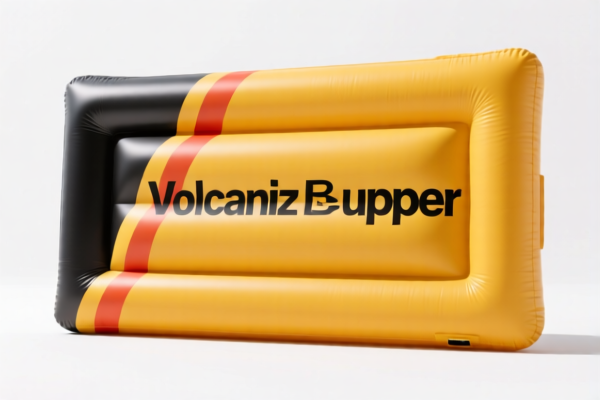
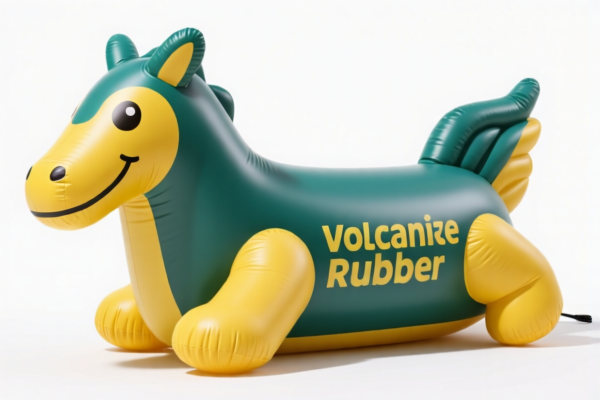
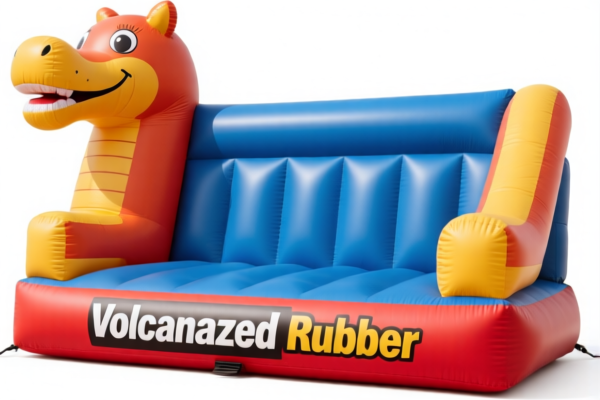
AI Analysis
🎈 Inflatable Sulfurated Rubber Advertising Model
🌐 HS Code Reference & Customs Clearance Guide | 2026 Latest Tariff Analysis | Strategic Import Strategy
📌 I. Product Definition & Classification: What Exactly is an "Inflatable Advertising Model"?
An Inflatable Sulfurated Rubber Advertising Model is a large-scale promotional tool used in marketing, events, and public displays. It consists of a balloon-like structure made from sulfurated rubber (a type of plastic/rubber composite) or synthetic fibers, inflated with air to create a 3D shape (often characters, logos, or abstract shapes).
In international trade, classification depends heavily on two factors: 1. Material Composition: Is it primarily plastic/rubber (Chapter 39) or textile/fabric (Chapter 59/63)? 2. End Use: Is it a decorative item for festivals/entertainment (Chapter 95) or a general industrial/commercial good?
⚠️ Key Distinction Point:
- If deemed a general plastic/rubber article not specifically listed elsewhere → Chapter 39
- If deemed a festive/entertainment decoration → Chapter 95
- Note: "Sulfurated Rubber" is often treated similarly to plastic goods in HS classification if processed into molded or sheet forms for advertising.
📦 II. HS Code Classification Details (2026 Latest Tariff Authority Comparison)
Based on the provided data, here are the four potential HS Codes and their logical deductions.
| HS Code | Product Description | Logic/Matching Basis | Est. Total Tax Rate |
|---|---|---|---|
3926.90.99.89 |
Other articles of plastics and articles of other materials of headings 3901 to 3914 | Material Match: Infers material as plastic/synthetic fiber (fits 3901-3914 characteristics). Category: "Other" item not specifically listed in subheadings. | 22.8% |
9505.90.60.00 |
Articles for festive, carnival or other entertainment purposes | Use Match: Advertisements models are decorative/display items for entertainment/promotion. Material: Inflatable models usually made of plastic/nylon; no conflict with "Other" category under this heading. | 10.0% |
9505.10.50.20 |
Christmas goods - Other | Use Match: Falls under "Christmas goods - Other" catch-all. Inflatable ad models can reasonably be inferred as festive/entertainment decorations if no material conflict exists. | 10.0% |
3926.90.75.00 |
Other articles of plastics: Inflatable articles | Form Match: Fits the "Inflatable Article" characteristic. Material: Infers plastic-based (fits 3901-3914) via common sense of "Ad Models." | 14.2% |
🔍 Critical Insight:
-3926.90.99.89focuses on Material (Plastic/Rubber) but is the highest tax rate (22.8%).
-9505.90.60.00focuses on Use (Entertainment/Decoration) and offers a significantly lower tax rate (10.0%).
-9505.10.50.20is a niche fit for Christmas/Festive specific items, also at 10.0%, but may be too narrow if the model is used year-round.
-3926.90.75.00is the specific "Inflatable Articles" subcategory within plastics, offering a middle-ground tax rate (14.2%).
💰 III. 2026 Latest Tariff Rate Details (Including Additional Duties)
✅ Applicable Country: United States (US)
✅ Origin: China (CN)
✅ Effective Time: Post-2025 Policies (Including Section 301 & IEEPA)
🎯 1. 3926.90.99.89 —— Other Articles of Plastics (General)
| Item | Detail |
|---|---|
| Base Tariff | 5.3% |
| Section 301 Additional Tariff | 7.5% |
| Section 122 Tariff | 10% |
| Total Tax Rate | 22.8% |
| Calculation | CIF Value × 22.8% |
| De Minimis Exemption | ❌ Not Eligible (Subject to high duties) |
| Legal Basis | Base HTS → Section 301 Footnote → Section 122 Executive Order |
📌 Analysis:
- This code treats the product as a general plastic good.
- The combination of base tariff + 301 tariffs + Section 122 adds up significantly.
- Risk: If the product is clearly for entertainment/decoration, this classification is suboptimal due to higher costs.
🎯 2. 9505.90.60.00 —— Articles for Festive/Carnival/Entertainment (Other)
| Item | Detail |
|---|---|
| Base Tariff | 0.0% |
| Section 301 Additional Tariff | 0.0% |
| Section 122 Tariff | 10% |
| Total Tax Rate | 10.0% |
| Calculation | CIF Value × 10.0% |
| De Minimis Exemption | ❌ Not Eligible (Section 122 applies) |
| Legal Basis | HTS 9505 → Section 122 Executive Order |
📌 Analysis:
- Most Cost-Effective Option for general inflatable ads.
- Base rate is 0%, so only the 10% Section 122 tariff applies.
- Justification: Argue that the primary function is promotional display/entertainment decoration, not industrial use.
- Condition: Ensure customs accepts that "advertising model" falls under "festive/entertainment" rather than "industrial signage."
🎯 3. 9505.10.50.20 —— Christmas Goods (Other)
| Item | Detail |
|---|---|
| Base Tariff | 0.0% |
| Section 301 Additional Tariff | 0.0% |
| Section 122 Tariff | 10% |
| Total Tax Rate | 10.0% |
| Calculation | CIF Value × 10.0% |
| De Minimis Exemption | ❌ Not Eligible |
| Legal Basis | HTS 9505.10 → Section 122 Executive Order |
📌 Analysis:
- Same tax rate as9505.90.60.00.
- Risk: This code is specific to Christmas goods.
- Advice: Only use if the inflatable model is explicitly for holiday decoration (e.g., Santa Claus, Christmas trees). Using it for year-round corporate branding may lead to customs rejection or reclassification.
🎯 4. 3926.90.75.00 —— Inflatable Articles of Plastics
| Item | Detail |
|---|---|
| Base Tariff | 4.2% |
| Section 301 Additional Tariff | 0.0% |
| Section 122 Tariff | 10% |
| Total Tax Rate | 14.2% |
| Calculation | CIF Value × 14.2% |
| De Minimis Exemption | ❌ Not Eligible |
| Legal Basis | HTS 3926.90.75 → Section 122 Executive Order |
📌 Analysis:
- Middle Ground Option.
- Lower base tariff than general plastic (3926.90.99.89) but higher than festive goods.
- Justification: Strong focus on the "Inflatable" physical characteristic.
- Advantage: Less subjective than "festive" classification; more objective than "other plastic."
🛠️ IV. Customs Clearance Practical Advice (Avoiding Pitfalls)
✅ 1. Document Preparation Checklist (Non-Negotiable)
| Document | Must Provide | Explanation |
|---|---|---|
| ✅ Product Photos | ✔️ | Clear images of the inflatable model, showing shape, size, and inflation port. |
| ✅ Material Specification | ✔️ | Confirm if "Sulfurated Rubber" is classified as plastic or rubber in your technical docs. |
| ✅ Commercial Invoice | ✔️ | Must clearly state: "Inflatable Advertising Model, For Decorative/Promotional Use, Material: Plastic/Rubber." |
| ✅ Usage Declaration | ✔️ | Explain if it's for year-round branding or seasonal/festive events. This drives HS code selection (9505 vs 3926). |
| ✅ Packing List | ✔️ | Show how it's packed (deflated state) to prove it's a single unit. |
✅ 2. Declaration Strategy (Key Rules)
🔥 "Function Over Form, Use Over Material!"
| Scenario | Recommended HS Code | Reasoning |
|---|---|---|
| Year-Round Corporate Logo | 3926.90.75.00 or 3926.90.99.89 |
Not strictly "festive." Best to highlight Inflatable nature (3926.90.75.00) for moderate tax (14.2%). |
| Holiday/Seasonal Event | 9505.10.50.20 |
Explicitly for Christmas/Halloween/etc. Lowest risk of "wrong use" claim if seasonal. |
| General Entertainment/Display | 9505.90.60.00 |
Recommended. Broadest "Entertainment" category. Lowest tax (10%). Argue it's a "display item" for events. |
| Industrial/Safety Signage | 3926.90.99.89 |
If used for safety warnings or industrial zones, not decorative. High tax (22.8%). |
📌 Pro Tip:
Customs officers often look at the primary purpose. If you declare it as a "Plastic Inflatable Toy," it might go to9503. But as an "Advertising Model,"9505(Festive/Entertainment) or3926(Plastic Articles) are the main contenders.
✅ 3. Special Considerations
| Situation | Handling Advice |
|---|---|
| "Sulfurated Rubber" Ambiguity | Clarify in specs that it behaves like plastic (moldable, durable). If customs disputes, 3926 is the safer fallback than textile codes. |
| Section 122 Tariff | Note that all the above codes are subject to the 10% Section 122 tariff. No code avoids this currently for Chinese origin. |
| De Minimis | ❌ No Exemption: These items are generally excluded from de minimis (Section 321) due to high-duty classifications. Must pay taxes at border. |
🌍 V. Global Market Comparison (2026 Snapshot)
| Country/Region | Recommended HS Code | Est. Tariff (China Origin) | Certification Required | Notes |
|---|---|---|---|---|
| 🇺🇸 USA | 9505.90.60.00 |
10% (122 Tariff) | No special certs | Best for cost; argue entertainment use. |
| 🇺🇸 USA (Fallback) | 3926.90.75.00 |
14.2% (122 Tariff) | No special certs | Safer if "festive" argument is weak. |
| 🇪🇺 EU | 3926.90.99 |
4.5% + VAT | CE (if electrical, otherwise not) | No Section 122/301 equivalent. |
| 🇨🇳 China | 3926.90.99 |
5.3% | None | Import tax. |
📌 Conclusion:
- USA Market: The 10% rate via9505.90.60.00is the optimal strategy if you can justify "entertainment/decorative" use.
- Fallback: Use3926.90.75.00(14.2%) if customs rejects the "festive" classification.
- Avoid:3926.90.99.89(22.8%) unless no other classification fits.
📌 VI. Common Errors & Pitfalls (Lessons Learned)
❌ Error 1: Declaring as "Plastic Toy" (9503)
👉 Consequence: Customs may reject because "Advertising Model" is not a "toy" for children. Rejection leads to delays and potential reclassification to 3926 (higher tax).
✅ Fix: Use "Advertising Display Model" or "Promotional Inflatable."
❌ Error 2: Ignoring Section 122 Tariff
👉 Consequence: Underpaying by 10%. Customs will assess penalties and back taxes.
✅ Fix: Always include 10% Section 122 in cost calculations for US imports from China.
❌ Error 3: Using "Rubber" to avoid Plastic Duties
👉 Consequence: "Sulfurated Rubber" in this context is likely processed like plastic. Misclassifying as Chapter 40 (Rubber) may trigger scrutiny.
✅ Fix: Stick to Chapter 39 if it's molded/inflatable plastic-like material.
🎯 VII. Conclusion: Optimize Your Clearance, Maximize Profit!
🎯 Remember the Strategy:
🔹 "Entertainment Use = 10% Tax (
9505.90.60.00)"
🔹 "Inflatable Form = 14.2% Tax (3926.90.75.00)"
🔹 "General Plastic = 22.8% Tax (3926.90.99.89)"
🔹 Always pay the 10% Section 122 Tariff!
📌 Final Recommendation:
1. Primary Choice: Declare under 9505.90.60.00 with strong emphasis on decorative/entertainment purpose.
2. Documentation: Ensure invoices clearly state "Promotional Inflatable for Entertainment/Display."
3. Pre-Ruling: If shipping large volumes, consider applying for an Advance Ruling from US CBP to lock in the 9505 classification and avoid disputes.
📣 Act Now:
📞 Consult with a licensed customs broker.
📄 Prepare detailed product specs and usage descriptions.
🚀 Clear goods smoothly, save up to 12.8% in taxes compared to general plastic classification!
✨ Smart Classification Starts with Clear Intent!
💼 Your Profit Margin Depends on Accurate HS Codes!
Customer Reviews
About HS Code Classification
The Harmonized System (HS) is an internationally standardized nomenclature developed by the World Customs Organization (WCO) to classify traded products. Over 200 countries use the HS system as the basis for customs tariffs, trade statistics, and import/export regulations.
Each HS code follows a hierarchical structure:
- Chapter (2 digits) — Broad category of goods (e.g., Chapter 84: Machinery and Mechanical Appliances)
- Heading (4 digits) — More specific grouping within the chapter
- Subheading (6 digits) — Internationally standardized breakdown, used by all WCO member countries
- National subdivisions (8-10 digits) — Country-specific extensions for further classification, such as US HTSUS 10-digit codes
Correct HS code classification is essential for smooth customs clearance, accurate duty payment, and compliance with trade regulations. Misclassification can lead to customs delays, overpayment of duties, or penalties.
When importing from CN to US, the applicable tariff rates may include:
- Most-Favored-Nation (MFN) rate — The standard duty rate applied to WTO members
- General rate — Applied to countries without trade agreements
- Trade remedy duties — Additional tariffs such as Section 301 (anti-dumping), Section 232 (national security), or countervailing duties
The information provided on this page is for reference purposes only. For official classification, please consult with your local customs authority or a licensed customs broker.