Inflatable Sulfurated Rubber Fitness Ball
CN → US| HS Code | Tariff Rate | Origin | Destination | Doc |
|---|---|---|---|---|
| 4016996050 | 37.5% | CN | US | Official Doc |
| 4016950000 | 21.7% | CN | US | Official Doc |
| 9503000013 | 10.0% | CN | US | Official Doc |
| 9503000011 | 10.0% | CN | US | Official Doc |
| 9506628060 | 22.3% | CN | US | Official Doc |
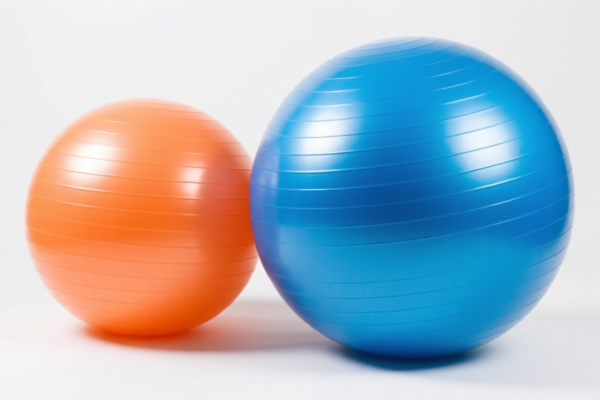
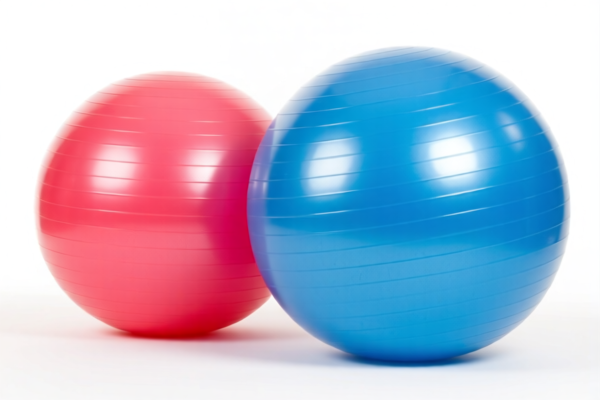
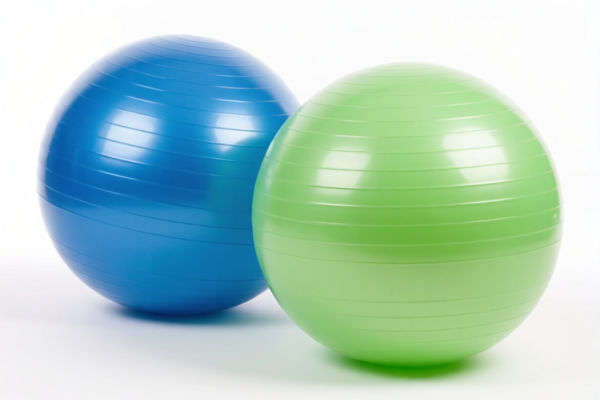
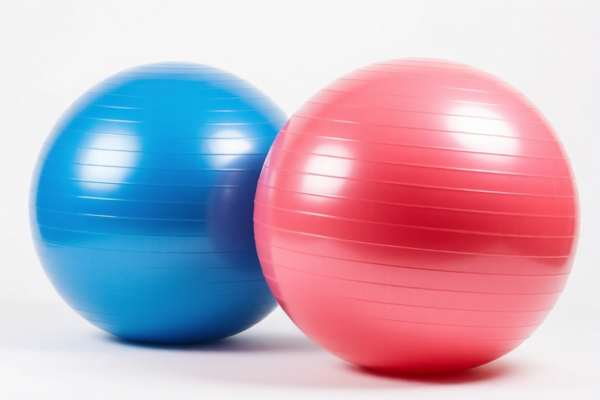
Product Images
AI Analysis
🏋️♂️ Inflatable Sulfurated Rubber Fitness Ball
🌐 HS Code Reference & Customs Clearance Guide | 2026 Latest Tariff Analysis | Strategic Compliance
📌 I. Product Definition & Classification: Do You Truly Understand the "Fitness Ball"?
An Inflatable Sulfurated Rubber Fitness Ball is a core component of modern home gyms, physical therapy, and yoga practices. In international trade, its classification is not obvious because it straddles the line between industrial rubber products and sports/toy goods. The key to correct classification lies in the material structure, specific use, and manufacturing process.
In the context of US imports (assuming origin: China), this product faces significant tariff variations depending on how the Harmonized System (HS) interprets its primary function.
⚠️ Critical Distinction:
- If the ball is deemed a general-purpose rubber article without a specific sport/toy designation →归入 Chapter 40 (High Tariff).
- If the ball is deemed a toy or sports equipment → 归入 Chapter 95 (Low/Zero Tariff).
- The difference in total tax can range from 10% to 37.5%!
📦 II. HS Code Classification Details (Based on Provided Data)
Below are the 5 possible HS Codes identified for "Inflatable Sulfurated Rubber Fitness Ball," ranked by potential tax efficiency and logical fit.
| HS Code | Product Description | Applicability/Logic | Total Tax Rate (China Origin) |
|---|---|---|---|
| 9503.00.00.13 | Rubber inflatable toys; meets material and use requirements | Best Fit for Toys: If marketed as a children's toy or general recreational inflatable, this code applies. | 10.0% |
| 9503.00.00.11 | Inflatable rubber toy; inferred as inflatable rubber toy based on common sense | Alternative Toy Code: Similar to above, often used for generic inflatable toys. | 10.0% |
| 9506.62.80.60 | Inflated ball items; sulfurated rubber material; outdoor game item use | Sports Equipment: If explicitly used for sports/games (e.g., dodgeball, playground use) rather than general fitness/exercise. | 22.3% |
| 4016.95.00.00 | Sulfurated rubber articles, inflatable form, complies with classification explanation | Industrial/General Rubber: If the ball does not clearly fit "toy" or "sports equipment" categories, it falls here as a general rubber good. | 21.7% |
| 4016.99.60.50 | Sulfurated rubber articles, inflatable form, no specific exclusive conflict | Fallback Category: Used when the specific use cannot be definitively categorized as toy or sport, leading to a broader rubber classification. | 37.5% |
🔍 Key Insight:
- The Cheapest Option is 9503.00.00.13/11 (10%), but it requires proving the item is a "toy."
- The Safest Option for serious fitness gear might be 4016.95.00.00 (21.7%) if it’s not a toy.
- The Most Expensive Risk is 4016.99.60.50 (37.5%) due to lack of specific functional definition.
💰 III. 2026 Latest Tariff Rate Breakdown (Including Additional Duties & Policy Surcharges)
✅ Applicable Country: United States (US)
✅ Origin: China (CN)
✅ Effective Date: Post-2025 November 10 (Includes subsequent imports)
🎯 1. 9503.00.00.13 & 9503.00.00.11 —— Inflatable Rubber Toys
Target Audience: Children, casual recreational users.
| Item | Content |
|---|---|
| Base Duty Rate | 0.0% (ad valorem) |
| Section 301 Additional Duty | 0.0% |
| Section 122 Duty (IEEPA) | +10% (Targeting China/HK products) |
| Total Tax Rate | 10.0% |
| Tax Calculation | CIF Value × 10% |
| De Minimis Exemption | ❌ Not Applicable (Subject to full duty) |
| Legal Basis Path | Section 122: 10% → HS: 9503.00.00.13/11 |
📌 Explanation:
- Base Duty: Toys generally have low base duties.
- Section 122: A recent punitive tariff specifically targeting certain Chinese imports.
- Total 10%: This is the most cost-effective classification if the product can be legitimized as a "toy."
🎯 2. 9506.62.80.60 —— Inflated Balls for Sports/Games
Target Audience: Outdoor sports, school PE, organized games.
| Item | Content |
|---|---|
| Base Duty Rate | 4.8% |
| Section 301 Additional Duty | +7.5% |
| Section 122 Duty (IEEPA) | +10% |
| Total Tax Rate | 22.3% |
| Tax Calculation | CIF Value × 22.3% |
| De Minimis Exemption | ❌ Not Applicable |
| Legal Basis Path | Base: 4.8% + Section 301: 7.5% + Section 122: 10% |
📌 Explanation:
- Base Duty: Sports equipment carries a moderate base duty.
- Section 301: Moderate surcharge for Chinese goods.
- Section 122: Additional 10% punitive tariff.
- Total 22.3%: A middle-ground option for genuine sports equipment.
🎯 3. 4016.95.00.00 —— Sulfurated Rubber Articles (Inflatable)
Target Audience: Industrial rubber goods, general-purpose inflatables.
| Item | Content |
|---|---|
| Base Duty Rate | 4.2% |
| Section 301 Additional Duty | +7.5% |
| Section 122 Duty (IEEPA) | +10% |
| Total Tax Rate | 21.7% |
| Tax Calculation | CIF Value × 21.7% |
| De Minimis Exemption | ❌ Not Applicable |
| Legal Basis Path | Base: 4.2% + Section 301: 7.5% + Section 122: 10% |
📌 Explanation:
- Base Duty: General rubber articles.
- Section 301: Same moderate surcharge.
- Section 122: Additional 10% punitive tariff.
- Total 21.7%: Slightly cheaper than the sports ball code due to a lower base rate, but carries higher risk if misclassified.
🎯 4. 4016.99.60.50 —— Other Sulfurated Rubber Articles
Target Audience: Generic rubber products with no specific use.
| Item | Content |
|---|---|
| Base Duty Rate | 2.5% |
| Section 301 Additional Duty | +25.0% |
| Section 122 Duty (IEEPA) | +10% |
| Total Tax Rate | 37.5% |
| Tax Calculation | CIF Value × 37.5% |
| De Minimis Exemption | ❌ Not Applicable |
| Legal Basis Path | Base: 2.5% + Section 301: 25.0% + Section 122: 10% |
📌 Explanation:
- Base Duty: Low base rate.
- Section 301: High surcharge (25%) applied to many rubber categories.
- Section 122: Additional 10% punitive tariff.
- Total 37.5%: Highest risk. Only use if no other category fits, but financially disastrous for high-value shipments.
🛠️ IV. Customs Clearance Practical Advice (Real-World Pitfall Guide)
✅ 1. Documentation Checklist (Essential)
| Document | Mandatory? | Explanation |
|---|---|---|
| ✅ Product Specs | ✔️ | Material: Sulfurated Rubber; Diameter; Pressure Rating; Weight. |
| ✅ Marketing Materials | ✔️ | Brochures showing usage (Yoga? Playground? Gym?) to support HS Code choice. |
| ✅ Composition Report | ✔️ | Prove "Sulfurated Rubber" content to rule out plastic/vinyl codes. |
| ✅ Commercial Invoice | ✔️ | Clearly state: "Inflatable Sulfurated Rubber Fitness Ball" + Intended Use. |
| ✅ Packing List | ✔️ | Include manual, pump, repair kit (if any) as part of the set. |
| ✅ Certifications | ✔️ | ASTM F963 (if toy), CPSC, or ISO 8337 (if sports equipment). |
✅ 2. Declaration Tips (Key Mantra)
🔥 “Use Defines Code, Material Supports Fact, Labeling Avoids Penalty!”
| Scenario | Correct Declaration | Wrong Practice |
|---|---|---|
| Sold as Yoga/Fitness Tool | 4016.95.00.00 or 9506.62.80.60 |
Mislabeling as "Toy" to save tax → Audit Risk |
| Sold as Children’s Play Item | 9503.00.00.13/11 |
Calling it "Fitness Equipment" → Misclassification |
| Generic Inflatable Ball | 4016.99.60.50 |
Vague description "Rubber Ball" → Delays/Fines |
| Set (Ball + Pump) | Declare as Set under primary character | Splitting invoice → Multiple Duties |
✅ 3. Special Situation Handling
| Situation | Handling Advice |
|---|---|
| OEM Branding | Ensure packaging aligns with the declared HS Code (e.g., toy images for 9503). |
| Dual-Use Product | If used for both yoga and play, choose the lowest legal rate that is defensible. 9503 is risky for adult fitness; 4016 is safer. |
| Material Verification | If the ball contains PVC or TPU instead of sulfurated rubber, all codes above are invalid. You must reclassify. |
| Pre-Ruling | For large volume shipments, apply for a Binding Tariff Ruling from US CBP to lock in the HS Code and avoid retroactive duties. |
🌍 V. Global Market Comparison (2026 Latest)
| Country/Region | Recommended HS Code | Tariff (China Origin) | Notes |
|---|---|---|---|
| 🇺🇸 USA | 9503.00.00.13 (if toy) |
10.0% | Section 122 applies. Avoid 4016.99 (37.5%). |
| 🇺🇸 USA | 4016.95.00.00 (if rubber) |
21.7% | Safe fallback for fitness equipment. |
| 🇨🇳 China | 4016.99.90.90 |
2.5% - 4.2% | Export from China has lower duties. |
| 🇪🇺 EU | 9506.62.00 |
0% | No Section 301/122 equivalents. |
| 🇬🇧 UK | 9506.62.00 |
0% | Post-Brexit independent tariffs. |
📌 Conclusion:
- The US market is the most critical due to Section 301 and Section 122 tariffs.
- European markets offer significantly lower duty burdens for similar goods.
- Optimization Strategy: If marketing to the US, consider positioning the product as a "Recreational Toy" (9503) to achieve 10% tax, provided it is safe for children and labeled accordingly. If it is strictly professional fitness gear, accept the 21.7% (4016.95) or 22.3% (9506) rate.
📌 VI. Common Errors & Pitfall Guide (Lessons Learned)
❌ Error 1: Classifying a serious yoga ball as a "Toy" to save tax
👉 Consequence: If CBP inspects and finds it’s clearly for adult fitness (e.g., anti-burst, weight-rated for 300lbs), they will reclassify to 4016 or 9506 + penalties.
❌ Error 2: Using 4016.99.60.50 without justification
👉 Consequence: 37.5% tax is unnecessarily high. Always check if 4016.95 (21.7%) applies first.
❌ Error 3: Ignoring Section 122 Tariff
👉 Consequence: Many importers forget the 10% IEEPA surcharge, leading to unexpected bills at customs.
❌ Error 4: Vague Description "Rubber Ball"
👉 Consequence: Customs may assign a default high-duty code or hold the shipment for additional information.
✅ Correct Practice:
"Inflatable Sulfurated Rubber Fitness Ball, 65cm Diameter, Anti-Burst, for Yoga/Exercise, Model YG-65"
OR
"Inflatable Rubber Play Ball, Multi-Color, For Outdoor Recreation, ASTM Compliant"
🎯 VII. Conclusion: Professional Declaration, Cost Efficiency, Compliance!
🎯 Remember the Mantra:
🔹 "Toy = 10%, Sport = 22%, Rubber = 22%, Fallback = 37.5%."
🔹 "HS Code decides your profit margin; a 10% difference is huge!"
📌 Pro Tip:
If your fitness ball is originating from Vietnam, Mexico, or Thailand, you may be exempt from Section 301 (25% or 7.5%) and possibly Section 122.
👉 Recommendation: Always check the Country of Origin rules. If you can source or assemble outside China, tax savings can exceed 20%.
📣 Immediate Action:
📞 Consult a licensed customs broker + Provide product photos + Apply for HS Code Pre-Ruling if volume is high.
🚀 Ensure your Inflatable Sulfurated Rubber Fitness Ball clears customs smoothly, efficiently, and profitably!
✨ Professional Customs Clearance Starts with Accurate Classification!
💼 Every dollar of tax saved is pure profit!
Customer Reviews
About HS Code Classification
The Harmonized System (HS) is an internationally standardized nomenclature developed by the World Customs Organization (WCO) to classify traded products. Over 200 countries use the HS system as the basis for customs tariffs, trade statistics, and import/export regulations.
Each HS code follows a hierarchical structure:
- Chapter (2 digits) — Broad category of goods (e.g., Chapter 84: Machinery and Mechanical Appliances)
- Heading (4 digits) — More specific grouping within the chapter
- Subheading (6 digits) — Internationally standardized breakdown, used by all WCO member countries
- National subdivisions (8-10 digits) — Country-specific extensions for further classification, such as US HTSUS 10-digit codes
Correct HS code classification is essential for smooth customs clearance, accurate duty payment, and compliance with trade regulations. Misclassification can lead to customs delays, overpayment of duties, or penalties.
When importing from CN to US, the applicable tariff rates may include:
- Most-Favored-Nation (MFN) rate — The standard duty rate applied to WTO members
- General rate — Applied to countries without trade agreements
- Trade remedy duties — Additional tariffs such as Section 301 (anti-dumping), Section 232 (national security), or countervailing duties
The information provided on this page is for reference purposes only. For official classification, please consult with your local customs authority or a licensed customs broker.