Inflatable Sulfurated Rubber Massage Ball
CN → US| HS Code | Tariff Rate | Origin | Destination | Doc |
|---|---|---|---|---|
| 9019102050 | 10.0% | CN | US | Official Doc |
| 3926907500 | 14.2% | CN | US | Official Doc |
| 3926909989 | 22.8% | CN | US | Official Doc |
Product Images

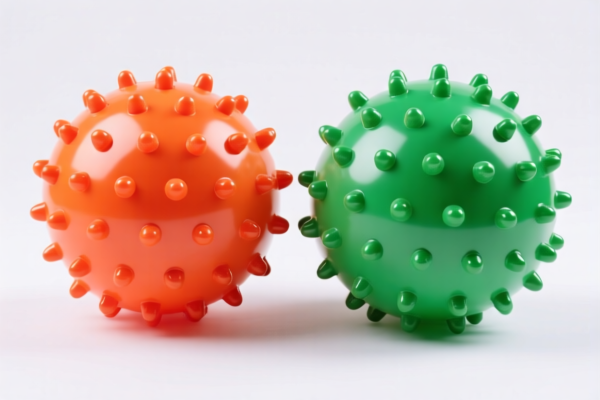
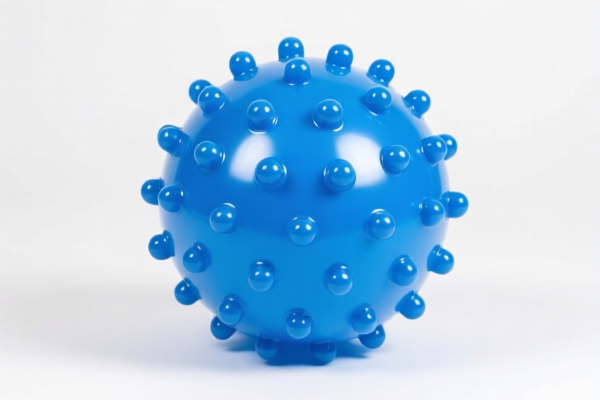
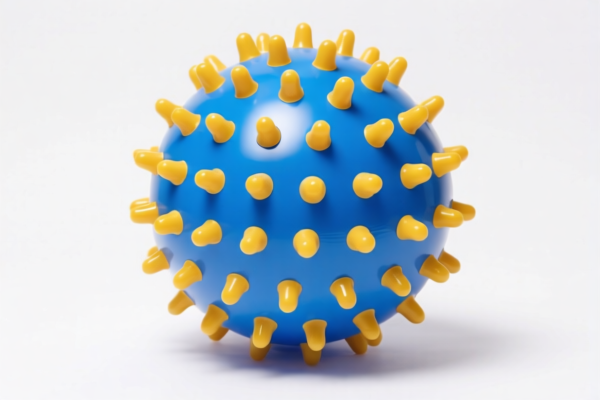
AI Analysis
🌟 Inflatable Sulfurated Rubber Massage Ball
🌐 HS Code Classification & Customs Clearance Guide | 2026 Latest Tariff Analysis | Expert Compliance Strategy
📌 One Product, Three Key HS Codes – Know the Difference!
📦 一、Product Definition & Classification: What Is This "Inflatable Sulfurated Rubber Massage Ball"?
This is a non-electric, inflatable massage device designed for therapeutic use—commonly used for foot, back, or muscle relief. Despite its name mentioning "sulfurated rubber," the key characteristics are:
- ✅ Inflatable → implies air-filled structure
- ✅ Non-electric → no motors, batteries, or electronic components
- ✅ Rubber-like material → typically synthetic rubber or PVC-based plastic
- ✅ Used for massage → functional purpose aligns with health & wellness devices
⚠️ Critical Insight:
- "Sulfurated rubber" is a processing term (vulcanization), not a material classification.
- In practice, such products are rarely pure rubber; most use PVC or thermoplastic elastomers (TPE) for flexibility and durability.
- The primary function (massage) and non-electric form drive the HS code selection.
🔍 二、HS Code Breakdown (2026 Official Tariff Reference)
| HS Code | Product Description | Why This Code Applies | Material Match? |
|---|---|---|---|
9019.10.20.50 |
Other massage devices, non-electric | Matches purpose (massage), form (non-electric), no motor | ✅ Plastic/Rubber (compatible) |
3926.90.75.00 |
Other inflatable plastic articles | Matches "inflatable" + plastic/PVC material | ✅ PVC/Plastic (strong match) |
3926.90.99.89 |
Other plastic articles (not elsewhere specified) | Fits non-standard plastic inflatable, not covered by specific subheadings | ✅ Plastic/PVC (ideal fit) |
📌 Key Takeaway:
Three codes are valid, but only one should be used per shipment.
The correct choice depends on how you declare it and which authority reviews it.
💰 三、2026 Latest Tariff Breakdown (US Focus – China Origin)
🎯 1. 9019.10.20.50 – Other Massage Devices (Non-Electric)
| Item | Detail |
|---|---|
| Base Duty | 0.0% |
| Additional Tariff (Section 301) | 0.0% |
| Section 122 Tariff | 10.0% |
| Total Effective Duty | 10.0% |
| Tax Calculation | CIF Value × 10.0% |
| De Minimis Threshold | ✅ Yes (5%) → If value < $800, no duty |
| Legal Basis Path | 9019.10.20.50 → Section 122: 19 U.S.C. § 122 |
📌 Why This Applies:
- The primary function is massage → fits under "other massage devices"
- No electric components → excludes higher-taxed electronic devices
- "Sulfurated rubber" is not a barrier—plastic/rubber is acceptable under this category
🎯 2. 3926.90.75.00 – Inflatable Plastic Articles
| Item | Detail |
|---|---|
| Base Duty | 4.2% |
| Additional Tariff (Section 301) | 0.0% |
| Section 122 Tariff | 10.0% |
| Total Effective Duty | 14.2% |
| Tax Calculation | CIF Value × 14.2% |
| De Minimis Threshold | ✅ Yes (5%) → Still eligible for exemption if under $800 |
| Legal Basis Path | 3926.90.75.00 → Section 122: 19 U.S.C. § 122 |
📌 Why This Applies:
- "Inflatable" is explicitly mentioned in the subheading
- PVC/Plastic is the standard material for such items
- Strong match with form + material → preferred for physical product classification
🎯 3. 3926.90.99.89 – Other Plastic Articles (Unspecified)
| Item | Detail |
|---|---|
| Base Duty | 5.3% |
| Additional Tariff (Section 301) | 7.5% |
| Section 122 Tariff | 10.0% |
| Total Effective Duty | 22.8% |
| Tax Calculation | CIF Value × 22.8% |
| De Minimis Threshold | ❌ No (5%) → Over $800 = full duty |
| Legal Basis Path | 3926.90.99.89 → Section 301: 19 U.S.C. § 3516 → Section 122: 19 U.S.C. § 122 |
📌 Why This Applies:
- Used when the product doesn’t fit specific subheadings
- "Other plastic articles" is a catch-all for non-standard items
- Highest risk due to Section 301 + Section 122 combo
- Not recommended unless no better fit exists
🛠️ 四、Customs Clearance Best Practices (Pro Tips for Smooth Entry)
✅ 1. Required Documentation (Must-Have)
| Document | Required? | Why It Matters |
|---|---|---|
| ✅ Commercial Invoice | ✔️ | Must state: "Inflatable Massage Ball, Non-Electric, Made of PVC/Rubber" |
| ✅ Product Photos (360°) | ✔️ | Show inflation, texture, size, brand label |
| ✅ Material Safety Report (e.g., REACH, RoHS) | ✔️ | Prove non-toxic, compliant materials |
| ✅ Packing List | ✔️ | Show count, weight, dimensions |
| ✅ Certificate of Origin (CO) | ✔️ | If from China → triggers Section 301 |
| ✅ Test Report (e.g., ASTM F2090 for inflatable toys) | ✔️ | For safety compliance |
✅ 2.申报策略(申报技巧)
🔥 "Match the Function, Not the Name!"
| Scenario | Correct HS Code | Why |
|---|---|---|
| You emphasize "massage" | 9019.10.20.50 |
Best for purpose-driven classification |
| You emphasize "inflatable" + "plastic" | 3926.90.75.00 |
Best for form + material match |
| You have no clear subheading fit | 3926.90.99.89 |
Only if no better option exists |
⚠️ Avoid This Mistake:
- Don’t say "rubber ball" → triggers higher scrutiny
- Say "inflatable massage ball made of PVC" → more precise, less risk
✅ 3. Risk Mitigation Tips
| Risk | Solution |
|---|---|
Over $800 shipment → 3926.90.99.89 triggers 22.8% duty |
Use 9019.10.20.50 or 3926.90.75.00 → lower rate |
| Section 301 tariff applies | If origin is Vietnam, Mexico, Thailand, or Malaysia, apply for IEEPA exemption |
| Customs delays | Submit Advance Ruling Request (ARR) for pre-approval |
| Incorrect HS Code | Use HS Code pre-ruling to avoid penalties |
🌍 Five Global Markets Comparison (2026)
| Country | Recommended HS Code | Base Duty | Additional Tariffs | Notes |
|---|---|---|---|---|
| 🇺🇸 USA | 9019.10.20.50 or 3926.90.75.00 |
0%–4.2% | +10% (Section 122) | China origin → 10%–14.2% |
| 🇨🇳 China | 9019.10.20.50 |
5% | None | No Section 122 |
| 🇪🇺 EU | 9019.10.20.50 |
0% | None | CE marking required |
| 🇦🇺 Australia | 3926.90.75.00 |
5% | None | RCM compliance |
| 🇯🇵 Japan | 3926.90.75.00 |
0% | None | PSE certification |
📌 Insight:
- USA has the highest risk due to Section 122 + Section 301
- China, EU, Japan, Australia are much safer for export
🚨 Five Common Mistakes (And How to Avoid Them)
❌ Mistake 1: Using 3926.90.99.89 without justification
👉 Fix: Only use this if no better fit exists → always check 3926.90.75.00 first
❌ Mistake 2: Declaring as "rubber ball" → triggers higher scrutiny
👉 Fix: Use "inflatable massage ball made of PVC" → clearer, safer
❌ Mistake 3: Not checking de minimis (under $800)
👉 Fix: If under $800, 9019.10.20.50 or 3926.90.75.00 = duty-free
❌ Mistake 4: No material proof → customs may reject classification
👉 Fix: Provide material test report or supplier certificate
❌ Mistake 5: Ignoring origin country
👉 Fix: If from Vietnam/Mexico, apply for IEEPA exemption → 0% duty
🎯 Final Verdict: Which HS Code Should You Use?
✅ Best Choice:
9019.10.20.50– Lowest risk, lowest duty (10%), matches purpose
✅ Alternative:3926.90.75.00– Best for form + material, 14.2% duty
❌ Avoid:3926.90.99.89– 22.8%, high risk, only for "last resort"
📌 Summary: Quick Decision Flowchart
Is it a massage device? → YES → Use 9019.10.20.50 (10% duty)
↓
Is it inflatable + plastic? → YES → Use 3926.90.75.00 (14.2% duty)
↓
If no clear fit → Use 3926.90.99.89 (22.8% — only if necessary)
📣 Pro Tip: Get a Pre-Ruling!
📞 Apply for an Advance Ruling (ARR) from U.S. Customs before shipment
✅ Guarantees correct HS code
✅ Avoids penalties, delays, or seizures
✅ Saves thousands in potential overpayment
🌟 Final Words: Precision Pays Off!
🎯 Remember:
🔹 "Function over name" → don’t let “sulfurated rubber” confuse you
🔹 "Inflatable + plastic" → points to3926.90.75.00
🔹 "Massage device" → points to9019.10.20.50
🔹 Avoid3926.90.99.89unless absolutely necessary
📌 Your Move:
✅ Choose the right HS Code
✅ Use the correct documentation
✅ Apply for pre-ruling if over $800
✅ Export from non-China countries if possible
🚀 Your Inflatable Massage Ball Can Cross Borders Smoothly – If You Classify It Right!
✨ Professional Customs, Starts with the Right HS Code!
💼 Every dollar saved begins with a precise classification!
Customer Reviews
About HS Code Classification
The Harmonized System (HS) is an internationally standardized nomenclature developed by the World Customs Organization (WCO) to classify traded products. Over 200 countries use the HS system as the basis for customs tariffs, trade statistics, and import/export regulations.
Each HS code follows a hierarchical structure:
- Chapter (2 digits) — Broad category of goods (e.g., Chapter 84: Machinery and Mechanical Appliances)
- Heading (4 digits) — More specific grouping within the chapter
- Subheading (6 digits) — Internationally standardized breakdown, used by all WCO member countries
- National subdivisions (8-10 digits) — Country-specific extensions for further classification, such as US HTSUS 10-digit codes
Correct HS code classification is essential for smooth customs clearance, accurate duty payment, and compliance with trade regulations. Misclassification can lead to customs delays, overpayment of duties, or penalties.
When importing from CN to US, the applicable tariff rates may include:
- Most-Favored-Nation (MFN) rate — The standard duty rate applied to WTO members
- General rate — Applied to countries without trade agreements
- Trade remedy duties — Additional tariffs such as Section 301 (anti-dumping), Section 232 (national security), or countervailing duties
The information provided on this page is for reference purposes only. For official classification, please consult with your local customs authority or a licensed customs broker.