Inflatable Sulfurated Rubber Test Airbag
CN → US| HS Code | Tariff Rate | Origin | Destination | Doc |
|---|---|---|---|---|
| 9031808085 | 35.0% | CN | US | Official Doc |
| 9031200000 | 36.7% | CN | US | Official Doc |
| 4016950000 | 21.7% | CN | US | Official Doc |
| 4016100000 | 35.0% | CN | US | Official Doc |
| 3926907500 | 14.2% | CN | US | Official Doc |
Product Images
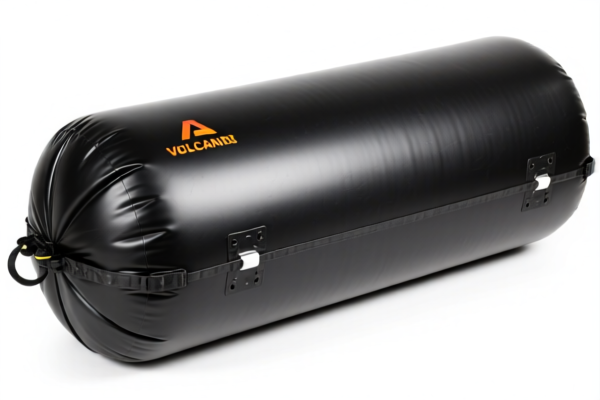
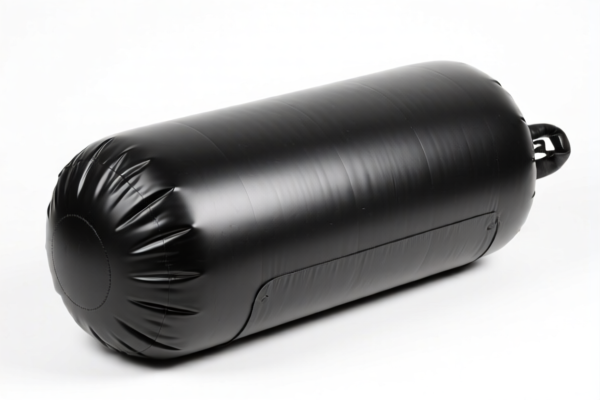
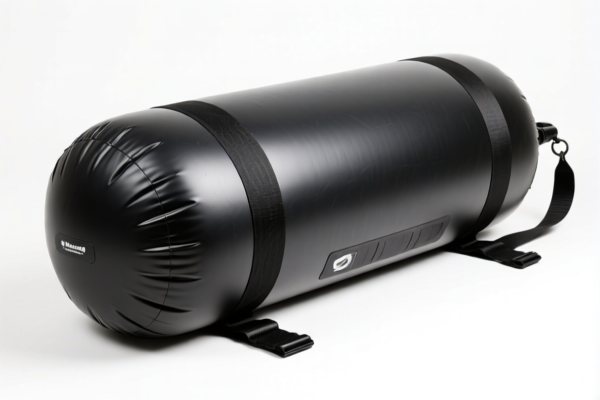
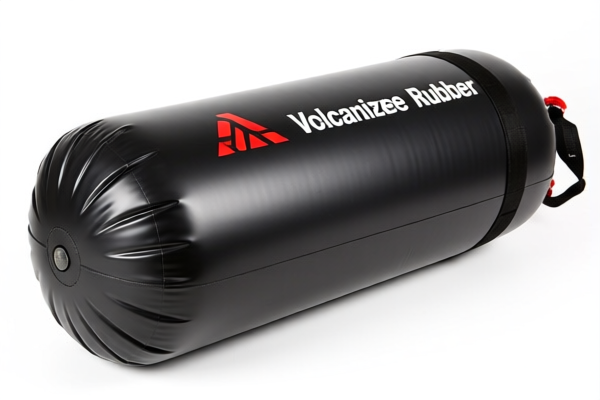
AI Analysis
🎈 Inflatable Sulfurated Rubber Test Airbag
🌐 HS Code Reference & Customs Clearance Guide | 2024 Latest Tariff Analysis | Professional Clearance Strategy
📌 I. Product Definition & Classification: Do You Really Understand "Inflatable Sulfurated Rubber"?
The "Inflatable Sulfurated Rubber Test Airbag" refers to devices made from vulcanized (sulfurated) rubber that are designed to expand with air/gas for testing purposes (e.g., pressure testing, leak detection, or mechanical simulation). In international trade, rubber products are strictly classified based on their structure (cellular vs. solid), material (plastic vs. rubber), and specific use.
⚠️ Key Distinction Points:
- Vulcanized Rubber (Sulfurated) vs. Plastics: Although both can be inflatable, "sulfurated rubber" falls under Chapter 40, while general inflatable items made of synthetic polymers fall under Chapter 39.
- Cellular Rubber vs. Solid Rubber: Cellular rubber has a foam-like structure (high porosity). Solid rubber is dense and non-porous. This distinction drastically changes the HS Code and tax rate.
- Inflatable Articles: If the item is an "inflatable article," it must be identified specifically. If no specific "inflatable article" category exists in the rubber section, it may fall under "Other."
📦 II. HS Code Classification Details (2024 Latest Tariff Authority Comparison)
Based on the provided data, here are the five possible HS Codes relevant to this product, along with their specific tax implications.
| HS Code | Product Description | Applicable Scenario | Key Characteristics |
|---|---|---|---|
4016.95.00.00 |
Other articles of vulcanized rubber: Other inflatable articles | Rubber airbags, inflatable rubber seals, rubber test balloons | ✅ Vulcanized Rubber, ✅ Inflatable, ❌ Not Cellular |
4016.10.00.00 |
Other articles of vulcanized rubber: Of cellular rubber | Inflatable mats, foam rubber rings, porous rubber inflatables | ✅ Vulcanized Rubber, ✅ Cellular (Foam-like) |
9031.80.80.85 |
Measuring/checking instruments: Other instruments, appliances and machines: Other | Precision pressure test rigs, specialized testing frames, non-standard checkers | ❌ Not a simple article; implies complex machinery/instrument |
9031.20.00.00 |
Measuring/checking instruments: Test benches | Dedicated test benches for measuring force/pressure, structural test rigs | ❌ Fixed Test Equipment; complex mechanical setup |
3926.90.75.00 |
Other articles of plastics: Pneumatic mattresses and other inflatable articles | Inflatable items made of plastic (not rubber), pneumatic mats | ❌ Plastic Material; ❌ Not Rubber |
🔍 Critical Note:
- If the airbag is made of solid vulcanized rubber (dense, non-foam), it likely falls under4016.95.00.00.
- If the rubber has a foam/cellular structure, it falls under4016.10.00.00.
- If the item is a complex testing machine that includes the airbag as a component but is primarily a "test bench," it might be classified under9031.20.00.00or9031.80.80.85, but this is less likely for a standalone "airbag."
- If the material is actually plastic (mislabelled as rubber), it falls under3926.90.75.00.
💰 III. 2024 Latest Tariff Rate Details (Including Additional Taxes)
✅ Applicable Country: United States (US)
✅ Origin: China (CN)
✅ Effective Time: Current trade war policies (Section 301 & IEEPA) apply.
🎯 1. 4016.95.00.00 —— Other Inflatable Articles of Vulcanized Rubber (Solid)
| Item | Content |
|---|---|
| Base Tariff | 0.0% (ad valorem) |
| Section 301 Additional Tariff | 0.0% |
| Total Tax Rate | 0.0% |
| Tax Calculation | CIF Value × 0% = $0 |
| De Minimis Exemption | ✅ Eligible (if value < $800) |
| Legal Basis | HTSUS 4016.95.00.00 |
📌 Explanation:
- This is the most favorable classification for "other" rubber inflatable articles.
- Unlike many other rubber goods, inflatable articles in this specific subheading currently face 0% additional tariffs.
- Strategy: Ensure the product is described as "Vulcanized Rubber Inflatable Article" and NOT "Cellular Rubber" to avoid the 25% tax.
🎯 2. 4016.10.00.00 —— Other Articles of Vulcanized Rubber: Of Cellular Rubber
| Item | Content |
|---|---|
| Base Tariff | 0.0% |
| Section 301 Additional Tariff | +25.0% |
| Total Tax Rate | 25.0% |
| Tax Calculation | CIF Value × 25% |
| De Minimis Exemption | ❌ Not Eligible (Section 301 goods generally exclude de minimis) |
| Legal Basis | HTSUS 4016.10.00.00 + USITC Footnote 9903.88.01 |
📌 Explanation:
- High Risk: If the rubber has any foam-like or cellular structure, the tax jumps to 25%.
- Strategy: If possible, prove the material is solid/vulcanized (non-cellular) to use4016.95.00.00.
🎯 3. 9031.80.80.85 —— Other Measuring/Checking Instruments (Other)
| Item | Content |
|---|---|
| Base Tariff | 0.0% |
| Section 301 Additional Tariff | +25.0% |
| Total Tax Rate | 25.0% |
| Tax Calculation | CIF Value × 25% |
| De Minimis Exemption | ❌ Not Eligible |
| Legal Basis | HTSUS 9031.80.80.85 |
📌 Explanation:
- Only applies if the airbag is part of a complex instrument that measures/ checks other things.
- If it's just a standalone airbag, this classification is incorrect and will lead to penalties.
🎯 4. 9031.20.00.00 —— Test Benches
| Item | Content |
|---|---|
| Base Tariff | 1.7% |
| Section 301 Additional Tariff | +25.0% |
| Total Tax Rate | 26.7% |
| Tax Calculation | CIF Value × 26.7% |
| De Minimis Exemption | ❌ Not Eligible |
| Legal Basis | HTSUS 9031.20.00.00 |
📌 Explanation:
- Applies only if the item is a fixed test bench (mechanical frame + control system + airbag).
- A standalone "airbag" does not qualify.
🎯 5. 3926.90.75.00 —— Other Articles of Plastics: Inflatable Articles
| Item | Content |
|---|---|
| Base Tariff | 0.0% |
| Section 301 Additional Tariff | 0.0% |
| Total Tax Rate | 0.0% |
| Tax Calculation | CIF Value × 0% = $0 |
| De Minimis Exemption | ✅ Eligible |
| Legal Basis | HTSUS 3926.90.75.00 |
📌 Explanation:
- If the material is plastic (e.g., PVC, TPU) and not rubber, this is a zero-tax option.
- Caution: Misdeclaring rubber as plastic is customs fraud. Only use if the material is genuinely plastic.
🛠️ IV. Customs Clearance Practical Advice (Avoid Pitfalls)
✅ 1. Preparation Checklist (Must-Have Documents)
| Document | Required | Explanation |
|---|---|---|
| ✅ Material Composition Certificate | ✔️ | Must specify "Vulcanized Rubber" vs. "Cellular Rubber" vs. "Plastic". |
| ✅ Product Photos | ✔️ | Clear images showing the texture (solid vs. foam) and structure. |
| ✅ Bill of Lading/Invoice | ✔️ | Must clearly state: "Inflatable Airbag, Vulcanized Rubber, Solid" or "Cellular". |
| ✅ Test Report | ✔️ | If claiming it's an "instrument" (9031), provide proof of measurement capability. |
✅ 2. Declaration Strategy (Key Mantra)
🔥 “Rubber Inflatable, Check Structure: Solid = 0%, Cellular = 25%!”
| Scenario | Correct HS Code | Tax Rate | Error Consequence |
|---|---|---|---|
| Solid Rubber Inflatable | 4016.95.00.00 |
0.0% | Misdeclaring as Cellular → +25% |
| Foam/Cellular Rubber Inflatable | 4016.10.00.00 |
25.0% | None (Tax is correct) |
| Plastic Inflatable | 3926.90.75.00 |
0.0% | Misdeclaring Plastic as Rubber → Fraud Penalty |
| Test Bench Machine | 9031.20.00.00 |
26.7% | Misdeclaring Machine as Article → Delay/Seizure |
✅ 3. Special Case Handling
| Situation | Handling Advice |
|---|---|
| Hybrid Material | If the airbag has rubber seals and plastic body, declare the essential character component. |
| OEM Custom Part | Provide customer drawings to prove it's a "part" for a larger machine, potentially changing classification. |
| "Test Airbag" Name | Avoid using "Test Instrument" in the title if it's just a rubber bag. Use "Inflatable Rubber Dam" or "Pressure Test Bag" to avoid being misclassified as a measuring instrument (9031). |
🌍 V. Global Market Comparison (2024 Latest)
| Country/Region | Recommended HS Code | Tariff | Certification | Notes |
|---|---|---|---|---|
| 🇺🇸 USA | 4016.95.00.00 |
0.0% | None | Best for solid rubber inflatables. |
| 🇺🇸 USA | 4016.10.00.00 |
25.0% | None | High tax for cellular rubber. |
| 🇪🇺 EU | 4016.95.00 |
Varies | CE (if safety critical) | EU may apply different rubber rules. |
| 🇨🇳 China | 4016.95.00 |
5-10% | CCC (if applicable) | Export to US faces 0% if solid. |
📌 Conclusion:
- For US Importers, ensuring the rubber is Solid (Non-Cellular) is critical to achieving 0% tariff.
- Cellular Rubber incurs a 25% surcharge, significantly impacting cost.
- Plastic alternatives also enjoy 0% tariff, but material integrity must be verified.
📌 VI. Common Mistakes & Pitfalls (Blood Lessons)
❌ Mistake 1: Declaring "Cellular Rubber" as "Solid Rubber"
👉 Consequence: Customs inspection reveals foam structure → 25% back-tax + Penalty.
❌ Mistake 2: Using "Test Instrument" name for a simple rubber bag
👉 Consequence: Customs classifies as 9031.20.00.00 → 26.7% tax instead of 0%.
❌ Mistake 3: Ignoring "Vulcanized" vs. "Plastic"
👉 Consequence: If it's plastic, declaring as rubber may lead to duty rate mismatches if rubber tariffs change in the future.
✅ Correct Declaration Example:
"Inflatable Airbag, Made of Solid Vulcanized Rubber, Non-Cellular, For Industrial Pressure Testing, Model XYZ, HS Code 4016.95.00.00"
🎯 VII. Conclusion: Precision Classification Saves Money!
🎯 Remember the Mantra:
🔹 "Solid Rubber Inflatable = 0% Tax!"
🔹 "Cellular Rubber = 25% Tax!"
🔹 "Plastic Inflatable = 0% Tax!"
🔹 "Do Not Call It an 'Instrument' if It's Just a Bag!"
📌 Pro Tip:
If your airbag is made of solid vulcanized rubber, you enjoy 0% tariff in the US.
If it is cellular/foam rubber, budget for 25%.
Always provide material certificates to prove the structure (solid vs. cellular) during customs clearance.
📣 Immediate Action:
📞 Confirm material structure with manufacturer.
📄 Prepare material composition certificate.
🚀 Apply for Advance Ruling if unsure about "Cellular" vs. "Solid" definition.
✨ Professional Clearance Starts with Precise Classification!
💼 Every Percent of Tax Saved is Pure Profit!
Customer Reviews
About HS Code Classification
The Harmonized System (HS) is an internationally standardized nomenclature developed by the World Customs Organization (WCO) to classify traded products. Over 200 countries use the HS system as the basis for customs tariffs, trade statistics, and import/export regulations.
Each HS code follows a hierarchical structure:
- Chapter (2 digits) — Broad category of goods (e.g., Chapter 84: Machinery and Mechanical Appliances)
- Heading (4 digits) — More specific grouping within the chapter
- Subheading (6 digits) — Internationally standardized breakdown, used by all WCO member countries
- National subdivisions (8-10 digits) — Country-specific extensions for further classification, such as US HTSUS 10-digit codes
Correct HS code classification is essential for smooth customs clearance, accurate duty payment, and compliance with trade regulations. Misclassification can lead to customs delays, overpayment of duties, or penalties.
When importing from CN to US, the applicable tariff rates may include:
- Most-Favored-Nation (MFN) rate — The standard duty rate applied to WTO members
- General rate — Applied to countries without trade agreements
- Trade remedy duties — Additional tariffs such as Section 301 (anti-dumping), Section 232 (national security), or countervailing duties
The information provided on this page is for reference purposes only. For official classification, please consult with your local customs authority or a licensed customs broker.