Inflatable Travel Footstool Pillow
CN → US| HS Code | Tariff Rate | Origin | Destination | Doc |
|---|---|---|---|---|
| 3926907500 | 14.2% | CN | US | Official Doc |
| 9404909605 | 17.3% | CN | US | Official Doc |
| 6307908940 | 17.0% | CN | US | Official Doc |
| 3926907700 | 12.4% | CN | US | Official Doc |
| 9404909670 | 17.3% | CN | US | Official Doc |
Product Images
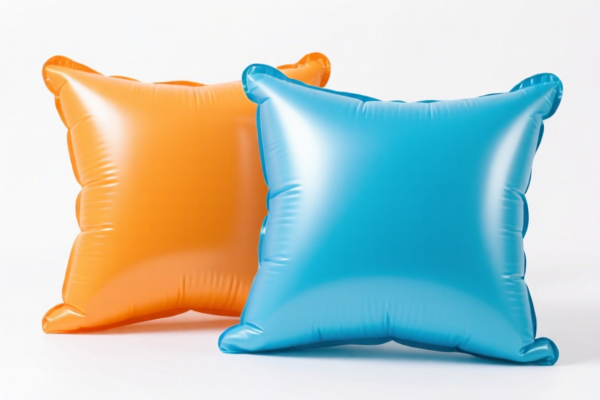
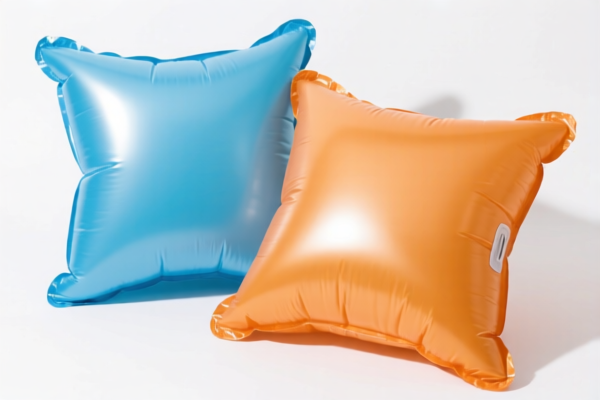
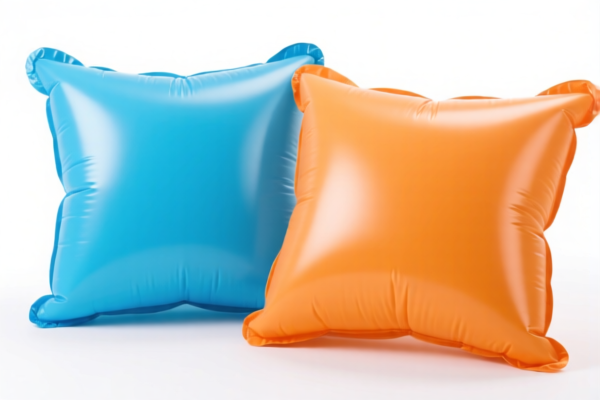
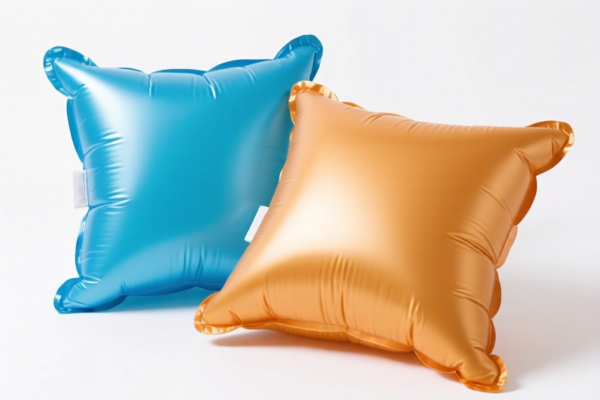
AI Analysis
🎒 Inflatable Travel Footstool Pillow: The Ultimate HS Code & Duty Decoded Guide
🌐 HS Code Reference & Customs Clearance Guide | 2026 Latest Tariff Analysis | Strategic Duty Optimization
📌 1. Product Definition: What Exactly Is an "Inflatable Footstool Pillow"?
This product is a hybrid item combining inflatable structures with textile/cushion functions. It serves as both a portable footrest and a travel pillow. In international trade, classification hinges on two critical factors:
1. Material Composition: Is it primarily plastic (PVC/Vinyl) or textile (Cotton/Polyester)?
2. Primary Function: Is it a "mattress/cushion" (Plastics Chapter 39 or Textiles Chapter 63) or "bedding" (Furniture Chapter 94)?
⚠️ Critical Distinction Point:
- If the shell/material is perceived as Plastic/PVC (common for inflatable gear) → Chapter 39 (Articles of Plastics).
- If the shell/material is perceived as Textile/Fabric (common for "pillow" aesthetics) → Chapter 63 (Made-up Textile Articles) or Chapter 94 (Furniture/Bedding).
Note: Customs officers often scrutinize "inflatable" items heavily. If it looks like a mattress/cushion, they may lean towards Chapter 39. If it looks like a pillow, they may lean towards Chapter 94 or 63.
📦 2. HS Code Classification Matrix (2026 Latest Tariff Alignment)
Based on the provided data, here are the 5 most probable HS Codes for an "Inflatable Travel Footstool Pillow," along with their matching logic and tax implications.
| HS Code | Product Description & Matching Logic | Primary Tax Rate (China→US) |
|---|---|---|
| 3926.90.75.00 | Inflatable Plastic Articles ✅ Match: Product shape is "inflated." Inferred material is Plastic/PVC. Fits "Inflatable mattresses and other inflatables." ❌ Conflict: None. Plastic material aligns with Chapters 39-40. |
14.2% |
| 9404.90.96.05 | Bedding & Upholstered Articles ✅ Match: Purpose is "Pillow." Form is "filled bedding." Inferred shell material is Cotton/Synthetic Fibers. Compatible with "Other" bedding categories. ❌ Conflict: None. Textile shell is standard for pillows. |
17.3% |
| 6307.90.89.40 | Other Made-up Textile Articles ✅ Match: Product is a "Pillow" (Form match). Belongs to "Other articles." Inferred material is Cotton/Polyester. No conflict with textile pillow classifications. ❌ Conflict: None. |
17.0% |
| 3926.90.77.00 | Other Plastic Articles (Cushioning/Mattress) ✅ Match: Inferred material is Plastic/PVC. Form is "mat-like" (cushioning). Purpose fits "Waterbeds, cushions." ❌ Conflict: None. No material/form conflict. |
12.4% |
| 9404.90.96.70 | Other Bedding/Bedding Accessories ✅ Match: Product falls under "Bedding" (Pillow category). Form is "Filled/Internal Fill." Inferred "inflatable" nature implies plastic/air bladder, compatible with "Other" non-cotton/non-silk bedding. ❌ Conflict: None. |
17.3% |
🔍 Key Insight:
- Lowest Duty (12.4% - 14.2%): Classified under Plastics (Chapter 39). This assumes the item is primarily viewed as a plastic inflatable product.
- Highest Duty (17.0% - 17.3%): Classified under Bedding/Textiles (Chapters 63/94). This assumes the item is primarily viewed as a textile pillow or bedding accessory.
Strategy: If the product is clearly PVC/Vinyl, aim for Chapter 39 to reduce duty by ~3-5%. If it is clearly fabric-covered, expect higher duties.
💰 3. 2026 Tariff Breakdown (Detailed Duty Structure)
✅ Applicable Market: United States (US)
✅ Origin: China (CN)
✅ Effective Date: Post-November 2025 (Current IEEPA & Section 301 Rules)
🎯 Scenario A: Plastic-Inflatable Classification (Best for Cost)
HS Code Range: 3926.90.75.00 / 3926.90.77.00
| Component | Rate | Legal Basis |
|---|---|---|
| Base Duty | 2.4% - 4.2% | Standard US MFN Rate for Plastic Articles |
| Section 301 (122 Clauses) | +10% | 122 Clause Tariff (Specific to certain plastic/textile goods) |
| IEEPA / Other Add-ons | 0% | Note: Data shows 0% additional for these specific sub-codes |
| TOTAL EFFECTIVE DUTY | 12.4% - 14.2% | Significant Savings vs. Textile Classification |
📌 Explanation:
- The 122 Clause adds a flat 10% on top of the base rate for specific plastic inflatables.
- Unlike electronics or heavy machinery, Plastic Inflatable Articles often face lower Section 301 penalties (or none beyond the 122 clause), making this the most cost-effective classification if the product is PVC-based.
🎯 Scenario B: Textile/Bedding Classification (Common for "Pillow" Marketing)
HS Code Range: 9404.90.96.05 / 9404.90.96.70 / 6307.90.89.40
| Component | Rate | Legal Basis |
|---|---|---|
| Base Duty | 7.0% - 7.3% | Standard US MFN Rate for Bedding/Textiles |
| Section 301 (122 Clauses) | +10% | 122 Clause Tariff (Applied to bedding/textile accessories) |
| IEEPA / Other Add-ons | 0% | Note: Data shows 0% additional for these specific sub-codes |
| TOTAL EFFECTIVE DUTY | 17.0% - 17.3% | Higher Cost Due to Higher Base Rate |
📌 Explanation:
- The base duty for bedding/textiles is inherently higher (7%+) compared to plastics (4% max).
- Even with the same 10% 122 Clause, the total landed cost is ~3-5% higher than plastic classification.
- Risk: Customs may reclassify a "plastic inflatable" as "textile bedding" if the outer shell is fabric, increasing your duty unexpectedly.
🛠️ 4. Customs Clearance Strategy (Pro Tips)
✅ 1. Documentation Checklist (Critical for Accuracy)
| Document | Requirement | Purpose |
|---|---|---|
| Product Specification Sheet | ✔️ Mandatory | Must clearly state material composition (e.g., "100% PVC" vs. "Polyester Shell with Air Bladder"). This dictates Chapter 39 vs. 94. |
| Product Photos | ✔️ Mandatory | Show the product fully inflated. Highlight any textile outer covers vs. bare plastic. |
| Commercial Invoice | ✔️ Mandatory | Use precise description: "Inflatable PVC Footrest, 122 Clause Applicable" or "Textile Travel Pillow with Air Bladder." Avoid vague terms like "Cushion." |
| Care Label/Tag | ✔️ Highly Recommended | If it has a "100% Polyester" tag, customs will lean toward Chapter 63/94. If no tag or "PVC," lean toward Chapter 39. |
| FCC/CPSC Certs | ✔️ If Applicable | Not strictly for HS, but often requested for inflatables to ensure safety standards (especially for travel items). |
✅ 2. Declaration Tactics (Maximize Savings)
| Strategy | Action | Benefit |
|---|---|---|
| Emphasize "Inflatable Structure" | Describe as "Inflatable PVC Cushion" rather than "Textile Pillow." | Supports HS 3926.90 (12.4-14.2%) over HS 9404 (17.3%). |
| Clarify Material Dominance | If the shell is thin fabric but the volume is air/plastic, argue Plastic Function. | Helps justify Chapter 39. |
| Avoid "Bedding" Terminology | Do NOT use "Bedding," "Mattress," or "Pillow" in the commercial description if aiming for lower duties. | Prevents triggering Chapter 94 (Higher Base Rate). |
| Pre-Ruling Application | Apply for an Advance Ruling from US CBP if the material is mixed (e.g., Fabric + PVC). | Locks in the correct HS Code and duty rate before shipment. |
✅ 3. Common Pitfalls & Risks
| ❌ Mistake | 🚫 Consequence | ✅ Correction |
|---|---|---|
| Mislabeling as "Plastic Pillow" | Customs may reclassify to Chapter 94 if fabric is visible. | Provide material breakdown: "Shell: 100% Polyester; Insert: PVC Air Bladder." |
| Using "Pillow" in Invoice | Triggers Bedding Duties (17.3%). | Use "Inflatable Footrest" or "Travel Cushion." |
| Ignoring 122 Clause | Underpayment of duties → Penalties/Seizure. | Ensure 10% 122 Clause is included in duty calculation for ALL listed HS Codes. |
| Splitting Shipment | Parts declared separately may face 89.5% duties if classified as accessories incorrectly. | Declare as Complete Article (Unitary Goods Rule). |
🌍 5. Global Market Comparison (2026 Outlook)
| Country | Likely HS Code | Base Duty | 122 Clause/Sec 301 | Total Effective Duty | Notes |
|---|---|---|---|---|---|
| 🇺🇸 USA | 3926.90.75 |
4.2% | +10% (122 Clause) | 14.2% | Best Value if PVC. |
| 🇺🇸 USA | 9404.90.96 |
7.3% | +10% (122 Clause) | 17.3% | Higher if labeled as textile. |
| 🇪🇺 EU | 3926.90.99 |
4.7% | 0% | 4.7% | No Section 301 in EU. |
| 🇨🇳 China | 3926.90.99 |
2.0% | 0% | 2.0% | Low import duty, but focus on export. |
| 🇬🇧 UK | 3926.90.99 |
4.5% | 0% | 4.5% | Post-Brexit standard rates. |
📌 Conclusion for US Market:
- USA is the most complex market due to the 122 Clause (10%) and potential Section 301 risks.
- Plastic Classification (3926.90) is significantly cheaper (14.2%) than Textile/Bedding (17.3%).
- Recommendation: If your product is PVC-based, declare it as "Inflatable Plastic Article" to secure the 14.2% rate. If it is Fabric-based, accept the 17.3% rate but ensure accurate textile documentation.
📌 6. Final Checklist for Shippers
- Determine Primary Material: Is it mostly PVC (Plastic) or Fabric (Textile)?
- Choose HS Code:
- PVC →
3926.90.75.00(14.2%) or3926.90.77.00(12.4%) - Fabric →
9404.90.96.05(17.3%) or6307.90.89.40(17.0%)
- PVC →
- Include 122 Clause: Ensure 10% is added to all US calculations.
- Document Precision: Use "Inflatable Footrest" instead of "Pillow" if aiming for lower plastic duties.
- Pre-Rule: For large volumes, apply for a CBP Advance Ruling to lock in the 14.2% rate.
🎯 Pro Tip:
"Plastic Inflatable = 14.2% | Textile Pillow = 17.3%"
A 3.1% difference can save $310 per $10,000 shipment.
Don't leave money on the table by misdeclaring material!
✨ Professional Customs Compliance Starts with Accurate HS Classification!
💼 Every Percent Saved is Pure Profit!
Customer Reviews
About HS Code Classification
The Harmonized System (HS) is an internationally standardized nomenclature developed by the World Customs Organization (WCO) to classify traded products. Over 200 countries use the HS system as the basis for customs tariffs, trade statistics, and import/export regulations.
Each HS code follows a hierarchical structure:
- Chapter (2 digits) — Broad category of goods (e.g., Chapter 84: Machinery and Mechanical Appliances)
- Heading (4 digits) — More specific grouping within the chapter
- Subheading (6 digits) — Internationally standardized breakdown, used by all WCO member countries
- National subdivisions (8-10 digits) — Country-specific extensions for further classification, such as US HTSUS 10-digit codes
Correct HS code classification is essential for smooth customs clearance, accurate duty payment, and compliance with trade regulations. Misclassification can lead to customs delays, overpayment of duties, or penalties.
When importing from CN to US, the applicable tariff rates may include:
- Most-Favored-Nation (MFN) rate — The standard duty rate applied to WTO members
- General rate — Applied to countries without trade agreements
- Trade remedy duties — Additional tariffs such as Section 301 (anti-dumping), Section 232 (national security), or countervailing duties
The information provided on this page is for reference purposes only. For official classification, please consult with your local customs authority or a licensed customs broker.