Inflatable Volleyball
CN → US| HS Code | Tariff Rate | Origin | Destination | Doc |
|---|---|---|---|---|
| 9506628040 | 22.3% | CN | US | Official Doc |
| 9506628060 | 22.3% | CN | US | Official Doc |
Product Images
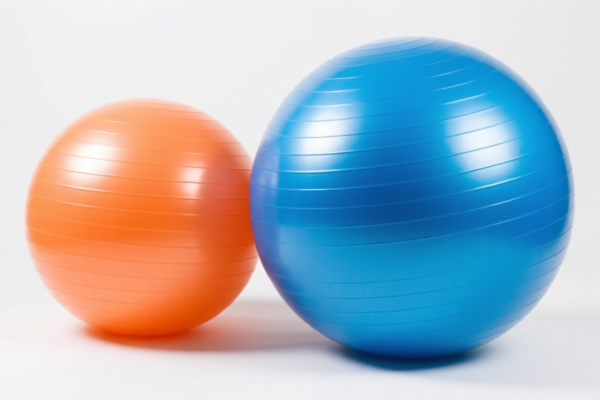
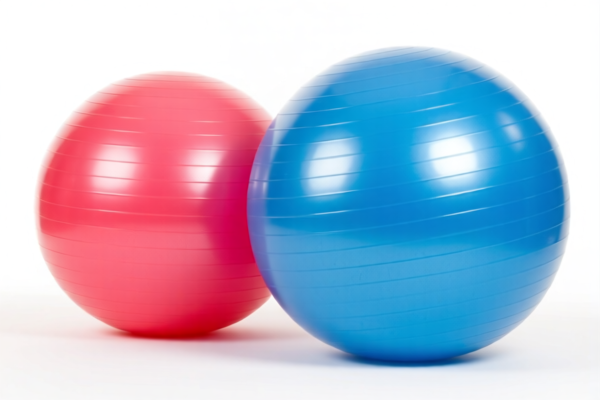
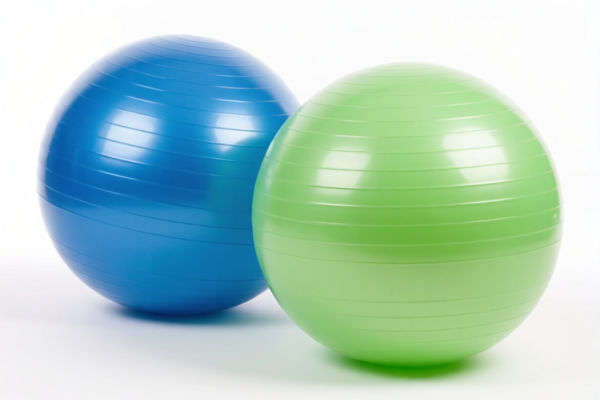
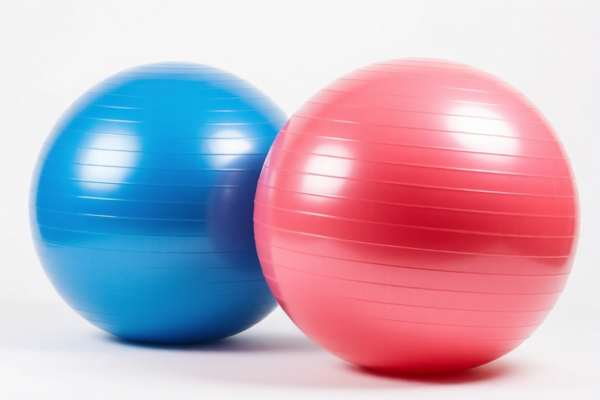
AI Analysis
🏐 Inflatable Volleyballs
🌐 HS Code Reference & Customs Clearance Guide | 2024 Latest Tariff Breakdown | Professional Clearance Strategy
📌 I. Product Definition & Classification: What Exactly Is an "Inflatable Volleyball"?
Volleyballs, specifically those designed for general physical exercise, gymnastics, athletics, and outdoor games, fall under Chapter 95 of the Harmonized System. When the product is specified as an "Inflatable Volleyball", it is critical to distinguish between two primary categories based on the material composition and specific sub-heading requirements within HS Code 9506.62.80:
- Volleyballs (Specific Material/Type): Often refers to volleyballs that meet specific standard requirements (e.g., leather, synthetic leather, or rubber) but are explicitly categorized as "Volleyballs" rather than generic "other inflatable balls." These typically attract 0% base tariffs due to specific trade agreements or historical classifications for sports equipment.
- Other Inflatable Balls (Generic): This category captures inflatable sports balls that do not fit the specific definition of "Volleyballs" or are made from materials not covered by the preferential 0% rate. This includes many standard PVC or nylon inflatable volleyballs intended for general recreational use. These attract higher tariffs.
⚠️ Key Distinction Point:
- If the product is classified strictly as a "Volleyball" (often implying specific standards like FIVB approved or specific material composition listed under "Volleyballs"):归入 9506.62.80.40
- If the product is classified as "Other Inflatable Balls" (generic recreational use, non-standard, or specific material exclusions):归入 9506.62.80.60
📦 II. HS Code Classification Details (Latest Tariff Schedule)
| HS Code | Product Description | Application Scenario | Tax Rate (Base + Additional) |
|---|---|---|---|
9506.62.80.40 |
Inflatable Volleyballs | Standard volleyball matches, training, specific sports equipment | 0.0% (Base: 0.0%, Additional: 0.0%) |
9506.62.80.60 |
Other Inflatable Balls | Generic recreational inflatables, non-standard volleyballs, other sports balls | 12.3% (Base: 4.8%, Additional: 7.5%) |
🔍 Important Note:
- Both codes fall under 9506.62.80 (Articles for physical exercise; Inflatable balls; Other).
- The critical difference lies in the final digit: .40 for Volleyballs and .60 for Other.
- Misclassification from .40 to .60 results in a 12.3% tax burden, which can significantly impact profit margins.
💰 III. 2024 Latest Tariff Rate Detailed Breakdown
✅ Scope: General International Trade (Based on provided data)
✅ Product: Inflatable Volleyballs
🎯 1. 9506.62.80.40 —— Inflatable Volleyballs (Preferential/Specific)
| Item | Detail |
|---|---|
| Base Tariff | 0.0% |
| Additional Tariff | 0.0% |
| Total Tariff Rate | 0.0% |
| Tax Calculation | CIF Value × 0% = $0 |
| Legal Basis | HS 9506.62.80.40 |
📌 Explanation:
- This code offers a zero-tariff advantage.
- It is crucial for manufacturers and importers dealing with official-grade volleyballs or those meeting specific national/international sports equipment standards.
- Benefit: Maximizes cost efficiency and competitiveness.
🎯 2. 9506.62.80.60 —— Other Inflatable Balls (General)
| Item | Detail |
|---|---|
| Base Tariff | 4.8% |
| Additional Tariff | 7.5% |
| Total Tariff Rate | 12.3% |
| Tax Calculation | CIF Value × 12.3% |
| Legal Basis | HS 9506.62.80.60 |
📌 Explanation:
- This code applies to generic inflatable balls, including many recreational volleyballs not classified under the specific "Volleyball" sub-category.
- Impact: A 12.3% total tax rate increases the landed cost significantly.
- Risk: If a product that qualifies for.40is incorrectly declared as.60, customs may issue penalties or require retroactive payment.
🛠️ IV. Customs Clearance Practical Advice (Pitfall Avoidance Guide)
✅ 1. Preparation Checklist (Essential Documents)
| Document | Required? | Purpose |
|---|---|---|
| ✅ Product Specification Sheet | ✔️ | Must clearly state "Volleyball," material (e.g., PVC, Leather), size, and weight. |
| ✅ Product Photos | ✔️ | Clear images showing the ball, brand, and any certification marks (e.g., FIVB). |
| ✅ Commercial Invoice | ✔️ | Must use precise description: "Inflatable Volleyball" vs. "Recreational Inflatable Ball." |
| ✅ Packing List | ✔️ | Details quantity and weight. |
| ✅ Certificate of Origin | ✔️ | To verify country of manufacture for potential trade agreement benefits. |
✅ 2. Declaration Tips (Key Rules)
🔥 “Be Specific: 'Volleyball' vs. 'Other Ball' Determines Your Tax!”
| Scenario | Correct HS Code | Incorrect Declaration | Consequence |
|---|---|---|---|
| Standard Volleyball (Sports Use) | 9506.62.80.40 |
"Inflatable Ball" | Risk of being classified as .60 → 12.3% Tax |
| Generic Playground Inflatable Ball | 9506.62.80.60 |
"Volleyball" | Potential dispute if product doesn't meet volleyball standards |
| Mixed Shipment (Volleyballs + Soccer Balls) | Declare Separately | "Sports Balls" | Complex clearance, higher risk of misclassification |
📌 Pro Tip:
- Use the term "Volleyball" explicitly in the description if the product is indeed a volleyball.
- Avoid vague terms like "inflatable toy" or "sports ball" for volleyballs, as customs may default to the higher-tariff.60category.
✅ 3. Special Cases
| Case | Recommendation |
|---|---|
| OEM Custom Volleyballs | Provide design specs and branding to prove it is a "Volleyball" and not a generic inflatable. |
| Mixed Packaging | If shipping volleyballs with other inflatable toys, declare them separately to avoid blanket classification errors. |
| Material Changes | If material shifts from leather/synthetic to PVC, confirm if it still qualifies as "Volleyball" under local interpretation. |
🌍 V. Global Market Clearance Comparison (General)
| Market | Recommended HS Code | Tariff | Notes |
|---|---|---|---|
| General Export | 9506.62.80.40 |
0.0% | Preferred for volleyball-specific products |
| General Export | 9506.62.80.60 |
12.3% | For generic inflatable sports balls |
| EU Import | Check Local Interpretation | Varies | May have different sub-headings |
| US Import | Check USITC Tariff Schedule | Varies | May have additional Section 301 duties |
📌 Conclusion:
- Accurate classification between.40and.60is critical for cost control.
- 0.0% vs. 12.3% is a significant difference. Always verify if your product qualifies as a "Volleyball" under the specific tariff line.
📌 VI. Common Errors & Pitfalls (Lessons Learned)
❌ Error 1: Declaring "Volleyball" as "Other Inflatable Ball"
👉 Result: Unnecessary 12.3% tax payment.
✅ Fix: Use precise product description "Volleyball" and provide supporting docs.
❌ Error 2: Declaring "Other Inflatable Ball" as "Volleyball"
👉 Result: Customs may reject the classification if the product doesn't meet volleyball standards, leading to delays or fines.
✅ Fix: Ensure the product is indeed a volleyball (size, weight, intended use).
❌ Error 3: Vague Description on Invoice
👉 Result: Ambiguity leads to customs defaulting to the higher-tariff category.
✅ Fix: Clear, specific description: "Inflatable Volleyball, Size 5, PVC Material."
🎯 VII. Conclusion: Precision Classification Saves Money
🎯 Key Takeaway:
🔹 "Volleyball" (0.0%) vs. "Other Ball" (12.3%) – The difference is huge!
🔹 "HS Code 9506.62.80.40 for Volleyballs, 9506.62.80.60 for Others."📌 Recommendation:
- Always classify inflatable sports equipment as specifically as possible.
- If the product is a volleyball, use 9506.62.80.40 to benefit from the 0% tariff.
- For generic inflatables, use 9506.62.80.60 and budget for the 12.3% tariff.
📣 Action Required:
📞 Consult with a customs broker to confirm the classification of your specific product.
📄 Ensure your commercial invoice and description are accurate and specific.
🚀 Optimize your supply chain by minimizing tariff costs through precise HS Code classification.
✨ Professional clearance starts with accurate classification!
💼 Every percentage point matters in international trade.
Customer Reviews
About HS Code Classification
The Harmonized System (HS) is an internationally standardized nomenclature developed by the World Customs Organization (WCO) to classify traded products. Over 200 countries use the HS system as the basis for customs tariffs, trade statistics, and import/export regulations.
Each HS code follows a hierarchical structure:
- Chapter (2 digits) — Broad category of goods (e.g., Chapter 84: Machinery and Mechanical Appliances)
- Heading (4 digits) — More specific grouping within the chapter
- Subheading (6 digits) — Internationally standardized breakdown, used by all WCO member countries
- National subdivisions (8-10 digits) — Country-specific extensions for further classification, such as US HTSUS 10-digit codes
Correct HS code classification is essential for smooth customs clearance, accurate duty payment, and compliance with trade regulations. Misclassification can lead to customs delays, overpayment of duties, or penalties.
When importing from CN to US, the applicable tariff rates may include:
- Most-Favored-Nation (MFN) rate — The standard duty rate applied to WTO members
- General rate — Applied to countries without trade agreements
- Trade remedy duties — Additional tariffs such as Section 301 (anti-dumping), Section 232 (national security), or countervailing duties
The information provided on this page is for reference purposes only. For official classification, please consult with your local customs authority or a licensed customs broker.