Inflatable Water Toys
CN → US| HS Code | Tariff Rate | Origin | Destination | Doc |
|---|---|---|---|---|
| 9506995500 | 22.8% | CN | US | Official Doc |
| 4016950000 | 21.7% | CN | US | Official Doc |
| 3926909989 | 22.8% | CN | US | Official Doc |
| 3926907500 | 14.2% | CN | US | Official Doc |
| 9506996080 | 21.5% | CN | US | Official Doc |
Product Images
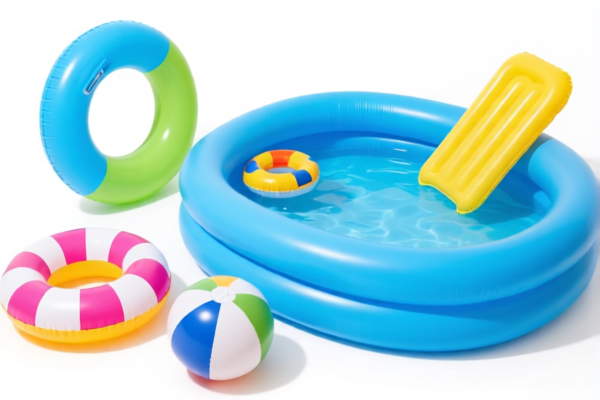
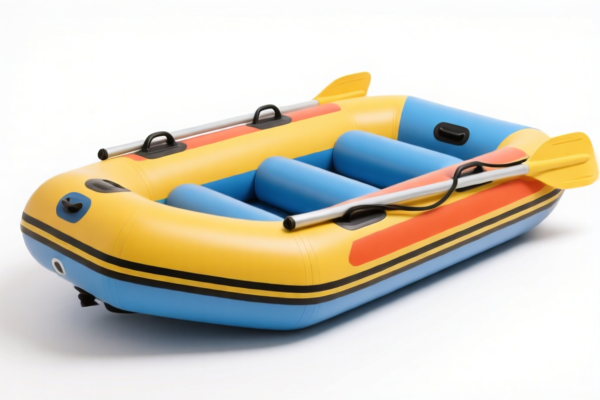

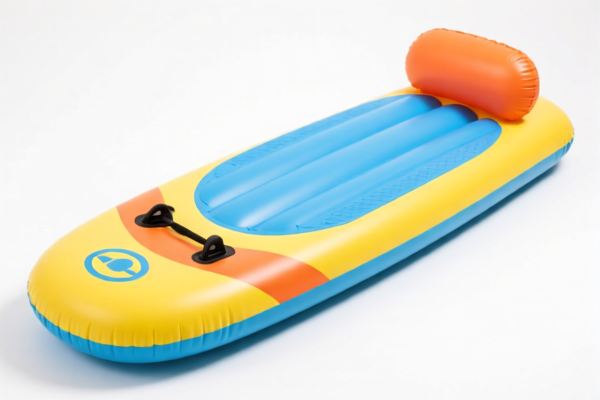
AI Analysis
🏊♂️ Inflatable Water Toys (Swimming & Water Play Equipment)
🌐 HS Code Reference & Customs Clearance Guide | 2026 Latest Tariff Breakdown | Professional Entry Strategy
📌 I. Product Definition & Classification: Do You Really Know "Inflatable Water Toys"?
Inflatable water toys are a broad category of recreational equipment used for swimming, beach play, and water parks. They rely on air pressure for structure and are primarily made of PVC (Polyvinyl Chloride) or Sulfurized/Synthetic Rubber.
In international trade (specifically US-China trade context), classification depends on material composition and specific use case:
- PVC/Plastic Water Games: Toys made of plastic/PVC, used for pools, beaches, or general water play (e.g., rafts, slides, balls).
- Rubber Inflated Products: Items made of sulfured rubber or synthetic rubber (e.g., specialized rafts, air mattresses).
⚠️ Critical Classification Point:
- If the item is a plastic/PVC water toy not listed elsewhere → Chapter 39 or Chapter 95 depending on "Sporting Goods" status.
- If the item is Rubber → Chapter 40.
- Misclassification Risk: Declaring a high-tax rubber toy as plastic, or vice versa, triggers severe audits and back-taxes.
📦 II. HS Code Classification Details (2026 Official Tariff对照)
| HS Code | Product Description (Based on Data) | Material | Primary Use | Total Tax Rate | | :--- | :--- | :--- | :--- :--- | | 9506.99.55.00 | Water Sports & Swimming Equipment | Plastic / PVC | Inflatable rafts, water slides, swimming pools (Sports/Play focus) | 22.8% | | 4016.95.00.00 | Other Rubber Inflated Articles | Sulfurized/Synthetic Rubber | General rubber inflatables (not listed elsewhere) | 21.7% | | 3926.90.99.89 | Miscellaneous Plastic Articles | Plastic / Synthetic Rubber | Unclassified plastic inflatables (Not specific to sport/water) | 22.8% | | 3926.90.75.00 | Inflatable Goods & Air Mattresses | Plastic / PVC | Air mattresses, similar inflatable shapes | 14.2% | | 9506.99.60.80 | Pool & Water Play Appliances | Plastic / PVC | Pool accessories, water games, waterproof items | 21.5% |
🔍 Key Insight:
- 9506.99 series is generally preferred for items explicitly marketed as "Sports Equipment" or "Swimming Gear."
- 3926.90.75.00 offers the lowest tariff (14.2%) for generic inflatables like air mattresses, provided they fit the specific subheading criteria.
- Rubber items (4016) carry a slightly different tax structure but are often more expensive than PVC counterparts.
💰 III. 2026 Latest Tariff Breakdown (Detailed Policy Analysis)
✅ Applicable Context: US Import from China
✅ 生效时间: Current Trade Policy (Section 301, Section 232, IEEPA implications)
🎯 1. 9506.99.55.00 & 3926.90.99.89 —— The "High Tax" Category (22.8%)
| Item | Detail |
|---|---|
| Base Duty | 5.3% |
| Section 301 / Retaliation | +7.5% (Added on top of base) |
| Section 232 (Steel/Al/Cu) | +50% (Only if containing significant steel/aluminum/copper components) |
| Section 122 Tariff | +10% (Specific policy surcharge) |
| Total Effective Rate | 22.8% (Standard scenario) 35.8% (If Steel/Al/Cu triggered) |
📌 Explanation:
- This classification is common for plastic water toys deemed as "miscellaneous" or specific sports gear.
- The 10% Section 122 and 7.5% retaliation stack up quickly.
- Crucial Warning: If the product contains steel/aluminum parts (e.g., metal frames, valves with metal inserts), the 50% Section 232 tariff may apply, skyrocketing the cost.
🎯 2. 4016.95.00.00 —— Rubber Inflated Items (21.7%)
| Item | Detail |
|---|---|
| Base Duty | 4.2% |
| Section 301 / Retaliation | +7.5% |
| Section 122 Tariff | +10% |
| Total Effective Rate | 21.7% |
| Steel/Al Surcharge | N/A (Rubber is non-metallic) |
📌 Explanation:
- Rubber inflatables avoid the 50% metal surcharge, making them slightly cheaper than the 22.8% plastic category in terms of maximum risk.
- However, the base rate is lower, but the stacking of 301+122 brings it to a similar high level.
🎯 3. 3926.90.75.00 —— The "Best Rate" Option (14.2%)
| Item | Detail |
|---|---|
| Base Duty | 4.2% |
| Section 301 / Retaliation | 0.0% |
| Section 122 Tariff | +10% |
| Total Effective Rate | 14.2% |
| Steel/Al Surcharge | N/A |
📌 Explanation:
- This is the golden ticket! This code specifically covers "Inflatable goods" (like air mattresses) where the Section 301 tariff is waived (0.0%).
- Strategy: If your product is a generic inflatable (e.g., pool floaties that can be classified as "other inflatable goods"), this code saves you ~8.6% in tax compared to the 22.8% options.
🎯 4. 9506.99.60.80 —— Pool & Water Games (21.5%)
| Item | Detail |
|---|---|
| Base Duty | 4.0% |
| Section 301 / Retaliation | +7.5% |
| Section 122 Tariff | +10% |
| Section 232 (Metal) | +50% (If steel/al/cu components exist) |
| Total Effective Rate | 21.5% (Standard) 34.5% (If metal components trigger 232) |
📌 Explanation:
- Specifically for pool-related items.
- High risk of Section 232 if the toy has any metal parts (e.g., metal rings on the inflatable).
🛠️ IV. Customs Clearance Practical Advice (Action Plan)
✅ 1. Documentation Checklist (Must-Haves)
| Document | Requirement | Why It Matters |
|---|---|---|
| Product Spec Sheet | ✔️ Material Composition (Exact % of PVC vs. Rubber) | Determines if it goes to 3926 or 4016. |
| Structural Diagram | ✔️ Valve/Material Check | Proves if there are metal parts (Steel/Al) to avoid the 50% Section 232 surprise. |
| Commercial Invoice | ✔️ Clear Description | Must state "Inflatable Water Toy" or "Pool Accessory," not just "Rubber Goods." |
| Usage Intent | ✔️ Marketing Photos | If it's sold as "Swimming Equipment," 9506 is safer. If "General Float," 3926.75 might be cheaper. |
| Bill of Materials | ✔️ Detailed BOM | Critical for HS Code disputes. |
✅ 2. Strategic Classification Tips (The "Save Your Money" Guide)
🔥 Golden Rule: "Material Dictates Code, Metal Dictates Penalty!"
| Scenario | Recommended HS Code | Tax Rate | Strategy |
|---|---|---|---|
| Pure PVC Plastic Toy (No metal) | 3926.90.75.00 | 14.2% | Best Choice! Declare as "Inflatable Goods." Avoid "Sporting Goods" (9506) if possible to save 8.6%. |
| Marketing as "Swimming Gear" | 9506.99.55.00 | 22.8% | If you must market as "Sports Equipment," this is the only compliant code. Accept the higher tax. |
| Rubber Inflatable (No metal) | 4016.95.00.00 | 21.7% | Use if the material is truly rubber. Avoid if PVC can be used. |
| Toys with Metal Parts (Valves/Rings) | ANY (High Risk) | ~35%+ | CRITICAL: If metal is present, Section 232 (50%) applies. Remove metal or change design to plastic/metal-free to save massive costs. |
✅ 3. Special Handling Scenarios
| Situation | Action |
|---|---|
| "Water Mattress" vs. "Pool Toy" | If the product is an Air Mattress (bed-like), declare as 3926.90.75.00 (14.2%). If it's a Pool Float, it might be 9506 (22.8%). Check shape! |
| Mixed Materials | If the item has Rubber + Plastic, check the dominant material. If Plastic > 50%, lean towards Chapter 39. |
| Customs Audit | If asked about Section 232, provide a Non-Metal Declaration. Prove all valves and seams are plastic/rubber only. |
🌍 V. Global Market Comparison (2026 Outlook)
| Region | Recommended Code | Est. Tax (China Origin) | Notes |
|---|---|---|---|
| 🇺🇸 USA | 3926.90.75.00 |
14.2% | Best option. Avoid 9506 if possible. |
| 🇺🇸 USA (Metal Parts) | 9506.99.55.00 |
35.8% | Disaster: Section 232 adds 50%. |
| 🇪🇺 EU | 3926.90.99 |
4-6% | Generally lower, but check REACH for PVC. |
| 🇬🇧 UK | 3926.90.99 |
~4% | Post-Brexit trade agreements may apply. |
📌 VI. Common Pitfalls & "Blood & Tears" Lessons
❌ Mistake 1: Declaring a PVC Pool Float as 9506.99.55.00 when it could be 3926.90.75.00.
👉 Result: Paying 22.8% instead of 14.2%. Loss: 8.6% per item.
❌ Mistake 2: Ignoring Metal Valves/Components.
👉 Result: 50% Section 232 Tariff triggers unexpectedly. Total tax >35%.
❌ Mistake 3: Calling it "Rubber" when it's mostly "Plastic."
👉 Result: Wrong HS Code (4016 vs 3926), leading to customs seizure and re-classification delays.
✅ Pro Tip:
"If it's a generic inflatable (no specific sport claim), fight for 3926.90.75.00 (14.2%). If it has metal, redesign to plastic! No metal, no 50% tax."
🎯 VII. Conclusion: Smart Classification = High Profit
🎯 The Mantra:
🔹 "No Metal = No 50% Tax"
🔹 "Inflatable Goods (3926.75) = 14.2% (Winner)"
🔹 "Sports Toys (9506) = 22.8% (Loser)"
🔹 "Rubber (4016) = 21.7% (Middle Ground)"
📌 Final Advice: Before shipping, verify your product BOM (Bill of Materials). If you can eliminate metal components and classify as generic "Inflatable Goods" rather than "Sports Equipment," you save nearly 40% in total duties.
📞 Next Step: Contact your broker with the "3926.90.75.00" strategy and request a Pre-Ruling if the product is borderline.
✨ Precision Classification, Maximized Profit.
💼 Don't let a 50% metal tax sink your inflatable business!
Customer Reviews
About HS Code Classification
The Harmonized System (HS) is an internationally standardized nomenclature developed by the World Customs Organization (WCO) to classify traded products. Over 200 countries use the HS system as the basis for customs tariffs, trade statistics, and import/export regulations.
Each HS code follows a hierarchical structure:
- Chapter (2 digits) — Broad category of goods (e.g., Chapter 84: Machinery and Mechanical Appliances)
- Heading (4 digits) — More specific grouping within the chapter
- Subheading (6 digits) — Internationally standardized breakdown, used by all WCO member countries
- National subdivisions (8-10 digits) — Country-specific extensions for further classification, such as US HTSUS 10-digit codes
Correct HS code classification is essential for smooth customs clearance, accurate duty payment, and compliance with trade regulations. Misclassification can lead to customs delays, overpayment of duties, or penalties.
When importing from CN to US, the applicable tariff rates may include:
- Most-Favored-Nation (MFN) rate — The standard duty rate applied to WTO members
- General rate — Applied to countries without trade agreements
- Trade remedy duties — Additional tariffs such as Section 301 (anti-dumping), Section 232 (national security), or countervailing duties
The information provided on this page is for reference purposes only. For official classification, please consult with your local customs authority or a licensed customs broker.