Inflatable vulcanized rubber beds
CN → US| HS Code | Tariff Rate | Origin | Destination | Doc |
|---|---|---|---|---|
| 9404210095 | 38.0% | CN | US | Official Doc |
| 3926907500 | 14.2% | CN | US | Official Doc |
| 4016950000 | 21.7% | CN | US | Official Doc |
| 3926909989 | 22.8% | CN | US | Official Doc |
| 4016100000 | 35.0% | CN | US | Official Doc |
Product Images
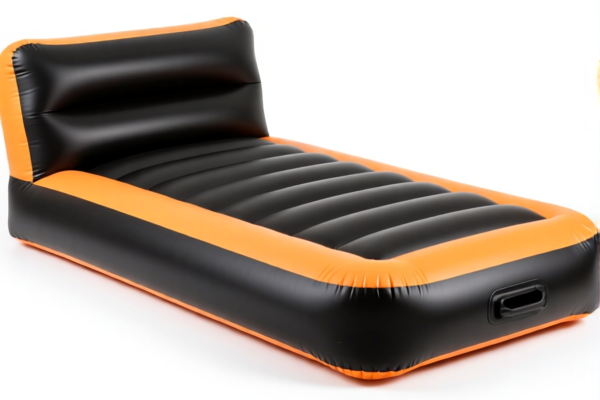
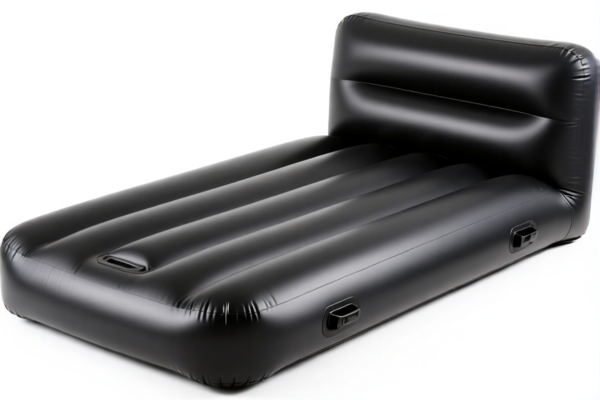
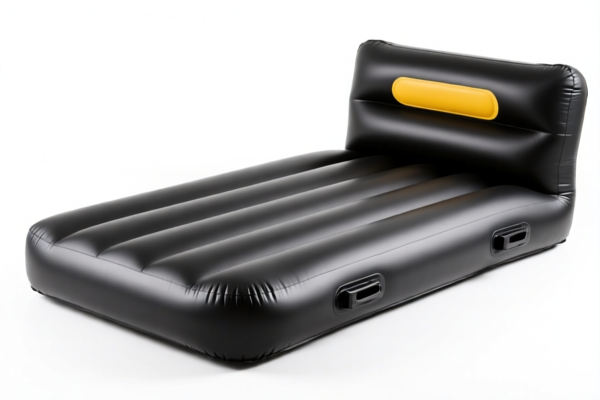
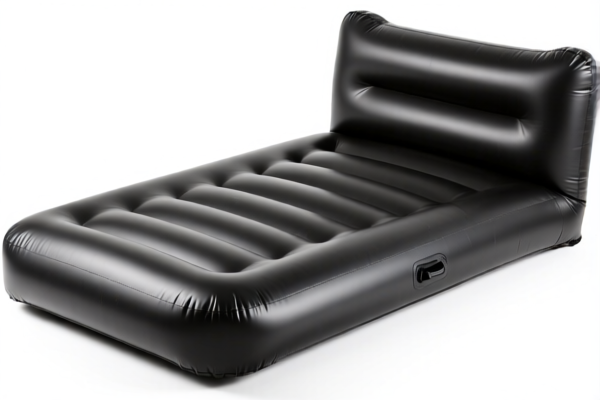
AI Analysis
🛏️ Inflatable Vulcanized Rubber Beds (Rubber Inflatable Beds)
🌐 HS Code Reference & Customs Clearance Guide | 2026 Latest Tariff Analysis | Professional-Level Clearance Strategy
📌 I. Product Definition & Classification: Do You Really Understand "Inflatable Rubber Beds"?
Inflatable vulcanized rubber beds are specialized sleeping surfaces made from vulcanized rubber (or synthetic rubber compounds) designed to be inflated for support. In international trade, classification hinges on two key factors:
1. Material Composition: Is it primarily cellular rubber (foamed/porous), solid rubber, or plastic-coated/fabricated rubber?
2. Function/Form: Is it classified as a "Mattress" (sleeping surface) or an "Other inflatable article" (general utility)?
⚠️ Critical Distinction:
- If the product is explicitly a "Mattress" made of cellular rubber → It falls under 9404.21.00.95 (Highest Tax).
- If the product is viewed as a general inflatable item with rubber/plastic components → It may fall under 3926.90.75.00 or 3926.90.99.89 (Lower Tax).
- If it is considered a pure rubber good (not primarily plastic) → It may fall under 4016.95.00.00 or 4016.10.00.00 (Medium/High Tax).
📦 II. HS Code Classification Details (2026 Latest Tariff Authority Comparison)
Based on the provided data, here are the five possible HS Code classifications for "Inflatable Vulcanized Rubber Beds", ranked by total tax burden:
| HS Code | Product Description (From Data) | Matching Logic | Total Tax Rate |
|---|---|---|---|
9404.21.00.95 |
Rubber Mattress (Cellular Rubber) | Name contains "Rubber" (matches cellular rubber); Form is "Inflatable Bed" (matches Mattresses). | 38.0% |
4016.10.00.00 |
Other Vulcanized Rubber Goods | Material is Rubber (matches vulcanized rubber); Form is Article (matches other vulcanized rubber articles). No material/use conflict. | 35.0% |
4016.95.00.00 |
Other Inflatable Rubber Articles | Material is Rubber; Form is "Inflatable Bed" (matches inflatable articles); Use matches other inflatable articles. | 21.7% |
3926.90.99.89 |
Other Plastic/Rubber Articles | Classified as Plastic/Rubber制品; Based on common sense, inflatable mattresses often use PVC/plastic or composite rubber. Matches plastic & other material articles. | 22.8% |
3926.90.75.00 |
Other Inflatable Plastic/Rubber Articles | Form is "Inflatable Bed" (matches inflatable mats & other inflatable articles); Based on common sense, inflatable structure often involves plastic or synthetic rubber. | 14.2% |
🔍 Key Insight:
- The lowest tax rate (14.2%) applies if the goods are classified under Chapter 39 (Plastics), arguing that the inflatable structure relies on plastic films/layers.
- The highest tax rate (38.0%) applies if classified under Chapter 94 (Furniture/Mattresses) as a "Mattress" of "Cellular Rubber."
- Classification as "Other Inflatable Articles" (4016.95 or 3926.90) offers mid-range rates (21.7%–22.8%).
💰 III. 2026 Latest Tariff Rate Breakdown (Including Additional Taxes & Policies)
✅ Applicable Country: United States (US)
✅ Origin: China (CN)
✅ Effective Date: From November 10, 2025 (including subsequent imports)
🎯 1. 9404.21.00.95 —— Rubber Mattress (Cellular Rubber)
| Item | Details |
|---|---|
| Base Tariff | 3.0% |
| Section 301 Additional Tariff | 25.0% |
| IEEPA Additional Tariff (Section 122) | 10.0% |
| Total Tax Rate | 38.0% |
| Tax Calculation | CIF Value × 38.0% |
| De Minimis Exemption? | ❌ No (High risk of seizure/penalty if misdeclared) |
| Legal Basis Path | IEEPA:9903.01.25 → USITC:9404.21.00.95 → FOOTNOTE:Section 122 |
📌 Explanation:
- This classification treats the item as a "Mattress", which attracts the highest duties.
- "Section 301" (25%) is applied due to Chinese origin.
- "Section 122" (10%) is an additional import fee under the International Emergency Economic Powers Act (IEEPA).
- Total 38% makes this the most expensive classification.
🎯 2. 4016.10.00.00 —— Other Vulcanized Rubber Goods
| Item | Details |
|---|---|
| Base Tariff | 0.0% |
| Section 301 Additional Tariff | 25.0% |
| IEEPA Additional Tariff (Section 122) | 10.0% |
| Total Tax Rate | 35.0% |
| Tax Calculation | CIF Value × 35.0% |
| De Minimis Exemption? | ❌ No |
| Legal Basis Path | IEEPA:9903.01.25 → USITC:4016.10.00.00 → FOOTNOTE:Section 122 |
📌 Explanation:
- Base tariff is 0%, but Section 301 and Section 122 still apply.
- This classification assumes the product is a general rubber article, not a mattress.
🎯 3. 4016.95.00.00 —— Other Inflatable Rubber Articles
| Item | Details |
|---|---|
| Base Tariff | 4.2% |
| Section 301 Additional Tariff | 7.5% |
| IEEPA Additional Tariff (Section 122) | 10.0% |
| Total Tax Rate | 21.7% |
| Tax Calculation | CIF Value × 21.7% |
| De Minimis Exemption? | ❌ No |
| Legal Basis Path | IEEPA:9903.01.25 → USITC:4016.95.00.00 → FOOTNOTE:Section 122 |
📌 Explanation:
- Lower Section 301 tariff (7.5%) compared to mattresses (25%).
- Classified as "Other inflatable articles" rather than mattresses.
🎯 4. 3926.90.99.89 —— Other Plastic/Rubber Articles
| Item | Details |
|---|---|
| Base Tariff | 5.3% |
| Section 301 Additional Tariff | 7.5% |
| IEEPA Additional Tariff (Section 122) | 10.0% |
| Total Tax Rate | 22.8% |
| Tax Calculation | CIF Value × 22.8% |
| De Minimis Exemption? | ❌ No |
| Legal Basis Path | IEEPA:9903.01.25 → USITC:3926.90.99.89 → FOOTNOTE:Section 122 |
📌 Explanation:
- Classified under Chapter 39 (Plastics), assuming the inflatable layer is plastic-based.
- Section 301 is 7.5%, lower than rubber-specific chapters.
🎯 5. 3926.90.75.00 —— Other Inflatable Plastic/Rubber Articles (Lowest Tax)
| Item | Details |
|---|---|
| Base Tariff | 4.2% |
| Section 301 Additional Tariff | 0.0% |
| IEEPA Additional Tariff (Section 122) | 10.0% |
| Total Tax Rate | 14.2% |
| Tax Calculation | CIF Value × 14.2% |
| De Minimis Exemption? | ❌ No |
| Legal Basis Path | IEEPA:9903.01.25 → USITC:3926.90.75.00 → FOOTNOTE:Section 122 |
📌 Explanation:
- Lowest total tax (14.2%).
- No Section 301 tariff (0%) for this specific subheading under the provided data.
- Requires argument that the product is primarily an "inflatable article" made of plastic/synthetic rubber materials.
🛠️ IV. Customs Clearance Practical Advice (Battle-Tested Pitfall Avoidance Guide)
✅ 1. Required Documentation Checklist (Non-Negotiable)
| Document | Required | Notes |
|---|---|---|
| ✅ Product Specifications | ✔️ | Must detail: Material composition (e.g., % rubber, % PVC), layer structure, inflation mechanism. |
| ✅ Technical Diagrams | ✔️ | Show internal layers to prove if it’s primarily rubber (Ch. 40) or plastic/fabric (Ch. 39). |
| ✅ Product Photos | ✔️ | Clear images of label, brand, model, and inflated/deflated states. |
| ✅ Third-Party Test Reports | ✔️ | Flammability, chemical content (REACH/RoHS), durability. |
| ✅ Commercial Invoice | ✔️ | Must specify: "Inflatable Rubber Bed" or "Inflatable Sleeping Pad." Avoid vague terms like "Rubber Mat." |
| ✅ Packing List | ✔️ | Include deflated dimensions vs. inflated dimensions. |
✅ 2. Declaration Strategies (Key Mnemonics)
🔥 "Material First, Use Second, Name Precise, Tax Less!"
| Scenario | Correct Declaration | Risk if Misdeclared |
|---|---|---|
| Primarily Rubber + Mattress Use | 9404.21.00.95 |
✅ Correct if it’s a "Mattress." ❌ High tax (38%). |
| Primarily Rubber + General Use | 4016.95.00.00 |
✅ Mid-range tax (21.7%). |
| Plastic-Coated Rubber / PVC Layer | 3926.90.75.00 |
✅ Lowest tax (14.2%). Must prove plastic layer is dominant. |
| Solid Rubber Inflatable | 4016.10.00.00 |
✅ Tax 35%. Rare for inflatables; usually for solid rubber goods. |
📌 Critical Tip:
- If the inflatable bed has a PVC outer shell with rubber lining, argue for Chapter 39 (3926.90.75.00) to save 23.8% in taxes.
- If it’s 100% rubber (no plastic), you must accept 38% or 35%.
✅ 3. Special Cases Handling
| Case | Handling Advice |
|---|---|
| OEM Custom Beds | Provide design specs to prove material composition. If custom rubber blend, lean toward Ch. 40. |
| Mixed Materials | If >50% by value is plastic → Ch. 39. If >50% is rubber → Ch. 40. |
| Medical/Therapeutic Use | If marketed as "medical mattress," customs may scrutinize under Ch. 90. Stick to Ch. 94/40/39 unless certified. |
| Small Samples | No de minimis exemption for these HS codes from China. Even small shipments are taxed. |
🌍 V. Global Market Customs Comparison (2026 Latest)
| Country/Region | Recommended HS Code | Tax Rate | Certification | Notes |
|---|---|---|---|---|
| 🇺🇸 USA | 3926.90.75.00 |
14.2% | FCC/RoHS (if electronic components) | Best rate if plastic layer can be proven. |
| 🇪🇺 EU | 9404.29 |
~5-7% | CE, REACH, Flammability | No Section 301/122. Lower overall cost. |
| 🇨🇳 China | 9404.21 |
~10-15% | CCC (if applicable) | No additional tariffs. |
| 🇬🇧 UK | 9404.29 |
~5-7% | UKCA, REACH | Post-Brexit rules apply. |
| 🇨🇦 Canada | 9404.29 |
~5-10% | Health Canada | No Section 301. |
📌 Conclusion:
- USA is the most expensive market due to Section 301 and Section 122 tariffs.
- EU/UK/Canada offer significantly lower rates if classified as mattresses.
- Strategy for USA: Try to classify under3926.90.75.00by emphasizing plastic/plastic-coated rubber components to achieve 14.2% instead of 38%.
📌 VI. Common Errors & Pitfalls (Lessons from Experience)
❌ Error 1: Declaring "Rubber Bed" as 9404.21.00.95 when it has a PVC outer shell
👉 Result: Overpaying 23.8% in taxes.
✅ Fix: Prove plastic layer dominance → Use 3926.90.75.00.
❌ Error 2: Declaring "Inflatable Bed" as 8479.89 (Machinery)
👉 Result: Rejection, penalty, and delay.
✅ Fix: Use correct textile/rubber/plastic chapters (39, 40, 94).
❌ Error 3: Ignoring Section 122 Tariff (10%)
👉 Result: Unexpected bill at customs.
✅ Fix: Always include Section 122 in cost calculations for China-origin goods.
❌ Error 4: Claiming De Minimis Exemption for small shipments
👉 Result: Seizure or forced payment of full tax + penalties.
✅ Fix: No de minimis for these HS codes. Budget for 14.2%-38% tax.
🎯 VII. Conclusion: Professional Declaration, Save Time & Money!
🎯 Key Takeaways:
🔹 "Plastic Shell = 14.2% | Pure Rubber Mattress = 38.0%"
🔹 "Section 122 (10%) is always on the table for China-origin goods."
🔹 "Document material composition meticulously to justify Chapter 39 if possible."
📌 Pro Tip:
If your inflatable bed is manufactured in Vietnam, Mexico, or Thailand, you may be eligible for IEEPA exemptions, reducing taxes to 0%-5%.
Recommend Advance Ruling from CBP for large shipments to lock in the correct HS Code and tax rate.
📣 Immediate Action:
📞 Contact your customs broker + Provide material specs + Request HS Code Advance Ruling
🚀 Ensure your inflatable beds clear customs smoothly, minimize tax burden, and maximize profit!
✨ Professional Customs Clearance Starts with Accurate Classification!
💼 Every cent of tax saved is pure profit!
Customer Reviews
About HS Code Classification
The Harmonized System (HS) is an internationally standardized nomenclature developed by the World Customs Organization (WCO) to classify traded products. Over 200 countries use the HS system as the basis for customs tariffs, trade statistics, and import/export regulations.
Each HS code follows a hierarchical structure:
- Chapter (2 digits) — Broad category of goods (e.g., Chapter 84: Machinery and Mechanical Appliances)
- Heading (4 digits) — More specific grouping within the chapter
- Subheading (6 digits) — Internationally standardized breakdown, used by all WCO member countries
- National subdivisions (8-10 digits) — Country-specific extensions for further classification, such as US HTSUS 10-digit codes
Correct HS code classification is essential for smooth customs clearance, accurate duty payment, and compliance with trade regulations. Misclassification can lead to customs delays, overpayment of duties, or penalties.
When importing from CN to US, the applicable tariff rates may include:
- Most-Favored-Nation (MFN) rate — The standard duty rate applied to WTO members
- General rate — Applied to countries without trade agreements
- Trade remedy duties — Additional tariffs such as Section 301 (anti-dumping), Section 232 (national security), or countervailing duties
The information provided on this page is for reference purposes only. For official classification, please consult with your local customs authority or a licensed customs broker.