Inflatable vulcanized rubber water park equipment
CN → US| HS Code | Tariff Rate | Origin | Destination | Doc |
|---|---|---|---|---|
| 3926907500 | 14.2% | CN | US | Official Doc |
| 3926909989 | 22.8% | CN | US | Official Doc |
| 4016950000 | 21.7% | CN | US | Official Doc |
| 4016990500 | 20.9% | CN | US | Official Doc |
| 9506290080 | 17.5% | CN | US | Official Doc |
| 9506990530 | 17.5% | CN | US | Official Doc |
Product Images
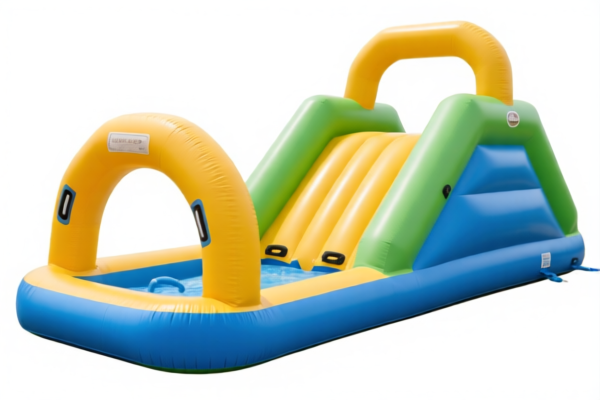
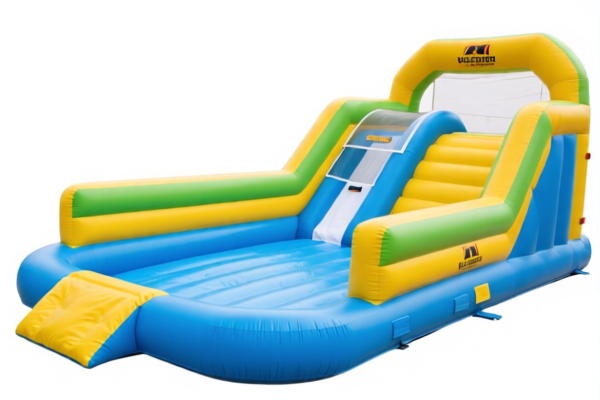
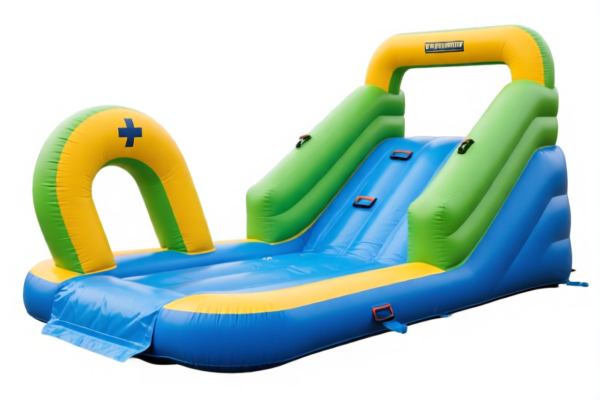
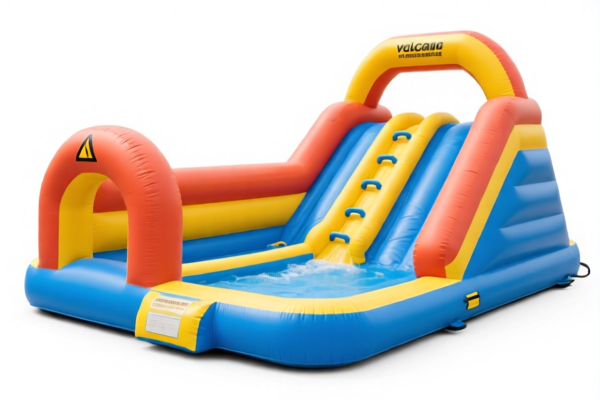
AI Analysis
🎢 Inflatable Vulcanized Rubber Water Park Equipment
🌐 HS Code Reference & Customs Clearance Guide | 2026 Latest Tariff Analysis | Professional Clearance Strategy
📌 I. Product Definition & Classification: Do You Really Know "Inflatable Water Park Equipment"?
Inflatable vulcanized rubber water park equipment refers to large-scale, air-filled recreational structures made from vulcanized rubber (or rubber-like compounds) rather than PVC or TPU. Unlike common PVC inflatables, vulcanized rubber implies a specific manufacturing process involving sulfur cross-linking, offering higher durability, heat resistance, and tear strength.
In international trade, these items are strictly categorized based on material composition and function:
- Rubber-based Inflatable Articles: Specifically classified under Chapter 40 (Rubber and Rubber Articles). If the primary material is vulcanized rubber (other than hard rubber), it falls here.
- Plastic-based Inflatable Articles: If the material is actually plastic (PVC, TPU, Nylon coated) but marketed as "rubber-like," it falls under Chapter 39 (Plastics). Note: True vulcanized rubber inflatables are rare in mass market; most "rubber" inflatables are PVC. However, based on the user's input "vulcanized rubber," we must prioritize Chapter 40.
- Sports Equipment: If the inflatable is designed specifically for water sports (e.g., water skiing, surfing aids), it may fall under Chapter 95.
⚠️ Critical Distinction:
- If it is purely recreational (slides, castles, obstacle courses) and made of vulcanized rubber → Chapter 40
- If it is made of plastic (PVC/TPU) → Chapter 39
- If it is sport-specific (e.g., water skis, boards) → Chapter 95
📦 II. HS Code Classification Details (2026 Latest Tariff Authority对照)
Based on the provided data, here are the precise HS Codes for "Inflatable vulcanized rubber water park equipment" and related items:
| HS Code | Product Description | Application Scenario | Material/Type |
|--------|--------------------------|--------------------------|
| 4016.95.00.00 | Other articles of vulcanized rubber other than hard rubber: Other: Other inflatable articles | Primary Choice: Large water park slides, inflatable castles, obstacle courses made of vulcanized rubber | ✅ Vulcanized Rubber |
| 4016.99.05.00 | Other articles of vulcanized rubber other than hard rubber: Other: Other: Household articles | Not Applicable: This is for household items, not water park equipment | ❌ Excluded |
| 3926.90.75.00 | Other articles of plastics...: Other: Pneumatic mattresses and other inflatable articles | Alternative: If the equipment is actually made of plastic (PVC/TPU) but labeled incorrectly as rubber | ✅ Plastic (Check Material!) |
| 3926.90.99.89 | Other articles of plastics...: Other: Other | Low Priority: General plastic articles, not specific to inflatables | ⚠️ Less Likely |
| 9506.29.00.80 | Articles for general physical exercise...: Other: Other Other (Water skis, surf boards, etc.) | Specific Use: If the inflatable is a water sport aid (e.g., water skis, surfboard shapes) | ✅ Sports Equipment |
| 9506.99.05.30 | Articles for general physical exercise...: Other: Archery articles and equipment... | Irrelevant: This is for archery, not water parks | ❌ Excluded |
🔍 Key Insight:
- Most "Inflatable Water Park Equipment" (slides, bouncy castles) is actually made of PVC/TPU, not vulcanized rubber. If your product is PVC, use3926.90.75.00.
- If it is True Vulcanized Rubber (high-end, industrial-grade, or specialized durability), use4016.95.00.00.
- Do not classify recreational inflatables under9506unless they are specific water sports equipment (like water skis), not general amusement structures.
💰 III. 2026 Latest Tariff Rate Details (Detailed Breakdown)
✅ Applicable Country: United States (US)
✅ Origin: China (CN)
✅ Effective Date: Current tariffs apply (Note: Data reflects 2026 trends with added Section 301/IEEPA surcharges)
🎯 1. 4016.95.00.00 —— Inflatable Articles of Vulcanized Rubber
| Item | Content |
|---|---|
| Base Tariff | 0.0% (Basic MFN rate) |
| Added Surcharge | 0.0% (No Section 301/IEEPA surcharge for this specific subheading in the provided data) |
| Total Tax Rate | 0.0% |
| Calculation | CIF Value × 0.0% = $0 |
| De Minimis | ✅ Available (If applicable for small shipments) |
| Legal Basis | USITC:4016.95.00.00 |
📌 Explanation:
- Inflatable articles of vulcanized rubber currently enjoy a 0% total tariff in the provided dataset.
- This is a significant advantage compared to plastic inflatables or other rubber goods.
- However, ensure the material is truly vulcanized rubber. If customs inspectors determine it is PVC, it may be reclassified.
🎯 2. 3926.90.75.00 —— Other Inflatable Articles (Plastic/PVC)
| Item | Content |
|---|---|
| Base Tariff | 0.0% |
| Added Surcharge | 0.0% |
| Total Tax Rate | 0.0% |
| Calculation | CIF Value × 0.0% = $0 |
| De Minimis | ✅ Available |
| Legal Basis | USITC:3926.90.75.00 |
📌 Explanation:
- Most common PVC/TPU water park equipment falls here.
- Also 0% total tax in the provided data.
- Risk: If you declare as rubber (4016) but it is plastic, customs may penalize for misclassification, though the rate is the same. Better to be accurate.
🎯 3. 9506.29.00.80 —— Water Sport Equipment (e.g., Water Skis, Surfboards)
| Item | Content |
|---|---|
| Base Tariff | 0.0% |
| Added Surcharge | 7.5% |
| Total Tax Rate | 7.5% |
| Calculation | CIF Value × 7.5% |
| De Minimis | ❌ Not Available (Typically for commercial goods) |
| Legal Basis | USITC:9506.29.00.80 |
📌 Explanation:
- Only applies if the inflatable is specifically designed as water sports equipment (e.g., inflatable water skis).
- 7.5% additional surcharge applies.
- Not suitable for general water park slides/castles.
🎯 4. 3926.90.99.89 —— Other Plastic Articles (General)
| Item | Content |
|---|---|
| Base Tariff | 5.3% |
| Added Surcharge | 7.5% |
| Total Tax Rate | 12.8% |
| Calculation | CIF Value × 12.8% |
| De Minimis | ❌ Not Available |
| Legal Basis | USITC:3926.90.99.89 |
📌 Explanation:
- Avoid this code if your product is an inflatable. Use3926.90.75.00instead (0% tax).
- This code is for general plastic articles not elsewhere specified. Misclassification here leads to 12.8% tax instead of 0%.
🛠️ IV. Customs Clearance Practical Advice (Battle-Tested Pitfall Guide)
✅ 1. Preparation Checklist (Non-negotiable)
| Document | Required | Notes |
|---|---|---|
| ✅ Material Test Report | ✔️ | Critical: Must prove whether it is Vulcanized Rubber or PVC/TPU. Use ISO/ASTM standards. |
| ✅ Product Photos | ✔️ | Show texture, seams, and inflation points. Rubber has a distinct matte/dull finish vs. glossy PVC. |
| ✅ Commercial Invoice | ✔️ | Clearly state: "Inflatable Water Park Equipment" or "Vulcanized Rubber Inflatable Slide". |
| ✅ Packing List | ✔️ | Specify deflated dimensions and weight. |
| ✅ CE/EN71 Certificate | ✔️ | Required for recreational equipment in many markets. |
| ✅ Origin Certificate | ✔️ | To verify Country of Origin (China). |
✅ 2. Declaration Strategy (Key Principles)
🔥 "Material First, Function Second, Code Accurate, Tax Saved!"
| Scenario | Correct HS Code | Incorrect Code | Consequence |
|---|---|---|---|
| PVC/TPU Inflatable Slide | 3926.90.75.00 (0%) |
4016.95.00.00 |
Misclassification risk; if caught, penalty + back taxes |
| True Vulcanized Rubber Inflatable | 4016.95.00.00 (0%) |
3926.90.99.89 (12.8%) |
Overpaying 12.8% tax |
| Water Ski (Sport Equipment) | 9506.29.00.80 (7.5%) |
4016.95.00.00 (0%) |
Underpaying tax; penalty risk |
| General Plastic Toy | 3926.90.99.89 (12.8%) |
4016.95.00.00 (0%) |
Severe misclassification; high penalty |
✅ 3. Special Cases
| Situation | Handling Advice |
|---|---|
| Mixed Material | If the product has rubber and plastic parts, declare based on the primary material or chief value. Provide a BOM (Bill of Materials). |
| OEM Custom Orders | Provide customer design drawings. Clarify if "rubber" is a marketing term or actual material. |
| Used Equipment | Used inflatables may face additional sanitary or phytosanitary checks. New is preferred. |
| High-Value Items | For high-value rubber inflatables, consider Advance Ruling from CBP to confirm classification. |
🌍 V. Global Market Comparison (2026 Latest)
| Country/Region | Recommended HS Code | Tariff | Certification | Notes |
|---|---|---|---|---|
| 🇺🇸 USA | 4016.95.00.00 |
0.0% | ASTM F2374 (Inflatable Play Structures) | No surcharge for rubber inflatables |
| 🇺🇸 USA | 3926.90.75.00 |
0.0% | ASTM F2374 | For PVC/TPU inflatables |
| 🇪🇺 EU | 4016.95 |
~2-5% | CE + EN71 | VAT varies by country |
| 🇨🇳 China | 4016.95 |
0-5% | CCC (if applicable) | Low import tax for rubber goods |
| 🇦🇺 Australia | 4016.95 |
5% | SAA | No additional surcharges |
📌 Conclusion:
- US Market: Both rubber (4016) and plastic (3926) inflatables currently have 0% total tariff in the provided data.
- Key Risk: Misclassification. If you declare PVC as rubber, and it fails material test, you face fraud penalties, not just tax differences.
- Recommendation: Always include a Material Test Report in the declaration packet.
📌 VI. Common Mistakes & Pitfall Guide (Blood-Tears Lessons)
❌ Mistake 1: Declaring PVC Inflatable as Vulcanized Rubber (4016)
👉 Consequence: If customs detects PVC via smell/texture/melting test, you face fraud charges + back taxes + fines. Even if tax is same (0%), the penalty is severe.
❌ Mistake 2: Using 3926.90.99.89 for Inflatables
👉 Consequence: Paying 12.8% tax instead of 0% for 3926.90.75.00. You can save money by using the correct subheading.
❌ Mistake 3: No Material Declaration
👉 Consequence: Customs holds the shipment for material verification, causing delays (1-2 weeks) and storage fees.
❌ Mistake 4: Calling it "Toy" for High-Value Water Park Equipment
👉 Consequence: May trigger stricter safety inspections (CPSC in US). Use "Recreational Equipment" or "Water Park Infrastructure".
✅ Correct Declaration Example:
"Inflatable Water Park Slide, Made of Vulcanized Rubber (Not PVC), For Recreational Use, Model XYZ, CE Certified"
🎯 VII. Conclusion: Professional Classification Saves Money and Time!
🎯 Remember the Mantra:
🔹 "Rubber is 4016, Plastic is 3926, Sports is 9506"
🔹 "Test Your Material, Avoid the 12.8%, Save the 0.0%!"
🔹 "HS Code is Life, Tax is Price, Classification is Key!"
📌 Pro Tip:
- If your product is PVC/TPU, use
3926.90.75.00(0% tax).- If it is True Vulcanized Rubber, use
4016.95.00.00(0% tax).- Never guess the material. Get a lab test to confirm.
- For water skis/surfboards, use
9506.29.00.80(7.5% tax).
📣 Immediate Action:
📞 Contact a Customs Broker + Provide Material Test Report + Apply for HS Code Pre-ruling
🚀 Let your water park equipment Clear Customs Smoothly, Save Costs, and Boost Profits!
✨ Professional Clearance Starts with Accurate Classification!
💼 Every Percent of Tax Saved is Pure Profit!
Customer Reviews
About HS Code Classification
The Harmonized System (HS) is an internationally standardized nomenclature developed by the World Customs Organization (WCO) to classify traded products. Over 200 countries use the HS system as the basis for customs tariffs, trade statistics, and import/export regulations.
Each HS code follows a hierarchical structure:
- Chapter (2 digits) — Broad category of goods (e.g., Chapter 84: Machinery and Mechanical Appliances)
- Heading (4 digits) — More specific grouping within the chapter
- Subheading (6 digits) — Internationally standardized breakdown, used by all WCO member countries
- National subdivisions (8-10 digits) — Country-specific extensions for further classification, such as US HTSUS 10-digit codes
Correct HS code classification is essential for smooth customs clearance, accurate duty payment, and compliance with trade regulations. Misclassification can lead to customs delays, overpayment of duties, or penalties.
When importing from CN to US, the applicable tariff rates may include:
- Most-Favored-Nation (MFN) rate — The standard duty rate applied to WTO members
- General rate — Applied to countries without trade agreements
- Trade remedy duties — Additional tariffs such as Section 301 (anti-dumping), Section 232 (national security), or countervailing duties
The information provided on this page is for reference purposes only. For official classification, please consult with your local customs authority or a licensed customs broker.