Inorganic Metal Brazing Rods
CN → US| HS Code | Tariff Rate | Origin | Destination | Doc |
|---|---|---|---|---|
| 8311303000 | 35.0% | CN | US | Official Doc |
| 8311306000 | 35.0% | CN | US | Official Doc |
Product Images
AI Analysis
🔥 Inorganic Metal Brazing Rods (Soldering/Brazing/Welding Filler Metals)
🌐 HS Code Reference & Customs Clearance Guide | 2026 Latest Tariff Analysis | Professional Entry Strategy
📌 I. Product Definition & Classification: What Exactly Are "Inorganic Metal Brazing Rods"?
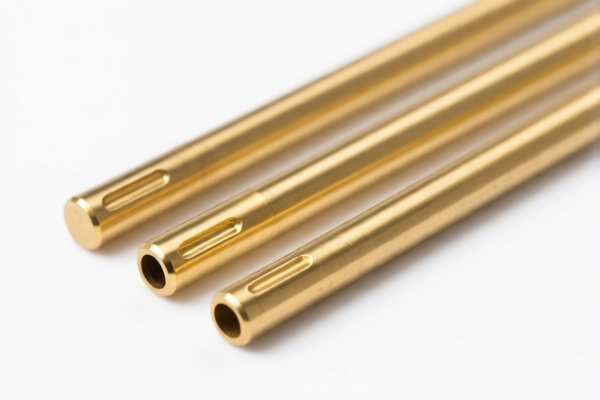
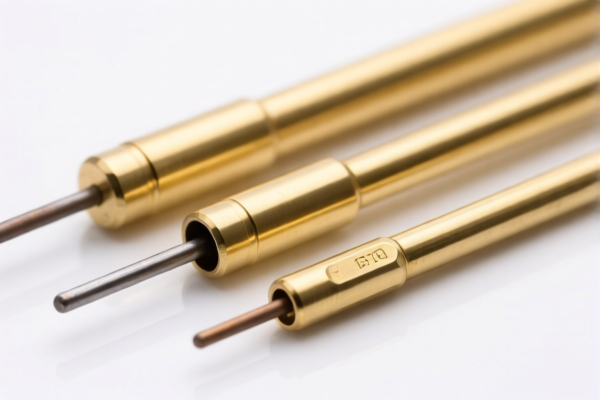
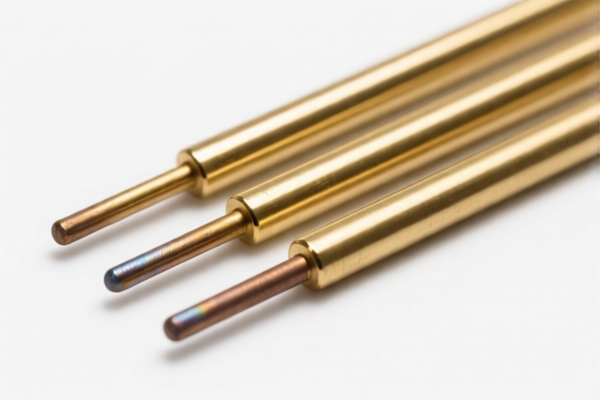
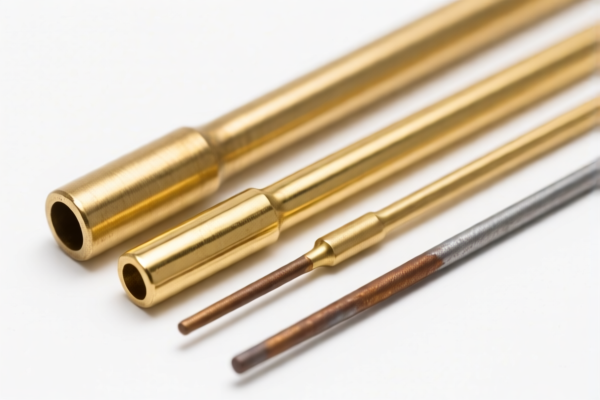
Inorganic Metal Brazing Rods, scientifically referred to as Coated rods and cored wire, of base metal, are essential consumables used in industrial joining processes. They are designed to melt at lower temperatures than the base metals being joined, facilitating soldering, brazing, or welding by flame.
In international trade, these rods are strictly categorized by their chemical composition, specifically the ratio of metals involved. The two primary categories relevant to customs classification are:
- Lead-Tin Solders: Alloys primarily composed of Lead (Pb) and Tin (Sn). Historically used for electrical connections and plumbing, though usage is declining due to environmental regulations.
- Other Brazing/Welding Rods: All other base metal alloys used for brazing or welding, including Silver, Copper-Phosphorus, Nickel, Aluminum, and Bronze rods. These are critical for structural integrity in automotive, HVAC, and heavy machinery industries.
⚠️ Key Distinction Point:
- If the rod is a Lead-Tin alloy (commonly used for low-temperature soldering) → It falls under HS Code 8311.30.30.00.
- If the rod is anything else (Silver brazing, Copper-Phosphorus, Nickel, Stainless Steel, etc.) → It falls under HS Code 8311.30.60.00.
- Note: "Inorganic" here refers to the metal base itself, distinguishing them from organic fluxes or coatings that may be present but do not define the primary material classification.
📦 II. HS Code Classification Details (2026 Latest Tariff Authority Match)
| HS Code | Product Description | Applicable Scenarios | Material Composition |
|---|---|---|---|
8311.30.30.00 |
Coated rods and cored wire: Lead-tin solders | Electrical soldering, low-temp plumbing repairs, heritage electronics | High Lead + Tin alloy |
8311.30.60.00 |
Coated rods and cored wire: Other | HVAC, automotive welding, silver brazing, stainless steel welding | Silver, Copper, Nickel, Aluminum, Bronze, etc. |
🔍 Critical Reminder:
- Do not misclassify "Silver Brazing Rods" as "Lead-Tin." Even if they are "solders" in a broad sense, if they contain significant Silver or Copper-Phosphorus, they must go to 8311.30.60.00.
- Do not misclassify "Lead-Tin" as "Other." If Lead is a primary component for soldering purposes, it must go to 8311.30.30.00 to avoid potential regulatory scrutiny regarding hazardous materials.
💰 III. 2026 Latest Tariff Rate Breakdown (Including Surtaxes & Policy Add-ons)
✅ Applicable Country: United States (US)
✅ Origin: China (CN)
✅ Effective Date: 2025/2026 Trade Policy Context
Both HS Codes listed in the data share the same tax structure under current US import regulations for Chinese-origin goods.
🎯 1. 8311.30.30.00 —— Lead-Tin Solders
| Item | Content |
|---|---|
| Base Tariff Rate | 0.0% (Ad Valorem) |
| Additional Tariff (Section 301/USITC) | +25.0% |
| Total Tariff Rate | 25.0% |
| Tax Calculation | CIF Value × 25% |
| De Minimis Exemption | ❌ Not Applicable (High-risk category for de minimis claims due to hazardous material associations) |
| Legal Basis Path | USITC:8311.30.30.00 → SECTION 301 FOOTNOTE → 25% SURTAX |
📌 Explanation:
- Although the Base Tariff is 0%, the 25% Additional Tariff significantly increases the cost.
- This tariff is part of the ongoing trade measures targeting specific Chinese metal products.
- Lead-Tin products may face additional scrutiny from EPA or state-level environmental customs checks due to toxic content.
🎯 2. 8311.30.60.00 —— Other Brazing/Welding Rods (e.g., Silver, Copper, Nickel)
| Item | Content |
|---|---|
| Base Tariff Rate | 0.0% (Ad Valorem) |
| Additional Tariff (Section 301/USITC) | +25.0% |
| Total Tariff Rate | 25.0% |
| Tax Calculation | CIF Value × 25% |
| De Minimis Exemption | ❌ Not Applicable |
| Legal Basis Path | USITC:8311.30.60.00 → SECTION 301 FOOTNOTE → 25% SURTAX |
📌 Note:
- Silver Brazing Rods: Despite high intrinsic material value, the tariff is still 25%. There is no reduced rate for high-value alloys under this HS code for Chinese origin.
- Industrial Necessity: These rods are often critical for manufacturing (HVAC, automotive), making them less elastic for demand drops, but the 25% tariff remains a fixed cost burden.
🛠️ IV. Customs Clearance Practical Advice (Real-World Pitfall Guide)
✅ 1. Preparation Checklist (All Required)
| Document | Required | Explanation |
|---|---|---|
| ✅ Product Composition Certificate | ✔️ | Must explicitly state % of Lead, Tin, Silver, Copper, etc. Crucial for distinguishing between .30 and .60 codes. |
| ✅ Technical Data Sheet (TDS) | ✔️ | Shows melting point, strength, and application. Proves it is for "Brazing/Soldering" and not structural welding electrode (which may have different codes). |
| ✅ Commercial Invoice | ✔️ | Clearly describe as "Brazing Rods" or "Soldering Wire," NOT "Steel Rods" or "Metal Bars." |
| ✅ Packing List | ✔️ | Specify net weight vs. gross weight. Lead-tin products require hazardous material declarations if packaged in certain ways. |
| ✅ Material Safety Data Sheet (MSDS) | ✔️ | Mandatory for Lead-Tin (.30.30). US Customs and EPA may require proof of safe handling and compliance with TSCA (Toxic Substances Control Act). |
✅ 2. Declaration Tips (Key Mnemonics)
🔥 “Chemical Composition Determines Code, 25% Tax is Fixed, Lead Needs MSDS!”
| Scenario | Correct Declaration | Common Error |
|---|---|---|
| Lead-Tin Solder | 8311.30.30.00 |
Misdeclaring as "Other" (.60) to avoid EPA scrutiny → Penalty/Seizure |
| Silver Brazing Rod | 8311.30.60.00 |
Misdeclaring as "Steel Wire" (7217) → Severe Fraud Penalty |
| Copper-Phosphorus Rod | 8311.30.60.00 |
Confusing with "Copper Wire" (7413) → Wrong Classification |
| Flux-Cored Wire | 8311.30.60.00 (or .30 if Lead-Tin) |
Declaring as "Flux" (3824) only → Under-valuation |
✅ 3. Special Handling for Hazardous Materials (Lead-Tin)
| Risk Factor | Mitigation Strategy |
|---|---|
| EPA/TSCA Compliance | Ensure the manufacturer provides a TSCA Certification. Importers must certify that the product does not violate TSCA prohibitions. |
| Packaging | Use leak-proof, non-reactive packaging. Label as "Potential Health Hazard" if required by GHS standards. |
| State-Level Restrictions | Some US states (e.g., California) have stricter lead content limits. Verify if the 0.1% or 0.01% lead thresholds for consumer vs. industrial use apply. |
🌍 V. Global Market Customs Comparison (2026 Update)
| Country/Region | Recommended HS Code | Tariff Rate (China Origin) | Certification Requirements | Notes |
|---|---|---|---|---|
| 🇺🇸 USA | 8311.30.30.00 / .60.00 |
25% (Total) | TSCA Certification, MSDS | No de minimis exemption. High scrutiny on Lead. |
| 🇨🇳 China | 8311.30.30.00 / .60.00 |
0% - 5% | GB Standards | Export friendly. Low import tariff for re-export. |
| 🇪🇺 EU | 8311.30.30.00 / .60.00 |
4.5% - 6.0% | REACH Compliance | Strict REACH registration for Lead/Tin. |
| 🇯🇵 Japan | 8311.30.30.00 / .60.00 |
3.0% - 4.0% | JIS Standards | High quality control requirements. |
| 🇲🇽 Mexico | 8311.30.30.00 / .60.00 |
0% - 5% (USMCA) | NOM Standards | Potential zero tariff under USMCA if originating in NA. |
📌 Conclusion:
- USA is the most expensive market due to the 25% Additional Tariff.
- EU and Japan have moderate tariffs but strict chemical safety regulations (REACH/JIS).
- Mexico offers a potential loophole: If brazing rods are manufactured in Mexico (e.g., by Chinese companies moving production), USMCA may allow 0% duty when exporting to the US.
📌 VI. Common Mistakes & Pitfalls (Lessons Learned)
❌ Mistake 1: Declaring all brazing rods as 8311.30.60.00 to simplify paperwork.
👉 Consequence: If the product is Lead-Tin, Customs will seize it for regulatory non-compliance (EPA) and issue a 25% fine + back taxes.
❌ Mistake 2: Ignoring TSCA Certification for Lead-Tin products.
👉 Consequence: Detention at port until TSCA documents are provided. Delays cost thousands in demurrage.
❌ Mistake 3: Misidentifying "Flux-Cored Wire" as pure "Metal Rods."
👉 Consequence: Flux content may change the chemical calculation. Must declare the base metal composition accurately.
❌ Mistake 4: Assuming "Other" means "Low Tax."
👉 Consequence: Under the current US-China trade war, "Other" brazing rods also face 25% surtax. There is no tax advantage for non-lead products.
✅ Correct Practice:
"Brazing Rod, Silver-Copper-Phosphorus Alloy, 5% Silver, Coated with Borax Flux, HS 8311.30.60.00, 25% Tariff Applies, TSCA Not Required."
🎯 VII. Conclusion: Professional Clearance, Cost Optimization!
🎯 Remember the Mantra:
🔹 "Lead-Tin is .30, Other is .60, Both are 25% in USA!"
🔹 "MSDS is King for Lead, Composition is Queen for All!"
📌 Pro Tip:
If you are importing large volumes into the US, consider supply chain diversification. Sourcing brazing rods from Vietnam, Thailand, or Mexico (where local production exists) may allow you to bypass the 25% US Surtax through preferential trade agreements.
📣 Immediate Action:
📞 Verify Chemical Composition with your supplier.
📄 Request TSCA/MSDS before shipping.
🚀 Pre-calculate Landed Cost with 25% tax included to ensure margin safety.
✨ Professional Customs Clearance Starts with Accurate Classification!
💼 Your Margin Depends on the 25% Difference!
Customer Reviews
About HS Code Classification
The Harmonized System (HS) is an internationally standardized nomenclature developed by the World Customs Organization (WCO) to classify traded products. Over 200 countries use the HS system as the basis for customs tariffs, trade statistics, and import/export regulations.
Each HS code follows a hierarchical structure:
- Chapter (2 digits) — Broad category of goods (e.g., Chapter 84: Machinery and Mechanical Appliances)
- Heading (4 digits) — More specific grouping within the chapter
- Subheading (6 digits) — Internationally standardized breakdown, used by all WCO member countries
- National subdivisions (8-10 digits) — Country-specific extensions for further classification, such as US HTSUS 10-digit codes
Correct HS code classification is essential for smooth customs clearance, accurate duty payment, and compliance with trade regulations. Misclassification can lead to customs delays, overpayment of duties, or penalties.
When importing from CN to US, the applicable tariff rates may include:
- Most-Favored-Nation (MFN) rate — The standard duty rate applied to WTO members
- General rate — Applied to countries without trade agreements
- Trade remedy duties — Additional tariffs such as Section 301 (anti-dumping), Section 232 (national security), or countervailing duties
The information provided on this page is for reference purposes only. For official classification, please consult with your local customs authority or a licensed customs broker.