Inorganic Phosphate Additives
CN → US| HS Code | Tariff Rate | Origin | Destination | Doc |
|---|---|---|---|---|
| 2835295100 | 39.1% | CN | US | Official Doc |
| 2835220000 | 36.4% | CN | US | Official Doc |
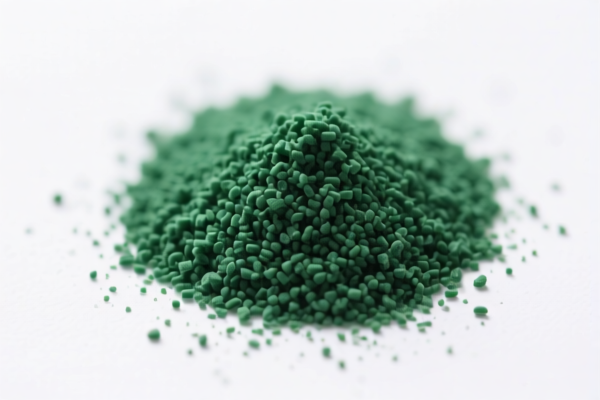
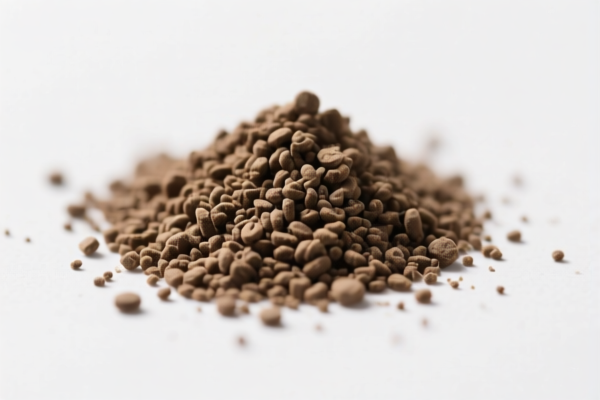
Product Images
AI Analysis
🧪 Inorganic Phosphate Additives (Food & Industrial Grade)
🌐 HS Code Reference & Customs Clearance Guide | 2026 Latest Tariff Analysis | Professional Clearance Strategy
📌 I. Product Definition & Classification: Do You Really Understand "Inorganic Phosphates"?
Inorganic phosphate additives, primarily used in food processing (as leavening agents, emulsifiers, or stabilizers) and industrial applications, are chemically classified under Chapter 28 of the Harmonized System. Specifically, they fall under Heading 28.35, which covers "Phosphinates (hypophosphites), phosphonates (phosphites) and phosphates; polyphosphates, whether or not chemically defined."
Because "Inorganic Phosphate Additives" is a broad term, the correct HS Code depends entirely on the chemical composition and specific salt form of the product. The most common forms for food-grade additives are:
- Mono- or Disodium Phosphates: Often used as buffering agents or leavening agents (e.g., Sodium Acid Pyrophosphate, Monosodium Phosphate).
- Other Phosphates: Includes trisodium phosphate, calcium phosphates, magnesium phosphates, or mixed salts not specifically listed as mono/disodium.
⚠️ Key Distinction:
- If the product is specifically Mono- or Disodium Phosphate → It falls under 2835.22.00.00.
- If the product is any other phosphate (e.g., Trisodium Phosphate, Calcium Phosphate, or unspecified mixtures) → It falls under 2835.29.51.00 ("Other: Other").
📦 II. HS Code Classification Details (2026 Latest Tariff Authority Comparison)
Based on the provided data, here are the two possible classifications for Inorganic Phosphate Additives:
| HS Code | Product Description | Applicable Scenario | Chemical Nature |
|---|---|---|---|
2835.22.00.00 |
Phosphates: Of mono- or disodium | Food-grade Sodium Phosphate additives, buffering agents, specific sodium salts | ✅ Specific Salt (Sodium) |
2835.29.51.00 |
Phosphates: Other: Other | Trisodium phosphate, Calcium phosphate, Mixed phosphates, or unspecified chemical phosphates | ✅ Other Salts |
🔍 Critical Reminder:
- Do NOT group all phosphates together. If you are shipping Monosodium Phosphate or Disodium Phosphate, you must use2835.22.00.00.
- If you are shipping Trisodium Phosphate (TSP), Calcium Phosphate, or a blend, you must use2835.29.51.00.
- Misclassification (e.g., declaring TSP as Disodium Phosphate) can lead to customs delays, re-inspection, and penalties.
💰 III. 2026 Latest Tariff Rate Details (Including Additional Taxes & Policies)
✅ Applicable Country: United States (US)
✅ Country of Origin: China (CN) (Assumed based on typical trade context for these products; verify if origin differs)
✅ Effective Date: Current rates apply as per provided data.
🎯 1. 2835.22.00.00 —— Phosphates: Of mono- or disodium
| Item | Content |
|---|---|
| Base Tariff Rate | 0.0% |
| Additional Tariff (Section 301) | 0.0% |
| Total Tax Rate | 0.0% |
| Tax Calculation | CIF Value × 0% = $0 |
| De Minimis Eligibility | ✅ Yes (if value < $800) |
| Legal Basis | HTSUS 2835.22.00.00 |
📌 Explanation:
- Mono- and Disodium Phosphates currently enjoy a zero tariff rate under the base HTSUS and do not appear to be subject to additional Section 301 tariffs in the provided data.
- This makes these specific additives highly cost-effective for import.
🎯 2. 2835.29.51.00 —— Phosphates: Other: Other
| Item | Content |
|---|---|
| Base Tariff Rate | 0.0% |
| Additional Tariff (Section 301) | 0.0% |
| Total Tax Rate | 0.0% |
| Tax Calculation | CIF Value × 0% = $0 |
| De Minimis Eligibility | ✅ Yes (if value < $800) |
| Legal Basis | HTSUS 2835.29.51.00 |
📌 Explanation:
- Other Phosphates (such as Trisodium, Calcium, or mixed phosphates) also currently have a zero tariff rate according to the provided data.
- Note: While the tariff is 0%, these goods may still be subject to FDA regulations if used as food additives, requiring additional compliance documentation.
🛠️ IV. Customs Clearance Practical Advice (Real-World Pitfall Avoidance Guide)
✅ 1. Required Documentation Checklist (Essential)
| Document | Mandatory | Notes |
|---|---|---|
| ✅ Commercial Invoice | ✔️ | Must clearly state "Inorganic Phosphate" and specify the exact chemical name (e.g., "Sodium Phosphate Dibasic"). |
| ✅ Product Specification Sheet | ✔️ | Include CAS number, purity level, and chemical structure. Crucial for distinguishing between mono/disodium vs. other. |
| ✅ Certificate of Analysis (COA) | ✔️ | For food-grade products, FDA requires proof of safety and purity. |
| ✅ FDA Prior Notice | ✔️ | Mandatory for food additives imported into the US. Submit via PNO system before arrival. |
| ✅ Free Sale Certificate | ✔️ | Proof that the product is freely sold in the country of origin. |
| ✅ Safety Data Sheet (SDS) | ✔️ | Required for customs and safety inspection. |
✅ 2. Declaration Tips (Key Mantras)
🔥 “Specific Name, Exact CAS, Zero Tariff, FDA Ready!”
| Scenario | Correct Declaration | Incorrect Action |
|---|---|---|
| Monosodium Phosphate | 2835.22.00.00 - "Monosodium Phosphate, Food Grade" |
Declaring as "Phosphate Fertilizer" → Wrong Code, Potential Penalty |
| Trisodium Phosphate | 2835.29.51.00 - "Trisodium Phosphate, Industrial/Food Grade" |
Declaring as "Disodium Phosphate" → Misclassification Risk |
| Food Additive Blend | 2835.29.51.00 - "Phosphate Buffering Agent Blend" |
Vague description like "Chemical Additive" → Customs Hold |
| Industrial Grade Only | 2835.29.51.00 - "Calcium Phosphate, Industrial" |
Not specifying grade → May trigger FDA review unnecessarily |
✅ 3. Special Situations Handling
| Situation | Handling Advice |
|---|---|
| Food vs. Industrial Use | If intended for food, FDA Prior Notice is mandatory. If industrial, still provide SDS but FDA notice may not be required (check specific product). |
| Mixed Phosphate Blends | Declare as "Other Phosphates" (2835.29.51.00) unless the blend is predominantly mono/disodium and clearly defined. |
| Origin Beyond China | If shipped from Vietnam, Thailand, etc., check for GSP (Generalized System of Preferences) or FTAA benefits. The provided data shows 0% for China, but other origins may have different rules. |
| FDA Registration | Ensure the foreign facility is registered with the FDA if the product is food-grade. |
🌍 V. Global Market Clearance Comparison (2026 Latest)
| Country/Region | Recommended HS Code | Tariff (China Origin) | Certification Requirement | Notes |
|---|---|---|---|---|
| 🇺🇸 USA | 2835.22.00.00 / 2835.29.51.00 |
0.0% | FDA Prior Notice + CFR Compliance | Zero tariff, but strict FDA rules |
| 🇪🇺 EU | 2835.29 (General) |
Varies (0-6.5%) | EFSA Approval + REACH | Higher regulatory bar for food additives |
| 🇨🇳 China | 2835.22 / 2835.29 |
0-5% | GB Standards | Import license may be needed |
| 🇬🇧 UK | 2835.22 / 2835.29 |
0-6.5% | FSA Approval | Post-Brexit rules apply |
| 🇯🇵 Japan | 2835.22 / 2835.29 |
0-5% | Food Additive Standards | Strict purity standards |
📌 Conclusion:
- The US offers the lowest tariff (0%) for these specific phosphate codes, making it a competitive market for import.
- However, the non-tariff barrier (FDA/NFDA regulations) is significantly higher than tariff costs. Ensure full compliance to avoid shipment rejection.
📌 VI. Common Mistakes & Pitfall Guide (Blood & Tears Lessons)
❌ Mistake 1: Declaring "Phosphate Additives" without specifying the chemical name.
👉 Consequence: Customs cannot determine the correct 10-digit HS code → Hold for Inspection (Delay: 2-4 weeks).
❌ Mistake 2: Failing to file FDA Prior Notice for food-grade phosphates.
👉 Consequence: Refusal of Entry → Shipment returned or destroyed → Loss of cargo value.
❌ Mistake 3: Using "Fertilizer" description for food-grade phosphates.
👉 Consequence: Customs may apply agricultural quotas or pesticide regulations → Higher tariffs and delays.
❌ Mistake 4: Ignoring the difference between Mono/Disodium and Other Phosphates.
👉 Consequence: While both are 0% in this data, incorrect classification can lead to audit flags and penalties for misdeclaration.
✅ Correct Practice:
"Sodium Phosphate Dibasic (Disodium Phosphate), Food Grade, CAS 7558-79-4, FDA Prior Notice Filed"
🎯 VII. Conclusion: Professional Clearance Saves Money & Time!
🎯 Remember the Mantra:
🔹 "Specific Name, Exact CAS, FDA Notice, Zero Tariff!"
🔹 "HS Code decides duty, FDA decides entry, declare correctly, sleep well!"
📌 Pro Tip:
- If your phosphate additive is food-grade, ensure the manufacturer is FDA-registered and the product is on the FDA GRAS (Generally Recognized As Safe) list or has a pre-notification.
- For industrial grades, focus on SDS accuracy and hazard communication compliance.
📣 Immediate Action:
📞 Consult a Customs Broker to verify the exact chemical description against HTSUS 2835.
📄 File FDA Prior Notice at least 2 hours before arrival (food grade).
🚀 Ensure your HS Code matches the chemical spec sheet exactly!
✨ Professional Clearance Starts with Accurate Classification!
💼 Your Every Penny is Worth Precise Calculation!
Customer Reviews
About HS Code Classification
The Harmonized System (HS) is an internationally standardized nomenclature developed by the World Customs Organization (WCO) to classify traded products. Over 200 countries use the HS system as the basis for customs tariffs, trade statistics, and import/export regulations.
Each HS code follows a hierarchical structure:
- Chapter (2 digits) — Broad category of goods (e.g., Chapter 84: Machinery and Mechanical Appliances)
- Heading (4 digits) — More specific grouping within the chapter
- Subheading (6 digits) — Internationally standardized breakdown, used by all WCO member countries
- National subdivisions (8-10 digits) — Country-specific extensions for further classification, such as US HTSUS 10-digit codes
Correct HS code classification is essential for smooth customs clearance, accurate duty payment, and compliance with trade regulations. Misclassification can lead to customs delays, overpayment of duties, or penalties.
When importing from CN to US, the applicable tariff rates may include:
- Most-Favored-Nation (MFN) rate — The standard duty rate applied to WTO members
- General rate — Applied to countries without trade agreements
- Trade remedy duties — Additional tariffs such as Section 301 (anti-dumping), Section 232 (national security), or countervailing duties
The information provided on this page is for reference purposes only. For official classification, please consult with your local customs authority or a licensed customs broker.