Inorganic Pigments
CN → US| HS Code | Tariff Rate | Origin | Destination | Doc |
|---|---|---|---|---|
| 2821100050 | 38.7% | CN | US | Official Doc |
| 3206500000 | 41.5% | CN | US | Official Doc |
| 3206496050 | 38.1% | CN | US | Official Doc |
| 2821100030 | 38.7% | CN | US | Official Doc |
Product Images
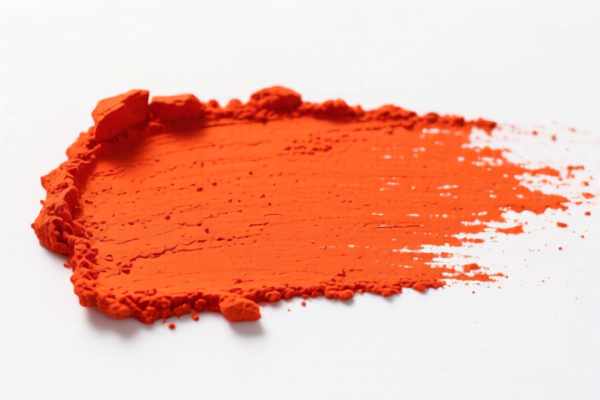
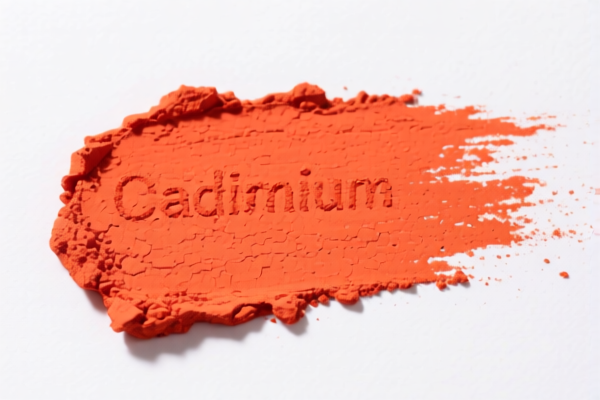
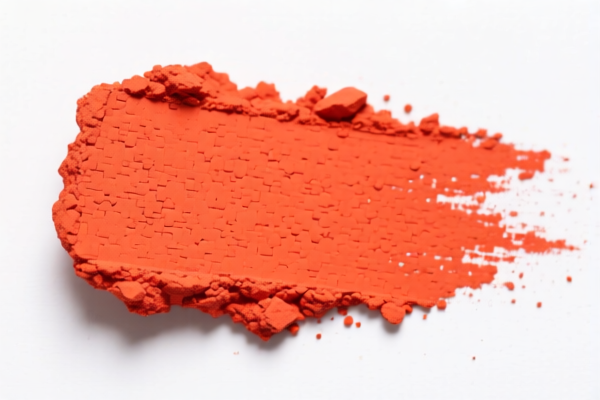
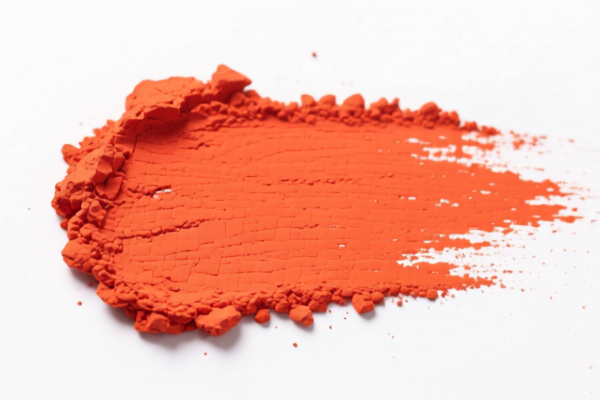
AI Analysis
🎨 Inorganic Pigments (无机着色剂)
🌐 HS Code Reference & Customs Clearance Guide | 2026 Latest Tariff Analysis | Professional Clearance Strategy
📌 Part 1: Product Definition & Classification: What Exactly Are "Inorganic Pigments"?
Inorganic pigments are chemically stable, non-organic colorants derived from minerals or synthetic inorganic compounds. Unlike organic pigments, they are known for their heat resistance, lightfastness, and chemical inertness. In international trade, they are primarily categorized into two main groups based on their chemical structure:
- Iron Oxides and Hydroxides (氧化铁及氢氧化物): The most common class, including rust-reds, yellows, and blacks (e.g., Ferrous Oxide).
- Other Inorganic Colorants (其他无机着色料): Including Chromium oxides, Cobalt blue, Titanium dioxide (in some contexts), and other metal salts or compounds not classified under Chapter 28.
⚠️ Key Distinction Point:
- If the product is Iron Oxide/Hydroxide → It falls under Chapter 28 (Inorganic Chemicals).
- If the product is Other Inorganic Colorant (not Iron Oxide) → It falls under Chapter 32 (Tanning/Dyeing Extracts; Pigments).
- Critical Note: The presence of specific additives or binding agents can shift the classification, but for pure inorganic powders, the chemical nature dictates the HS Code.
📦 Part 2: HS Code Classification Details (2026 Latest Tariff Authoritative Comparison)
Based on the provided data, here are the four possible HS Codes for Inorganic Pigments, with their corresponding tax rates and rationales.
| HS Code | Product Description | Summary of Classification Logic | Total Tax Rate* |
|---|---|---|---|
2821.10.00.50 |
Iron Oxides & Hydroxides (Other) | Falls under the "Other" category catch-all for Iron Oxides within Chapter 28. Matches the chemical nature of inorganic iron-based pigments. | 38.7% |
3206.50.00.00 |
Other Colorants/Preparations (Inorganic) | Material matches inorganic nature; function meets pigment requirements. General inorganic colorant category in Chapter 32. | 41.5% |
3206.49.60.50 |
Other Colorants (Excluding Cadmium) | Falls under "Other inorganic pigments" excluding specific heavy metals like Cadmium. Matches the definition of non-cadmium inorganic colorants. | 38.1% |
2821.10.00.30 |
Iron Oxides & Hydroxides (Specific) | Specific sub-category for Iron Oxides/Hydroxides. Shape/attribute aligns with pigment properties, similar to synthetic pigments. | 38.7% |
🔍 Key Reminder:
- Chapter 28 vs. Chapter 32: If the pigment is primarily Iron Oxide, it must be declared under 2821. Misdeclaring Iron Oxide as a general pigment under 3206 can lead to customs rejection or penalties.
- Cadmium Check: If the pigment contains Cadmium compounds, it cannot be classified under3206.49.60.50(which excludes Cadmium). Cadmium pigments have stricter environmental restrictions and different HS codes (often under 3206.11 or similar).
💰 Part 3: 2026 Latest Tariff Rate Breakdown (Including Surcharges & Policy Add-ons)
✅ Applicable Country: United States (US)
✅ Origin: China (CN)
✅ Effective Time: 2025/2026 Import Period
🎯 1. 2821.10.00.50 & 2821.10.00.30 —— Iron Oxides & Hydroxides
| Item | Content |
|---|---|
| Base Tariff | 3.7% (Ad valorem) |
| Section 301 Surcharge | +25.0% (USITC Footnote, applicable to most Chinese goods) |
| Section 122 Tariff | +10.0% (Specific surcharge for certain inorganic chemicals/materials) |
| Total Tax Rate | 38.7% |
| Tax Calculation | CIF Value × 38.7% |
| De Minimis Eligibility | ❌ No (Deny De Minimis) |
| Legal Basis Path | HTSUS:2821.10 → Section 301 List → Section 122 Add-on |
📌 Explanation:
- The 3.7% is the standard Most Favored Nation (MFN) rate for Iron Oxides.
- The 25% is the standard Section 301 tariff on Chinese goods.
- The 10% is an additional specific surcharge applied under Section 122 for this chemical category.
- Total: 38.7%. This is a high-cost category for iron-based pigments.
🎯 2. 3206.50.00.00 —— Other Inorganic Colorants (General)
| Item | Content |
|---|---|
| Base Tariff | 6.5% (Ad valorem) |
| Section 301 Surcharge | +25.0% |
| Section 122 Tariff | +10.0% |
| Total Tax Rate | 41.5% |
| Tax Calculation | CIF Value × 41.5% |
| De Minimis Eligibility | ❌ No (Deny De Minimis) |
| Legal Basis Path | HTSUS:3206.50 → Section 301 List → Section 122 Add-on |
📌 Note:
- This is the highest tax rate among the four options.
- Use this code only if the pigment is NOT Iron Oxide and does not fit the "excluding Cadmium" specific sub-category.
- Higher base rate (6.5%) leads to a higher total cost despite the same surcharges.
🎯 3. 3206.49.60.50 —— Other Inorganic Colorants (Non-Cadmium)
| Item | Content |
|---|---|
| Base Tariff | 3.1% (Ad valorem) |
| Section 301 Surcharge | +25.0% |
| Section 122 Tariff | +10.0% |
| Total Tax Rate | 38.1% |
| Tax Calculation | CIF Value × 38.1% |
| De Minimis Eligibility | ❌ No (Deny De Minimis) |
| Legal Basis Path | HTSUS:3206.49 → Section 301 List → Section 122 Add-on |
📌 Important:
- This is the most tax-efficient option for non-iron, non-cadmium inorganic pigments.
- The low base rate (3.1%) saves 0.6% compared to Iron Oxides and 3.4% compared to the general inorganic category.
- Crucial: Ensure the pigment does not contain Cadmium. If it does, this code is invalid.
🛠️ Part 4: Customs Clearance Practical Advice (Battle-Tested Pitfall Guide)
✅ 1. Documentation Checklist (Mandatory)
| Document | Required | Description |
|---|---|---|
| ✅ Product Specification Sheet | ✔️ | Must include Chemical Composition (e.g., Fe₂O₃ %, other oxides), Particle Size, Color Index (CI Number). |
| ✅ MSDS (Material Safety Data Sheet) | ✔️ | Critical for inorganic chemicals. Must indicate non-hazardous or specific hazard class. |
| ✅ Commercial Invoice | ✔️ | Must clearly state: "Inorganic Pigment, [Chemical Name], [HS Code]". Avoid vague terms like "Color Powder". |
| ✅ Certificate of Origin (CO) | ✔️ | To prove origin. If not China, check for FTA benefits (though Section 301/122 often still apply). |
| ✅ Test Report | ✔️ | Third-party lab report confirming chemical composition (especially to prove no Cadmium if using 3206.49). |
✅ 2. Declaration Tips (Key Mnemonics)
🔥 "Iron goes to 28, Others to 32. No Cadmium in 3206.49. Watch the 122 add-on!"
| Scenario | Correct Declaration | Wrong Practice |
|---|---|---|
| Iron Oxide (Red/Yellow/Black) | 2821.10.00.30 or .50 |
Declare as "Pigment" under 3206 → Customs Rejection |
| Chromium Oxide Green | 3206.49.60.50 |
Declare under 2821 → Wrong Classification |
| Cadmium Red | Do NOT use 3206.49.60.50 | Use specific Cadmium code (e.g., 3206.11) → Strict Regulation |
| Titanium Dioxide | Often 3206.11 (Not in this list) |
Using inorganic general codes → Misdeclaration |
✅ 3. Special Situation Handling
| Situation | Handling Advice |
|---|---|
| Mixed Pigments | If the product is a mixture (e.g., Iron Oxide + Organic Binder), it may still be classified as an Inorganic Pigment if the inorganic content is dominant. Provide detailed formula. |
| Cadmium Content | If any Cadmium is present, exclude 3206.49.60.50. Cadmium pigments are heavily regulated under EPA/FDA and may require additional permits. |
| Small Samples | Even small samples (<$800) are NOT eligible for De Minimis exemption due to Section 301/122 and specific chemical controls. Pay full tax. |
| Pre-receiving Inspection | For large shipments, consider a Pre-Shipment Inspection to verify chemical composition matches the HS Code declaration, avoiding delays at port. |
🌍 Part 5: Global Market Clearance Comparison (2026 Latest)
| Country/Region | Recommended HS Code | Tariff Estimate | Certification | Notes |
|---|---|---|---|---|
| 🇺🇸 USA | 2821.10 or 3206.49 |
38.1% - 41.5% | TSCA Compliance | High tariffs due to Section 301 & 122. |
| 🇨🇳 China | 3204 or 2821 |
3.7% - 6.5% | REACH (if exported) | No Section 301. Lower entry barrier. |
| 🇪🇺 EU | 3206 or 2821 |
0% - 6.5% | REACH Registration | REACH registration is mandatory for chemicals >1 ton/year. |
| 🇯🇵 Japan | 3206 or 2821 |
0% - 5% | JIS Standard | Generally low tariffs, but strict purity standards. |
📌 Conclusion:
- USA is the most expensive market for inorganic pigments due to the 301 + 122 double whammy.
- EU and Japan are more tariff-friendly but have strict chemical regulations (REACH in EU).
- Cost Optimization: If possible, source non-iron, non-cadmium inorganic pigments and classify under3206.49.60.50to save 0.6% vs. Iron Oxides.
📌 Part 6: Common Mistakes & Pitfall Guide (Blood Lessons)
❌ Mistake 1: Declaring Iron Oxide as "General Pigment" (3206.50)
👉 Consequence: Higher tax (41.5% vs 38.7%) + Customs Query for chemical proof.
❌ Mistake 2: Using 3206.49.60.50 for Cadmium-containing pigments
👉 Consequence: Severe Penalty. Cadmium is a restricted substance. Misdeclaration leads to shipment seizure.
❌ Mistake 3: Assuming "De Minimis" applies to small shipments
👉 Consequence: No Exemption. Section 301/122 surcharges apply regardless of value. You will pay tax on even a $50 sample.
✅ Correct Practice:
"Inorganic Pigment, Iron Oxide Red, Fe₂O₃ >90%, Particle Size <10μm, CI 77491, Non-Cadmium, HS Code: 2821.10.00.50"
🎯 Part 7: Conclusion: Professional Declaration, Save Costs, Ensure Clearance!
🎯 Remember the Mnemonic:
🔹 "Iron in 28, Others in 32. No Cadmium in .49. Watch the 122!"
🔹 "Tax Difference is 0.6% – 3.4%, But Customs Risk is 100%!"
📌 Pro Tip:
- If your inorganic pigments are originating from Vietnam, Mexico, or Thailand, you may be exempt from Section 301 tariffs, reducing the total tax burden significantly.
- For large volume imports, consider applying for a Customs Ruling (Advance Ruling) to confirm the HS Code before shipment, avoiding clearance delays and penalties.
📣 Immediate Action:
📞 Contact a licensed Customs Broker + Provide MSDS & Formula + Apply for Pre-Ruling
🚀 Let your Inorganic Pigments, Clear Customs Smoothly, Expand Markets, Maximize Profit!
✨ Professional Clearance Starts with Accurate Classification!
💼 Every Cent of Tax You Save, is Profit You Keep!
Customer Reviews
About HS Code Classification
The Harmonized System (HS) is an internationally standardized nomenclature developed by the World Customs Organization (WCO) to classify traded products. Over 200 countries use the HS system as the basis for customs tariffs, trade statistics, and import/export regulations.
Each HS code follows a hierarchical structure:
- Chapter (2 digits) — Broad category of goods (e.g., Chapter 84: Machinery and Mechanical Appliances)
- Heading (4 digits) — More specific grouping within the chapter
- Subheading (6 digits) — Internationally standardized breakdown, used by all WCO member countries
- National subdivisions (8-10 digits) — Country-specific extensions for further classification, such as US HTSUS 10-digit codes
Correct HS code classification is essential for smooth customs clearance, accurate duty payment, and compliance with trade regulations. Misclassification can lead to customs delays, overpayment of duties, or penalties.
When importing from CN to US, the applicable tariff rates may include:
- Most-Favored-Nation (MFN) rate — The standard duty rate applied to WTO members
- General rate — Applied to countries without trade agreements
- Trade remedy duties — Additional tariffs such as Section 301 (anti-dumping), Section 232 (national security), or countervailing duties
The information provided on this page is for reference purposes only. For official classification, please consult with your local customs authority or a licensed customs broker.