Inorganic Seed Disinfectant
CN → US| HS Code | Tariff Rate | Origin | Destination | Doc |
|---|---|---|---|---|
| 3824993100 | 41.5% | CN | US | Official Doc |
| 3808932000 | 40.0% | CN | US | Official Doc |
| 2801100000 | 35.0% | CN | US | Official Doc |
| 3808945095 | 40.0% | CN | US | Official Doc |
| 2801302000 | 40.5% | CN | US | Official Doc |
Product Images
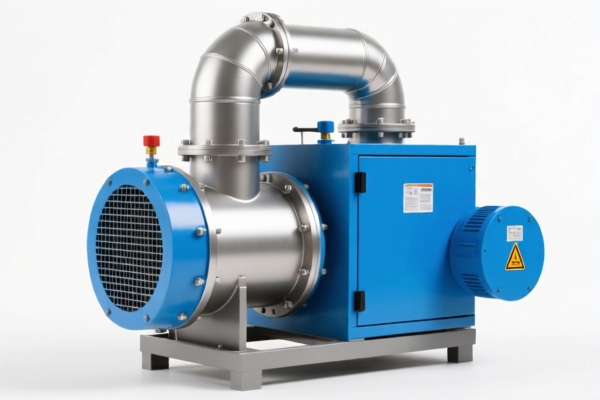
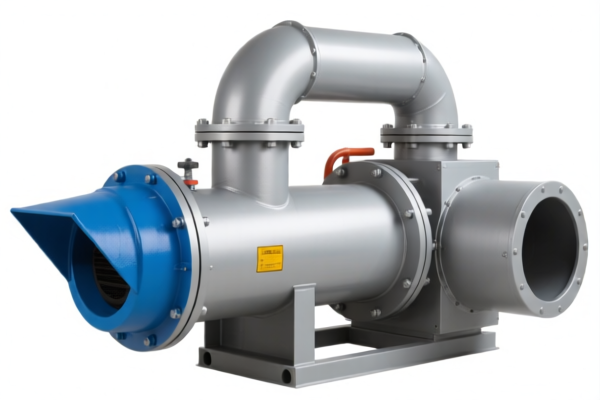
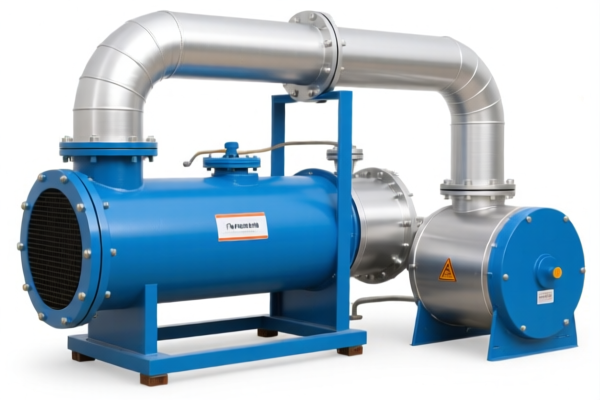

AI Analysis
🌱 Inorganic Seed Disinfectant (Inorganic Seed Treatment Agent)
🌐 HS Code Reference & Customs Clearance Guide | 2026 Latest Tariff Analysis | Professional Clearance Strategy
📌 I. Product Definition & Classification: What Exactly Is an "Inorganic Seed Disinfectant"?
An Inorganic Seed Disinfectant is a chemical preparation used to treat seeds before planting. Its primary function is to kill or inhibit fungi, bacteria, and other pathogens on the seed surface to prevent seed-borne diseases.
Crucially, because it is "Inorganic," it relies on mineral compounds (such as salts, chlorides, bromides, or simple mixtures of inorganic elements) rather than complex organic synthetic chemicals.
In international trade, these products often fall into a "gray area" between Chemical Preparations (Chapter 38) and Inorganic Chemicals (Chapter 28), depending on their specific composition and intended use (e.g., is it strictly a disinfectant, or does it have herbicidal/growth-regulating properties?).
⚠️ Key Classification Criteria:
- If it is a mixture of inorganic compounds for general seed treatment → HS 3824.99.31.00
- If it has specific pesticidal properties (herbicide/anti-germination) → HS 3808.93.20.00
- If it is a pure elemental disinfectant (e.g., Chlorine/Bromine based) → HS 2801 Series
- If it is a general inorganic disinfectant (non-alcohol/peroxide) → HS 3808.94.50.95
📦 II. HS Code Classification Details (2026 Latest Tariff Authority Comparison)
Based on the product characteristics provided in the data, here are the 5 potential HS Codes and why they apply:
| HS Code | Product Description | Applicable Scenario | Key Material/Use Feature |
|---|---|---|---|
3824.99.31.00 |
Inorganic Seed Treatment Agent | Seed dressing/mixing | Mixture of 2+ inorganic compounds; chemical preparation use. |
3808.93.20.00 |
Inorganic Seed Treatment Agent | Pesticidal/Growth Regulation | Contains inorganic matter; used as Herbicide or Plant Growth Regulator. |
2801.10.00.00 |
Inorganic Disinfectant | Chlorine-based sterilization | Primarily Chlorine or chlorine-based inorganic chemicals. |
3808.94.50.95 |
Inorganic Disinfectant | General Disinfection | Inorganic material; non-alcohol, non-peroxide disinfectant class. |
2801.30.20.00 |
Inorganic Disinfectant | Halogen-based sterilization | Contains Bromine/Chlorine elements; specific inorganic halogen classification. |
🔍 Critical Distinction:
- Chapter 38 (3808/3824): Focuses on the function (pesticide, disinfectant, preparation). Most commercial seed treatments fall here because they are formulated mixtures. - Chapter 28 (2801): Focuses on the raw material (pure elements like Chlorine/Bromine). This is less common for finished "seed disinfectant" products unless it's a raw chemical ingredient.
💰 III. 2026 Latest Tariff Rate Details (Including Surtaxes & Policy Add-ons)
✅ Applicable Country: USA (US)
✅ Origin: China (CN)
✅ Effective Date: From November 10, 2025 (and subsequent imports)
The US imposes a complex tariff structure on these items, consisting of: 1. Base Tariff (Standard MFN rate) 2. Section 301 Surcharge (25% for most chemical/agricultural inputs from China) 3. Section 122 Tariff (10% additional levy)
🎯 1. 3824.99.31.00 —— Inorganic Seed Treatment (Mixture)
| Item | Content |
|---|---|
| Base Tariff | 6.5% |
| Section 301 Surcharge | +25.0% |
| Section 122 Tariff | +10.0% |
| Total Tariff Rate | 41.5% |
| Tax Calculation | CIF Value × 41.5% |
| De Minimis Exemption | ❌ Not Available (High tariff items are excluded) |
📌 Explanation:
- This code applies if your product is a mixture of two or more inorganic compounds used for seed treatment.
- The 25% surcharge is due to USITC Footnote 9903.88.01 (Section 301).
- The 10% is the Section 122 levy.
- Total Cost Impact: High. Ensure your commercial invoice clearly states "Inorganic Mixture for Seed Treatment."
🎯 2. 3808.93.20.00 —— Inorganic Seed Treatment (Herbicidal/Growth Regulator)
| Item | Content |
|---|---|
| Base Tariff | 5.0% |
| Section 301 Surcharge | +25.0% |
| Section 122 Tariff | +10.0% |
| Total Tariff Rate | 40.0% |
| Tax Calculation | CIF Value × 40.0% |
| De Minimis Exemption | ❌ Not Available |
📌 Explanation:
- Use this if the inorganic seed treatment has herbicidal properties or acts as an anti-germination product or plant growth regulator.
- Slightly cheaper than3824...due to a lower base rate (5% vs 6.5%), but still subject to the full 35% in surcharges.
🎯 3. 2801.10.00.00 —— Inorganic Disinfectant (Chlorine-Based)
| Item | Content |
|---|---|
| Base Tariff | 0.0% |
| Section 301 Surcharge | +25.0% |
| Section 122 Tariff | +10.0% |
| Total Tariff Rate | 35.0% |
| Tax Calculation | CIF Value × 35.0% |
| De Minimis Exemption | ❌ Not Available |
📌 Explanation:
- This is the lowest total tariff option.
- Applicable ONLY if the product is primarily Chlorine-based (elemental or simple chlorine compound) and classified as an inorganic chemical rather than a formulated preparation.
- Risk: Customs may challenge this if the product is a complex mixture, forcing a reclassification to Chapter 38.
🎯 4. 3808.94.50.95 —— Inorganic Disinfectant (General)
| Item | Content |
|---|---|
| Base Tariff | 5.0% |
| Section 301 Surcharge | +25.0% |
| Section 122 Tariff | +10.0% |
| Total Tariff Rate | 40.0% |
| Tax Calculation | CIF Value × 40.0% |
| De Minimis Exemption | ❌ Not Available |
📌 Explanation:
- Use for general inorganic disinfectants that are not specifically seed treatments but can be used for sanitation.
- Must be non-alcoholic and non-peroxide.
- Fits the "disinfectant" category under Pesticides/Disinfectants (Chapter 38).
🎯 5. 2801.30.20.00 —— Inorganic Disinfectant (Bromine/Chlorine)
| Item | Content |
|---|---|
| Base Tariff | 5.5% |
| Section 301 Surcharge | +25.0% |
| Section 122 Tariff | +10.0% |
| Total Tariff Rate | 40.5% |
| Tax Calculation | CIF Value × 40.5% |
| De Minimis Exemption | ❌ Not Available |
📌 Explanation:
- Specifically for disinfectants containing Bromine or Chlorine elements classified under Chapter 28.
- Slightly higher base rate than Chlorine-only (2801.10) but still competitive.
🛠️ IV. Customs Clearance Practical Advice (Real-World Pitfall Guide)
✅ 1. Documentation Checklist (Mandatory)
| Document | Must Provide? | Notes |
|---|---|---|
| ✅ Product Specification Sheet | ✔️ | Must detail Inorganic Components (e.g., % of Chlorine, Bromine, Salt mixtures). |
| ✅ Ingredient List (INCI/CAS) | ✔️ | Crucial for distinguishing between Chapter 28 (Pure) and Chapter 38 (Mixture). |
| ✅ Labeling/Packaging Photos | ✔️ | Show "Seed Treatment" or "Disinfectant" claims. Avoid ambiguous terms like "Biocide" without clarification. |
| ✅ MSDS (Safety Data Sheet) | ✔️ | Section 3 must list all hazardous ingredients. Confirm no organic solvents are present. |
| ✅ Commercial Invoice | ✔️ | Clearly state "Inorganic Seed Disinfectant" and the exact HS Code. |
| ✅ Certificate of Origin | ✔️ | Essential for origin verification. |
✅ 2. Declaration Strategy (Key Mantra)
🔥 "Match the Function, Match the Material, Avoid the Mix-Up!"
| Scenario | Correct Declaration | Wrong Approach |
|---|---|---|
| Mixture of Inorganic Salts for Seeds | 3824.99.31.00 |
Declaring as 2801 (Risk of audit/fines) |
| Chlorine-based Pure Disinfectant | 2801.10.00.00 |
Declaring as 3808 (Higher tax) |
| Herbicidal Seed Coating | 3808.93.20.00 |
Declaring as 3824 (Higher base tax) |
| General Disinfectant (Non-Specific) | 3808.94.50.95 |
Declaring as 2801 (If not pure element) |
✅ 3. Special Handling Tips
| Situation | Handling Advice |
|---|---|
| Complex Mixtures | If the product contains >2 inorganic compounds, prefer 3824.99.31.00. It is the safest "catch-all" for preparations. |
| Chlorine/Bromine Claims | If you claim 2801, you must prove it is primarily the element itself, not a complex formulation. |
| Agricultural Use | Emphasize "Seed Treatment" in the description. This links it to 3808 or 3824, which are standard agricultural chemical codes. |
| Avoid "Organic" Traces | Even small traces of organic carriers can shift classification from 2801 (0% base) to 3808/3824 (5-6.5% base). Be precise in the MSDS. |
🌍 V. Global Market Comparison (2026 Outlook)
| Country/Region | Recommended HS Code | Tariff (China Origin) | Certification Requirements | Notes |
|---|---|---|---|---|
| 🇺🇸 USA | 3824.99.31.00 / 2801.10.00.00 |
35.0% - 41.5% | EPA Registration (if pesticidal) | Highest Tariff Risk due to Section 301 & 122. |
| 🇨🇳 China | 3808.93.00.00 / 2801 |
5.0% - 6.5% | Agricultural Input License | Lower base rates, no Section 301. |
| 🇪🇺 EU | 3808.99.00 / 2801 |
0% - 4.5% | REACH Compliance | Complex registration for biocides (BPR). |
| 🇦🇺 Australia | 3808.93.00 / 2801 |
5.0% | APVMA Approval | Strict biosecurity controls. |
📌 Conclusion:
- USA is the most expensive market due to political tariffs.
- Accurate classification is critical to avoid the difference between 35% and 41.5%.
- If possible, try to classify under 2801 (if chemically pure) to save base tax, but ensure documentation supports it to avoid penalties.
📌 VI. Common Errors & Pitfall Guide (Lessons Learned)
❌ Error 1: Declaring a complex mixture as 2801.10.00.00 (Chlorine)
👉 Consequence: Customs may reject the classification as "Not Pure Chlorine" and reclassify to 3808 or 3824, leading to back taxes + penalties.
❌ Error 2: Ignoring Section 122 Tariff
👉 Consequence: Many importers forget the 10% additional levy. Total tariff is NOT just Base + 25%. It is Base + 25% + 10%.
❌ Error 3: Using "Organic Fertilizer" or "Plant Food" labels for Inorganic Agents
👉 Consequence: Misdeclaration. "Organic" in common language is different from "Organic Chemistry." Use "Inorganic Chemical Preparation" in technical docs.
❌ Error 4: Failing to disclose Pesticidal Intent
👉 Consequence: If the product kills pests/fungi, it MUST be declared as a pesticide/disinfectant (3808). Hiding this function is a violation of EPA/US customs laws.
✅ Correct Practice:
"Inorganic Seed Disinfectant, Chemical Mixture of Sodium Chloride and Zinc Sulfate, for Agricultural Seed Treatment, EPA Exempt, Model XYZ"
🎯 VII. Conclusion: Professional Declaration, Cost Optimization!
🎯 Remember the Mantra:
🔹 "Pure Elements go to 2801 (Lower Base); Mixtures go to 38xx (Function-Based)."
🔹 "Base Rate + 25% Section 301 + 10% Section 122 = The True Cost."
🔹 "Documentation is King: MSDS must match the HS Code logic."
📌 Pro Tip:
If your product is Chlorine-based and you can prove it is a simple inorganic compound, use 2801.10.00.00 to achieve the 35.0% total rate.
If it is a complex blend for seeds, use 3824.99.31.00 for the 41.5% rate to ensure compliance.
Never guess! Incorrect classification leads to seizure.
📣 Immediate Action:
📞 Consult with a licensed customs broker.
📄 Prepare MSDS and precise Ingredient CAS numbers.
🚀 Secure your HS Code pre-ruling if shipment value is high.
✨ Precise Classification Starts Here!
💼 Every Percent of Tariff Matters in International Trade!
Customer Reviews
About HS Code Classification
The Harmonized System (HS) is an internationally standardized nomenclature developed by the World Customs Organization (WCO) to classify traded products. Over 200 countries use the HS system as the basis for customs tariffs, trade statistics, and import/export regulations.
Each HS code follows a hierarchical structure:
- Chapter (2 digits) — Broad category of goods (e.g., Chapter 84: Machinery and Mechanical Appliances)
- Heading (4 digits) — More specific grouping within the chapter
- Subheading (6 digits) — Internationally standardized breakdown, used by all WCO member countries
- National subdivisions (8-10 digits) — Country-specific extensions for further classification, such as US HTSUS 10-digit codes
Correct HS code classification is essential for smooth customs clearance, accurate duty payment, and compliance with trade regulations. Misclassification can lead to customs delays, overpayment of duties, or penalties.
When importing from CN to US, the applicable tariff rates may include:
- Most-Favored-Nation (MFN) rate — The standard duty rate applied to WTO members
- General rate — Applied to countries without trade agreements
- Trade remedy duties — Additional tariffs such as Section 301 (anti-dumping), Section 232 (national security), or countervailing duties
The information provided on this page is for reference purposes only. For official classification, please consult with your local customs authority or a licensed customs broker.