Inorganic Sterilizing Powder
CN → US| HS Code | Tariff Rate | Origin | Destination | Doc |
|---|---|---|---|---|
| 2853905000 | 35.0% | CN | US | Official Doc |
| 3808913000 | 40.0% | CN | US | Official Doc |
| 2853909090 | 37.8% | CN | US | Official Doc |
| 3808915001 | 40.0% | CN | US | Official Doc |
| 8479899599 | 87.5% | CN | US | Official Doc |
Product Images
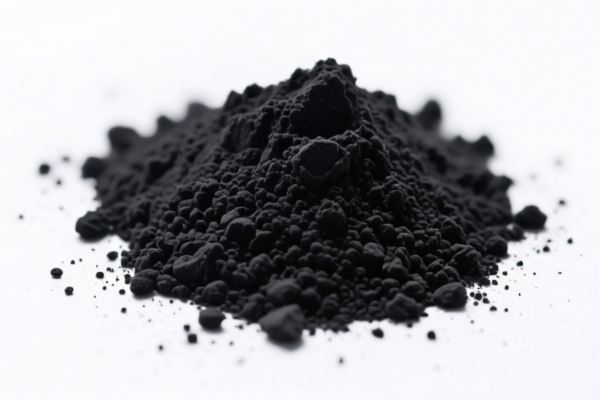
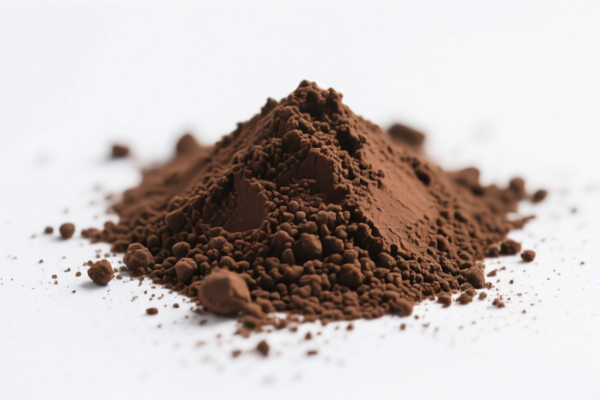
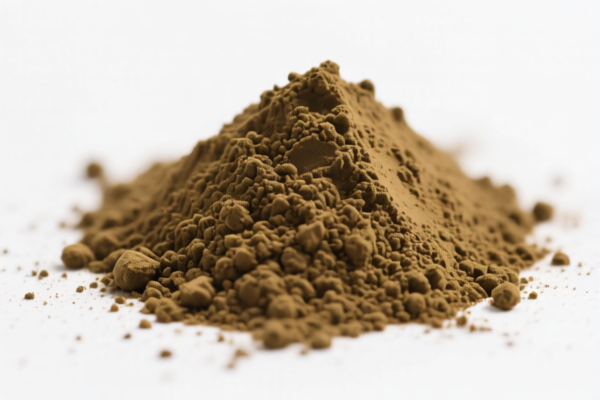

AI Analysis
🧪 Inorganic Sterilizing Powder (无机杀虫/灭菌粉)
🌐 HS Code Reference & Clearance Guide | 2026 Latest Tariff Analysis | Professional Customs Strategy
📌 I. Product Definition & Classification: What is "Inorganic Sterilizing Powder"?
In the context of international trade and customs classification, "Inorganic Sterilizing Powder" typically refers to chemical powders used for killing pests (insecticides), fungi, or bacteria. The classification hinges on two critical factors: 1. Chemical Nature: Is it a raw inorganic chemical compound? 2. End-Use: Is it formulated specifically as a pesticide/biocide product, or is it a general chemical intermediate?
⚠️ Critical Distinction Point:
- If the powder is a raw chemical substance (e.g., inorganic phosphides, metal salts) intended for further processing or general chemical use → It falls under Chapter 28 (Inorganic Chemicals).
- If the powder is formulated with other substances specifically for killing insects, fungi, or bacteria (pesticide/biocide) → It falls under Chapter 38 (Miscellaneous Chemical Products).
📦 II. HS Code Classification Details (2026 Official Tariff Alignment)
| HS Code | Product Description | Summary Reason | Total Tax Rate |
|---|---|---|---|
2853.90.50.00 |
Other inorganic compounds (e.g., Inorganic Phosphides) | Categorized as inorganic compound, fits "Inorganic Phosphide Powder" characteristics. | 35.0% |
3808.91.30.00 |
Insecticides, fungicides, etc. (other) | Fits definition of "pesticide containing inorganic substances." | 40.0% |
2853.90.90.90 |
Other inorganic compounds | Belongs to inorganic compound category, powder form. | 37.8% |
3808.91.50.01 |
Pesticides, fungicides, etc. (other) | Fits pesticide use and powdered formulation form. | 40.0% |
8479.89.95.99 |
Note: System Sterilizer (Not Powder) | Excluded: Applies to "Inorganic System Sterilizers" as mechanical apparatus, NOT powder. | 87.5% |
🔍 Key Reminder:
- Chemicals vs. Products: Raw inorganic chemicals (Ch 28) vs. Formulated Pesticides (Ch 38).
- Avoid Mismatch: Do not classify powder as8479.89.95.99(Machinery) unless it is part of a machine, not a standalone powder.
- Specificity:3808.91codes are specific to pesticides/biocides.2853.90is for general inorganic compounds.
💰 III. 2026 Latest Tariff Rate Breakdown (Detailed Tax Clauses)
✅ Applicable Country: United States (US)
✅ Origin: China (CN)
✅ Effective Time: 2025 Nov 10 onwards (including subsequent imports)
🎯 1. 2853.90.50.00 – Inorganic Compounds (e.g., Inorganic Phosphides)
| Item | Content |
|---|---|
| Base Tariff | 0.0% (Ad Valorem) |
| Section 301 Tariff (Additional) | +25.0% |
| Section 122 Tariff (122 Clause) | +10.0% |
| Total Tax Rate | 35.0% |
| Tax Calculation | CIF Value × 35.0% |
| De Minimis Exemption | ❌ Not Applicable (Deny De Minimis) |
| Legal Basis Path | Base:2853.90.50 → 301:25% → 122:10% |
📌 Explanation:
- "Section 301" is the additional tariff under the US Trade Act of 1974 for specific Chinese products.
- "Section 122" is an additional tariff applied under the Trade Expansion Act of 1962 (often for national security or supply chain reasons).
- Total 35% is high. Ensure product description clearly states "Inorganic Compound" not "Pesticide" to avoid the higher Ch 38 rate if legally justified.
🎯 2. 3808.91.30.00 – Pesticides (Inorganic Substance Based)
| Item | Content |
|---|---|
| Base Tariff | 5.0% (Ad Valorem) |
| Section 301 Tariff (Additional) | +25.0% |
| Section 122 Tariff (122 Clause) | +10.0% |
| Total Tax Rate | 40.0% |
| Tax Calculation | CIF Value × 40.0% |
| De Minimis Exemption | ❌ Not Applicable |
| Legal Basis Path | Base:3808.91.30 → 301:25% → 122:10% |
📌 Note:
- If the product is EPA-registered or labeled as a pesticide, it must go here.
- Even though the base rate is 5%, the total 40% is the highest among powder options.
- Key: Must prove it is a "pesticide formulation."
🎯 3. 2853.90.90.90 – Other Inorganic Compounds (Powder)
| Item | Content |
|---|---|
| Base Tariff | 2.8% (Ad Valorem) |
| Section 301 Tariff (Additional) | +25.0% |
| Section 122 Tariff (122 Clause) | +10.0% |
| Total Tax Rate | 37.8% |
| Tax Calculation | CIF Value × 37.8% |
| De Minimis Exemption | ❌ Not Applicable |
| Legal Basis Path | Base:2853.90.90 → 301:25% → 122:10% |
📌 Note:
- This is a "catch-all" for inorganic chemicals not specified elsewhere.
- Lower total rate (37.8%) than3808codes, but only if it is NOT formulated as a pesticide.
- Use this if the powder is a raw chemical intermediate.
🎯 4. 3808.91.50.01 – Pesticides (Other Powder Formulations)
| Item | Content |
|---|---|
| Base Tariff | 5.0% (Ad Valorem) |
| Section 301 Tariff (Additional) | +25.0% |
| Section 122 Tariff (122 Clause) | +10.0% |
| Total Tax Rate | 40.0% |
| Tax Calculation | CIF Value × 40.0% |
| De Minimis Exemption | ❌ Not Applicable |
| Legal Basis Path | Base:3808.91.50 → 301:25% → 122:10% |
📌 Note:
- Similar to3808.91.30.00, but for "other" inorganic pesticide powders.
- Total 40% is the highest risk. Only use if clearly a pesticide.
🚫 EXCLUSION: 8479.89.95.99 – System Sterilizer (Machinery)
| Item | Content |
|---|---|
| Base Tariff | 2.5% |
| Section 301 + 122 + Metal/Alloy/Copper Surcharge | +85.0% (Total ~87.5%) |
| Total Tax Rate | 87.5% |
| Applicability | ❌ NOT APPLICABLE TO POWDER |
📌 Critical Warning:
- This HS Code is for MACHINES ("Inorganic System Sterilizers").
- Do NOT classify powder under this code. It is for equipment that performs sterilization, not the chemical powder itself.
- Mistaken classification here could lead to 87.5% tax and severe penalties.
🛠️ IV. Customs Clearance Practical Advice (Battle-Tested Guide)
✅ 1. Document Checklist (Non-Negotiable)
| Document | Required | Explanation |
|---|---|---|
| ✅ Product Spec Sheet | ✔️ | Must detail chemical composition (e.g., "Calcium Phosphide 99%") vs. "Formulated Pesticide." |
| ✅ Safety Data Sheet (SDS) | ✔️ | Crucial for HazMat classification. Must specify if flammable, toxic, or reactive. |
| ✅ Label/Photos | ✔️ | Clear photo of packaging. If it says "Pesticide," EPA registration may be required. |
| ✅ EPA Registration (If Pesticide) | ✔️ | If classified under Ch 38 (3808.xx), EPA approval is MANDATORY. No EPA ID = Refusal. |
| ✅ Certificate of Analysis (COA) | ✔️ | Proves chemical purity and composition. |
| ✅ Commercial Invoice | ✔️ | Must clearly state "Inorganic Chemical Powder" or "Pesticide Formulation." Avoid vague terms. |
| ✅ Packing List | ✔️ | Net/Gross weight, number of packages. |
✅ 2. Declaration Tips (Key Mnemonic)
🔥 "Composition Defines Code, EPA is Key for Pesticides!"
| Scenario | Correct HS Code | Incorrect Code | Consequence of Error |
|---|---|---|---|
| Raw Chemical Powder (No EPA) | 2853.90.50.00 or 2853.90.90.90 |
3808.91.30.00 |
Overpay tax (35% vs 40%) or face EPA denial. |
| Formulated Pesticide (EPA Registered) | 3808.91.30.00 or 3808.91.50.01 |
2853.90.50.00 |
Customs Seizure for missing EPA registration. |
| System Sterilizer Machine | 8479.89.95.99 |
2853.90.50.00 |
87.5% Tax vs 35%. Massive overpayment. |
| Powder in a Machine | 8479.89.95.99 (Machine) |
2853.90.50.00 (Chemical) |
Machine tax rate (87.5%) applies to whole import. |
✅ 3. Special Cases & Handling
| Scenario | Handling Advice |
|---|---|
| Dual-Use Chemicals | If the powder can be used as both chemical and pesticide, declare based on actual use. If intended for pest control, use Ch 38. |
| HazMat Classification | Inorganic phosphides are often Flammable Solids (Class 4.2) or Water-Reactives (Class 4.3). Provide proper UN Number (e.g., UN 1407). |
| EPA Registration Missing | If using Ch 38 (3808), ensure EPA Registration Number is on label and invoice. Without it, shipment will be rejected. |
| Mixed Packaging | If powder is inside a sterilizer machine, declare as Machine (8479). If shipped separately, declare as Chemical/Pesticide. |
🌍 V. Global Market Comparison (2026)
| Country/Region | Recommended HS Code | Tariff | Certification | Note |
|---|---|---|---|---|
| 🇺🇸 USA | 2853.90.50.00 (Chem) or 3808.91.30.00 (Pesticide) |
35% (Chem) / 40% (Pesticide) | EPA (if Pesticide) + HazMat | High tariffs due to 301/122. |
| 🇨🇳 China | 2853.90.50.00 or 3808.91.30.00 |
~0-5% | None | No additional surcharges. |
| 🇪🇺 EU | 2853.90.50 or 3808.91 |
0-6.5% | REACH Registration | REACH compliance is critical for inorganic chemicals. |
| 🇯🇵 Japan | 2853.90.50 or 3808.91 |
0-8% | None | Standard import procedures. |
📌 Conclusion:
- USA is the most costly market due to 301 & 122 tariffs.
- EU requires REACH registration for inorganic chemicals, which is a major barrier for new exporters.
- China has no extra tariffs, making it the easiest market for clearance.
📌 VI. Common Mistakes & Pitfalls (Lessons Learned)
❌ Mistake 1: Classifying pesticide powder as a general chemical (2853) to avoid EPA registration.
👉 Consequence: Seizure & Fine. EPA checks are strict for pesticides.
❌ Mistake 2: Classifying powder as machinery (8479) because it is used in sterilization.
👉 Consequence: 87.5% Tax. You will pay 50% more than necessary if it’s just powder.
❌ Mistake 3: Using "Sterilizing Powder" as a generic description without chemical name.
👉 Consequence: Customs Delay. CBP will request clarification, causing detention fees.
❌ Mistake 4: Ignoring HazMat classification.
👉 Consequence: Shipping Refusal. Air freight carriers will reject shipments without proper UN packaging and labeling.
✅ Correct Approach:
"Calcium Phosphide Powder, 99% Purity, Inorganic Chemical, Not Formulated as Pesticide, UN 1407, Class 4.2"
OR
"Inorganic Insecticide Powder, EPA Reg No. XXXXX-XXX, 5kg Bag"
🎯 VII. Conclusion: Precision in Classification Saves Money & Time!
🎯 Remember the Mnemonic:
🔹 "Chemical = Ch 28, Pesticide = Ch 38, Machine = Ch 84"
🔹 "EPA is King for Ch 38, HazMat is Queen for Ch 28"
🔹 "Don’t confuse Powder with Machine, or Tax will Run High!"
📌 Pro Tip:
If your product is originating from Vietnam, Mexico, or Thailand, you may qualify for IEEPA Exemptions, reducing tariffs to 0-5%.
Recommend Advance Ruling from CBP to confirm HS Code and avoid post-entry audits.
📣 Take Action Now:
📞 Contact a Licensed Customs Broker
📄 Provide SDS & Product Specs
🚀 Secure EPA Registration (if Pesticide)
🌍 Ensure Smooth Clearance & Maximize Profit!
✨ Professional Clearance Starts with Accurate Classification!
💼 Your Every Dollar is Worth Calculating Precisely!
Customer Reviews
About HS Code Classification
The Harmonized System (HS) is an internationally standardized nomenclature developed by the World Customs Organization (WCO) to classify traded products. Over 200 countries use the HS system as the basis for customs tariffs, trade statistics, and import/export regulations.
Each HS code follows a hierarchical structure:
- Chapter (2 digits) — Broad category of goods (e.g., Chapter 84: Machinery and Mechanical Appliances)
- Heading (4 digits) — More specific grouping within the chapter
- Subheading (6 digits) — Internationally standardized breakdown, used by all WCO member countries
- National subdivisions (8-10 digits) — Country-specific extensions for further classification, such as US HTSUS 10-digit codes
Correct HS code classification is essential for smooth customs clearance, accurate duty payment, and compliance with trade regulations. Misclassification can lead to customs delays, overpayment of duties, or penalties.
When importing from CN to US, the applicable tariff rates may include:
- Most-Favored-Nation (MFN) rate — The standard duty rate applied to WTO members
- General rate — Applied to countries without trade agreements
- Trade remedy duties — Additional tariffs such as Section 301 (anti-dumping), Section 232 (national security), or countervailing duties
The information provided on this page is for reference purposes only. For official classification, please consult with your local customs authority or a licensed customs broker.