Inorganic Sterilizing Preventive Preparation
CN → US| HS Code | Tariff Rate | Origin | Destination | Doc |
|---|---|---|---|---|
| 2801302000 | 40.5% | CN | US | Official Doc |
| 2801100000 | 35.0% | CN | US | Official Doc |
| 3808594000 | 40.0% | CN | US | Official Doc |
| 3808945095 | 40.0% | CN | US | Official Doc |
| 8479899599 | 87.5% | CN | US | Official Doc |
Product Images
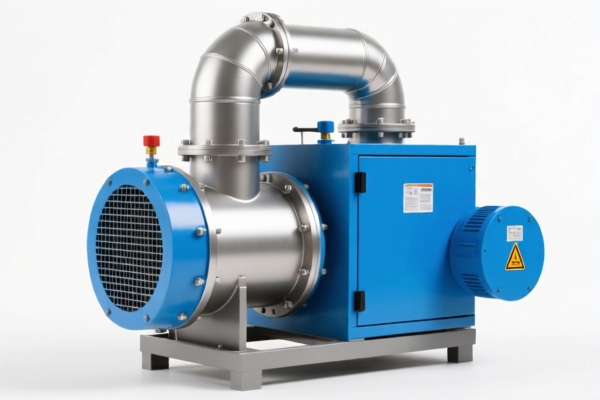
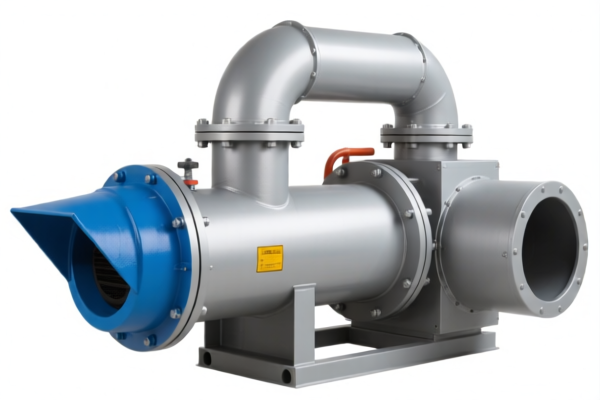
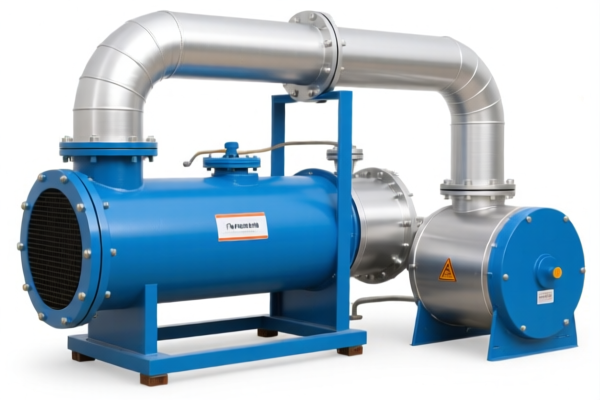

AI Analysis
🧪 Inorganic Sterilizing Preventive Preparation (无机消毒剂/灭菌剂)
🌐 HS Code Reference & Customs Clearance Guide | 2026 Latest Tariff Analysis | Strategic Compliance for US Imports
📌 I. Product Definition & Classification: Understanding "Inorganic Disinfectants"
"Inorganic Sterilizing Preventive Preparation" refers to chemical substances used to kill or inhibit microorganisms, where the active ingredient is an inorganic element (typically Chlorine, Bromine, Iodine, etc.) rather than organic compounds or biological agents.
In international trade, the classification hinges on two critical distinctions: 1. Chemical Composition: Is it a pure chemical element/compound (Chapter 28) or a formulated mixture for disinfection (Chapter 38)? 2. Physical Form & Function: Is it a raw chemical material or a finished sterile system/equipment?
⚠️ Key Distinction Points: * If the product is a pure inorganic chemical (e.g., Chlorine gas, Sodium Hypochlorite solution in bulk) primarily classified by its chemical nature → Chapter 28. * If the product is a formulated mixture specifically designed for disinfection purposes, regardless of chemical basis → Chapter 38. * If the product is a mechanical system (sterilizer) using inorganic principles (e.g., UV, Ozone, or chemical injection systems) → Chapter 84.
📦 II. HS Code Classification Details (2026 Latest Tariff Authority Alignment)
| HS Code | Product Description | Application Scenario | Chemical/Functional Basis |
|---|---|---|---|
2801.30.20.00 |
Inorganic substances: Chlorine, Bromine, etc. (Disinfectant-grade) | Bulk chlorine gas, liquid chlorine, bromine for water treatment/sterilization | ✅ Pure Inorganic Element (Chapter 28) |
2801.10.00.00 |
Chlorine and bromine (raw material form) | Raw chemical chlorine, unformulated for disinfection | ✅ Raw Chemical Substance |
3808.59.40.00 |
Disinfectants: Other (Inorganic basis) | Formulated inorganic disinfectants (e.g., chlorinated lime, iodine solutions) | ✅ Formulated Product (Chapter 38) |
3808.94.50.95 |
Disinfectants: Other (Non-alcohol, Non-peroxide) | Inorganic disinfectants not elsewhere specified, e.g., specific iodine/bleach formulations | ✅ Specialized Formulated Disinfectant |
8479.89.95.99 |
Mechanical sterilizing systems (Inorganic method) | Industrial sterilizers using inorganic agents (ozone, chlorine injection, UV) | ✅ Mechanical Equipment/System |
🔍 Critical Reminder: * Chapter 28 vs. Chapter 38: If the item is a pure chemical listed in Chapter 28 headings (like Chlorine/Bromine), it goes to 2801. If it is a mixed preparation intended specifically as a disinfectant, it usually falls under 3808. * Equipment vs. Chemical: If the "preparation" refers to a machine that dispenses or generates inorganic sterilants (e.g., an automated ozone generator), it is classified as 8479, not a chemical.
💰 III. 2026 Latest Tariff Rate Breakdown (Including Additional Duties)
✅ Applicable Country: United States (US)
✅ Origin: China (CN)
✅ Effective Date: November 10, 2025 (and subsequent imports)
🎯 1. 2801.30.20.00 & 2801.10.00.00 —— Inorganic Chemicals (Chlorine/Bromine)
| Item | Content |
|---|---|
| Base Rate | 5.5% (for 2801.30) / 0.0% (for 2801.10) |
| Section 301 Tariff | +25.0% (China-origin goods) |
| IEEPA Tariff | +10.0% (China-origin goods, effective Nov 10, 2025) |
| Total Rate | 40.5% (for 2801.30) / 35.0% (for 2801.10) |
| Tax Calculation | CIF Value × Total Rate |
| De Minimis Exemption | ❌ Not Eligible (deny_de_minimis) |
| Legal Path | USITC:2801.30.20.00 → FOOTNOTE:9903.88.01 (25%) → IEEPA:9903.01.24 (10%) |
📌 Explanation: * Section 301 (25%): Standard US tariff on Chinese chemical goods. * IEEPA (10%): Additional levy under the International Emergency Economic Powers Act. * Total: High tariff burden. Pure chemicals are not exempt from these additional duties.
🎯 2. 3808.59.40.00 & 3808.94.50.95 —— Formulated Inorganic Disinfectants
| Item | Content |
|---|---|
| Base Rate | 5.0% |
| Section 301 Tariff | +25.0% |
| IEEPA Tariff | +10.0% |
| Total Rate | 40.0% |
| Tax Calculation | CIF Value × 40% |
| De Minimis Exemption | ❌ Not Eligible (deny_de_minimis) |
| Legal Path | USITC:3808.59.40.00 → FOOTNOTE:9903.88.01 (25%) → IEEPA:9903.01.24 (10%) |
📌 Note: * Whether classified as general disinfectants (
3808.59) or other specific disinfectants (3808.94), the additional tariffs are identical. * Formulated products do not enjoy lower base rates that might offset the 35% additional duty.
🎯 3. 8479.89.95.99 —— Mechanical Sterilizing Systems
| Item | Content |
|---|---|
| Base Rate | 2.5% |
| Section 301 Tariff | +25.0% |
| IEEPA Tariff | +10.0% |
| Steel/Aluminum/Copper Products Surcharge | +50.0% (if body/materials fall under this category) |
| Total Rate (Standard) | 87.5% |
| Total Rate (Metal Body) | 137.5% (if applicable surcharge applies) |
| Tax Calculation | CIF Value × Total Rate |
| De Minimis Exemption | ❌ Not Eligible (deny_de_minimis) |
| Legal Path | USITC:8479.89.95.99 → FOOTNOTE:9903.88.01 (25%) → IEEPA:9903.01.24 (10%) → Section 232 (if metal materials trigger +50%) |
📌 Warning: * This is an extremely high tariff category. * If the sterilizer is made of steel, aluminum, or copper, an additional 50% may be applied under Section 232 tariffs, pushing the total to 87.5% or even higher. * Mechanical systems are treated as industrial machinery, not simple chemicals, leading to higher base rates and potential material-specific surcharges.
🛠️ IV. Customs Clearance Practical Advice (Risk Avoidance Guide)
✅ 1. Required Documentation Checklist (Mandatory)
| Document | Must Provide | Notes |
|---|---|---|
| ✅ Product Specification Sheet | ✔️ | Detail chemical composition, concentration, pH, and active ingredients. |
| ✅ Safety Data Sheet (SDS) | ✔️ | Critical. Must be GHS-compliant, detailing hazards, handling, and storage. |
| ✅ Certificate of Analysis (COA) | ✔️ | For chemicals (2801), proves purity and identity. |
| ✅ Composition Statement | ✔️ | For formulated disinfectants (3808), lists all ingredients and percentages. |
| ✅ Commercial Invoice | ✔️ | Clearly state "Inorganic Disinfectant" or "Sterilizing Chemical," avoid vague terms. |
| ✅ Bill of Lading | ✔️ | Ensure proper packaging description (e.g., "Drums," "Cylinders"). |
| ✅ Origin Certificate | ✔️ | If not China-origin, may reduce/eliminate additional tariffs. |
✅ 2. Declaration Tips (Key Mantras)
🔥 “Be Specific: Chemical vs. Formulation, Pure vs. System!”
| Scenario | Correct Declaration | Wrong Practice |
|---|---|---|
| Pure Chlorine Gas | 2801.10.00.00 "Chlorine, Inorganic Chemical" |
Declare as "Disinfectant" → Risk of misclassification |
| Sodium Hypochlorite Solution (Bulk) | 2801.30.20.00 or 3808.59.40.00 (depending on formulation/purity) |
Vague "Cleaning Agent" → Delay + Audit |
| Iodine-Based Disinfectant | 3808.94.50.95 "Other Disinfectants" |
Declare as "Pharmaceutical" → Wrong Chapter (30) |
| Automated Ozone Generator | 8479.89.95.99 "Sterilizing Machine" |
Declare as "Ozone Gas" → Equipment tariff applies |
⚠️ Key Warning: * Do not use generic terms like "Cleaning Product." Use precise terms: "Inorganic Disinfectant," "Chlorine Compound," or "Sterilization System." * For
8479, emphasize the mechanical/function aspect, not just the chemical used.
✅ 3. Special Handling Cases
| Scenario | Handling Advice |
|---|---|
| Hazardous Material (HazMat) | Chlorine and Bromine are often classified as Class 2.3 or 2.1 Dangerous Goods. Ensure proper UN packaging and labeling (DOT/IATA). |
| EPA Registration | For disinfectants (3808), verify if EPA Registration Number is required for sale/distribution in the US. |
| Steel/Aluminum Machinery | For 8479, confirm if the main structure is steel/aluminum/copper. If yes, anticipate the 50% additional surcharge. |
| Small Samples (< $800) | ❌ No De Minimis. Even small shipments of inorganic chemicals/sterilizers from China are subject to full tariffs and scrutiny. |
🌍 V. Global Market Comparison (2026 Latest)
| Country/Region | Recommended HS Code | Tariff Rate (China Origin) | Certification Requirements | Notes |
|---|---|---|---|---|
| 🇺🇸 USA | 3808.59.40.00 / 2801.30.20.00 |
35-40% (+301/IEEPA) | EPA Reg., SDS, DOT HazMat | High tariffs, strict HazMat rules |
| 🇺🇸 USA | 8479.89.95.99 |
87.5% (+Steel Surcharge) | FCC (if electronic), UL/CSA | Very high cost for machinery |
| 🇨🇳 China | 3808.59.40.00 |
5-7% | CCC (if applicable) | No additional US tariffs |
| 🇪🇺 EU | 3808.59.40.00 |
6.5% | REACH, CLP, GHS | No US-style additional tariffs |
| 🇬🇧 UK | 3808.59.40.00 |
6.5% | UKCA, REACH UK | Post-Brexit regulations apply |
📌 Conclusion: * The US market is the most expensive due to the layered tariffs (Base + 301 + IEEPA + potential 232). * EU and UK have lower base rates and no punitive additional tariffs on these goods. * Mechanical sterilizers (
8479) are particularly costly in the US due to the 50% steel/aluminum surcharge.
📌 VI. Common Mistakes & Pitfalls (Lessons Learned)
❌ Mistake 1: Declaring "Chlorine Tablets" as "Food Additives" 👉 Consequence: Misclassification. Chlorine for sterilization is not a food additive. Risk of seizure + penalties.
❌ Mistake 2: Omitting SDS for Hazardous Chemicals 👉 Consequence: Customs Hold. CBP requires SDS for inorganic chemicals. Delay can lead to storage fees + demurrage.
❌ Mistake 3: Under-declaring Value of Mechanical Sterilizers 👉 Consequence: 87.5% tariff applies. Undervaluation triggers audits, fines, and potential fraud allegations.
❌ Mistake 4: Ignoring the 50% Steel Surcharge for Machinery 👉 Consequence: Unexpected $10,000+ extra cost for a metal sterilizer unit. Always check material composition.
✅ Correct Approach:
"Inorganic Disinfectant, Chlorine-based, 10% Solution, EPA Reg. #12345, SDS Attached, UN1789" "Automatic Ozone Sterilizer System, Stainless Steel Body, Model XYZ, FCC Certified"
🎯 VII. Conclusion: Strategic Compliance for Cost Efficiency
🎯 Remember the Mantra:
🔹 "Pure Chemicals: 35-40% | Formulated: 40% | Machines: 87.5%+ | No De Minimis!" 🔹 "SDS is Key, HazMat Matters, Steel Costs Extra!"
📌 Pro Tip:
If your inorganic disinfectant is produced in Vietnam, Mexico, or Thailand, you may exempt from US additional tariffs (301/IEEPA). Consider supply chain diversification or substantial transformation to avoid the 35-40%+ penalty. For machinery, explore alternative materials (plastic/ceramic) to avoid the 50% steel surcharge.
📣 Immediate Action:
📞 Consult a licensed customs broker for HS Code pre-ruling. 🚀 Ensure SDS and EPA numbers are ready before shipping. 💡 Accurate classification saves tens of thousands in duties.
✨ Professional Clearance Starts with Precise Classification! 💼 Your Every Penny Counts in Global Trade!
Customer Reviews
About HS Code Classification
The Harmonized System (HS) is an internationally standardized nomenclature developed by the World Customs Organization (WCO) to classify traded products. Over 200 countries use the HS system as the basis for customs tariffs, trade statistics, and import/export regulations.
Each HS code follows a hierarchical structure:
- Chapter (2 digits) — Broad category of goods (e.g., Chapter 84: Machinery and Mechanical Appliances)
- Heading (4 digits) — More specific grouping within the chapter
- Subheading (6 digits) — Internationally standardized breakdown, used by all WCO member countries
- National subdivisions (8-10 digits) — Country-specific extensions for further classification, such as US HTSUS 10-digit codes
Correct HS code classification is essential for smooth customs clearance, accurate duty payment, and compliance with trade regulations. Misclassification can lead to customs delays, overpayment of duties, or penalties.
When importing from CN to US, the applicable tariff rates may include:
- Most-Favored-Nation (MFN) rate — The standard duty rate applied to WTO members
- General rate — Applied to countries without trade agreements
- Trade remedy duties — Additional tariffs such as Section 301 (anti-dumping), Section 232 (national security), or countervailing duties
The information provided on this page is for reference purposes only. For official classification, please consult with your local customs authority or a licensed customs broker.