Inorganic containing Disinfectant
CN → US| HS Code | Tariff Rate | Origin | Destination | Doc |
|---|---|---|---|---|
| 3808594000 | 40.0% | CN | US | Official Doc |
| 3808945095 | 40.0% | CN | US | Official Doc |
| 2801302000 | 40.5% | CN | US | Official Doc |
| 2801100000 | 35.0% | CN | US | Official Doc |
| 2842909050 | 10.0% | CN | US | Official Doc |
Product Images
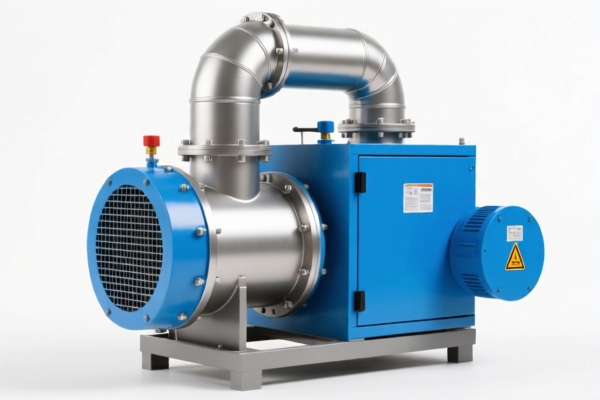
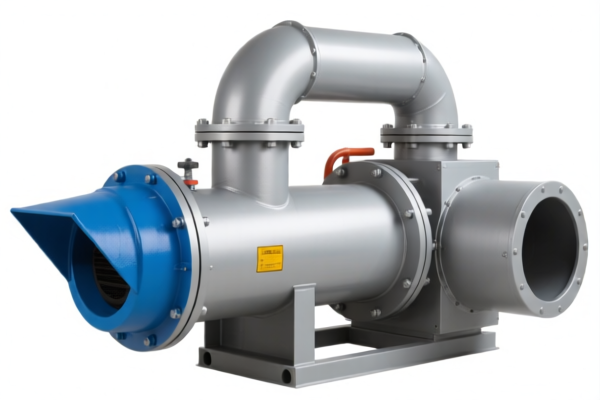
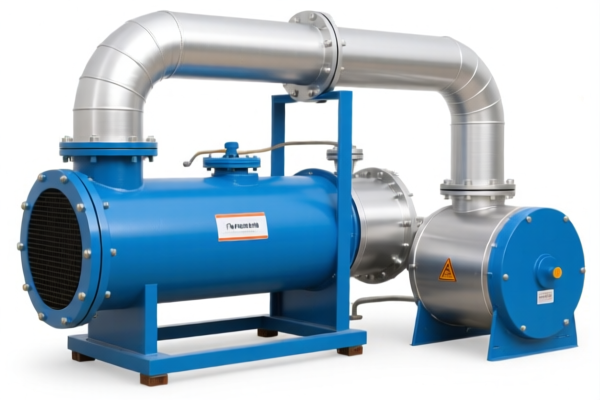

AI Analysis
🧪 Inorganic Disinfectants: HS Code Classification & Customs Clearance Strategy
🌐 HS Code Reference & Customs Guide | 2026 Latest Tariff Analysis | Professional Clearance Strategy
📌 I. Product Definition & Classification: Do You Understand "Inorganic Disinfectants"?
Inorganic disinfectants are chemical agents used to destroy, neutralize, or inhibit the growth of harmful microorganisms, derived primarily from inorganic compounds such as chlorine, bromine, or specific salts. Unlike organic disinfectants (e.g., alcohols, quaternary ammonium compounds, or hydrogen peroxide), these rely on elemental chemical properties.
In international trade, they are broadly categorized into two paths: 1. General Disinfectants (HS Chapter 38): Finished products ready for use or dilution, often classified under "Other Disinfectants." 2. Raw Chemical Ingredients (HS Chapter 28): Pure inorganic elements (e.g., Chlorine, Bromine) or their salts, classified as "Inorganic Chemicals."
⚠️ Key Distinction Point:
- If the product is a finished formulation (e.g., sodium hypochlorite solution, iodine tincture) intended for direct application or as a final consumer/industrial product →归入 Chapter 38. - If the product is a pure raw material (e.g., elemental chlorine gas, pure bromine, specific inorganic salts like sodium chloride used as a precursor) →归入 Chapter 28.
📦 II. HS Code Classification Details (2026 Latest Tariff Authority Comparison)
| HS Code | Product Description | Applicable Scenario | Key Characteristics |
|---|---|---|---|
3808.59.40.00 |
Other Disinfectants (Inorganic) | General inorganic disinfectants not specified elsewhere | Broad category for inorganic disinfectants |
3808.94.50.95 |
Other Disinfectants (Non-Alcohol/Non-H2O2) | Matches non-alcoholic, non-hydrogen peroxide inorganic disinfectants | Excludes common organic solvents |
2801.30.20.00 |
Inorganic Chemicals: Bromine & Iodine | Inorganic disinfectants containing Bromine or Iodine | Specific element-based classification |
2801.10.00.00 |
Inorganic Chemicals: Chlorine | Inorganic disinfectants containing Chlorine (e.g., Chlorine gas/liquid) | Pure chlorine element classification |
2842.90.90.50 |
Salts of Inorganic Acids | Inorganic insecticides/disinfectants which are salts | Specific chemical salt form |
🔍 Key Reminder:
- Finished formulations (e.g., bleach, liquid chlorine solutions for pools) typically fall under 3808. - Raw elemental materials (e.g., chlorine gas cylinders, pure bromine) fall under 2801. - Misclassification Risk: Declaring a finished chlorine-based disinfectant as raw chlorine (2801) can lead to severe penalties due to mismatched product descriptions. Conversely, declaring raw chemicals as general disinfectants (3808) may result in duty overpayment or underpayment depending on the specific formulation.
💰 III. 2026 Latest Tariff Rate Breakdown (Including Additional Duties & Policy Surcharges)
✅ Applicable Country: United States (US)
✅ Origin: China (CN)
✅ Effective Date: From November 10, 2025 (including subsequent imports)
🎯 1. 3808.59.40.00 —— Inorganic Disinfectants (General Category)
| Item | Content |
|---|---|
| Base Tariff | 5.0% (ad valorem) |
| Section 301 Surcharge | +25.0% (USITC Footnote 9903.88.01) |
| Section 122 Surcharge | +10.0% (Specific to certain chemical categories) |
| Total Tariff | 40.0% |
| Tax Calculation | CIF Value × 40% |
| De Minimis Exemption | ❌ Not Eligible (deny_de_minimis) |
| Legal Basis Path | USITC:3808.59.40.00 → 301:Footnote.9903.88.01 → 122:Section.122 |
📌 Explanation:
- "Base Tariff 5%" is the standard Most Favored Nation (MFN) rate for general disinfectants. - "301 Surcharge 25%" is applied due to Section 301 trade actions against China. - "122 Surcharge 10%" is an additional penalty tariff for specific chemical goods. - Total 40%, representing a high-cost import category for inorganic disinfectants.
🎯 2. 3808.94.50.95 —— Inorganic Disinfectants (Non-Alcohol/Non-H2O2)
| Item | Content |
|---|---|
| Base Tariff | 5.0% |
| Section 301 Surcharge | +25.0% |
| Section 122 Surcharge | +10.0% |
| Total Tariff | 40.0% |
| Tax Calculation | CIF Value × 40% |
| De Minimis Exemption | ❌ Not Eligible |
| Legal Basis Path | USITC:3808.94.50.95 → 301:Footnote.9903.88.01 → 122:Section.122 |
📌 Note:
- This code specifically excludes alcohol-based and hydrogen peroxide-based disinfectants. - If your product contains alcohol, it may fall under different codes with potentially different rates; however, for inorganic disinfectants, this rate applies. - Same 40% total rate as above.
🎯 3. 2801.30.20.00 —— Inorganic Chemicals: Bromine & Iodine
| Item | Content |
|---|---|
| Base Tariff | 5.5% |
| Section 301 Surcharge | +25.0% |
| Section 122 Surcharge | +10.0% |
| Total Tariff | 40.5% |
| Tax Calculation | CIF Value × 40.5% |
| De Minimis Exemption | ❌ Not Eligible |
| Legal Basis Path | USITC:2801.30.20.00 → 301:Footnote.9903.88.01 → 122:Section.122 |
📌 Explanation:
- Applies specifically to disinfectants where Bromine or Iodine is the primary active inorganic ingredient. - Slightly higher base tariff (5.5%) results in a 40.5% total rate. - Must provide clear proof of elemental composition (Bromine/Iodine).
🎯 4. 2801.10.00.00 —— Inorganic Chemicals: Chlorine
| Item | Content |
|---|---|
| Base Tariff | 0.0% |
| Section 301 Surcharge | +25.0% |
| Section 122 Surcharge | +10.0% |
| Total Tariff | 35.0% |
| Tax Calculation | CIF Value × 35% |
| De Minimis Exemption | ❌ Not Eligible |
| Legal Basis Path | USITC:2801.10.00.00 → 301:Footnote.9903.88.01 → 122:Section.122 |
📌 Note:
- This is the most favorable rate for inorganic disinfectants if classified as pure Chlorine. - However, this classification is strict and only applies to elemental chlorine or specific inorganic chlorine compounds classified as raw chemicals. - Finished chlorine-based disinfectants (e.g., bleach) should NOT be declared here unless they are pure raw materials.
🎯 5. 2842.90.90.50 —— Salts of Inorganic Acids
| Item | Content |
|---|---|
| Base Tariff | 0.0% |
| Section 301 Surcharge | 0.0% |
| Section 122 Surcharge | +10.0% |
| Total Tariff | +10.0% |
| Tax Calculation | CIF Value × 10% |
| De Minimis Exemption | ❌ Not Eligible |
| Legal Basis Path | USITC:2842.90.90.50 → 122:Section.122 |
📌 Explanation:
- This code applies to specific inorganic salts used as disinfectants or insecticides (e.g., sodium hypochlorite crystals, certain halogen salts). - Crucial Difference: It is exempt from Section 301 (25%) but still subject to Section 122 (10%). - Lowest Total Rate: Only 10%. - Warning: Misclassification risk is high. Must prove the product is an inorganic salt, not a general disinfectant mixture.
🛠️ IV. Customs Clearance Practical Advice (Combat Pitfall Guide)
✅ 1. Preparation Checklist (All Must Be Provided)
| Document | Mandatory | Description |
|---|---|---|
| ✅ Product Specification Sheet | ✔️ | Must list active ingredients, concentration, pH, and chemical formula |
| ✅ Safety Data Sheet (SDS) | ✔️ | Crucial for hazardous goods classification (UN Number, Hazard Class) |
| ✅ Product Photos | ✔️ | Clear labels showing "Disinfectant," "Inorganic," and chemical composition |
| ✅ Third-Party Test Report | ✔️ | Lab analysis confirming inorganic nature (e.g., GC/MS, elemental analysis) |
| ✅ Commercial Invoice | ✔️ | Accurate description: "Inorganic Disinfectant, [Chemical Name]" |
| ✅ Certificate of Origin (CO) | ✔️ | Essential for proving origin and applicable tariff treatment |
| ✅ Packing List | ✔️ | Detailed breakdown of net/gross weight, packaging material |
✅ 2. Declaration Tips (Key Mantra)
🔥 "Raw vs. Formulated, Label Clearly, Chemistry Matters, Tariffs Vary!"
| Scenario | Correct Declaration | Wrong Practice |
|---|---|---|
| Finished Chlorine Bleach | 3808.59.40.00 (40%) |
Misdeclare as 2801.10.00.00 → Penalties |
| Pure Chlorine Gas | 2801.10.00.00 (35%) |
Misdeclare as 3808.59.40.00 → Overpayment |
| Bromine-Based Disinfectant | 2801.30.20.00 (40.5%) |
Misdeclare as general 3808 → Audit risk |
| Inorganic Salt Disinfectant | 2842.90.90.50 (10%) |
Misdeclare as 3808 → Missed savings (but risky) |
✅ 3. Special Circumstances Handling
| Situation | Handling Advice |
|---|---|
| Hybrid Products (Inorganic + Organic) | If >50% organic by weight, may shift to organic disinfectant codes → Check SDS carefully |
| Dangerous Goods (DG) | Inorganic disinfectants (e.g., chlorine, bromine) are often DG → Must comply with IATA/IMDG regulations |
| EPA Registration | For US imports, disinfectants must have EPA Registration Number → Provide EPA Reg. No. in documents |
| OEM/Contract Manufacturing | Ensure contract specifies chemical composition to support HS Code classification |
🌍 V. Global Major Market Comparison (2026 Latest)
| Country/Region | Recommended HS Code | Tariff | Certification | Notes |
|---|---|---|---|---|
| 🇺🇸 USA | 3808.59.40.00 / 2842.90.90.50 |
10%-40.5% | EPA + SDS | High tariffs, strict EPA enforcement |
| 🇨🇳 China | 3808.94.50.95 |
5% | CCC (if applicable) | Lower import duties, standard safety checks |
| 🇪🇺 EU | 3808.94.50.95 |
0%-6.5% | REACH + CLP | REACH registration required for chemical substances |
| 🇦🇺 Australia | 3808.94.50.95 |
5% | AICIS | Chemical inventory compliance required |
| 🇯🇵 Japan | 3808.94.50.95 |
5% | JIS/PMHLW | Poisonous Substance Control Law may apply |
📌 Conclusion:
- USA imposes the highest additional tariffs (Section 301 + 122). - EU and Australia focus more on chemical safety compliance (REACH, AICIS) than high tariffs. - China has relatively low import tariffs but strict domestic production and safety standards.
📌 VI. Common Mistakes & Pitfall Guide (Blood & Tears Lessons)
❌ Mistake 1: Declaring finished bleach as "Chlorine" (2801)
👉 Consequence: Customs will reject the declaration → Return or Penalty!
❌ Mistake 2: Ignoring EPA Registration for US imports
👉 Consequence: Goods seized at border → Complete Loss!
❌ Mistake 3: Providing only generic name "Disinfectant"
👉 Consequence: Customs cannot determine HS Code → Delays & Demurrage Charges
❌ Mistake 4: Misclassifying inorganic salts as general disinfectants (3808)
👉 Consequence: Paying 40% instead of 10% → Unnecessary Cost!
✅ Correct Action:
"Sodium Hypochlorite Solution (Inorganic Disinfectant), EPA Reg. No. XXXXX, SDS Provided, UN1789"
🎯 VII. Conclusion: Precise Classification Saves Money!
🎯 Remember the Mantra:
🔹 "Raw vs. Formulated, Check the Formula."
🔹 "EPA is Key for US, SDS for Global."
🔹 "Salts are 10%, Formulations are 40%, Choose Wisely!"
📌 Pro Tip:
If your product is an inorganic salt (e.g., specific halogen salts), aggressively pursue classification under 2842.90.90.50 to save 30%+ in tariffs. However, ensure you have robust laboratory test reports to prove it is an inorganic salt and not a mixture.
📣 Immediate Action:
📞 Contact a licensed customs broker + Provide SDS + Apply for Pre-Ruling if unsure.
🚀 Ensure EPA Registration is valid before shipping to the US.
✨ Professional Customs Clearance Starts with Accurate Classification!
💼 Every Percent Saved is Pure Profit!
Customer Reviews
About HS Code Classification
The Harmonized System (HS) is an internationally standardized nomenclature developed by the World Customs Organization (WCO) to classify traded products. Over 200 countries use the HS system as the basis for customs tariffs, trade statistics, and import/export regulations.
Each HS code follows a hierarchical structure:
- Chapter (2 digits) — Broad category of goods (e.g., Chapter 84: Machinery and Mechanical Appliances)
- Heading (4 digits) — More specific grouping within the chapter
- Subheading (6 digits) — Internationally standardized breakdown, used by all WCO member countries
- National subdivisions (8-10 digits) — Country-specific extensions for further classification, such as US HTSUS 10-digit codes
Correct HS code classification is essential for smooth customs clearance, accurate duty payment, and compliance with trade regulations. Misclassification can lead to customs delays, overpayment of duties, or penalties.
When importing from CN to US, the applicable tariff rates may include:
- Most-Favored-Nation (MFN) rate — The standard duty rate applied to WTO members
- General rate — Applied to countries without trade agreements
- Trade remedy duties — Additional tariffs such as Section 301 (anti-dumping), Section 232 (national security), or countervailing duties
The information provided on this page is for reference purposes only. For official classification, please consult with your local customs authority or a licensed customs broker.