Inorganic containing agricultural fruit swelling agent
CN → US| HS Code | Tariff Rate | Origin | Destination | Doc |
|---|---|---|---|---|
| 3105900050 | 35.0% | CN | US | Official Doc |
| 3824993990 | 35.0% | CN | US | Official Doc |
| 3808997000 | 40.0% | CN | US | Official Doc |
| 3105510000 | 35.0% | CN | US | Official Doc |
| 3808932000 | 40.0% | CN | US | Official Doc |
Product Images
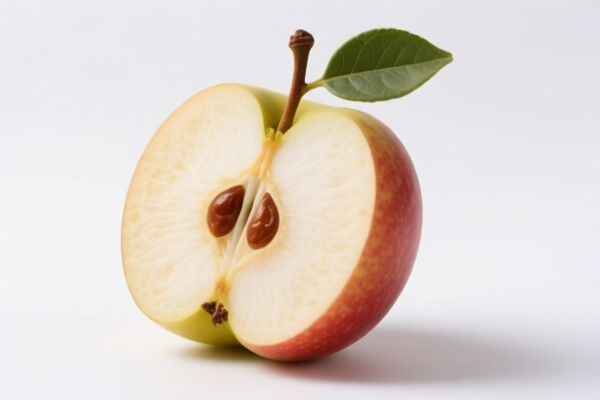
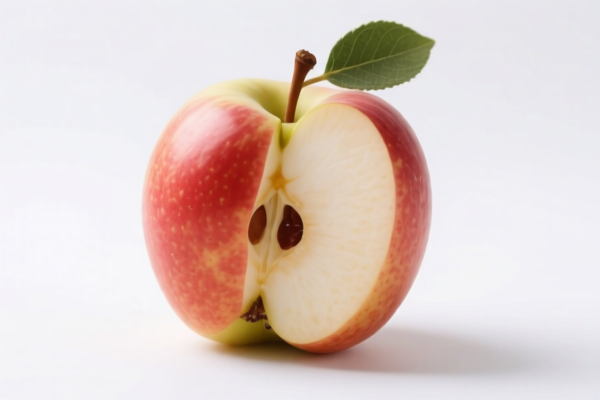
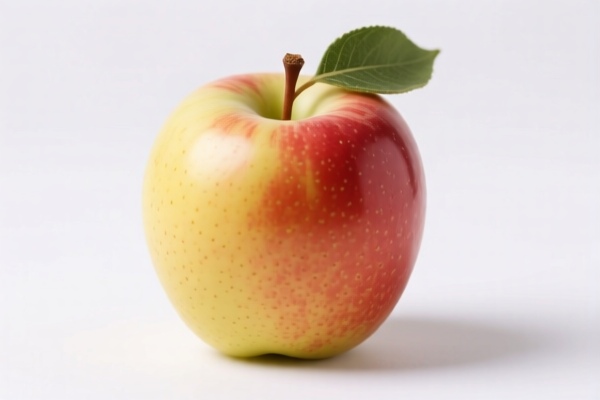
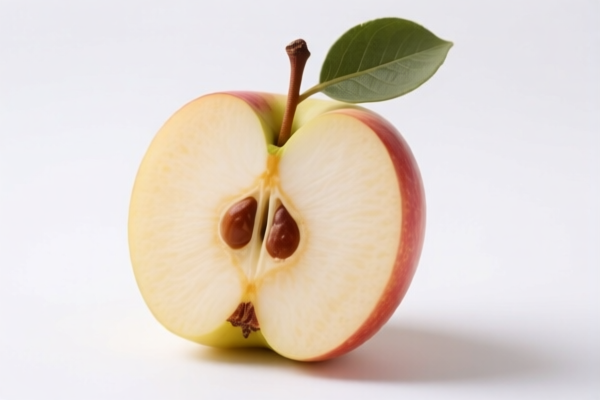
AI Analysis
🌿 Agricultural Fruit Swelling Agents with Inorganic Components
🌐 HS Code Reference & Customs Clearance Guide | 2026 Latest Tariff Analysis | Professional Entry Strategy
📌 I. Product Definition & Classification: Do You Really Understand "Fruit Swelling Agents"?
Agricultural fruit swelling agents (often referred to as plant growth regulators or fruit enlargers) are specialized chemical formulations used in modern agriculture to enhance fruit size, yield, and quality. When these agents contain inorganic components, they fall into a complex regulatory intersection between fertilizers and chemical preparations.
Key Distinction Logic:
- If the product is primarily classified as a mineral/chemical fertilizer containing specific nutrient elements (N, P, K, etc.) → It falls under Chapter 31.
- If the product is a mixture of inorganic compounds serving as an industrial chemical preparation → It falls under Chapter 38.
- If the product is specifically a plant growth regulator with inorganic bases → It may also fall under Chapter 38.
⚠️ Critical Classification Point:
- Is the primary function nutrition (fertilizer) or regulation (growth promoter)?
- Is it a single active inorganic compound or a mixture?
- Does it fit the legal definition of "plant growth regulator" under HS 3808?
📦 II. HS Code Classification Details (2026 Latest Tariff Authority Comparison)
Below are the five potential HS Codes for Inorganic-containing Agricultural Fruit Swelling Agents, based on different material and functional characteristics provided in the data.
| HS Code | Product Description | Application Scenario | Key Characteristic |
|---|---|---|---|
3105.90.00.50 |
Agricultural fruit swelling agent containing inorganic substances; classified as fertilizer/chemical substance. | Fertilizer category, mineral/chemical fertilizer material characteristics. | Fertilizer Logic: Fits under "Mineral or Chemical Fertilizers" (Chapter 31). |
3824.99.39.90 |
Contains inorganic substances; fits the material characteristic of a mixture of two or more inorganic compounds. | Chemical industrial preparation category. | Mixture Logic: Classified as a "Chemical Industry Preparation" due to multiple inorganic compounds. |
3808.99.70.00 |
Agricultural fruit swelling agent used as a plant growth regulator; material contains inorganic substances. | Plant growth regulator category, inorganic substance preparation. | Regulator Logic: Classified as a "Plant Growth Regulator" (Chapter 38). |
3105.51.00.00 |
Material attribute is mineral/chemical fertilizer; function belongs to fertilizer category. | Fits logic containing specific fertilizer-effect elements. | Element Logic: Classified as a fertilizer with specific nutrient elements. |
3808.93.20.00 |
Used as a plant growth regulator; material explicitly contains inorganic substances. | Plant growth regulator category, key inorganic feature. | Specific Regulator Logic: A specific sub-category for plant growth regulators with inorganic bases. |
🔍 Key Reminder:
- Chapter 31 (3105.xx): If the product is deemed a fertilizer (even if it has swelling effects), it falls here. Tax is generally lower on the base rate.
- Chapter 38 (3808.xx, 3824.xx): If the product is deemed a chemical preparation or plant growth regulator, it falls here.
- Note on Taxes: Despite different HS codes, the total tariff rate for US imports from China is consistently high (35%-40%) due to additional duties.
💰 III. 2026 Latest Tariff Rate Details (Including Additional Taxes & Policy Add-ons)
✅ Applicable Country: United States (US)
✅ Origin: China (CN)
✅ Effective Time: Post-2025 (Including subsequent imports)
🎯 1. 3105.90.00.50 —— Fertilizer Category (Mineral/Chemical)
| Item | Content |
|---|---|
| Base Tariff | 0.0% (ad valorem) |
| USITC Additional Tariff (Section 301) | +25.0% |
| 122 Clause Tariff (IEEPA-related) | +10.0% |
| Total Tariff Rate | 35.0% |
| Tax Calculation | CIF Value × 35% |
| De Minimis Exemption | ❌ Not Applicable (High tariff items excluded) |
| Legal Basis Path | USITC:3105.90.00.50 → Section 301: +25% → 122 Clause: +10% |
📌 Explanation:
- Although the base tariff is 0%, the additional duties push the total to 35%.
- This code is chosen when the product is legally viewed as a fertilizer rather than a pure chemical regulator.
🎯 2. 3824.99.39.90 —— Chemical Industrial Preparation (Mixture of Inorganics)
| Item | Content |
|---|---|
| Base Tariff | 0.0% |
| USITC Additional Tariff (Section 301) | +25.0% |
| 122 Clause Tariff | +10.0% |
| Total Tariff Rate | 35.0% |
| Tax Calculation | CIF Value × 35% |
| De Minimis Exemption | ❌ Not Applicable |
| Legal Basis Path | USITC:3824.99.39.90 → Section 301: +25% → 122 Clause: +10% |
📌 Note:
- This code applies if the product is a complex mixture of inorganic compounds, not fitting the strict definition of a single fertilizer.
- Same tax burden as the fertilizer category.
🎯 3. 3808.99.70.00 —— Plant Growth Regulator (Inorganic Base)
| Item | Content |
|---|---|
| Base Tariff | 5.0% |
| USITC Additional Tariff (Section 301) | +25.0% |
| 122 Clause Tariff | +10.0% |
| Total Tariff Rate | 40.0% |
| Tax Calculation | CIF Value × 40% |
| De Minimis Exemption | ❌ Not Applicable |
| Legal Basis Path | USITC:3808.99.70.00 → Section 301: +25% → 122 Clause: +10% |
📌 Critical Difference:
- Unlike the fertilizer categories, this code has a 5% base tariff.
- Total rate is 40%, which is 5% higher than the fertilizer classification.
- Choose this only if the product is explicitly marketed and regulated as a Plant Growth Regulator.
🎯 4. 3105.51.00.00 —— Fertilizer with Specific Elements
| Item | Content |
|---|---|
| Base Tariff | 0.0% |
| USITC Additional Tariff (Section 301) | +25.0% |
| 122 Clause Tariff | +10.0% |
| Total Tariff Rate | 35.0% |
| Tax Calculation | CIF Value × 35% |
| De Minimis Exemption | ❌ Not Applicable |
| Legal Basis Path | USITC:3105.51.00.00 → Section 301: +25% → 122 Clause: +10% |
📌 Note:
- Similar to3105.90.00.50, this is a fertilizer classification.
- It implies the product contains specific fertilizer-effect elements (e.g., nitrogen, phosphorus, potassium, or other mineral nutrients) in addition to swelling agents.
🎯 5. 3808.93.20.00 —— Specific Plant Growth Regulator (Inorganic)
| Item | Content |
|---|---|
| Base Tariff | 5.0% |
| USITC Additional Tariff (Section 301) | +25.0% |
| 122 Clause Tariff | +10.0% |
| Total Tariff Rate | 40.0% |
| Tax Calculation | CIF Value × 40% |
| De Minimis Exemption | ❌ Not Applicable |
| Legal Basis Path | USITC:3808.93.20.00 → Section 301: +25% → 122 Clause: +10% |
📌 Note:
- This is a specific sub-category for plant growth regulators.
- Like3808.99.70.00, it incurs the 40% total tariff.
- Use this if the product has a precise regulatory status as a plant growth regulator with inorganic components.
🛠️ IV. Customs Clearance Practical Advice (Battle-Tested Pitfall Avoidance Guide)
✅ 1. Preparation Checklist (Missing Items Will Cause Delays)
| Material | Mandatory | Explanation |
|---|---|---|
| ✅ Product Specification Sheet | ✔️ | Must list inorganic components, concentration, and intended use (fertilizer vs. regulator). |
| ✅ Formula/Composition Analysis | ✔️ | Critical to determine if it’s a fertilizer (Ch31) or chemical prep (Ch38). |
| ✅ Product Photos (including Label) | ✔️ | Label must clearly state "Agricultural Product" or "Plant Growth Regulator". |
| ✅ Third-Party Test Report | ✔️ | USDA/EPA registration (if applicable) or agricultural chemical safety report. |
| ✅ Commercial Invoice | ✔️ | Clearly describe as "Inorganic Agricultural Fruit Swelling Agent" – avoid vague terms. |
| ✅ Origin Certificate (CO) | ✔️ | Required to confirm Chinese origin (subject to additional tariffs). |
| ✅ Packing List | ✔️ | Show net weight, gross weight, and packaging details. |
✅ 2. Declaration Tips (Key Mantra)
🔥 "Function Defines Code, Tax Follows Logic, Name Must Match!"
| Scenario | Correct Declaration | Incorrect Practice |
|---|---|---|
| Product is primarily a Fertilizer | 3105.90.00.50 or 3105.51.00.00 |
Declaring as "Chemical" → 40% tax |
| Product is a Mixture of Inorganics | 3824.99.39.90 |
Declaring as single substance → Classification error |
| Product is explicitly a Plant Regulator | 3808.99.70.00 or 3808.93.20.00 |
Declaring as "Fertilizer" to save tax → Customs Audit & Penalty Risk |
✅ 3. Special Handling Situations
| Situation | Handling Advice |
|---|---|
| OEM Custom Swelling Agent | Provide client order + technical data sheet to prove function (regulator vs. fertilizer). |
| Product with Organic + Inorganic Components | If organic component is dominant, it might not fit these HS codes. Ensure inorganic is the key feature for these classifications. |
| USDA/EPA Registration | Ensure the product has necessary agricultural chemical registration in the US to avoid entry denial. |
| High-Tariff Cost Control | Consider if the product can be re-formulated to qualify as a standard fertilizer (35% tax) rather than a regulator (40% tax), if legally permissible. |
🌍 V. Global Market Clearance Comparison (2026 Latest)
| Country/Region | Recommended HS Code | Tariff | Certification Requirements | Notes |
|---|---|---|---|---|
| 🇺🇸 USA | 3105.x.x or 3808.x.x |
35%-40% (from CN) | EPA/USDA Registration | High additional tariffs apply. |
| 🇨🇳 China | 3105 or 3808 |
~5%-10% | Agricultural License | No additional trade war tariffs. |
| 🇪🇺 EU | 3105 or 3808 |
~5%-6.5% | EFSA Approval + REACH | No Section 301 tariffs. |
| 🇦🇺 Australia | 3105 or 3808 |
~5% | APVMA Registration | No additional tariffs. |
| 🇯🇵 Japan | 3105 or 3808 |
~0%-5% | JAS/Ministry of Agriculture | No additional tariffs. |
📌 Conclusion:
- USA is the most expensive market due to 25% Section 301 + 10% 122 Clause tariffs.
- Total cost impact is 35%-40%, significantly higher than other markets.
- Strategic Suggestion: For US-bound goods, ensure accurate classification to avoid penalties, and consider supply chain diversification if possible.
📌 VI. Common Errors & Pitfall Guide (Blood & Tears Lessons)
❌ Error 1: Declaring a Plant Growth Regulator as a Fertilizer to save 5% tax
👉 Consequence: Customs audit finds discrepancy → Penalty + Back Tax + Delay
❌ Error 2: Vague description "Agricultural Chemical"
👉 Consequence: Customs cannot determine Chapter 31 vs. 38 → Detention for further testing
❌ Error 3: Ignoring the 122 Clause Tariff
👉 Consequence: Underpayment of 10% → Customs bill for difference + Interest
❌ Error 4: No EPA/USDA Registration
👉 Consequence: Seizure or Return of goods by US authorities
✅ Correct Approach:
"Inorganic Plant Growth Regulator for Fruit Enlargement, Containing [Specific Inorganic Compounds], EPA Reg. No. XXXXX, Model XYZ"
🎯 VII. Conclusion: Professional Declaration, Save Time, Reduce Costs
🎯 Remember the Mantra:
🔹 "Fertilizer = 35%, Regulator = 40%, Mixture = 35%. Function decides, Cost varies."
🔹 "HS Code Determines Life, 5% Difference is Huge, Declaration Error Costs Thousands!"
📌 Pro Tip:
If your product can be legally classified as a fertilizer (3105), it saves 5% tariff compared to regulator (3808).
However, misclassification is risky. Always consult with a customs broker and provide technical data to justify the classification.
Consider applying for an Advance Ruling from US Customs to confirm the correct HS Code and tariff rate.
📣 Immediate Action:
📞 Contact a professional customs broker + Provide Product Formula + Apply for HS Code Advance Ruling
🚀 Ensure your agricultural products clear customs smoothly, enter the US market efficiently, and protect your profit margins!
✨ Professional clearance starts with accurate classification!
💼 Every cent of your cost deserves precise calculation!
Customer Reviews
About HS Code Classification
The Harmonized System (HS) is an internationally standardized nomenclature developed by the World Customs Organization (WCO) to classify traded products. Over 200 countries use the HS system as the basis for customs tariffs, trade statistics, and import/export regulations.
Each HS code follows a hierarchical structure:
- Chapter (2 digits) — Broad category of goods (e.g., Chapter 84: Machinery and Mechanical Appliances)
- Heading (4 digits) — More specific grouping within the chapter
- Subheading (6 digits) — Internationally standardized breakdown, used by all WCO member countries
- National subdivisions (8-10 digits) — Country-specific extensions for further classification, such as US HTSUS 10-digit codes
Correct HS code classification is essential for smooth customs clearance, accurate duty payment, and compliance with trade regulations. Misclassification can lead to customs delays, overpayment of duties, or penalties.
When importing from CN to US, the applicable tariff rates may include:
- Most-Favored-Nation (MFN) rate — The standard duty rate applied to WTO members
- General rate — Applied to countries without trade agreements
- Trade remedy duties — Additional tariffs such as Section 301 (anti-dumping), Section 232 (national security), or countervailing duties
The information provided on this page is for reference purposes only. For official classification, please consult with your local customs authority or a licensed customs broker.