Insecticide Pad
CN → US| HS Code | Tariff Rate | Origin | Destination | Doc |
|---|---|---|---|---|
| 3808911000 | 37.8% | CN | US | Official Doc |
| 3808913000 | 40.0% | CN | US | Official Doc |
| 2933991701 | 16.5% | CN | US | Official Doc |
| 2934991600 | 16.5% | CN | US | Official Doc |
Product Images
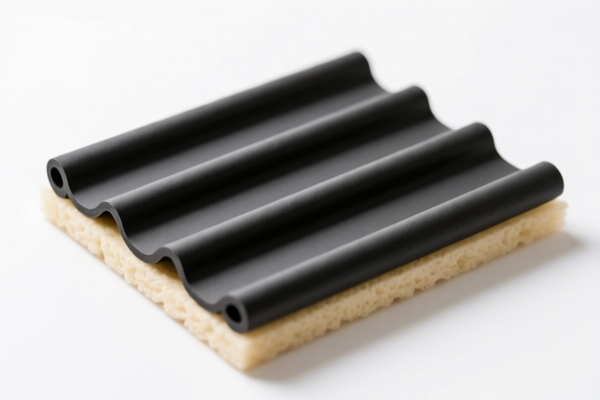
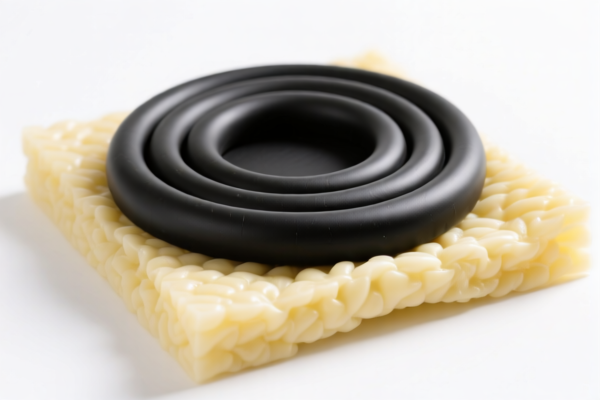
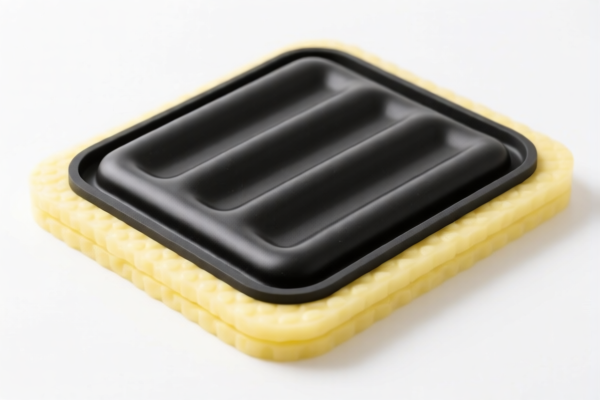
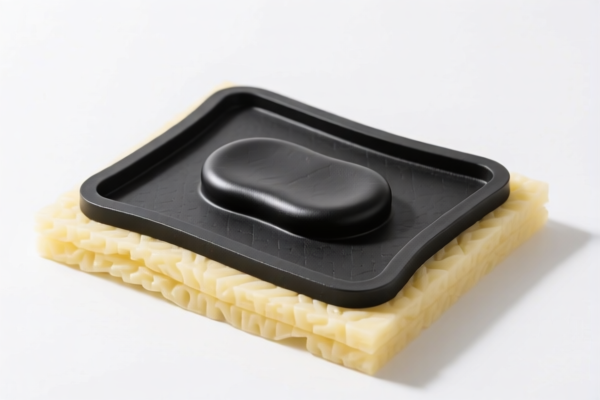
AI Analysis
🪰 Insecticide Pad (Fly Catchers & Insecticidal Products)
🌐 HS Code Reference & Customs Clearance Guide | 2026 Latest Tariff Analysis | Professional Entry Strategies
📌 I. Product Definition & Classification: Do You Really Understand "Insecticide Pads"?
Insecticide pads, often referred to as fly ribbons, sticky traps, or insecticidal papers, are critical tools in pest control. In international trade, these products are generally classified under Chapter 38 (Miscellaneous Chemical Products) when packaged for retail or as preparations, or under Chapter 29 (Organic Chemicals) if the primary characteristic is the chemical compound itself.
For retail-ready insecticide pads (such as fly ribbons, sticky strips with bait, or pre-treated papers), the most accurate classification typically falls under Heading 38.08. However, specific chemical compositions may lead to classification under Heading 29.33 or 29.34 if the product is defined strictly by its heterocyclic compound content rather than its retail form.
⚠️ Key Distinction:
- Retail Packings/Preparations: Fly ribbons, sticky traps with adhesive/insecticide mix → HS 3808.91
- Pure Chemical Compounds (Heterocyclic): If the item is a raw chemical substance specifically identified as an insecticide → HS 2933.99 or 2934.99
📦 II. HS Code Classification Details (2026 Latest Tariff Authority Comparison)
| HS Code | Product Description | Applicable Scenario | Key Characteristic |
|---|---|---|---|
3808.91.10.00 |
Insecticides: Fly ribbons (ribbon fly catchers) | Retail-packed fly ribbons, sticky fly traps | ✅ Retail Form |
3808.91.30.00 |
Insecticides: Other: Containing an inorganic substance | Insecticidal strips/pads with inorganic active ingredients | ✅ Inorganic Content |
2933.99.17.01 |
Heterocyclic compounds: Aromatic: Pesticides: Insecticides | Raw chemical insecticides (non-retail forms) | ✅ Organic Chemical |
2934.99.16.00 |
Other heterocyclic compounds: Aromatic: Pesticides: Insecticides | Other specific chemical insecticides | ✅ Organic Chemical |
🔍 Critical Reminder:
- If the product is a finished article for retail sale (e.g., a box of fly paper strips), it must be classified under 3808, NOT Chapter 29.
- Chapter 29 codes (2933,2934) apply only when the product is a chemical substance or preparation not put up in forms/packings for direct retail use as an article.
- Misclassification leads to significant delays and potential penalties due to incorrect tax declaration.
💰 III. 2026 Latest Tariff Rate Details (Including Additional Taxes)
✅ Applicable Country: United States (US)
✅ Origin: China (CN)
✅ Effective Time: 2025/2026 (Current Regulations)
🎯 1. 3808.91.10.00 —— Fly Ribbons / Ribbon Fly Catchers (Retail Preparation)
| Item | Content |
|---|---|
| Base Duty Rate | 0.0% |
| Additional Duty (Section 301 / IEEPA) | 0.0% |
| Total Tax Rate | 0.0% |
| Tax Calculation | CIF Value × 0% = $0 |
| De Minimis Eligibility | ✅ Yes (if value < $800) |
| Legal Basis | HTSUS 3808.91.10.00 |
📌 Explanation:
- Insecticidal preparations in retail forms (like fly ribbons) currently face zero tariffs under the base schedule and specific additional trade measures for this specific subheading.
- This makes fly ribbons a low-cost, low-risk import item compared to other chemical products.
🎯 2. 3808.91.30.00 —— Insecticides Containing Inorganic Substances
| Item | Content |
|---|---|
| Base Duty Rate | 0.0% |
| Additional Duty (Section 301 / IEEPA) | 0.0% |
| Total Tax Rate | 0.0% |
| Tax Calculation | CIF Value × 0% = $0 |
| De Minimis Eligibility | ✅ Yes (if value < $800) |
| Legal Basis | HTSUS 3808.91.30.00 |
📌 Note:
- Even if the insecticide contains inorganic substances (e.g., certain phosphate or sulfur-based compounds), as long as it is in a retail packing, the rate remains 0%.
- This includes many common household insecticidal strips.
🎯 3. 2933.99.17.01 & 2934.99.16.00 —— Chemical Insecticides (Heterocyclic Compounds)
| Item | Content |
|---|---|
| Base Duty Rate | 0.0% |
| Additional Duty (Section 301 / IEEPA) | 0.0% |
| Total Tax Rate | 0.0% |
| Tax Calculation | CIF Value × 0% = $0 |
| De Minimis Eligibility | ✅ Yes (if value < $800) |
| Legal Basis | HTSUS 2933.99.17.01 / 2934.99.16.00 |
📌 Caution:
- While the current tariff is 0%, these codes are for chemical substances.
- Importers must provide MSDS (Material Safety Data Sheets) and Chemical Structure Reports to prove the composition.
- Misdeclaring a retail product as a chemical substance can lead to customs audits.
🛠️ IV. Customs Clearance Practical Advice (实战避坑指南)
✅ 1. Required Documentation Checklist (No Exceptions)
| Document | Required? | Description |
|---|---|---|
| ✅ Product Specifications | ✔️ | Clear description: "Fly Ribbon," "Sticky Trap," active ingredients, quantity. |
| ✅ MSDS (Material Safety Data Sheet) | ✔️ | Mandatory for chemical products. Must list active/inactive ingredients. |
| ✅ Certificate of Origin (CO) | ✔️ | To prove country of origin (e.g., China) for tariff application. |
| ✅ Commercial Invoice | ✔️ | Must clearly state "Insecticidal Preparation" or "Fly Catcher." |
| ✅ Packing List | ✔️ | Detailed breakdown of units, weights, and volumes. |
| ✅ Labeling Photos | ✔️ | Show retail packaging labels, warnings, and ingredient lists. |
✅ 2. Declaration Tips (Key Rules)
🔥 "Retail Form = Ch 38; Raw Chem = Ch 29. Name it right!"
| Scenario | Correct Declaration | Wrong Practice |
|---|---|---|
| Fly Ribbons / Sticky Strips (Retail Pack) | 3808.91.10.00 |
Misdeclare as 2933 (Chemical) → Audit Risk |
| Inorganic Insecticidal Pads (Retail Pack) | 3808.91.30.00 |
Misdeclare as 3808.91.10 → Incorrect Subheading |
| Bulk Chemical Insecticide (Not Retail) | 2933.99.17.01 or 2934.99.16.00 |
Misdeclare as 3808 → Regulatory Non-Compliance |
| Mixed Goods (Pad + Glue + Bait) | 3808.91.10.00 |
Split Declaration → Complex & Risky |
✅ 3. Special Case Handling
| Scenario | Handling Advice |
|---|---|
| EPA Registration (USA) | For insecticides, EPA registration is often required for the active ingredient. Ensure the product is EPA-compliant if sold in the US. |
| Pre-Mixed vs. Raw | If the product is a pre-mixed preparation (e.g., glue + insecticide on a strip), it is 3808. If it is a pure chemical, it is 29. |
| Biodegradable Pads | Still classified under 3808 if they are insecticidal. Biodegradability does not change the chemical classification. |
🌍 V. Global Market Customs Comparison (2026 Latest)
| Country/Region | Recommended HS Code | Tariff | Certification | Notes |
|---|---|---|---|---|
| 🇺🇸 USA | 3808.91.10.00 |
0.0% | EPA (if required) | No additional duties for retail insecticides. |
| 🇨🇳 China | 3808.91.10.00 |
0.0% | CCC (if applicable) | Low import duty for pest control products. |
| 🇪🇺 EU | 3808.91.10.00 |
0.0% | REACH + BPR | Strict chemical regulations; BPR compliance needed. |
| 🇦🇺 Australia | 3808.91.10.00 |
5.0% | APVMA | Check APVMA registration for active ingredients. |
| 🇯🇵 Japan | 3808.91.10.00 |
0.0% | PPC Law | Pesticide Control Law registration required. |
📌 Conclusion:
- USA, China, EU, Japan currently impose 0% tariff on these insecticidal preparations.
- Australia charges 5%, but still relatively low.
- Regulatory Compliance (EPA, REACH, PPC) is more critical than tariff rates for insecticides.
📌 VI. Common Mistakes & Pitfalls (Blood Lessons)
❌ Mistake 1: Declaring "Fly Paper" as "Paper Products" (HS 48)
👉 Consequence: Incorrect Classification → Seizure, fines, and delayed clearance.
👉 Correct: Insecticide-infused paper is Ch 38, not Ch 48.
❌ Mistake 2: Missing MSDS for Chemical Insecticides
👉 Consequence: Hold at Customs → Additional inspection fees, delays.
👉 Correct: Always attach MSDS for any chemical-containing product.
❌ Mistake 3: Using "Insecticide" as a Generic Description
👉 Consequence: Ambiguity → Customs may request detailed composition.
👉 Correct: Specify "Fly Ribbon, Insecticidal Preparation, Active Ingredient: XYZ."
❌ Mistake 4: Ignoring EPA/APVMA/REACH Regulations
👉 Consequence: Product Banned/Rejected → Even with 0% tariff, non-compliant products are blocked.
👉 Correct: Verify local pesticide registration requirements before shipping.
✅ Correct Practice:
"Fly Ribbon, Insecticidal Preparation, Retail Pack, Active Ingredient: Permethrin, EPA No. [Number], Model ABC, 30 Strips/Box"
🎯 VII. Conclusion: Precision in Classification Saves Time and Money!
🎯 Remember the Mantra:
🔹 "Retail Insecticide = Ch 38, Chemical = Ch 29"
🔹 "0% Tariff Now, But Check Regulations First!"
🔹 "MSDS & EPA are Non-Negotiable!"
📌 Pro Tip:
- For USA Imports, ensure the insecticide is EPA-registered.
- For EU Imports, ensure compliance with BPR (Biocidal Products Regulation).
- Pre-Clearance Consultation is highly recommended for new insecticidal products to avoid regulatory shocks.
📣 Immediate Action:
📞 Contact your customs broker + Provide MSDS + Verify Local Pesticide Regulations
🚀 Ensure Smooth Clearance, Zero Surprises, and Cost-Effective Importing!
✨ Professional Customs Clearance Starts with Accurate Classification!
💼 Every Percent Matters, Every Regulation Counts!
Customer Reviews
About HS Code Classification
The Harmonized System (HS) is an internationally standardized nomenclature developed by the World Customs Organization (WCO) to classify traded products. Over 200 countries use the HS system as the basis for customs tariffs, trade statistics, and import/export regulations.
Each HS code follows a hierarchical structure:
- Chapter (2 digits) — Broad category of goods (e.g., Chapter 84: Machinery and Mechanical Appliances)
- Heading (4 digits) — More specific grouping within the chapter
- Subheading (6 digits) — Internationally standardized breakdown, used by all WCO member countries
- National subdivisions (8-10 digits) — Country-specific extensions for further classification, such as US HTSUS 10-digit codes
Correct HS code classification is essential for smooth customs clearance, accurate duty payment, and compliance with trade regulations. Misclassification can lead to customs delays, overpayment of duties, or penalties.
When importing from CN to US, the applicable tariff rates may include:
- Most-Favored-Nation (MFN) rate — The standard duty rate applied to WTO members
- General rate — Applied to countries without trade agreements
- Trade remedy duties — Additional tariffs such as Section 301 (anti-dumping), Section 232 (national security), or countervailing duties
The information provided on this page is for reference purposes only. For official classification, please consult with your local customs authority or a licensed customs broker.