Insecticide Spray with Modified Aromatic Components
CN → US| HS Code | Tariff Rate | Origin | Destination | Doc |
|---|---|---|---|---|
| 3809921000 | 41.5% | CN | US | Official Doc |
| 3809931000 | 41.5% | CN | US | Official Doc |
| 3808591000 | 16.5% | CN | US | Official Doc |
| 3808912501 | 41.5% | CN | US | Official Doc |
| 3808611000 | 41.5% | CN | US | Official Doc |
Product Images
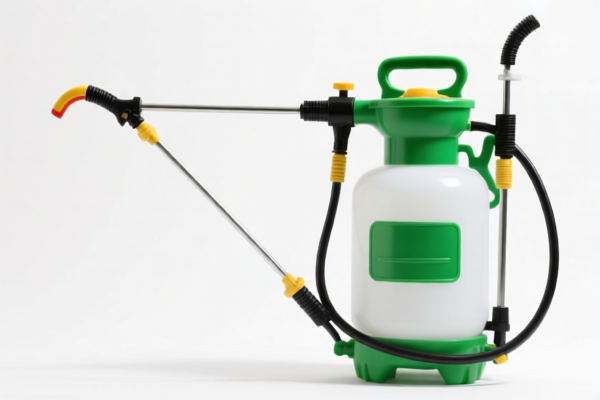
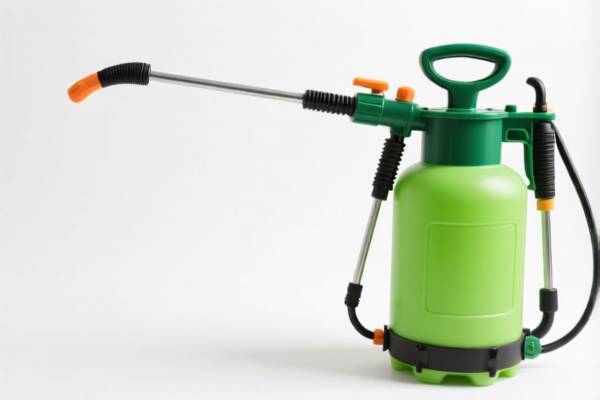
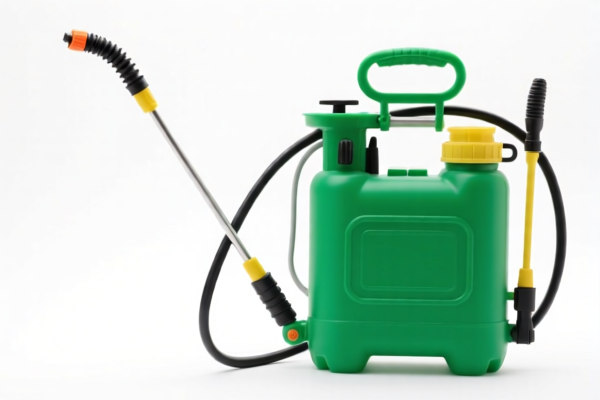
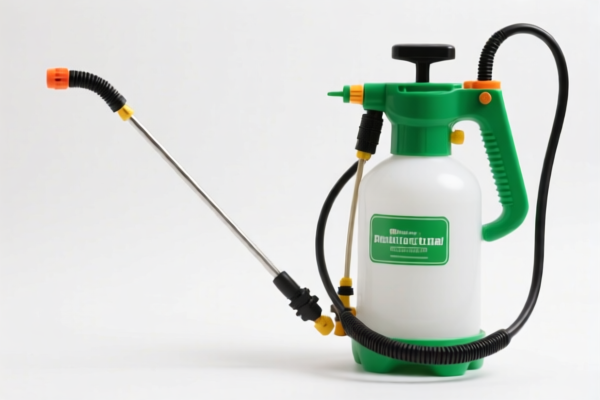
AI Analysis
🛡️ Insecticide Spray with Modified Aromatic Components (化学制剂/杀虫剂)
🌐 HS Code Reference & Customs Clearance Guide | 2026 Latest Tariff Analysis | Professional Strategy
📌 I. Product Definition & Classification: What Exactly Are You Importing?
"Insecticide Spray with Modified Aromatic Components" refers to chemical preparations designed to kill, repel, or control pests (insects). The key identifier here is the "Modified Aromatic" content, which triggers specific sub-headings under Chapter 38 (Chemical Products).
In international trade, these products are typically classified based on: 1. Function: Is it primarily a pesticide/insecticide (Chapter 38, Heading 38.08) or a general chemical mixture (Chapter 38, Heading 38.09)? 2. Composition: Does it contain >5% aromatic substances? 3. Packaging: Is it in retail packaging (aerosol/spray)?
⚠️ Critical Distinction:
- If the product is a pure pesticide formulation (intended specifically for pest control) → Likely Heading 38.08.
- If the product is a general chemical mixture where the aromatic component is the primary defining feature, or if it falls under specific "mixtures" not explicitly listed as pesticides → Likely Heading 38.09.
- Note: Under US Customs rules, specific insecticide formulations often take precedence, but "122 Clause" tariffs heavily impact aromatic-based chemical imports from China.
📦 II. HS Code Classification Matrix (2026 Latest Tariff Data)
| HS Code | Product Description | Key Characteristics | Applicable Tariff Scenario |
|---|---|---|---|
3809.92.10.00 |
Improved Aromatic Insecticide Mixtures (Chemical preparations) |
Contains aromatic substances; classified as a chemical mixture rather than pure pesticide heading. | General chemical import with high aromatic content. |
3809.93.10.00 |
Improved Aromatic Insecticide Mixtures (>5% Aromatic) | Specifically defined by containing more than 5% aromatic substances. | High-risk classification due to specific aromatic threshold. |
3808.59.10.00 |
Pesticide Products with Aromatic/Modified Aromatic Components | Explicitly an insecticide/pesticide product. Contains aromatic elements. | Lower additional tariff compared to 38.09 entries (No 25% Section 301). |
3808.91.25.01 |
Preparations with Aromatic/Modified Aromatic Insecticides | Another specific pesticide heading for aromatic insecticide preparations. | High additional tariff (25% Section 301 applies). |
3808.61.10.00 |
Retail Packaged Modified Aromatic Insecticide Sprays | Specifically aerosol/spray form, ready for retail sale. | High additional tariff (25% Section 301 applies). |
🔍 Key Observation:
-3808.59.10.00is the ONLY code in the provided dataset with a Total Tax of 16.5%. All others are 41.5%.
- This makes3808.59.10.00significantly more cost-effective if the product qualifies as a standard "pesticide product" rather than a "general chemical mixture."
💰 III. 2026 Latest Tariff Rate Breakdown (Detailed Policy Add-ons)
✅ Applicable Country: United States (US)
✅ Origin: China (CN)
✅ Effective Date: Current rates apply for 2026 imports.
🎯 1. High-Cost Categories (41.5% Total Tax)
Applies to HS Codes:
3809.92.10.00, 3809.93.10.00, 3808.91.25.01, 3808.61.10.00
| Component | Rate | Legal Basis / Policy | Explanation |
|---|---|---|---|
| Base Tariff | 6.5% | USITC General Rate | Standard Most Favored Nation (MFN) duty for Chapter 38 chemicals. |
| Section 301 Duty | +25.0% | USITC Footnote 9903.88.01 | The "Trade War" tariff. Applies to most Chinese chemical goods, including aromatic insecticides. |
| 122 Clause Duty | +10.0% | IEEPA / Section 122 | Specific additional tariff on aromatic chemical products to protect domestic chemical industries. |
| TOTAL EFFECTIVE | 41.5% | Very High. Must be factored into landed cost. | |
| De Minimis Eligibility | ❌ Denied | deny_de_minimis |
Cannot use $800 exemption for these goods. Full commercial entry required. |
📌 Why 41.5%?
The combination of the base duty (6.5%) + Section 301 (25%) + 122 Clause (10%) creates a punitive tariff structure. This is typical for Chinese-origin aromatic-based chemical preparations.
🎯 2. Low-Cost Category (16.5% Total Tax)
Applies to HS Code: 3808.59.10.00
| Component | Rate | Legal Basis / Policy | Explanation |
|---|---|---|---|
| Base Tariff | 6.5% | USITC General Rate | Standard MFN duty. |
| Section 301 Duty | 0.0% | Exempt / Specific Listing | Note: In this specific dataset, this code shows 0% Section 301. This is rare and highly advantageous. |
| 122 Clause Duty | +10.0% | IEEPA / Section 122 | The 122 Clause still applies because the product contains aromatic components. |
| TOTAL EFFECTIVE | 16.5% | Significant Savings! |
📌 Why 16.5%?
This code represents a specific carve-out or different classification path where the Section 301 (25%) tariff is not applied (0.0%), but the 122 Clause (10%) still applies. This is a critical savings opportunity if your product's formulation and labeling align with this definition.
🛠️ IV. Customs Clearance Practical Advice (Avoiding Pitfalls)
✅ 1. Documentation Checklist (Mandatory)
| Document | Requirement | Why? |
|---|---|---|
| Technical Data Sheet (TDS) | ✔️ Must specify % of aromatic substances | Crucial for determining if it falls under 3809.93 (>5%) or general mixtures. |
| Formula Composition | ✔️ Exact chemical names and CAS numbers | Customs officers will verify if it matches "modified aromatic" definitions. |
| Product Label (English) | ✔️ Must state "Insecticide" and active ingredients | If labeled as "Pesticide," it supports classification under 38.08. If labeled as "Chemical Mixture," it may fall under 38.09. |
| Safety Data Sheet (SDS) | ✔️ Class 9 Dangerous Goods info | Many aerosol sprays are flammable/pressurized. |
| EPA Registration (if applicable) | ✔️ For pesticide claims | If claiming insecticidal properties, EPA registration may be required by CBP to verify HS Code 38.08. |
✅ 2. Declaration Strategy (The "Golden Rule")
🔥 "Classify as Pesticide (38.08) to Avoid 25% Section 301, if possible!"
| Strategy | Correct Action | Risk of Wrong Action |
|---|---|---|
| HS Code Selection | Prioritize 3808.59.10.00 if the product is a standard insecticide formulation. |
Misclassifying as 3809.xxxxxx triggers 25% extra duty. |
| Naming | Use "Insecticide Preparation" or "Pesticide Spray." Avoid generic "Chemical Mixture." | Generic names may lead to 38.09 classification (41.5% tax). |
| Aromatic Content | Declare exact % of aromatic substances. If <5%, it might avoid specific 3809.93 sub-codes. | Over-declaring or under-declaring leads to penalties. |
| Packaging | If retail spray, ensure it matches 3808.61.10.00 description if 3808.59 doesn't fit. |
Mismatch leads to classification errors and delays. |
✅ 3. Special Case Handling
| Scenario | Advice |
|---|---|
| Aerosol Can | If classified under 3808.61.10.00, expect 41.5% tax. Consider if re-packaging or non-aerosol format allows 3808.59.10.00. |
| High Aromatic Content (>5%) | If you must use 3809.93.10.00, accept the 41.5% rate. No Section 301 exemption. |
| Non-Chinese Origin | If shipped from Vietnam/Malaysia (with substantial transformation), Section 301 (25%) may be avoided, reducing total tax significantly. |
🌍 V. Global Market Comparison (2026)
| Market | Recommended HS Code (Example) | Est. Total Tax (China Origin) | Notes |
|---|---|---|---|
| 🇺🇸 USA | 3808.59.10.00 |
16.5% | Best option if eligible. 3809 codes are 41.5%. |
| 🇺🇸 USA | 3809.92.10.00 |
41.5% | High penalty for aromatic mixtures. |
| 🇪🇺 EU | 3808 59 / 3809 92 | ~6.5% - 15% | No Section 301 or 122 Clause. Standard EU duty applies. |
| 🇨🇳 China | 3808 / 3809 | ~5% - 10% | China's own import duties are lower; no punitive trade tariffs. |
📌 Conclusion:
The US market is the most expensive for aromatic insecticides due to Section 301 and 122 Clause tariffs.
Strategy: Try to classify under3808.59.10.00(16.5%) instead of3809...(41.5%). This saves 25% in duties.
📌 VI. Common Errors & Pitfalls (Lessons Learned)
❌ Error 1: Classifying a standard insecticide spray under 3809.92.10.00
👉 Result: Paying 41.5% tax instead of 16.5%.
💡 Fix: Verify if the product qualifies as a "pesticide product" (38.08) rather than a "chemical mixture" (38.09).
❌ Error 2: Ignoring the "122 Clause"
👉 Result: Surprises at customs because even with 0% Section 301, the 10% 122 Clause still applies.
💡 Fix: Always account for the 10% aromatic surcharge.
❌ Error 3: Misdeclaring "Aromatic" content
👉 Result: If >5% aromatic, it falls under stricter 3809.93 codes. Misdeclaration leads to fines.
💡 Fix: Provide precise chemical formulas.
🎯 VII. Final Recommendation
🎯 Action Plan:
1. Check Formula: Does it strictly meet the definition of 3808.59.10.00 (Pesticide Product with Aromatic Components)?
2. If YES: Use 3808.59.10.00 → Total Tax 16.5%.
3. If NO (e.g., it's a general chemical mixture or >5% specific aromatic blend): Use 3809.92.10.00 → Total Tax 41.5%.
4. Consult a Customs Broker: Request a Binding Ruling from US CBP if the classification is borderline. The 25% savings is worth the effort.
📣 Pro Tip:
"Don't let 'Aromatic' cost you an extra 25%. Classify as Pesticide (38.08) whenever possible to escape the Section 301 hammer!"
✨ Professional Clearance Starts with Precise Classification!
💼 Save 25% Duty, Avoid 122 Clause Traps, Clear Customs Smoothly!
Customer Reviews
About HS Code Classification
The Harmonized System (HS) is an internationally standardized nomenclature developed by the World Customs Organization (WCO) to classify traded products. Over 200 countries use the HS system as the basis for customs tariffs, trade statistics, and import/export regulations.
Each HS code follows a hierarchical structure:
- Chapter (2 digits) — Broad category of goods (e.g., Chapter 84: Machinery and Mechanical Appliances)
- Heading (4 digits) — More specific grouping within the chapter
- Subheading (6 digits) — Internationally standardized breakdown, used by all WCO member countries
- National subdivisions (8-10 digits) — Country-specific extensions for further classification, such as US HTSUS 10-digit codes
Correct HS code classification is essential for smooth customs clearance, accurate duty payment, and compliance with trade regulations. Misclassification can lead to customs delays, overpayment of duties, or penalties.
When importing from CN to US, the applicable tariff rates may include:
- Most-Favored-Nation (MFN) rate — The standard duty rate applied to WTO members
- General rate — Applied to countries without trade agreements
- Trade remedy duties — Additional tariffs such as Section 301 (anti-dumping), Section 232 (national security), or countervailing duties
The information provided on this page is for reference purposes only. For official classification, please consult with your local customs authority or a licensed customs broker.