Insoles
CN → US| HS Code | Tariff Rate | Origin | Destination | Doc |
|---|---|---|---|---|
| 6406909000 | 17.5% | CN | US | Official Doc |
| 6406102061 | 28.0% | CN | US | Official Doc |
| 9021908100 | 10.0% | CN | US | Official Doc |
| 6406109040 | 22.0% | CN | US | Official Doc |
| 4016990500 | 20.9% | CN | US | Official Doc |
Product Images
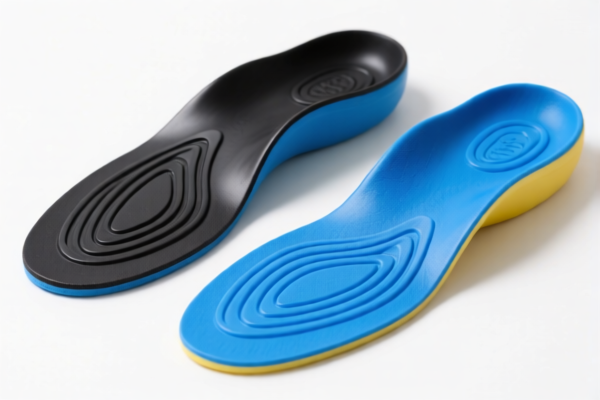
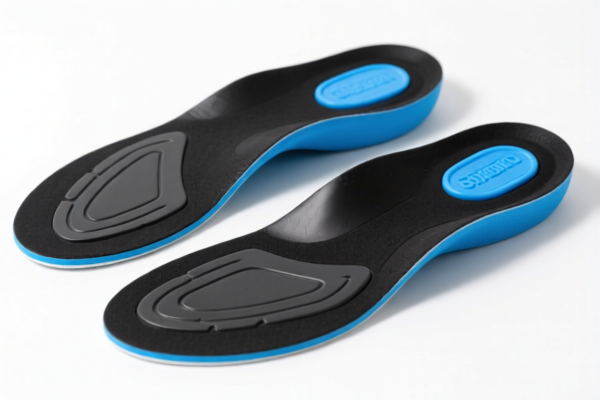


AI Analysis
👠🚶♂️ Insoles: The Ultimate HS Code & Duty Guide (2026 Edition)
🌐 Global Trade & Customs Clearance | 2026 Tax Rate Breakdown | Expert Strategy for Sneakers & Orthotics
📌 I. Product Definition & Classification: What Exactly Are "Insoles"?
Insoles are removable or fixed inserts placed inside footwear to provide cushioning, support, or height enhancement. In international trade, they are not a single unified category. Their classification hinges on Function (Orthopedic vs. General) and Material Composition.
There are three critical distinctions for customs officers: 1. General Cushioning/Heightening: Treated as "Parts of Footwear" (Chapter 64). 2. Orthopedic/Therapeutic: Treated as "Medical Appliances" (Chapter 90). 3. Material Specifics: Rubber, EVA, Leather, or "Other" materials trigger different sub-headings.
⚠️ The Golden Rule: - If it has no medical function and is for general use/heightening → Chapter 64 (Parts of Footwear). - If it has orthopedic/corrective function → Chapter 90 (Medical Appliances). - Misclassification can lead to a 110% tariff jump!
📦 II. HS Code Classification Matrix (2026 Latest Tariff Rules)
| HS Code | Product Description | Key Characteristics | Tax Rate (Total) |
|---|---|---|---|
| 6406.90.90.00 | General Insoles (Other materials) | Removable, non-orthopedic, made of Rubber, EVA, Sponge, or mixed non-metallic materials. | 17.5% |
| 6406.10.20.61 | Standard Insoles & Heel Pads | Removable insoles/heel pads, generic usage, no specific material preference noted. | 28.0% |
| 9021.90.81.00 | Orthopedic/Therapeutic Insoles | Heightening/Corrective function. Belongs to "Appliances for physical disorders". | 10.0% |
| 6406.10.90.40 | Other Removable Insoles | General purpose, unspecified material (tends toward "Other" category). | 22.0% |
🔍 Critical Logic Check: - Heightening Insoles: - If purely for aesthetics/height (no medical correction) → 6406 series (17.5% ~ 28%). - If for corrective posture/medical reasons → 9021 series (10%). - Material Matters: "Other" materials (EVA, Sponge) usually fall under 6406.90.90.00 (17.5%).
💰 III. 2026 Tariff Rate Breakdown (Detailed & Specific)
✅ Target Market: USA (Export from China) ✅ Valid From: 2025-2026 Trade Cycle ✅ Components: Base Duty + Section 301 (Add-on) + 122条款 (Section 122 - 10%)
🎯 1. HS Code: 6406.90.90.00 (Most Common for EVA/Sponge Insoles)
Best for: General cushioning, athletic shoe inserts, standard heightening (non-medical).
| Item | Detail |
|---|---|
| Base Duty (MFN) | 0.0% |
| Section 301 Add-on | +7.5% |
| Section 122 Tariff | +10.0% |
| 🔥 Total Effective Rate | 17.5% |
| Calculation | CIF Value × 17.5% |
| De Minimis Exemption? | ❌ NO (High value threshold applies for "Other") |
| Legal Path | Section 301 (7.5%) + Section 122 (10%) |
📌 Interpretation: This is the "catch-all" for non-leather, non-rubber (specifically) generic insoles. Even if made of EVA (Ethylene-Vinyl Acetate), if it's not strictly "Rubber" under a specific sub-heading, it hits this 17.5% rate. Do not assume "General Goods = Low Tax."
🎯 2. HS Code: 6406.10.20.61 (Standard Removable Pads)
Best for: Classic leather or generic textile-based insoles/heel pads.
| Item | Detail |
|---|---|
| Base Duty (MFN) | 10.5% |
| Section 301 Add-on | +7.5% |
| Section 122 Tariff | +10.0% |
| 🔥 Total Effective Rate | 28.0% |
| Calculation | CIF Value × 28.0% |
| De Minimis Exemption? | ❌ NO |
| Legal Path | Base 10.5% + Section 301 + Section 122 |
📌 Interpretation: If your insoles fall under "Heel pads & similar" (6406.10 series), the Base Duty is 10.5% (higher than 6406.90). This is the most expensive category for general insoles.
🎯 3. HS Code: 9021.90.81.00 (The "Smart" Classification)
Best for: Medical/Orthopedic insoles, prescribed for foot correction, diabetes shoes, or therapeutic heightening.
| Item | Detail |
|---|---|
| Base Duty (MFN) | 0.0% |
| Section 301 Add-on | 0.0% |
| Section 122 Tariff | +10.0% |
| 🔥 Total Effective Rate | 10.0% |
| Calculation | CIF Value × 10.0% |
| De Minimis Exemption? | ⚠️ Check Specific Medical Exemptions |
| Legal Path | Section 122 only (Medical goods often exempt from Section 301) |
📌 Interpretation: This is your GOLDEN TICKET. If the insole has a medical/orthopedic function (e.g., correcting flat feet, high arches, therapeutic support), it qualifies under Chapter 90. - Savings: You save the 7.5% Section 301 tariff, bringing the total from 28% down to 10%. - Requirement: Must declare "Orthopedic" or "Medical" function clearly.
🎯 4. HS Code: 6406.10.90.40 (Generic "Other" Removable)
Best for: Insoles where material is not specified or falls into a gap category.
| Item | Detail |
|---|---|
| Base Duty (MFN) | 4.5% |
| Section 301 Add-on | +7.5% |
| Section 122 Tariff | +10.0% |
| 🔥 Total Effective Rate | 22.0% |
| Calculation | CIF Value × 22.0% |
| De Minimis Exemption? | ❌ NO |
🛠️ IV. Customs Clearance Strategy (Pitfall Avoidance)
✅ 1. Preparation Checklist (Must-Haves)
| Document | Requirement | Why It Matters |
|---|---|---|
| Product Spec Sheet | ✔️ Mandatory | Must explicitly state Function: "Orthopedic/Corrective" vs. "General Cushioning". |
| Material Declaration | ✔️ Mandatory | Is it EVA? Rubber? Leather? "Other"? This determines 6406.90 vs 6406.10. |
| Medical Certificate | ✔️ If claiming 9021 | If claiming 9021.90.81.00 (10% duty), you must prove medical utility (Doctor's note, FDA 510(k), or Orthopedic certification). |
| Packaging Photos | ✔️ Mandatory | Show if the insole is sold separately or with shoes. |
| Invoice Description | ✔️ Mandatory | DO NOT write just "Insoles". Write: "Orthopedic Insoles for Foot Correction" or "EVA Cushioning Insoles". |
✅ 2. Declaration Hacks (The "Tax Saver" Strategy)
🔥 Strategy: "Medical First, General Second"
Scenario Wrong Declaration Consequence Correct Declaration Result Therapeutic Insoles "Insoles (Fashion)" → 6406 (22% - 28%) "Orthopedic Support Insoles" → 9021 (10%) 🎉 Heightening Insoles "Insoles (Medical)" → 9021 (Risky audit if no proof) "Heightening Insoles (General)" → 6406.90 (17.5%) ✅ Material Ambiguity "Insoles (Various)" → 6406.10 (28% - Penalty) "EVA/Non-Metallic Insoles" → 6406.90 (17.5%) ✅ 📌 Key Insight: - Heightening alone is often NOT considered "Orthopedic" unless it corrects a deformity. If it's just for "looking taller," it's 6406 (17.5%), not 9021 (10%). - Material: If it's Rubber, it might be a different sub-code. If it's EVA/Sponge, it's usually 6406.90.90.00.
✅ 3. Special Cases & Red Flags
| Case | Handling Advice |
|---|---|
| "Fake" Orthopedic | If you declare medical use but the product is just a foam pad, Customs will audit. Result: Seizure + Back Taxes. |
| Mixed Materials | If an insole has a rubber bottom and foam top, declare the Primary Function. If for comfort, stick to 6406. |
| Insoles + Shoes | If sold as a set, the duty is based on the Shoe's HS Code, not the insole. If sold separately, declare Insole HS Code. |
🌍 V. Quick Global Comparison (2026)
| Region | Best HS Code | Duty Rate (China Origin) | Notes |
|---|---|---|---|
| 🇺🇸 USA | 9021.90.81.00 |
10% (Medical) 6406.90.90.00 |
17.5% (General) US is strict on medical claims. |
| 🇪🇺 EU | 6406.90 |
6.5% - 8% | Generally lower base tax, but VAT applies. |
| 🇨🇦 Canada | 6406.90 |
10% - 15% | No Section 301 equivalent, but strict origin rules. |
📌 VI. Common Mistakes & Solutions (Lessons Learned)
❌ Mistake 1: Declaring "Medical Insoles" without proof.
👉 Consequence: Customs reclassifies to 6406.10.20.61 (28% Tax). Loss of 18% profit margin! Fix: Attach medical certification or clear marketing text describing the "corrective" purpose.
❌ Mistake 2: Using vague terms like "Shoe Inserts".
👉 Consequence: Customs may default to the highest tax rate category (28%). Fix: Use specific terms: "EVA Orthotic Insole" or "Leather Removable Insole".
❌ Mistake 3: Ignoring Section 122 (10% Add-on).
👉 Consequence: Many forget this 10% is mandatory on almost all footwear parts from China. Fix: Budget for Total = Base + 7.5% + 10%.
🎯 VII. Final Verdict: Action Plan
🎯 Your Strategy for 2026 Insole Imports:
- Analyze Function: Is it Medical/Orthopedic?
- YES → 9021.90.81.00 (Target 10%). Get proof!
- NO → Go to Step 2.
- Analyze Material:
- Rubber/EVA/Sponge (General) → 6406.90.90.00 (Target 17.5%).
- Textile/Leather (Generic) → 6406.10.20.61 (Target 28%) Try to re-classify to "Other" if possible.
- Declare Accurately:
- Never say "Insoles".
- Say: "Orthopedic Insoles for Flat Feet" or "EVA Cushioning Insoles for Sneakers".
💡 Pro Tip: If your product is "Heightening" but not "Orthopedic", do not claim medical status. It will fail audit. Stick to 6406.90.90.00 (17.5%). It is safer and cheaper than the risk of 6406.10 (28%).
✨ Professional Customs Clearance Starts with Precision! 💼 Your Profit Margin is Protected by the Right HS Code!
📣 Next Step:
📞 Contact your Freight Forwarder to confirm if your specific insole design qualifies for 9021 (Medical). 🚀 Prepare your "Medical Function" documentation NOW to secure the 10% rate!
Disclaimer: Tax rates and HS Codes are subject to change by local customs authorities (e.g., US CBP, EU TARIC). Always consult a licensed customs broker for final classification.
Customer Reviews
About HS Code Classification
The Harmonized System (HS) is an internationally standardized nomenclature developed by the World Customs Organization (WCO) to classify traded products. Over 200 countries use the HS system as the basis for customs tariffs, trade statistics, and import/export regulations.
Each HS code follows a hierarchical structure:
- Chapter (2 digits) — Broad category of goods (e.g., Chapter 84: Machinery and Mechanical Appliances)
- Heading (4 digits) — More specific grouping within the chapter
- Subheading (6 digits) — Internationally standardized breakdown, used by all WCO member countries
- National subdivisions (8-10 digits) — Country-specific extensions for further classification, such as US HTSUS 10-digit codes
Correct HS code classification is essential for smooth customs clearance, accurate duty payment, and compliance with trade regulations. Misclassification can lead to customs delays, overpayment of duties, or penalties.
When importing from CN to US, the applicable tariff rates may include:
- Most-Favored-Nation (MFN) rate — The standard duty rate applied to WTO members
- General rate — Applied to countries without trade agreements
- Trade remedy duties — Additional tariffs such as Section 301 (anti-dumping), Section 232 (national security), or countervailing duties
The information provided on this page is for reference purposes only. For official classification, please consult with your local customs authority or a licensed customs broker.