Instant Cassava Pudding Powder
CN → US| HS Code | Tariff Rate | Origin | Destination | Doc |
|---|---|---|---|---|
| 2008996500 | 25.4% | CN | US | Official Doc |
| 2008979092 | 49.9% | CN | US | Official Doc |
| 1901902500 | 17.5% | CN | US | Official Doc |
| 1901909185 | 41.4% | CN | US | Official Doc |
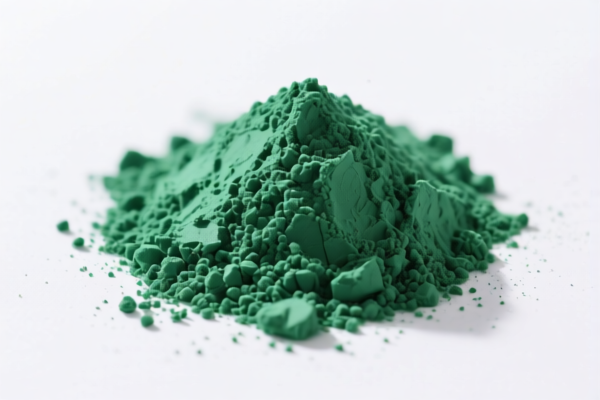
Product Images



AI Analysis
🍮 Instant Cassava Pudding Powder: HS Code Classification & Customs Clearance Guide (2026)
🌐 HS Code Reference & Customs Strategy | 2026 Tariff Breakdown | Professional Entry Advice
📌 I. Product Definition & Classification: Is it a Cereal Product or a Tuber?
Instant Cassava Pudding Powder is a food preparation derived from cassava (manioc), often processed with other ingredients to create a ready-to-eat or easy-to-prepare pudding. In international trade, its classification hinges on two critical factors: 1. Primary Ingredient: Is it primarily Cassava (a tuber) or a Cereal/Flour blend? 2. Processing State: Is it "otherwise prepared/preserved" (Chapter 20) or a "food preparation" (Chapter 19)?
⚠️ Key Distinction:
- If the product is primarily Cassava and is "otherwise prepared" (e.g., cooked, mixed with sugar/water, dried into powder for pudding), it typically falls under Chapter 20 (Vegetables, Fruit, Nuts).
- If the product is a Cereal-based mix (even if it contains some cassava starch), it falls under Chapter 19 (Preparations of Cereals, Flour, Starch, or Malt Extract).
- Crucial Note: Many "Cassava Pudding Powders" are actually blends. The HS Code in the data provided (2008.99.65.00) specifically identifies Cassava. However, if the product is a complex mix with significant cereal content, it might trigger2008.97.90.92. We will analyze both based on the provided data.
📦 II. HS Code Classification Details (Based on Provided Data)
| HS Code | Product Description | Application Scenario | Primary Ingredient |
|---|---|---|---|
2008.99.65.00 |
Fruit, nuts, and other edible parts of plants, otherwise prepared...: Other: Cassava (manioc) | Pure cassava pudding powder, or cassava-based mixes where cassava is the dominant identifiable component. | ✅ Cassava |
1901.90.25.00 |
Malt extract; food preparations...: Other: Puddings ready for immediate consumption without further preparation | Note: This code is for ready-to-eat puddings. If your powder requires boiling/adding water, it may not fit here unless it's a "just add water" instant mix. However, the provided data links this to general pudding preparations. | ⚠️ Mixed/Cereal/Malt |
1901.90.91.85 |
Other: Wheat-flour-soya blends | Not applicable for pure cassava. Used only if the "pudding" is actually a wheat/soy blend disguised as pudding. | ❌ Wheat/Soya |
2008.97.90.92 |
Fruit, nuts...: Mixtures: Other: Prepared cereal products | If the cassava powder is mixed with significant amounts of cereal flours (wheat, corn, etc.) and classified as a "mixture," this code may apply. | ✅ Cassava + Cereal Mix |
🔍 Critical Analysis for "Instant Cassava Pudding Powder":
- If the product is 100% Cassava Starch processed into pudding mix:2008.99.65.00is the most accurate fit for "Cassava" preparations.
- If the product is a Mix (Cassava + Sugar + Flavorings + maybe some Thickeners): It still likely falls under2008.99.65.00if Cassava is the key component.
- Warning: If the "powder" contains substantial Wheat Flour or Corn Starch and is marketed as a "Cereal Product Mixture," customs may reclassify it under2008.97.90.92due to the "Prepared Cereal Products" descriptor in mixtures.
💰 III. 2026 Tariff Rate Breakdown (Including Duties)
✅ Applicable Country: China (Import) / US (Export Context)
✅ Origin: Likely China (CN)
✅ Effective Time: 2026
🎯 1. 2008.99.65.00 —— Cassava (Manioc) Preparations
| Item | Content |
|---|---|
| Base Tariff | 7.9% |
| Additional Duty | 7.5% |
| Total Tariff Rate | 15.4% |
| Tax Calculation | CIF Value × 15.4% |
| Legal Basis | Standard tariff + Added tariff on specific goods |
📌 Explanation:
- This is the primary code for Cassava-based products.
- The 15.4% total rate is moderate but significant for low-margin food products.
- No "De Minimis" exemption applies for commercial shipments.
🎯 2. 1901.90.25.00 —— Puddings Ready for Immediate Consumption
| Item | Content |
|---|---|
| Base Tariff | 0.0% |
| Additional Duty | 7.5% |
| Total Tariff Rate | 7.5% |
| Tax Calculation | CIF Value × 7.5% |
📌 Explanation:
- If your product can be classified as a "Pudding Ready for Immediate Consumption" (e.g., just add hot water, no cooking), the base tax is 0%, but the 7.5% additional duty still applies.
- Lower Total Rate (7.5%) compared to Cassava (15.4%).
- Risk: Customs may challenge this if the product requires significant preparation (boiling), pushing it back to Chapter 20.
🎯 3. 2008.97.90.92 —— Prepared Cereal Products (Mixtures)
| Item | Content |
|---|---|
| Base Tariff | 14.9% |
| Additional Duty | 25.0% |
| Total Tariff Rate | 39.9% |
| Tax Calculation | CIF Value × 39.9% |
📌 Explanation:
- This is the Worst-Case Scenario.
- If customs determines your "Cassava Pudding Powder" is actually a Cereal Mixture (e.g., contains wheat/corn flour as a filler or thickener), it falls here.
- 39.9% is extremely high. Avoid this classification if possible.
🛠️ IV. Customs Clearance Practical Advice
✅ 1. Documentation Checklist (Essential)
| Document | Required? | Notes |
|---|---|---|
| ✅ Ingredient List | ✔️ | Must show % composition. Crucial to prove Cassava is the main ingredient. |
| ✅ Processing Description | ✔️ | "Instant Cassava Pudding Powder: Dehydrated Cassava Starch, Sugar, Flavoring." |
| ✅ Product Photo | ✔️ | Show packaging, net weight, and ingredients panel. |
| ✅ Certificate of Origin | ✔️ | To verify origin and apply correct tariff. |
| ✅ FNSC/FDA Registration | ✔️ | If importing into the US, ensure FDA registration is up to date. |
✅ 2. Declaration Tips (Key Strategies)
🔥 Rule of Thumb:
"Cassava First, Cereal Last, Ingredients Declare, Tariff Lower!"
| Scenario | Recommended HS Code | Avoid |
|---|---|---|
| Pure Cassava Powder / Mix | 2008.99.65.00 (15.4%) |
2008.97.90.92 (39.9%) |
| "Instant" Mix (Add Water Only) | 1901.90.25.00 (7.5%) |
2008.99.65.00 (if misdeclared) |
| Mix with Wheat/Corn Flour | 2008.97.90.92 (39.9%) |
Try to reformulate to reduce cereal content |
💡 Strategic Advice:
- If your product is < 5% cereal by weight, emphasize Cassava as the primary ingredient to qualify for2008.99.65.00.
- If your product is just add water (no cooking), argue for1901.90.25.00to benefit from the 0% base tax. However, be prepared to prove it is "ready for immediate consumption" (i.e., no heat required for safety, only rehydration).
✅ 3. Special Cases & Risks
| Situation | Handling Advice |
|---|---|
| High Cereal Content | If >40% cereal, you may be forced into Chapter 19 or 2008.97.90.92. Reformulate or accept 39.9%. |
| "Pudding" vs. "Mix" | If the product is a dry mix, 1901.90.25.00 is risky. Customs may say it's not "ready for immediate consumption." Stick to 2008.99.65.00 if in doubt. |
| Origin Dispute | Ensure the Certificate of Origin matches the HS Code. Cassava from non-China sources may have different duties. |
🌍 V. Global Market Comparison (2026)
| Country | Recommended HS Code | Total Duty | Notes |
|---|---|---|---|
| 🇨🇳 China (Import) | 2008.99.65.00 |
15.4% | Standard for Cassava. |
| 🇺🇸 US (Export from CN) | 2008.99.65.00 |
15.4% | Note: US may have additional Section 301 tariffs. |
| 🇪🇺 EU | 2008.99.65.00 |
~14.7% | Check EU Tariff Line for Cassava. |
📌 Conclusion:
-2008.99.65.00(15.4%) is the safest and most common code for Cassava-based pudding powders.
- Avoid2008.97.90.92(39.9%) by ensuring cereal content is minimal or not the primary ingredient.
- Consider1901.90.25.00(7.5%) only if the product is truly "instant" (no cooking) and you can defend the classification.
📌 VI. Common Mistakes & Pitfalls (Learn from Errors)
❌ Mistake 1: Declaring Cassava Powder as "Cereal Mix"
👉 Result: Tariff jumps from 15.4% to 39.9%.
👉 Fix: Provide ingredient proof showing Cassava > Cereal.
❌ Mistake 2: Calling it "Ready-to-Eat" when it Needs Boiling
👉 Result: Customs rejects 1901.90.25.00, forces 2008.99.65.00 or 1901.90.91.85.
👉 Fix: Use accurate description: "Instant Cassava Pudding Mix – Add Hot Water."
❌ Mistake 3: Ignoring Added Tariffs
👉 Result: Underpaying duties.
👉 Fix: Always calculate Base + Additional tax. For Cassava, it’s 7.9% + 7.5% = 15.4%.
🎯 VII. Conclusion: Optimizing Your Clearance
🎯 Final Recommendation:
🔹 Use
2008.99.65.00for standard Cassava Pudding Powder.
🔹 Total Duty: 15.4% (7.9% Base + 7.5% Additional).
🔹 Ensure Ingredient Labeling clearly states Cassava as the primary component.
🔹 Avoid Cereal Blends unless you are prepared for 39.9% duty.
📌 Pro Tip:
If your product contains < 5% cereal, you can confidently declare under
2008.99.65.00.
If it contains > 40% cereal, consider reformulating to reduce cereal content to stay under the 15.4% bracket.
📣 Next Steps:
📞 Consult a customs broker for Pre-Ruling on your specific formulation.
📄 Prepare a detailed Ingredient Sheet and Product Spec before shipping.
🚀 Clear Customs Smoothly, Save Costs, and Maximize Profit!
✨ Accurate Classification Saves Money!
💼 Don’t Let a 24% Tariff Difference Kill Your Margin!
Customer Reviews
About HS Code Classification
The Harmonized System (HS) is an internationally standardized nomenclature developed by the World Customs Organization (WCO) to classify traded products. Over 200 countries use the HS system as the basis for customs tariffs, trade statistics, and import/export regulations.
Each HS code follows a hierarchical structure:
- Chapter (2 digits) — Broad category of goods (e.g., Chapter 84: Machinery and Mechanical Appliances)
- Heading (4 digits) — More specific grouping within the chapter
- Subheading (6 digits) — Internationally standardized breakdown, used by all WCO member countries
- National subdivisions (8-10 digits) — Country-specific extensions for further classification, such as US HTSUS 10-digit codes
Correct HS code classification is essential for smooth customs clearance, accurate duty payment, and compliance with trade regulations. Misclassification can lead to customs delays, overpayment of duties, or penalties.
When importing from CN to US, the applicable tariff rates may include:
- Most-Favored-Nation (MFN) rate — The standard duty rate applied to WTO members
- General rate — Applied to countries without trade agreements
- Trade remedy duties — Additional tariffs such as Section 301 (anti-dumping), Section 232 (national security), or countervailing duties
The information provided on this page is for reference purposes only. For official classification, please consult with your local customs authority or a licensed customs broker.