Instant Coffee Granules
CN → US| HS Code | Tariff Rate | Origin | Destination | Doc |
|---|---|---|---|---|
| 2101112126 | 17.5% | CN | US | Official Doc |
| 2106909973 | 16.4% | CN | US | Official Doc |
| 2106909998 | 16.4% | CN | US | Official Doc |
| 2101112126 | 17.5% | CN | US | Official Doc |
| 2101112129 | 17.5% | CN | US | Official Doc |
Product Images
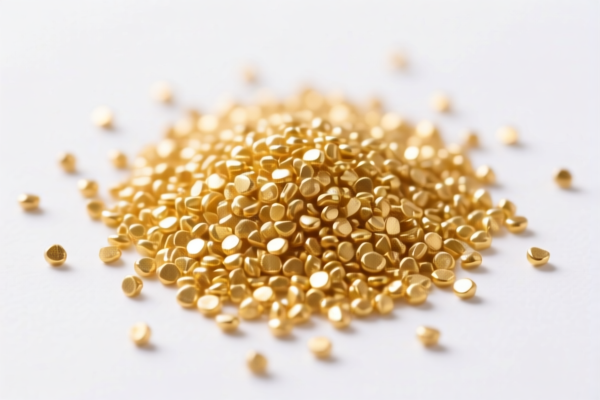
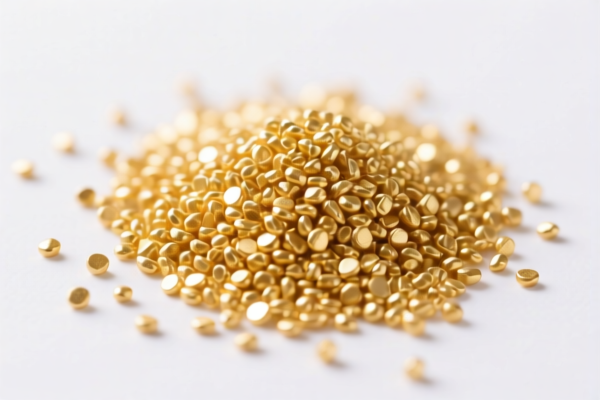
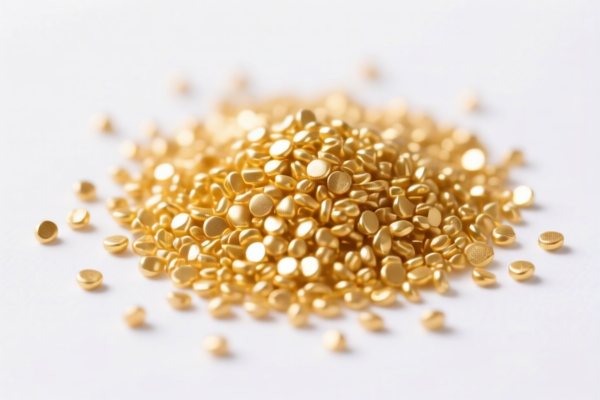
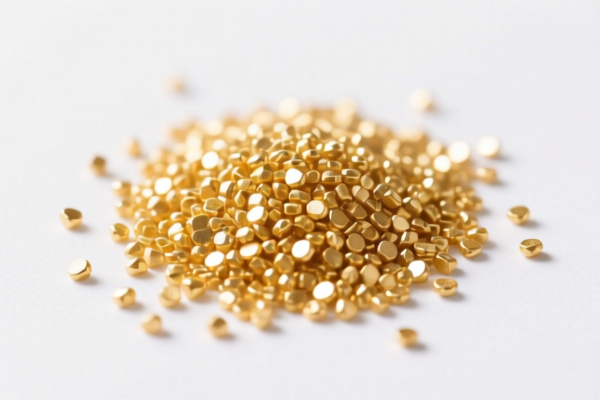
AI Analysis
☕ Instant Coffee Granules (Instant Coffee Extracts & Preparations)
🌐 HS Code Reference & Customs Clearance Guide | 2026 Latest Tariff Analysis | Professional Clearance Strategy
📌 I. Product Definition & Classification: Do You Really Understand "Instant Coffee"?
Instant coffee granules are dehydrated coffee extracts or preparations, typically produced through spray-drying or freeze-drying processes. In international trade, classification depends heavily on the composition, state, and processing method. Two main categories exist:
Coffee Extracts/Concentrates (Chapter 21.01): Pure coffee extracts, essences, or concentrates. These are considered primary coffee products. Key traits: Non-flavored, non-decaffeinated, particle form.
Food Preparations (Chapter 21.06): Complex food preparations containing coffee extracts, potentially mixed with other ingredients (but not high-intensity sweeteners or specific sugars). Key traits: Granular form, coffee-based preparations.
⚠️ Critical Distinction:
- If the product is pure coffee extract/concentrate (no added flavors, not decaf) →归入 2101.11.21.26 / 2101.11.21.29
- If the product is a food preparation (coffee extract + other non-excluded ingredients) →归入 2106.90.99.73 / 2106.90.99.98
📦 II. HS Code Classification Details (2026 Latest Tariff Authoritative Comparison)
| HS Code | Product Description | Application Scenario | Tax Rate (Total) | Tax Details |
|---|---|---|---|---|
2101.11.21.26 |
Instant coffee granules, classified as coffee extracts; particle form; non-flavored, non-decaffeinated. | Pure coffee extracts, essence, or concentrate forms. | 17.5% | Base: 0%, Section 301: 7.5%, Section 122: 10% |
2106.90.99.73 |
Instant coffee granules, classified as food preparations; material: coffee; no high-intensity sweeteners or specific sugars. | Coffee-based food preparations, complex mixes. | 16.4% | Base: 6.4%, Section 301: 0%, Section 122: 10% |
2106.90.99.98 |
Instant coffee granules, classified as food preparations; material: coffee extract; particle form; not excluded. | General coffee extract preparations, non-excluded granular forms. | 16.4% | Base: 6.4%, Section 301: 0%, Section 122: 10% |
2101.11.21.26 |
Coffee granules, meeting extract/concentrate category; particle form; non-flavored, non-decaffeinated. | Matches pure extract criteria. | 17.5% | Base: 0%, Section 301: 7.5%, Section 122: 10% |
2101.11.21.29 |
Coffee granules, meeting coffee extract/essence/concentrate attributes; particle form; non-flavored, non-decaffeinated. | Alternative subheading for pure extracts. | 17.5% | Base: 0%, Section 301: 7.5%, Section 122: 10% |
🔍 Key Reminder:
- All "pure coffee extracts" (non-flavored, non-decaf) are classified under 2101.11.21.26/29 with a 17.5% total tax rate.
- "Food preparations" containing coffee extracts fall under 2106.90.99.73/98 with a 16.4% total tax rate.
- Section 301 Tariff (7.5%) only applies to the 2101 category, making it slightly more expensive than 2106 (0% Section 301).
💰 III. 2026 Latest Tariff Rate Breakdown (Including Surtaxes & Policy Add-ons)
✅ Applicable Country: United States (US)
✅ Origin: China (CN)
✅ Effective Date: From November 10, 2025 (including subsequent imports)
🎯 1. 2101.11.21.26 & 2101.11.21.29 —— Coffee Extracts/Concentrates
| Item | Content |
|---|---|
| Base Tariff | 0% (ad valorem) |
| Section 301 Surtax | +7.5% (Applied to Chinese-origin coffee extracts) |
| Section 122 Tariff | +10% (Targeted tariff for specific Chinese goods) |
| Total Rate | 17.5% |
| Tax Calculation | CIF Value × 17.5% |
| De Minimis Exemption | ❌ Not Applicable |
| Legal Basis Path | Section 122:10% → Section 301:7.5% → USITC:2101.11.21.26/29 |
📌 Explanation:
- The 17.5% total rate is composed of: 0% Base + 7.5% Section 301 + 10% Section 122.
- Section 301 applies because these are classified as "coffee extracts," a targeted category.
- Section 122 adds a flat 10% on top, significantly increasing the cost for Chinese-origin products.
🎯 2. 2106.90.99.73 & 2106.90.99.98 —— Food Preparations (Coffee-based)
| Item | Content |
|---|---|
| Base Tariff | 6.4% (ad valorem) |
| Section 301 Surtax | 0% (Not applicable to this subheading) |
| Section 122 Tariff | +10% |
| Total Rate | 16.4% |
| Tax Calculation | CIF Value × 16.4% |
| De Minimis Exemption | ❌ Not Applicable |
| Legal Basis Path | Section 122:10% → USITC:2106.90.99.73/98 |
📌 Note:
- The 16.4% total rate is composed of: 6.4% Base + 0% Section 301 + 10% Section 122.
- No Section 301 applies here, making it 1.1% cheaper than the coffee extract category.
- Suitable for complex coffee preparations that don't qualify as pure extracts.
🛠️ IV. Customs Clearance Practical Advice (Field Avoidance Guide)
✅ 1. Required Document Checklist (None Can Be Omitted)
| Document | Must Provide | Description |
|---|---|---|
| ✅ Product Specification Sheet | ✔️ | Includes ingredients, processing method, form (granular), flavor status |
| ✅ Certificate of Analysis (COA) | ✔️ | Proves purity, moisture content, and absence of decaffeination/flavors |
| ✅ Product Photos (Label & Packaging) | ✔️ | Clearly shows product name, ingredients, and net weight |
| ✅ Commercial Invoice | ✔️ | Must specify "Instant Coffee Granules" and HS Code |
| ✅ Packing List | ✔️ | Details container loading, gross/net weight |
| ✅ Origin Certificate (CO) | ✔️ | If non-Chinese origin, may qualify for preferential rates |
✅ 2. Declaration Tips (Key Mantra)
🔥 "Pure Extract? 2101! Complex Prep? 2106! Accurate Description, Lower Tax!"
| Situation | Correct Declaration | Wrong Practice |
|---|---|---|
| Pure coffee extract (no flavor, no decaf) | 2101.11.21.26 or 2101.11.21.29 |
Misdeclare as "Food Prep" → Lower base but higher scrutiny |
| Coffee mix with other ingredients | 2106.90.99.73 or 2106.90.99.98 |
Misdeclare as "Extract" → Higher Section 301 tax |
| Decaffeinated coffee | Not covered in this data | Must verify separate HS code |
| Flavored coffee granules | Not covered in this data | Must verify separate HS code |
✅ 3. Special Case Handling
| Situation | Handling Advice |
|---|---|
| OEM Custom Instant Coffee | Provide customer order + formula sheet to prove "non-flavored" status |
| Blended Coffee (e.g., with chicory) | Likely falls under 2106 (Food Preparation), avoid 2101 |
| Freeze-Dried vs. Spray-Dried | Both can be 2101 if pure extract; process type doesn't change HS Code |
| Sample Shipments | Even samples are subject to 17.5%/16.4% tax; no de minimis exemption |
🌍 V. Global Main Markets Customs Comparison (2026 Latest)
| Country/Region | Recommended HS Code | Tariff | Certification Requirements | Notes |
|---|---|---|---|---|
| 🇺🇸 United States | 2101.11.21.26 / 2106.90.99.73 |
17.5% / 16.4% | FDA Registration + FSMA Compliance | Highest combined tariff due to Section 301 & 122 |
| 🇨🇳 China | 2101.11.21 / 2106.90.99 |
~10-15% | CCC (if applicable) + GACC Registration | No Section 301/122; lower overall cost |
| 🇪🇺 European Union | 2101.11 / 2106.90 |
~9-12% | EFSA Compliance + Organic Cert (if claimed) | No Section 301/122; stable rates |
| 🇦🇺 Australia | 2101.11 / 2106.90 |
~5% | Food Standards Code Compliance | Low tariff; easy clearance |
| 🇯🇵 Japan | 2101.11 / 2106.90 |
~6-8% | JFC Standard Compliance | Moderate tariff; high quality standards |
📌 Conclusion:
- The US has the highest clearance costs due to Section 301 and Section 122 tariffs.
- China, EU, Australia, and Japan have significantly lower tariffs for Chinese-origin instant coffee.
- Section 301 (7.5%) is the main differentiator between 2101 and 2106 categories in the US.
📌 VI. Common Errors & Pitfalls (Lessons from Painful Experiences)
❌ Error 1: Declaring "Flavored Coffee" as "Non-Flavored Extract"
👉 Consequence: Customs reclassification → Additional duties + penalties + delay
❌ Error 2: Using "Coffee Powder" instead of "Granules" or "Extract"
👉 Consequence: Ambiguity → Customs inspection delay + possible return
❌ Error 3: Ignoring Section 122 Tariff (10%)
👉 Consequence: Underpayment → Back taxes + interest + fines
❌ Error 4: Assuming "Food Preparation" means no Section 301
👉 Consequence: Confusion → Verify exact subheading to ensure 0% Section 301
✅ Correct Practice:
"Instant Coffee Granules, Pure Coffee Extract, Non-Flavored, Non-Decaffeinated, Freeze-Dried, Model XYZ, FDA Registered Facility"
🎯 VII. Conclusion: Professional Declaration, Save Time, Reduce Costs!
🎯 Remember the Mantra:
🔹 "Pure Extract? 2101 (17.5%)! Complex Prep? 2106 (16.4%)! Section 301 is Key!"
🔹 "HS Code Decides Fate, 1.1% Difference Matters, Declaration Step Determines Cost!"
📌 Pro Tip:
If your instant coffee is originally from Vietnam, Colombia, or Brazil, you may qualify for preferential tariff rates (e.g., zero Section 301 in some cases).
Recommend applying for a Pre-Ruling (Advance Ruling) before shipment to avoid clearance risks.
📣 Take Action Now:
📞 Contact Professional Customs Broker + Provide Product Specs + Apply for HS Code Pre-Ruling
🚀 Ensure Your Instant Coffee, Smooth Clearance, Efficient Export, Profit Maximization!
✨ Professional Customs Clearance Starts with Accurate Classification!
💼 Every Cent of Your Cost Deserves Precise Calculation!
Customer Reviews
About HS Code Classification
The Harmonized System (HS) is an internationally standardized nomenclature developed by the World Customs Organization (WCO) to classify traded products. Over 200 countries use the HS system as the basis for customs tariffs, trade statistics, and import/export regulations.
Each HS code follows a hierarchical structure:
- Chapter (2 digits) — Broad category of goods (e.g., Chapter 84: Machinery and Mechanical Appliances)
- Heading (4 digits) — More specific grouping within the chapter
- Subheading (6 digits) — Internationally standardized breakdown, used by all WCO member countries
- National subdivisions (8-10 digits) — Country-specific extensions for further classification, such as US HTSUS 10-digit codes
Correct HS code classification is essential for smooth customs clearance, accurate duty payment, and compliance with trade regulations. Misclassification can lead to customs delays, overpayment of duties, or penalties.
When importing from CN to US, the applicable tariff rates may include:
- Most-Favored-Nation (MFN) rate — The standard duty rate applied to WTO members
- General rate — Applied to countries without trade agreements
- Trade remedy duties — Additional tariffs such as Section 301 (anti-dumping), Section 232 (national security), or countervailing duties
The information provided on this page is for reference purposes only. For official classification, please consult with your local customs authority or a licensed customs broker.