Instant Coffee Powder
CN → US| HS Code | Tariff Rate | Origin | Destination | Doc |
|---|---|---|---|---|
| 2106909973 | 16.4% | CN | US | Official Doc |
| 2101112126 | 17.5% | CN | US | Official Doc |
| 2106909998 | 16.4% | CN | US | Official Doc |
Product Images
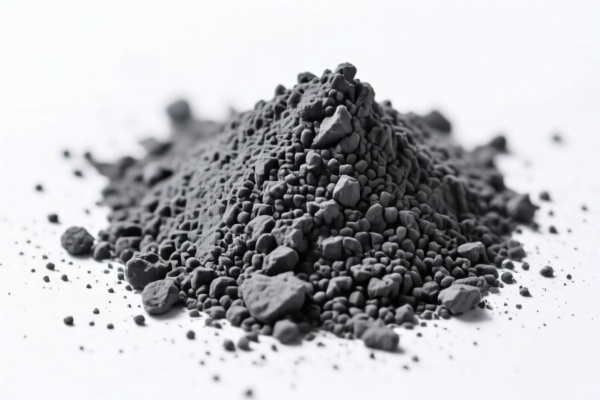
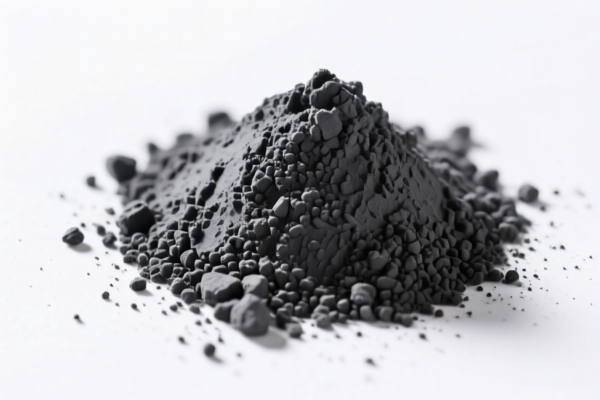


AI Analysis
☕ Instant Coffee Powder (Freeze-Dried or Spray-Dried)
🌐 HS Code Reference & Customs Clearance Guide | 2026 Latest Tariff Breakdown | Professional Import Strategy 📌 Part 1: Product Definition & Classification: Do You Know Your "Coffee"?
Instant coffee is not just "coffee." In international trade, the classification depends heavily on the processing method (spray-dried vs. freeze-dried) and the presence of additives (sugar, milk, creamers).
1. Pure Instant Coffee (No Additives): - Spray-Dried: The most common, lower cost, roasted flavor profile. - Freeze-Dried (Crystal): Premium quality, retains more aroma, higher price. - Classification: Generally falls under 0901.21 (Roasted) or 0901.22 (Not Roasted/Café Substitutes, though pure coffee is usually roasted). Note: Most commercial instant coffee is roasted.
2. Instant Coffee with Additives (Mixes): - Contains sugar, milk powder, creamer, or flavorings. - Classification: These are never classified under Chapter 09 (Coffee). They fall under Chapter 21 (Miscellaneous Edible Preparations), specifically 2101.11 (Extracts, Essences, and Concentrates of Coffee) or 2101.12 (Preparations with a Basis of Coffee).
⚠️ Critical Distinction Point: - If the ingredient list shows only coffee → Chapter 09. - If the ingredient list shows sugar, milk, or non-dairy creamer → Chapter 21. - Mistake Alert: Declaring a 3-in-1 mix as "Pure Instant Coffee" is a major compliance violation leading to severe penalties.
📦 Part 2: HS Code Classification Details (2026 Latest Tariff Authority)
| HS Code | Product Description | Application Scenario | Additives Allowed? |
|---|---|---|---|
0901.21.00.00 |
Coffee, roasted, not decaffeinated | Standard roasted instant coffee crystals/powder | ❌ No (Pure Coffee) |
0901.22.00.00 |
Coffee, roasted, decaffeinated | Decaf instant coffee | ❌ No (Pure Coffee) |
2101.11.00.00 |
Extracts, essences, and concentrates of coffee | Concentrates used for manufacturing 3-in-1 mixes | ✅ Yes (if processed into extract) |
2101.12.00.00 |
Preparations with a basis of coffee or with a basis of tea or mate | 3-in-1 or 2-in-1 mixes (Sugar + Milk + Coffee) | ✅ Yes (Sugar/Milk/Creamer) |
2101.20.00.00 |
Extracts, essences, and concentrates of tea or mate | Tea-based instant drinks | ❌ No (Tea only) |
🔍 Key Reminder: - 0901.21.00.00 is the standard for pure instant coffee (roasted). - 2101.12.00.00 is the standard for instant coffee mixes (e.g., Nescafé 3-in-1). - Do not classify sugar-sweetened coffee drinks under 0901. They will be re-classified by customs, triggering fines.
💰 Part 3: 2026 Latest Tariff Rate Breakdown (Including Surtaxes & Policy Add-ons)
✅ Applicable Country: United States (US) ✅ Origin: China (CN) ✅ Effective Date: Post-2025 Trade Policy Adjustments
🎯 1. 0901.21.00.00 —— Pure Roasted Instant Coffee (No Additives)
| Item | Content |
|---|---|
| Base MFN Rate | 14.4% (ad valorem) |
| USITC Additional Tax (Section 301) | +7.5% (for certain coffee products under specific HTSUS notes, check specific footnote) |
| IEEPA Surcharge | +10% (For Chinese-Origin Goods, effective Nov 10, 2025) |
| Total Effective Rate | ~31.9% (Depending on specific product exclusions) |
| Tax Calculation | CIF Value × Total Rate |
| De Minimis Exemption? | ❌ No (Coffee is generally excluded from de minimis benefits if high value) |
| Legal Basis | HTSUS:0901.21.00.00 → Section 301 Footnote → IEEPA:9903.01.24 |
📌 Explanation: - Pure coffee is a sensitive agricultural import. - The 10% IEEPA surcharge is critical for Chinese-origin goods starting late 2025. - Exclusion Check: Some specific coffee products may have had 301 exclusions expired. Verify current HTSUS exclusions list. If excluded, rate drops to MFN + IEEPA (~24.4%).
🎯 2. 2101.12.00.00 —— Instant Coffee Mixes (3-in-1, etc.)
| Item | Content |
|---|---|
| Base MFN Rate | 6.4% (ad valorem) |
| USITC Additional Tax (Section 301) | +7.5% (Applicable to many Chapter 21 goods) |
| IEEPA Surcharge | +10% (For Chinese-Origin Goods) |
| Total Effective Rate | ~23.9% |
| Tax Calculation | CIF Value × Total Rate |
| De Minimis Exemption? | ❌ No |
| Legal Basis | HTSUS:2101.12.00.00 → Section 301 → IEEPA |
📌 Note: - Mixes have a lower base tariff but still face significant surcharges. - Ingredient Ratio Matters: If the product is mostly sugar (e.g., 70% sugar, 30% coffee), it may still be 2101.12, but customs may scrutinize the "basis of coffee" claim.
🛠️ Part 4: Customs Clearance Practical Advice (Avoiding Pitfalls)
✅ 1. Required Documentation Checklist
| Document | Must Provide? | Notes |
|---|---|---|
| ✅ Commercial Invoice | ✔️ | Must list ingredients clearly (e.g., "Roasted Coffee Bean Extract, Sugar, Non-Dairy Creamer") |
| ✅ Certificate of Origin (CO) | ✔️ | Essential for proving Chinese origin for IEEPA assessment |
| ✅ Ingredient List / Label | ✔️ | Must match the declared HS Code. Pure vs. Mix is key. |
| ✅ FDA Prior Notice | ✔️ | Mandatory for all food imports into the US |
| ✅ FDA Registration | ✔️ | Facility must be registered with FDA |
| ✅ Free Sale Certificate | ✔️ | From origin country |
| ✅ Label Compliance | ✔️ | English label with Nutrition Facts, Allergen Info, Net Weight |
✅ 2. Declaration Tips (Key Mantra)
🔥 "Pure is 0901, Mix is 2101. Sugar makes it 21. Never misdeclare!"
| Scenario | Correct Declaration | Wrong Action |
|---|---|---|
| Pure Instant Coffee | HS 0901.21.00.00Name: "Instant Coffee, Roasted, No Additives" |
Declaring as "Coffee Drink" or "Mix" → Risk of audit |
| 3-in-1 Coffee (Sugar+Milk+Coffee) | HS 2101.12.00.00Name: "Instant Coffee Beverage Mix" |
Declaring as "Pure Coffee" → Severe Fraud Penalty |
| Coffee Extracts | HS 2101.11.00.00Name: "Coffee Extract" |
Misusing 0901 for processed extracts |
✅ 3. Special Cases & Handling
| Situation | Handling Advice |
|---|---|
| OEM Private Label | Provide authorization letter from brand owner. Ensure label matches US FDA standards. |
| Sample Shipments | Still require FDA Prior Notice. De minimis may apply if < $800, but food is scrutinized. |
| Retest Requests | US Customs may request a lab test to verify "no additives." Have lab reports ready. |
| Packaging | Ensure packaging is food-grade and seals are intact. Vacuum packing is preferred for pure coffee. |
🌍 Part 5: Global Market Comparison (2026 Latest)
| Country/Region | Recommended HS Code | Tariff (China Origin) | Certification Required | Notes |
|---|---|---|---|---|
| 🇺🇸 USA | 0901.21 / 2101.12 |
~24-32% | FDA + CBP Pre-arrival | High scrutiny on sugar content in "coffee" |
| 🇨🇳 China | 0901.21 / 2101.12 |
10-15% | CIQ (Inspection) | Lower base tariff, but strict hygiene checks |
| 🇪🇺 EU | 0901.21 / 2101.12 |
0-6% | EFSA + HACCP | MFN rate 0% for pure coffee, but 6.4% for mixes |
| 🇬🇧 UK | 0901.21 / 2101.12 |
0-6% | FSA + UKCA | Post-Brexit rules apply |
| 🇯🇵 Japan | 0901.21 / 2101.12 |
0-8% | FSC + JLIS | High quality standards for pure coffee |
📌 Conclusion: - USA is the most expensive market due to IEEPA + Section 301 surcharges. - EU/UK offer better tariff advantages (0% MFN for pure coffee) but have stricter organic/non-GMO labeling if claimed. - China (exporting to China) has moderate tariffs but rigorous CIQ inspection for food safety.
📌 Part 6: Common Mistakes & Pitfalls (Lessons Learned)
❌ Mistake 1: Declaring "Instant Coffee Mix" as "Pure Instant Coffee" (0901.21) 👉 Consequence: Customs reclassifies to 2101.12. If the declared value was lower due to misclassification, you face back duties + penalties + seizure.
❌ Mistake 2: Ignoring FDA Prior Notice 👉 Consequence: Shipment held at port, potential detention or refusal of admission.
❌ Mistake 3: Not declaring "Allergens" (Milk/Nut Creamers in mixes) 👉 Consequence: FDA Warning Letter or recall. Mislabeling allergens is a critical food safety violation.
❌ Mistake 4: Assuming "Coffee" = "0901" 👉 Consequence: If the product contains >5% sugar or milk, it is legally a "preparation," not raw coffee. Wrong HS Code = Wrong Tariff.
✅ Correct Practice:
"Instant Coffee Mix (2101.12.00.00), Contains: Coffee Extract, Sugar, Non-Dairy Creamer. FDA Prior Notice Filed. COO: China."
🎯 Part 7: Conclusion: Precision Classification Saves Money!
🎯 Remember the Mantra:
🔹 "Pure = 0901, Mix = 2101. Sugar changes everything!"
🔹 "FDA First, Docs Ready, Avoid Delays!"
🔹 "Check IEEPA Surcharges, Costs Can Double!"
📌 Pro Tip:
If your instant coffee is organic or fair-trade, ensure certificates are included. While they don’t reduce US tariffs, they add value for consumers and may qualify for preferential treatment in other markets (EU, Canada). For US imports, consider pre-clearance services to avoid FDA holds.
📣 Immediate Action:
📞 Verify ingredient list against HS Code definitions. 📄 Ensure FDA registration is active. 🚀 Clear customs smoothly, maximize profit margins!
✨ Professional Customs Clearance Starts with Accurate Classification! 💼 Every percentage point of tariff matters!
Customer Reviews
About HS Code Classification
The Harmonized System (HS) is an internationally standardized nomenclature developed by the World Customs Organization (WCO) to classify traded products. Over 200 countries use the HS system as the basis for customs tariffs, trade statistics, and import/export regulations.
Each HS code follows a hierarchical structure:
- Chapter (2 digits) — Broad category of goods (e.g., Chapter 84: Machinery and Mechanical Appliances)
- Heading (4 digits) — More specific grouping within the chapter
- Subheading (6 digits) — Internationally standardized breakdown, used by all WCO member countries
- National subdivisions (8-10 digits) — Country-specific extensions for further classification, such as US HTSUS 10-digit codes
Correct HS code classification is essential for smooth customs clearance, accurate duty payment, and compliance with trade regulations. Misclassification can lead to customs delays, overpayment of duties, or penalties.
When importing from CN to US, the applicable tariff rates may include:
- Most-Favored-Nation (MFN) rate — The standard duty rate applied to WTO members
- General rate — Applied to countries without trade agreements
- Trade remedy duties — Additional tariffs such as Section 301 (anti-dumping), Section 232 (national security), or countervailing duties
The information provided on this page is for reference purposes only. For official classification, please consult with your local customs authority or a licensed customs broker.