Insulated Electric Fittings
CN → US| HS Code | Tariff Rate | Origin | Destination | Doc |
|---|---|---|---|---|
| 3926904510 | 38.5% | CN | US | Official Doc |
| 3926305000 | 22.8% | CN | US | Official Doc |
| 8536904000 | 35.0% | CN | US | Official Doc |
| 8536908585 | 85.0% | CN | US | Official Doc |
| 8547900010 | 89.6% | CN | US | Official Doc |
| 8547200000 | 35.0% | CN | US | Official Doc |
Product Images
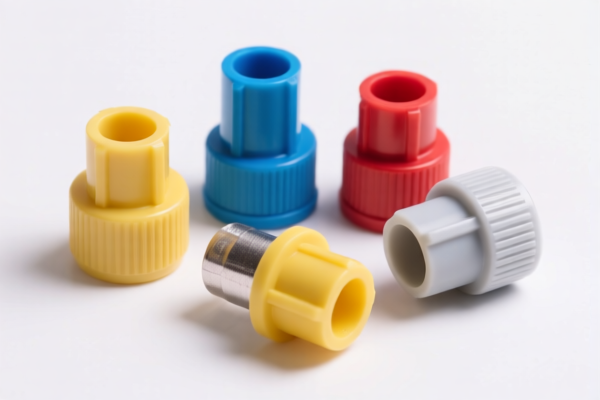
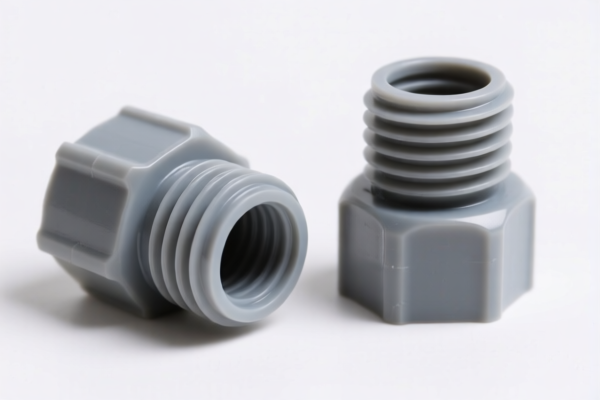
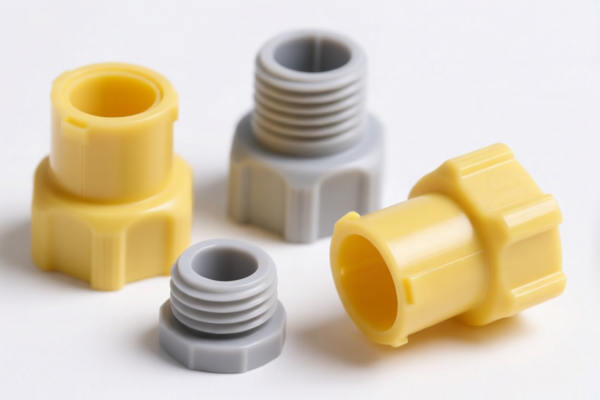
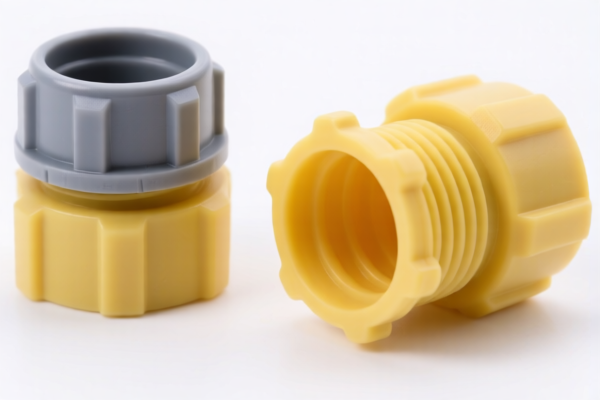
AI Analysis
🔌 Insulated Electric Fittings: The Ultimate Guide to HS Codes, Tariffs & Customs Clearance (2026 Update)
🌐 HS Code Reference & Customs Clearance Guide | Latest 2026 Tariff Analysis | Professional Clearance Strategy
📌 1. Product Definition & Classification: Do You Really Understand "Insulated Electric Fittings"?
Insulated Electric Fittings are critical components in electrical systems, used for connecting, protecting, or organizing wires and cables. They are wholly made of insulating material (like plastics, ceramics, or rubber), except for minor metal components (e.g., threaded inserts) added solely for assembly purposes during molding.
These fittings exclude: - Insulators of Heading 8546 (e.g., standalone high-voltage porcelain insulators). - Conduit tubing and joints of base metal lined with insulating material (these fall under Chapter 73 or 74, not 8547).
⚠️ Key Distinction:
- If the fitting is wholly insulating (plastic/ceramic), it belongs in HS Code 8547.
- If it is metal with an insulating lining, it belongs in Chapter 73/74, NOT 8547.
- If it is a standalone insulator (not a fitting), it belongs in HS Code 8546.
📦 2. HS Code Classification Details (2026 Latest Tariff Cross-Reference)
| HS Code | Product Description | Applicable Scenario | Insulating Material? |
|---|---|---|---|
| 8547.90.00.10 | Other insulating fittings (plastics, ceramics, etc.) | General-purpose insulated connectors, bushings, sleeves | ✅ Yes |
| 8547.20.00.00 | Insulating fittings of plastics | Plastic conduit connectors, plastic cable glands | ✅ Yes (Plastic) |
| 3926.90.45.10 | Gaskets, washers, seals, O-rings (plastics) | Insulating gaskets or seals used in electrical equipment | ✅ Yes (Seals) |
| 3926.30.50.00 | Fittings for furniture, coachwork, etc. (plastics) | Decorative or structural plastic fittings (NOT electrical) | ❌ No (Non-electrical) |
| 8536.90.40.00 | Electrical terminals, splices, couplings (≤1,000V) | Plastic terminal blocks, wire nuts, splices | ✅ Yes (Electrical Connectors) |
| 8536.90.85.85 | Other electrical apparatus (≤1,000V) | Miscellaneous electrical connectors, non-insulated parts | ⚠️ Mixed (Metal/Plastic) |
🔍 Critical Reminder:
- 8547 is for insulating fittings (e.g., bushings, sleeves).
- 8536 is for electrical apparatus for switching/protecting (e.g., terminal blocks, plugs).
- 3926 is for general plastic articles (e.g., gaskets, furniture fittings).
- Do NOT confuse "insulating fittings" with "insulators" (8546) or "metal-lined conduits" (73/74).
💰 3. 2026 Latest Tariff Rate Details (Including Surcharges & Policy Add-ons)
✅ Applicable Country: USA (US)
✅ Country of Origin: China (CN)
✅ Effective Date: From November 10, 2025 (and subsequent imports)
🎯 1. HS Code 8547.90.00.10 —— Other Insulating Fittings
| Item | Content |
|---|---|
| Base Tariff | 0% (ad valorem) |
| USITC Surcharge | +0% (Note: No Section 301 surcharge listed for this specific subheading in the data) |
| Steel/Aluminum/Copper Surcharge | +50% (If metal components are present and classified under this surcharge rule) |
| Total Tariff | 50.0% |
| Tax Calculation | CIF Value × 50% |
| De Minimis Eligibility | ❌ No (High tariff prevents de minimis) |
| Legal Basis Path | USITC:8547.90.00.10 → FOOTNOTE:Steel/Aluminum/Copper 50% |
📌 Explanation:
- Although the base tariff is 0%, the 50% surcharge on Steel/Aluminum/Copper products applies if the fitting contains metal components (e.g., threaded sockets) incorporated during molding.
- Total tax = 50%. This is a very high tariff and must be factored into cost calculations.
🎯 2. HS Code 8547.20.00.00 —— Insulating Fittings of Plastics
| Item | Content |
|---|---|
| Base Tariff | 0% |
| USITC Surcharge | +25% (Section 301) |
| Total Tariff | 25.0% |
| Tax Calculation | CIF Value × 25% |
| De Minimis Eligibility | ❌ No |
| Legal Basis Path | USITC:8547.20.00.00 → FOOTNOTE:301 25% |
📌 Note:
- Pure plastic insulating fittings (e.g., plastic bushings, sleeves) are subject to a 25% surcharge under Section 301.
- Total tax = 25%. Lower than the 50% for fittings with metal components.
🎯 3. HS Code 3926.90.45.10 —— Gaskets, Washers, Seals, O-Rings
| Item | Content |
|---|---|
| Base Tariff | 0% |
| USITC Surcharge | +0% |
| Total Tariff | 0.0% |
| Tax Calculation | CIF Value × 0% |
| De Minimis Eligibility | ✅ Yes (If under $800) |
| Legal Basis Path | USITC:3926.90.45.10 |
📌 Note:
- Plastic gaskets, washers, and O-rings used in electrical equipment may be classified here if they are not primarily "insulating fittings" but rather seals.
- Total tax = 0%. This is a zero-tariff category, making it highly attractive for cost optimization.
🎯 4. HS Code 8536.90.40.00 —— Terminals, Splices, Couplings
| Item | Content |
|---|---|
| Base Tariff | 0% |
| USITC Surcharge | +25% |
| Total Tariff | 25.0% |
| Tax Calculation | CIF Value × 25% |
| De Minimis Eligibility | ❌ No |
| Legal Basis Path | USITC:8536.90.40.00 → FOOTNOTE:301 25% |
📌 Note:
- Electrical terminal blocks, wire nuts, and splices fall under 8536.
- Total tax = 25%.
🎯 5. HS Code 8536.90.85.85 —— Other Electrical Apparatus
| Item | Content |
|---|---|
| Base Tariff | 0% |
| USITC Surcharge | +25% |
| Steel/Aluminum/Copper Surcharge | +50% |
| Total Tariff | 75.0% |
| Tax Calculation | CIF Value × 75% |
| De Minimis Eligibility | ❌ No |
| Legal Basis Path | USITC:8536.90.85.85 → FOOTNOTE:301 25% + Footnote:Steel/Aluminum/Copper 50% |
📌 Note:
- Miscellaneous electrical connectors or fittings that do not fit other specific categories fall here.
- Total tax = 75%. This is an extremely high tariff and should be avoided if possible.
🛠️ 4. Customs Clearance Practical Advice (Real-World Pitfall Avoidance Guide)
✅ 1. Documentation Checklist (Must-Haves)
| Document | Required | Notes |
|---|---|---|
| ✅ Product Specifications | ✔️ | Include material type (plastic, ceramic, etc.), voltage rating, application |
| ✅ Photos (with label) | ✔️ | Clear images showing no metal lining on conduit joints |
| ✅ Commercial Invoice | ✔️ | Must specify "Insulating Fittings" or "Terminal Blocks" accurately |
| ✅ Packing List | ✔️ | Clearly list quantities and HS Codes |
| ✅ Origin Certificate (CO) | ✔️ | If not Chinese origin, may qualify for lower tariffs |
✅ 2. Classification Tips (Key Mantras)
🔥 "Material Matters: Plastic is 25%, Metal-Add is 50%, Seal is 0%!"
| Scenario | Correct HS Code | Wrong Approach |
|---|---|---|
| Plastic bushings/sleeves | 8547.20.00.00 |
Misclassify as 8547.90.00.10 → 50% vs 25% |
| Fittings with metal threads | 8547.90.00.10 |
Misclassify as 8547.20.00.00 → 50% vs 25% |
| Plastic gaskets/O-rings | 3926.90.45.10 |
Misclassify as 8547.20.00.00 → 0% vs 25% |
| Terminal blocks/splices | 8536.90.40.00 |
Misclassify as 8547.90.00.10 → 25% vs 50% |
| Miscellaneous connectors | 8536.90.85.85 |
Misclassify as 8547.20.00.00 → 75% vs 25% |
✅ 3. Special Cases
| Case | Handling Advice |
|---|---|
| OEM Custom Fittings | Provide design drawings to prove material composition |
| Fittings with Metal Inserts | Must declare as 8547.90.00.10 → 50% tariff |
| Seals/Gaskets | If purely plastic seals, declare as 3926.90.45.10 → 0% tariff |
| Terminal Blocks | Declare as 8536.90.40.00 → 25% tariff |
🌍 5. Global Market Comparison (2026 Latest)
| Country/Region | Recommended HS Code | Tariff | Certification | Notes |
|---|---|---|---|---|
| 🇺🇸 USA | 8547.20.00.00 |
25% | UL, CSA | High tariffs for metal components |
| 🇨🇳 China | 8547.20.00.00 |
5% | CCC | No surcharges |
| 🇪🇺 EU | 8547.20.00.00 |
0% | CE | No surcharges |
| 🇬🇧 UK | 8547.20.00.00 |
0% | UKCA | No surcharges |
| 🇯🇵 Japan | 8547.20.00.00 |
0% | PSE | No surcharges |
📌 Conclusion:
- USA is the only major market with high surcharges (25%-75%) for Chinese-origin electrical fittings.
- Consider shifting production to Vietnam, Mexico, or other FTA partners to avoid surcharges.
📌 6. Common Mistakes & Pitfalls (Lessons Learned)
❌ Mistake 1: Classifying plastic gaskets as "insulating fittings"
👉 Consequence: 25% tariff instead of 0% → Overpayment!
❌ Mistake 2: Misclassifying metal-threaded fittings as pure plastic
👉 Consequence: 50% tariff instead of 25% → Double Tax!
❌ Mistake 3: Declaring terminal blocks as "insulating fittings"
👉 Consequence: 50% tariff instead of 25% → High Cost!
✅ Correct Approach:
"Plastic Insulating Bushing, 1000V, No Metal Components, Model XYZ" →
8547.20.00.00(25%)
"Plastic Gasket, Electrical Use, Model ABC" →3926.90.45.10(0%)
🎯 7. Conclusion: Professional Classification, Cost Savings, Efficiency!
🎯 Remember the Mantra:
🔹 "Plastic Bushings: 25%, Metal-Add: 50%, Seals: 0%, Terminals: 25%!"
🔹 "HS Code Determines Tax Rate, Classification Error Costs Thousands!"
📌 Pro Tip:
If your fittings are originated in Vietnam, Mexico, or Thailand, you may qualify for IEEPA exemptions, reducing tariffs to 0%-5%.
Recommend pre-ruling (Advance Ruling) application to avoid clearance risks.
📣 Immediate Action:
📞 Contact professional customs brokers + Provide product photos + Apply for HS Code pre-ruling
🚀 Ensure your insulated electric fittings clear customs smoothly, efficiently, and profitably!
✨ Professional clearance starts with accurate classification!
💼 Every cent of cost deserves precise calculation!
Customer Reviews
About HS Code Classification
The Harmonized System (HS) is an internationally standardized nomenclature developed by the World Customs Organization (WCO) to classify traded products. Over 200 countries use the HS system as the basis for customs tariffs, trade statistics, and import/export regulations.
Each HS code follows a hierarchical structure:
- Chapter (2 digits) — Broad category of goods (e.g., Chapter 84: Machinery and Mechanical Appliances)
- Heading (4 digits) — More specific grouping within the chapter
- Subheading (6 digits) — Internationally standardized breakdown, used by all WCO member countries
- National subdivisions (8-10 digits) — Country-specific extensions for further classification, such as US HTSUS 10-digit codes
Correct HS code classification is essential for smooth customs clearance, accurate duty payment, and compliance with trade regulations. Misclassification can lead to customs delays, overpayment of duties, or penalties.
When importing from CN to US, the applicable tariff rates may include:
- Most-Favored-Nation (MFN) rate — The standard duty rate applied to WTO members
- General rate — Applied to countries without trade agreements
- Trade remedy duties — Additional tariffs such as Section 301 (anti-dumping), Section 232 (national security), or countervailing duties
The information provided on this page is for reference purposes only. For official classification, please consult with your local customs authority or a licensed customs broker.