Insulated Phone Bag
CN → US| HS Code | Tariff Rate | Origin | Destination | Doc |
|---|---|---|---|---|
| 6307909891 | 24.5% | CN | US | Official Doc |
| 6307909875 | 24.5% | CN | US | Official Doc |
| 4202920809 | 42.0% | CN | US | Official Doc |
| 3923900080 | 38.0% | CN | US | Official Doc |
| 3923290000 | 38.0% | CN | US | Official Doc |
Product Images
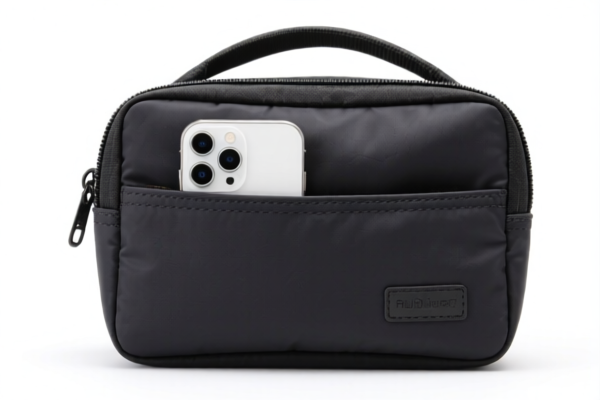
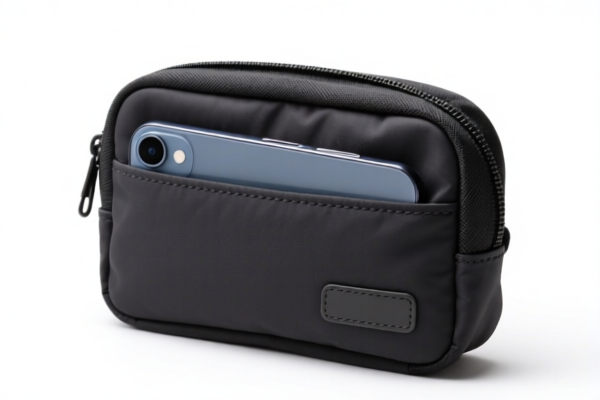
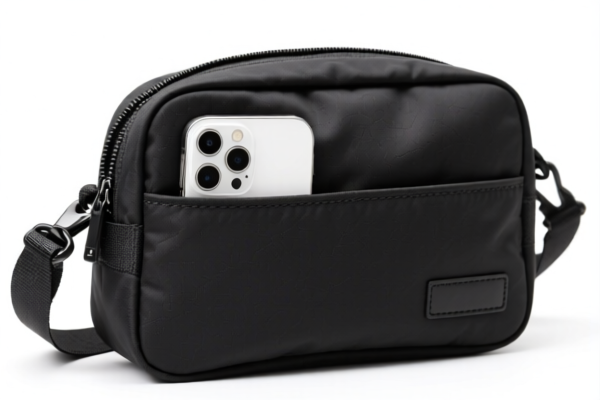
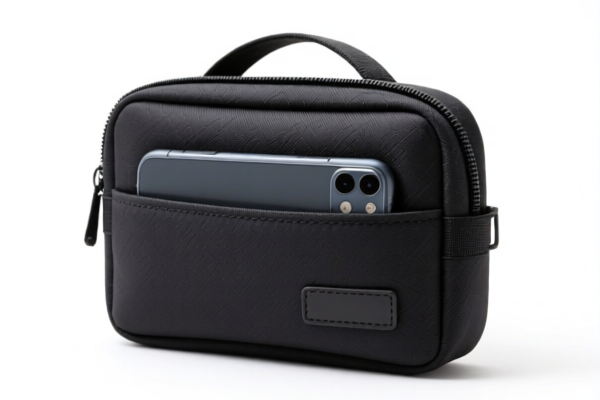
AI Analysis
📱 Insulated Phone Bag (The "Lifestyle" Accessory)
🌐 HS Code Reference & Customs Clearance Guide | 2026 Latest Tariff Analysis | Professional Clearance Strategy
📌 I. Product Definition & Classification: What is an "Insulated Phone Bag"?
An Insulated Phone Bag is a specialized lifestyle accessory designed to protect smartphones from temperature fluctuations (heat/cold) and physical impacts. In international trade, its classification is ambiguous because it straddles the line between textile articles, plastic packaging, and general finished goods.
The classification depends heavily on the primary material and the intended use as interpreted by customs authorities. Below are the five most likely HS Code matches based on common industry practices and the provided data.
⚠️ Key Classification Dilemma:
- Is it a Packaging Item (Plastic-based) →3923.90.00.80
- Is it a General Finished Good (Textile/Other material) →6307.90.98.75or6307.90.98.91
- Is it a Bag (Textile-based) →4202.92.08.09or4202.92.08.07
📦 II. HS Code Classification Details (2026 Latest Tariff Authority Comparison)
| HS Code | Product Description | Application Scenario | Material Basis |
|---|---|---|---|
3923.90.00.80 |
Packings and articles for the conveyance or packing of goods, of plastics | Generic plastic-wrapped insulated pouches; plastic-based liners | 🧪 Plastic/Synthetic |
6307.90.98.75 |
Other made-up articles (General "Finished Consumer Goods") | Bags classified under "Other" without specific material conflict; generic finished goods | 🧶 Mixed/Other |
6307.90.98.91 |
Other made-up articles (Specific "Bag" classification under General) | Bags made of materials not elsewhere specified; fits "Bag" morphology | 🧶 Mixed/Other |
4202.92.08.09 |
Articles of apparel and accessories, of leather or of composition leather | Bags with Textile outer surface (common for insulated fabric bags) | 🧵 Textile |
4202.92.08.07 |
Articles of apparel and accessories, of leather or of composition leather | Bags with Textile outer surface; specific sub-category for textile bags | 🧵 Textile |
🔍 Critical Reminder:
- If the bag is primarily plastic (e.g., a clear insulated sleeve with plastic insulation), use3923.
- If the bag is primarily textile/fabric (e.g., neoprene, nylon, polyester), use4202or6307.
-4202is generally preferred for Textile bags if they meet the definition of "articles of apparel and accessories."
-6307is often used as a "fallback" if the bag doesn't strictly fit the "apparel/accessory" definition but is a "finished article."
💰 III. 2026 Latest Tariff Rate Breakdown (Including Additional Taxes & Policy Add-ons)
✅ Applicable Country: United States (US)
✅ Origin: China (CN)
✅ Effective Date: Post-November 2025 (Subject to ongoing trade policies)
🎯 1. 3923.90.00.80 —— Plastic Packaging/Insulated Items
| Item | Content |
|---|---|
| Basic Tariff | 3.0% |
| Section 301 Tariff | +25.0% |
| Section 122 Tariff | +10.0% |
| Total Tax Rate | 38.0% |
| Tax Calculation | CIF Value × 38.0% |
| De Minimis Exemption | ❌ Not Eligible (Due to Section 301/122) |
| Legal Basis Path | Section 301: 3923.90.00.80 → Section 122: 10% |
📌 Explanation:
- 38% Total is a very high rate.
- Section 301 (25%) applies to most Chinese-made plastic goods.
- Section 122 (10%) is an additional tariff on specific imports from China.
- Risk: High. Customs may scrutinize whether it's truly "packaging" or a "consumer good."
🎯 2. 6307.90.98.75 & 6307.90.98.91 —— General Made-up Articles (Fallback)
| Item | Content |
|---|---|
| Basic Tariff | 7.0% |
| Section 301 Tariff | +7.5% |
| Section 122 Tariff | +10.0% |
| Total Tax Rate | 24.5% |
| Tax Calculation | CIF Value × 24.5% |
| De Minimis Exemption | ❌ Not Eligible |
| Legal Basis Path | Section 301: 6307.90.98.75/91 → Section 122: 10% |
📌 Explanation:
- 24.5% Total is moderate to high.
- Section 301 (7.5%) is lower than for plastic goods, reflecting the "other" category.
- Section 122 (10%) still applies.
- Strategy: If you can prove it's a "finished consumer good" rather than "packaging," this rate is significantly lower than3923.
🎯 3. 4202.92.08.09 & 4202.92.08.07 —— Textile Bags (Preferred for Fabric Bags)
| Item | Content |
|---|---|
| Basic Tariff | 7.0% |
| Section 301 Tariff | +25.0% |
| Section 122 Tariff | +10.0% |
| Total Tax Rate | 42.0% |
| Tax Calculation | CIF Value × 42.0% |
| De Minimis Exemption | ❌ Not Eligible |
| Legal Basis Path | Section 301: 4202.92.08.09/07 → Section 122: 10% |
📌 Explanation:
- 42% Total is the highest rate among the options.
- Section 301 (25%) is applied at the standard rate for textiles/apparel accessories.
- Section 122 (10%) adds further cost.
- Risk: High cost. Only use this if the product is strictly a textile bag and no other classification applies.
🛠️ IV. Customs Clearance Practical Advice (Battle-Tested Pitfall Avoidance)
✅ 1. Essential Documentation Checklist (Non-Negotiable)
| Document | Required? | Explanation |
|---|---|---|
| ✅ Product Specifications | ✔️ | Must detail material composition (e.g., "Outer: 100% Polyester, Inner: Aluminum Foil Insulation") |
| ✅ Product Photos | ✔️ | Clear images showing the bag, zipper, and interior insulation layer |
| ✅ Commercial Invoice | ✔️ | Must state "Insulated Bag for Cell Phone," not just "Bag" |
| ✅ Packing List | ✔️ | Show unit weight and dimensions for correct valuation |
| ✅ Material Composition Statement | ✔️ | Crucial for distinguishing between 3923 (Plastic) and 4202 (Textile) |
✅ 2. Declaration Strategy (Key Mnemonics)
🔥 “Material Dictates Code, Insulation Defines Use!”
| Scenario | Correct HS Code | Incorrect Code | Consequence |
|---|---|---|---|
| Plastic Sleeve with Foil Lining | 3923.90.00.80 |
4202.92.08.09 |
Overpayment: 38% vs 42% (Actually, 3923 is cheaper here!) |
| Fabric/Neoprene Bag with Insulation | 4202.92.08.09 or 6307.90.98.91 |
3923.90.00.80 |
Underpayment Risk: If misclassified as plastic, customs may reclassify and fine. |
| Generic "Finished Good" (Unclear Material) | 6307.90.98.75 |
4202.92.08.09 |
Rate Difference: 24.5% vs 42.0% → Save 17.5%! |
📌 Pro Tip:
- If the bag is not strictly an "apparel accessory" (i.e., not worn on the body but carried in a pocket),6307.90.98.75may offer the lowest tax (24.5%).
- If it is a textile bag clearly used for carrying,4202is the standard but has a higher tax (42%).
-3923is for plastic items. If your bag is plastic-based,3923(38%) is actually cheaper than4202(42%).
✅ 3. Special Case Handling
| Scenario | Handling Advice |
|---|---|
| OEM Custom Bags | Provide design files and material specs. If material is mixed (e.g., textile + plastic zipper), declare the primary material (outer fabric). |
| Insulation Material Conflict | If the insulation is aluminum foil (plastic-based), customs may lean toward 3923. If it’s foam/neoprene (rubber/plastic), it may still be 4202 if the outer is textile. |
| "Bag" vs. "Pouch" | If it’s a small pouch, 6307 might be safer than 4202 if it doesn’t fit the "bag" definition in Chapter 42. |
🌍 V. Global Market Comparison (2026 Latest)
| Country/Region | Recommended HS Code | Tax Rate (China Origin) | Certification Requirements | Notes |
|---|---|---|---|---|
| 🇺🇸 USA | 6307.90.98.75 |
24.5% | None (General) | Best Rate if classified as "Other Made-up Article" |
| 🇺🇸 USA | 4202.92.08.09 |
42.0% | None | Standard for textile bags, but high tax |
| 🇺🇸 USA | 3923.90.00.80 |
38.0% | None | Only if plastic-based |
| 🇪🇺 EU | 4202.92.00.00 |
0% (Most cases) | CE (if electronic accessory) | No Section 301/122 |
| 🇨🇳 China | 4202.92.00.00 |
5% | CCC (if applicable) | Low import duty |
📌 Conclusion:
- USA has high tariffs due to Section 301 and 122.
-6307.90.98.75(24.5%) is the most cost-effective option if the product can be classified as a "general made-up article" rather than a specific "bag" or "plastic packaging."
-4202(42%) is the safest for textile bags but costs significantly more.
📌 VI. Common Mistakes & Pitfall Guide (Lessons Learned)
❌ Mistake 1: Classifying a Textile Bag as 3923 (Plastic)
👉 Consequence: Customs may reject it for misclassification. If accepted, you might underpay taxes (38% vs 42%), leading to audits and fines.
❌ Mistake 2: Classifying a Plastic Bag as 4202 (Textile)
👉 Consequence: Overpayment. You pay 42% instead of 38%. Small difference, but incorrect documentation.
❌ Mistake 3: Ignoring Section 122 (10%)
👉 Consequence: All three codes (3923, 6307, 4202) are subject to Section 122. Failing to account for it leads to unexpected costs at customs.
❌ Mistake 4: Using vague terms like "Phone Holder"
👉 Consequence: Customs may reclassify to a higher duty category. Always specify "Insulated Bag" and Material.
✅ Correct Declaration:
"Insulated Cell Phone Bag, Outer Material: 100% Polyester, Inner Lining: Aluminum Foil Insulation, Size: 7x4 inches, Brand: XYZ"
🎯 VII. Conclusion: Professional Declaration Saves Money!
🎯 Remember This Mantra:
🔹 "Material is King, Insulation is Context, Section 122 is Always On!"
🔹 "6307 = 24.5%, 4202 = 42%, 3923 = 38%. Choose Wisely!"
📌 Pro Tip:
- If your bag is fabric-based, try to classify it under 6307.90.98.75 to save 17.5% compared to 4202.
- If your bag is plastic-based, use 3923.90.00.80 to save 4% compared to 4202.
- Always include Section 122 (10%) in your cost calculations.
📣 Immediate Action:
📞 Contact your customs broker with material specs.
📝 Apply for a Pre-Ruling if importing large volumes.
🚀 Optimize your HS Code to save 17.5%–38% in tariffs!
✨ Professional Clearance Starts with Accurate Classification!
💼 Every Dollar Saved is Profit Added!
Customer Reviews
About HS Code Classification
The Harmonized System (HS) is an internationally standardized nomenclature developed by the World Customs Organization (WCO) to classify traded products. Over 200 countries use the HS system as the basis for customs tariffs, trade statistics, and import/export regulations.
Each HS code follows a hierarchical structure:
- Chapter (2 digits) — Broad category of goods (e.g., Chapter 84: Machinery and Mechanical Appliances)
- Heading (4 digits) — More specific grouping within the chapter
- Subheading (6 digits) — Internationally standardized breakdown, used by all WCO member countries
- National subdivisions (8-10 digits) — Country-specific extensions for further classification, such as US HTSUS 10-digit codes
Correct HS code classification is essential for smooth customs clearance, accurate duty payment, and compliance with trade regulations. Misclassification can lead to customs delays, overpayment of duties, or penalties.
When importing from CN to US, the applicable tariff rates may include:
- Most-Favored-Nation (MFN) rate — The standard duty rate applied to WTO members
- General rate — Applied to countries without trade agreements
- Trade remedy duties — Additional tariffs such as Section 301 (anti-dumping), Section 232 (national security), or countervailing duties
The information provided on this page is for reference purposes only. For official classification, please consult with your local customs authority or a licensed customs broker.