Insulated Tissue Box
CN → US| HS Code | Tariff Rate | Origin | Destination | Doc |
|---|---|---|---|---|
| 4421999880 | 38.3% | CN | US | Official Doc |
| 4421919880 | 38.3% | CN | US | Official Doc |
| 630790 | 0.0% | CN | US | Official Doc |
| 392690 | 0.0% | CN | US | Official Doc |
| 4823908000 | 35.0% | CN | US | Official Doc |
| 4823908620 | 35.0% | CN | US | Official Doc |
Product Images
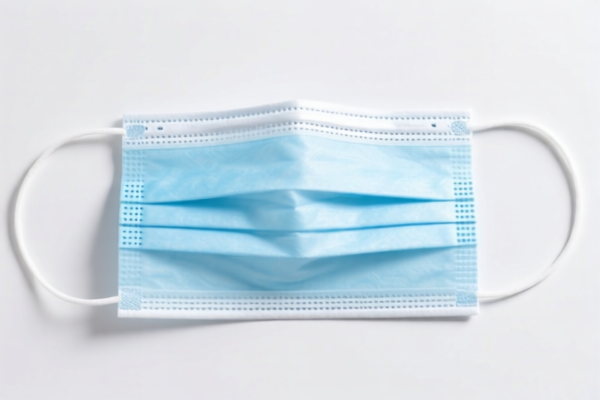
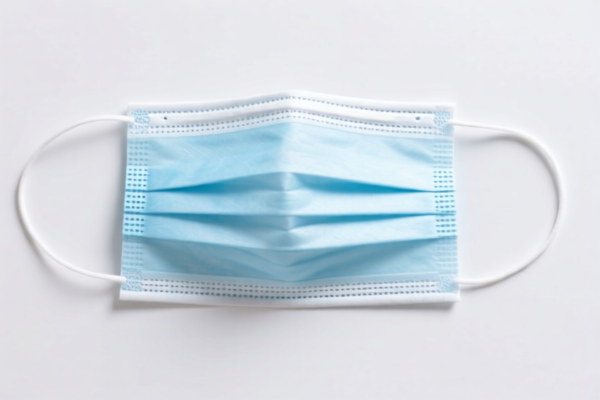
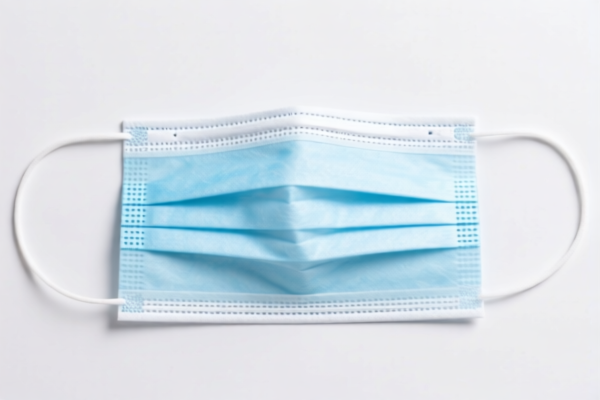
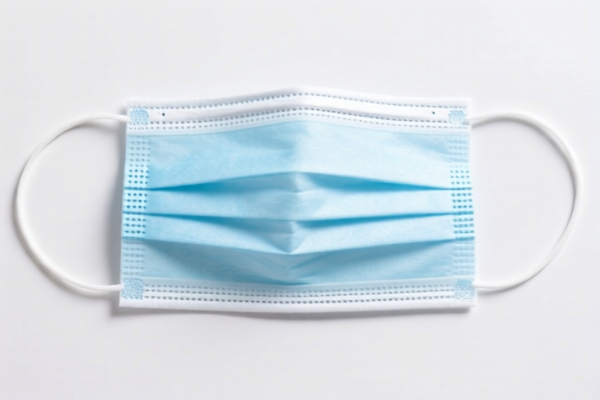
AI Analysis
🧻 Insulated Tissue Box (Paper, Plastic, Textile)
🌐 HS Code Reference & Customs Clearance Guide | 2026 Latest Tariff Analysis | Professional Clearance Strategy
📌 I. Product Definition & Classification: Do You Really Know What an "Insulated Tissue Box" Is?
An insulated tissue box is a household or commercial accessory designed to store facial tissues while maintaining a specific temperature or protecting the tissues from external elements. In international trade, the classification depends entirely on the primary material of the box itself, not its function or shape. It is crucial to distinguish between paper-based, plastic-based, and textile-based boxes, as they fall into different chapters of the Harmonized System (HS).
⚠️ Key Distinction Point:
- If made of Paper/Paperboard (with or without coating): Falls under Chapter 48; - If made of Plastics (with insulating properties): Falls under Chapter 39; - If made of Textiles (fabric, fleece, etc.): Falls under Chapter 63.🚫 Important Note: The term "Insulated" in the description implies a functional feature (like retaining warmth or cold), but for customs purposes, you must declare the material composition accurately. Misclassification can lead to severe delays or penalties.
📦 II. HS Code Classification Details (2026 Latest Tariff Authority Comparison)
Based on the provided data, here are the specific HS Codes relevant to the product description provided in the dataset:
| HS Code | Product Description | Material Basis | Applicable Scenario |
|---|---|---|---|
4823.90.80.00 |
Other articles of paper/paperboard: Other: Gaskets, washers, and other seals | Paper/Paperboard | Paper tissue boxes (often rectangular) with sealing features or gasket-like structures. |
4823.90.86.20 |
Other articles of paper/paperboard: Other: Other Shoe covers... | Paper/Paperboard | Note: This code specifically mentions "Shoe covers". However, the dataset includes it under general paper articles. For tissue boxes, 4823.90.80.00 is the more likely candidate unless it's a specific disposable cover. |
3926.90 |
Other articles of plastics, including insulated tissue boxes made of plastic materials... | Plastics | Plastic tissue boxes with insulating layers (e.g., foam-lined plastic containers). |
6307.90 |
Other made-up textile articles, including insulated tissue boxes... intended for medical/hygiene... | Textiles | Fabric tissue boxes (e.g., fleece, cloth-covered) often used in medical or personal hygiene contexts. |
4421.99.98.80 |
Other articles of wood: Other: Other Other | Wood | Wooden tissue boxes (decorative). |
4421.91.98.80 |
Other articles of wood: Other: Of bamboo: Other: Other | Bamboo | Bamboo tissue boxes. |
🔍 Focus Analysis:
The dataset explicitly links "Insulated Tissue Box" to Plastics (3926.90) and Textiles (6307.90). For paper-based boxes,4823.90.80.00is the standard "Other articles of paper" category. Wood/Bamboo codes (4421...) are included in the dataset but are less common for "insulated" functional boxes unless specified.
💰 III. 2026 Latest Tariff Rate Detailed Explanation (Including Surtaxes)
✅ Applicable Country: United States (US)
✅ Origin: China (CN)
✅ Effective Date: Rates apply to imports from China subject to Section 301 tariffs.
🎯 1. 4823.90.80.00 – Paper/Paperboard Articles (Non-Specialized)
| Item | Content |
|---|---|
| Base Duty | 0.0% (ad valorem) |
| Section 301 Surcharge | +25.0% |
| Total Tax Rate | 25.0% |
| Tax Calculation | CIF Value × 25.0% |
| De Minimis Exemption | ❌ Not Applicable (De Minimis ($800) usually excludes goods subject to Section 301 if declared properly, but high-value shipments are taxed). |
| Legal Basis Path | HTSUS:4823.90.80.00 → Section 301 List 4 → 25% Surcharge |
📌 Explanation:
- Paper products often have low base duties, but the 25% Section 301 tariff applies heavily to many paperboard articles from China. - This is a high-risk category for cost calculation.
🎯 2. 3926.90 – Other Articles of Plastics
| Item | Content |
|---|---|
| Base Duty | Data Retrieval Failed (Standard HTSUS rate is typically 3.4% - 5.7% depending on specific subheading) |
| Section 301 Surcharge | Data Retrieval Failed (Likely 25% or 7.5% depending on the specific 10-digit subheading and timing) |
| Total Tax Rate | Error/Unknown (See Note Below) |
| Tax Calculation | Pending precise subheading verification |
| Legal Basis Path | HTSUS:3926.90.xx → Section 301 List 3 or 4 |
⚠️ Critical Warning:
- The provided dataset returns "Failed to retrieve tax information" for3926.90. - Action Required: You must verify the exact 10-digit HS Code (e.g.,3926.90.99.98). Most plastic articles from China face a 25% Section 301 surcharge plus the base duty. - Estimated Total: Likely 28% - 31% (Base ~3-4% + 25% Surcharge).
🎯 3. 6307.90 – Other Made-Up Textile Articles
| Item | Content |
|---|---|
| Base Duty | Data Retrieval Failed (Standard HTSUS rate is typically 9.8% - 10.5%) |
| Section 301 Surcharge | Data Retrieval Failed (Likely 25% or 7.5%) |
| Total Tax Rate | Error/Unknown (See Note Below) |
| Tax Calculation | Pending precise subheading verification |
| Legal Basis Path | HTSUS:6307.90.xx → Section 301 List 3 or 4 |
⚠️ Critical Warning:
- Similar to plastics, textile articles are subject to high tariffs. - Estimated Total: Likely 35% - 36% (Base ~10% + 25% Surcharge). - Fabric tissue boxes are often considered "home furnishing" or "general textile articles," which are heavily taxed.
🎯 4. 4421.99.98.80 / 4421.91.98.80 – Wood & Bamboo Articles
| Item | Content |
|---|---|
| Base Duty | 3.3% |
| Section 301 Surcharge | +25.0% |
| Total Tax Rate | 28.3% |
| Tax Calculation | CIF Value × 28.3% |
| Legal Basis Path | HTSUS:4421.99.98.80 → Section 301 |
📌 Explanation:
- Wooden and bamboo tissue boxes incur a 28.3% total tariff. - This is slightly higher than paper due to the 3.3% base duty.
🛠️ IV. Customs Clearance Practical Advice (Real-World Pitfall Guide)
✅ 1. Preparation Checklist (Non-Negotiable)
| Document | Mandatory? | Explanation |
|---|---|---|
| ✅ Material Composition Statement | ✔️ | Clearly state: "100% Recycled Paper," "ABS Plastic with Foam Liner," or "Polyester Fabric." Customs will scrutinize the "Insulated" claim. |
| ✅ Product Photographs | ✔️ | Show the box open and closed, highlighting the insulating layer (if any). |
| ✅ Commercial Invoice | ✔️ | Must match the HS Code exactly. Do not use generic terms like "Box." Use "Insulated Tissue Holder." |
| ✅ Origin Certificate | ✔️ | If shipped from China, expect high tariffs. If shipped from Vietnam/Mexico, check for USMCA/EVFTA benefits. |
✅ 2. Declaration Strategy (Key Rules)
🔥 “Material Determines Code, Insulation is Just a Feature!”
| Scenario | Correct HS Code Approach | Wrong Approach |
|---|---|---|
| Paper Box | 4823.90.80.00 |
Declaring as 6307.90 (Textile) → Higher Tax Risk |
| Plastic Box | 3926.90 (Verify exact subheading) |
Declaring as 4823.90 (Paper) → Misdeclaration Penalty |
| Fabric Box | 6307.90 |
Declaring as 3926.90 (Plastic) → Misdeclaration Penalty |
| Wooden Box | 4421.99.98.80 |
Declaring as "General Household Item" → Delay |
📌 Special Tip:
- The word "Insulated" may trigger questions about medical devices or food containers.
- If the insulation is for food warmth (e.g., warm tissues for sinus relief), it might be scrutinized under Chapter 90 (Medical) or Chapter 39 (Food Contact).
- Recommendation: If for personal/household use, emphasize "Cosmetic/Household Accessory" and avoid medical claims unless certified.
✅ 3. Special Case Handling
| Situation | Handling Advice |
|---|---|
| Mixed Materials | If the box is paper with a plastic window and fabric lining, classify based on the principal material or essential character. Usually, the outer casing dictates the code. |
| OEM Custom Boxes | Provide design specs showing the insulating layer (e.g., aluminum foil, foam). This proves it’s not just a simple paper box. |
| De Minimis (Section 321) | If the value is under $800 and shipped via USPS/Express, Section 301 tariffs may still apply if declared correctly. However, many carriers auto-clear. Risk: High-value shipments will be taxed heavily. |
| Plastic/Textile Tax Error | Since the dataset shows "Error" for 3926.90 and 6307.90, request a formal Ruling (IO) from CBP before large-scale shipment to avoid surprise bills. |
🌍 V. Global Market Comparison (2026 Latest)
| Country/Region | Recommended HS Code | Estimated Duty (China Origin) | Certification Req. | Notes |
|---|---|---|---|---|
| 🇺🇸 USA | 4823.90.80.00 |
25.0% | No specific cert. | High tariff on all paper/plastic/textile articles. |
| 🇪🇺 EU | 4823.90 / 3926 |
~5-10% | REACH, RoHS | No Section 301 equivalent. Lower cost. |
| 🇨🇳 China | 4823.90 |
5-8% | CCC (if applicable) | Low import duty, but high domestic VAT. |
| 🇬🇧 UK | 4823.90 |
5-10% | UKCA | Post-Brexit rules apply. |
📌 Conclusion:
- The USA is the most expensive market due to Section 301 tariffs. - Paper boxes (4823) are cheaper to ship to the US than plastics or textiles, which have "Error/Unknown" rates but are generally high. - Wood/Bamboo (4421) is a middle ground at 28.3%.
📌 VI. Common Mistakes & Pitfalls (Lessons Learned)
❌ Mistake 1: Declaring a Plastic Box as "Paper" to avoid plastic tariffs.
👉 Consequence: Customs inspection reveals plastic → Seizure + Fine.
❌ Mistake 2: Ignoring the "Insulated" aspect.
👉 Consequence: If the box contains medical-grade insulation (e.g., for storing vaccines), it may be classified under Chapter 90, triggering FDA requirements and higher duties.
❌ Mistake 3: Using "Tissue Box" as the sole description.
👉 Consequence: Vague description leads to HS Code uncertainty and potential audits.
✅ Correct Declaration Example:
"Insulated Tissue Holder, Made of Polypropylene Plastic with Foam Liner, For Household Use, Model XYZ, No Medical Claims"
🎯 VII. Conclusion: Precision Pays Off
🎯 Remember the Golden Rules:
🔹 "Material First: Paper, Plastic, or Textile?"
🔹 "USA Tax: 25% on Paper, ~30%+ on Plastic/Textile."
🔹 "Insulation ≠ Medical: Clarify usage to avoid FDA scrutiny."
🔹 "Check for Errors: Get a formal ruling for Plastics/Textiles before shipping."
📌 Pro Tip:
If your supply chain is flexible, consider shifting production to Vietnam or Mexico for plastic/textile tissue boxes to avoid Section 301 tariffs. For paper boxes, the 25% tariff is universal for China-origin goods, so cost optimization must come from material efficiency or alternative markets.
📣 Immediate Action:
📞 Verify the exact 10-digit HS Code for Plastic/Textile boxes with a customs broker.
🚀 Do not guess the tax rate for3926.90and6307.90—the data shows an error. Professional consultation is mandatory.
✨ Professional Clearance Starts with Accurate Classification!
💼 Your Profit Margin Depends on Correct Duty Calculation!
Customer Reviews
About HS Code Classification
The Harmonized System (HS) is an internationally standardized nomenclature developed by the World Customs Organization (WCO) to classify traded products. Over 200 countries use the HS system as the basis for customs tariffs, trade statistics, and import/export regulations.
Each HS code follows a hierarchical structure:
- Chapter (2 digits) — Broad category of goods (e.g., Chapter 84: Machinery and Mechanical Appliances)
- Heading (4 digits) — More specific grouping within the chapter
- Subheading (6 digits) — Internationally standardized breakdown, used by all WCO member countries
- National subdivisions (8-10 digits) — Country-specific extensions for further classification, such as US HTSUS 10-digit codes
Correct HS code classification is essential for smooth customs clearance, accurate duty payment, and compliance with trade regulations. Misclassification can lead to customs delays, overpayment of duties, or penalties.
When importing from CN to US, the applicable tariff rates may include:
- Most-Favored-Nation (MFN) rate — The standard duty rate applied to WTO members
- General rate — Applied to countries without trade agreements
- Trade remedy duties — Additional tariffs such as Section 301 (anti-dumping), Section 232 (national security), or countervailing duties
The information provided on this page is for reference purposes only. For official classification, please consult with your local customs authority or a licensed customs broker.