Insulating Mat
CN → US| HS Code | Tariff Rate | Origin | Destination | Doc |
|---|---|---|---|---|
| 8547900010 | 89.6% | CN | US | Official Doc |
| 3921110000 | 40.3% | CN | US | Official Doc |
| 4008111000 | 35.0% | CN | US | Official Doc |
| 4008210000 | 35.0% | CN | US | Official Doc |
| 8547200000 | 35.0% | CN | US | Official Doc |
Product Images
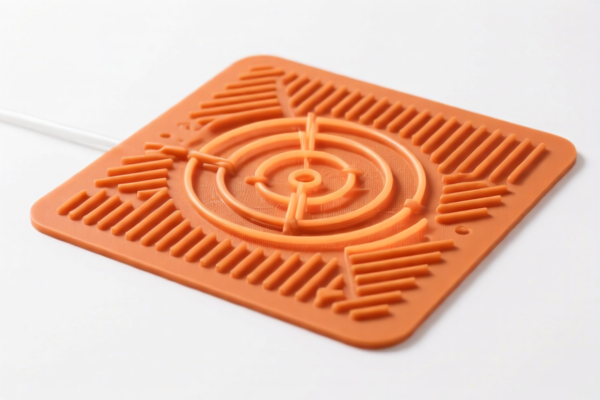
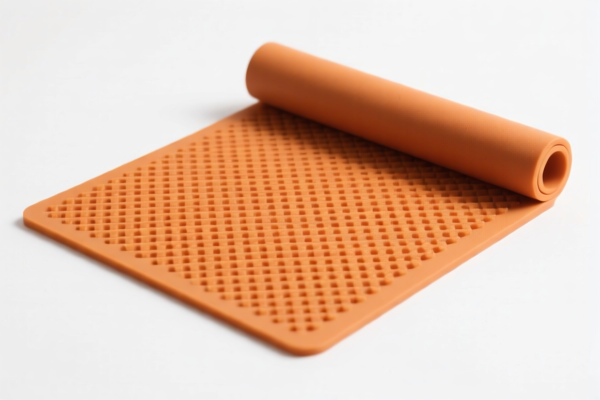
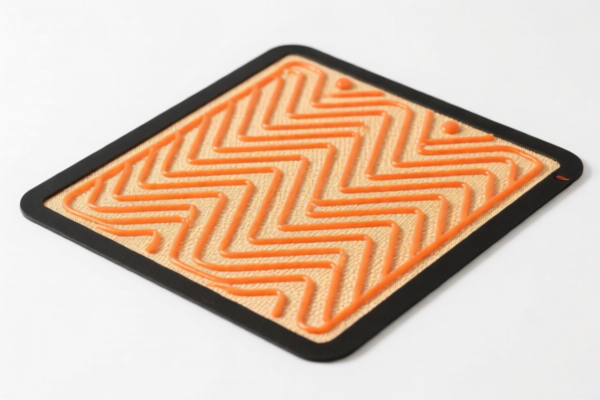

AI Analysis
🛡️ Insulating Mat (Insulating Pads)
🌐 HS Code Reference & Customs Clearance Guide | 2024-2026 Latest Tariff Analysis | Professional Entry Strategy
📌 I. Product Definition & Classification: Do You Really Understand "Insulating Mats"?
Insulating mats are critical safety equipment used in electrical work environments to prevent electric shock. They serve as a physical barrier between personnel and grounded surfaces or live conductors. In international trade, their classification varies significantly based on material composition and specific functional intent.
There are two primary classification paths: 1. Electrical Accessories (Chapter 85): If the mat is specifically designed and classified as an "accessory" for electrical insulation, falling under specific subheadings. 2. Material-Based Classification (Chapter 39/40/85): If classified by its raw material (Plastic/Rubber) or general insulating properties without specific electrical accessory designation.
⚠️ Key Distinction Point:
- If the product is explicitly marketed and functionally defined as an insulating accessory for electrical apparatus → Likely 8547.90.00.10.
- If classified primarily by material (e.g., Rubber sheet, Plastic plate) without specific electrical accessory context → Likely 4008 or 3921.
- If classified as general insulating materials without specific electrical accessory status → 8547.20.00.00.
📦 II. HS Code Classification Details (Based on Provided Data)
| HS Code | Product Description | Material/Type | Key Classification Logic |
|---|---|---|---|
8547.90.00.10 |
Insulating accessories for electrical use | Insulating materials (Non-metallic) | Specifically for "insulating accessories," consistent with non-metallic base material insulation attributes. |
3921.11.00.00 |
Other plates, sheets, film, foil, and strip of plastics | Plastic, Rubber, or Composite | Material is primarily plastic/rubber; falls under "other plastic plates/sheets." |
4008.11.10.00 |
Plates, sheets, and strip of cellular rubber | Cellular Rubber | Made of rubber; form factor matches plates/sheets. |
4008.21.00.00 |
Plates, sheets, and strip of solid rubber | Solid Rubber | Made of rubber; form factor matches gaskets/pads (plates/sheets/strip). |
8547.20.00.00 |
Insulating fittings for electrical machines, apparatus, etc. | Plastic or Insulating Material | Used for insulation; material inferred as plastic or general insulating material products. |
🔍 Critical Reminder:
- 8547.90.00.10 carries the highest tax burden due to specific "122 Clause" and Section 301 tariffs.
- 8547.20.00.00 and 4008/3921 families have lower base tariffs but still face significant附加 taxes.
- The distinction often lies in documentation: Does the commercial invoice describe it as an "Electrical Accessory" or a "Rubber Sheet"?
💰 III. 2024-2026 Latest Tariff Rate Breakdown (Including Surcharges)
✅ Applicable Country: United States (US)
✅ Origin: China (CN)
✅ Effective Date: Current tariffs include Section 301 and Section 232 implications.
🎯 1. 8547.90.00.10 — Insulating Accessories (Highest Risk)
| Item | Content |
|---|---|
| Base Tariff | 4.6% |
| Section 301 Surcharge | +25.0% |
| Section 122 Tariff | +10% (Steel, Aluminum, Copper products surcharge applies to certain insulating materials/components) |
| Aluminum/Steel/Copper Surcharge | +50% (If classified under specific metallic or composite rules) |
| Total Tax Rate | 89.6% |
| Tax Calculation | CIF Value × 89.6% |
| De Minimis Exemption | ❌ Not Eligible |
| Legal Basis Path | Section 301 (30% tariff block) + Section 122 (122 Clause) + Base Duty |
📌 Explanation:
- This classification triggers the maximum possible tariff burden.
- The 89.6% rate includes the base duty, the standard 25% Section 301 tariff, a 10% surcharge under Section 122, and an additional 50% under Section 122 for specific metallic/composite components.
- Cost Impact: Extremely high. Only justifiable if no other classification is legally defensible.
🎯 2. 3921.11.00.00 — Plastic Plates/Sheets (High Risk)
| Item | Content |
|---|---|
| Base Tariff | 5.3% |
| Section 301 Surcharge | +25.0% |
| Section 122 Tariff | +10% |
| Total Tax Rate | 40.3% |
| Tax Calculation | CIF Value × 40.3% |
| De Minimis Exemption | ❌ Not Eligible |
| Legal Basis Path | Chapter 39 (Plastics) + Section 301 + Section 122 |
📌 Explanation:
- Classified as plastic-based insulating material.
- Avoids the 50% Section 122 surcharge but still faces the 25% Section 301 tariff and 10% Section 122 tariff.
- Cost Impact: High, but significantly lower than8547.90.00.10.
🎯 3. 4008.11.10.00 & 4008.21.00.00 — Rubber Plates/Sheets (Moderate Risk)
| Item | Content |
|---|---|
| Base Tariff | 0.0% |
| Section 301 Surcharge | +25.0% |
| Section 122 Tariff | +10% |
| Total Tax Rate | 35.0% |
| Tax Calculation | CIF Value × 35.0% |
| De Minimis Exemption | ❌ Not Eligible |
| Legal Basis Path | Chapter 40 (Rubber) + Section 301 + Section 122 |
📌 Explanation:
- Rubber-based insulating mats benefit from a 0% base duty.
- However, they still incur the 25% Section 301 and 10% Section 122 surcharges.
- Cost Impact: Moderate. This is often the most cost-effective classification for rubber mats if material evidence supports it.
🎯 4. 8547.20.00.00 — General Insulating Fittings (Moderate Risk)
| Item | Content |
|---|---|
| Base Tariff | 0.0% |
| Section 301 Surcharge | +25.0% |
| Section 122 Tariff | +10% |
| Total Tax Rate | 35.0% |
| Tax Calculation | CIF Value × 35.0% |
| De Minimis Exemption | ❌ Not Eligible |
| Legal Basis Path | Chapter 85 (Electrical Machinery) + Section 301 + Section 122 |
📌 Explanation:
- Classified as general insulating fittings, not specifically "accessories."
- Shares the same 35% total rate as rubber classifications due to 0% base duty + surcharges.
- Cost Impact: Moderate. Requires careful documentation to ensure it is not deemed a "specific accessory" (which would push it to 89.6%).
🛠️ IV. Customs Clearance Practical Advice (Real-World Pitfall Guide)
✅ 1. Required Documentation Checklist (Non-Negotiable)
| Document | Must Provide | Purpose |
|---|---|---|
| ✅ Product Specification Sheet | ✔️ | Details material (Rubber/Plastic), thickness, voltage rating. |
| ✅ Material Test Report | ✔️ | Proof of material composition (e.g., ASTM D1000 for rubber). |
| ✅ Product Photos | ✔️ | Clear images showing texture, markings, and any electrical rating labels. |
| ✅ Commercial Invoice | ✔️ | Must accurately describe the product. Use terms like "Rubber Insulating Mat" or "Plastic Insulating Pad" carefully. |
| ✅ Certificate of Origin (CO) | ✔️ | To prove origin and apply for any potential exemptions (rare for China origin). |
| ✅ HS Code Pre-ruling Request | ✔️ | Highly recommended to confirm 8547 vs. 4008/3921. |
✅ 2. Declaration Strategy (Key Principles)
🔥 "Material Defines Chapter, Function Defines Subheading!"
| Scenario | Correct Declaration Approach | Wrong Approach |
|---|---|---|
| Rubber Mat | Declare as 4008.11.10.00 or 4008.21.00.00 with clear "Rubber" material description. |
Describing it solely as "Electrical Accessory" without material proof → Risk of 8547.90.00.10. |
| Plastic Mat | Declare as 3921.11.00.00 with "Plastic" material description. |
Using generic "Insulating Mat" → Ambiguity, potential audit. |
| Specific Electrical Accessory | Declare as 8547.90.00.10 if it is a specialized component for a specific electrical apparatus. |
Trying to hide electrical purpose → Fraud risk. |
| General Insulation | Declare as 8547.20.00.00 for general electrical insulation fittings. |
Over-specifying as "accessory" → Higher tax. |
✅ 3. Special Considerations
| Situation | Handling Advice |
|---|---|
| Mixed Materials | If the mat has both rubber and plastic components, consult a customs broker. Generally, the principal material determines classification. |
| Voltage Rating | High-voltage mats may be scrutinized more closely. Ensure voltage ratings are clearly stated on the product. |
| Section 122 Impact | Be aware that the 10% + 50% surcharge under Section 122 can drastically change costs. For 8547.90.00.10, this is the main driver of the 89.6% rate. |
| De Minimis (Section 321) | ❌ Not Applicable. All these HS codes are subject to Section 301 and Section 122 tariffs, regardless of value. |
🌍 V. Global Market Comparison (2024-2026)
| Country/Region | Recommended HS Code | Tariff Rate (China Origin) | Certification | Notes |
|---|---|---|---|---|
| 🇺🇸 USA | 4008 / 3921 / 8547.20 |
35% - 40.3% (Avoid 8547.90 if possible) |
UL, CSA | High tariffs due to Section 301 & 122. |
| 🇨🇳 China | 4008 / 3921 / 8547 |
0% - 5% | CCC | Low tariffs, no surcharges. |
| 🇪🇺 EU | 4008 / 3921 / 8547 |
0% - 6.5% | CE, RoHS | No Section 301/122 equivalents. |
| 🇬🇧 UK | 4008 / 3921 / 8547 |
0% - 6.5% | UKCA, RoHS | Post-Brexit alignment with EU. |
| 🇦🇺 Australia | 4008 / 3921 / 8547 |
5% | RCM, SAA | Moderate tariffs. |
📌 Conclusion:
- USA is the most challenging market due to layered surcharges.
- European and Asian markets offer significantly lower tariff burdens.
- Strategy: If exporting to the US, ensure accurate material-based classification (4008or3921) to avoid the 89.6% rate.
📌 VI. Common Errors & Pitfalls (Lessons Learned)
❌ Error 1: Classifying all insulating mats as 8547.90.00.10 without verifying material.
👉 Consequence: Paying 89.6% instead of 35%. A massive cost increase.
❌ Error 2: Using vague descriptions like "Insulator" without specifying "Mat" or "Pad."
👉 Consequence: Customs may reject the classification or assign a different, higher-duty code.
❌ Error 3: Ignoring Section 122 tariffs.
👉 Consequence: Underestimating total landed cost. The 10% + 50% surcharges are not optional.
❌ Error 4: Assuming de minimis applies.
👉 Consequence: Shipments under $800 will still be subject to full tariffs and duties.
✅ Correct Approach:
"Rubber Insulating Mat, 1/2 inch thick, 1000V rated, ASTM D1000 compliant, Made in China."
HS Code:4008.11.10.00(or4008.21.00.00depending on cellular/solid nature).
Total Tax: 35.0%.
🎯 VII. Conclusion: Professional Classification Saves Money!
🎯 Remember the Key Takeaways:
🔹 "Rubber/Plastic = 35-40% Tax"
🔹 "Specific Electrical Accessory = 89.6% Tax"
🔹 "Material Evidence is King!"
🔹 "Section 122 Surcharges Apply to All!"
📌 Pro Tip:
If your insulating mats are made of rubber, aim for 4008 classification. If plastic, aim for 3921. Avoid 8547.90.00.10 unless absolutely necessary, as the 89.6% rate is prohibitive.
📣 Immediate Action:
📞 Consult a licensed customs broker for an Advance Ruling.
📄 Provide material test reports to support your HS code selection.
🚀 Save up to 54.6% in tariffs by choosing the correct classification!
✨ Precision in Classification, Profit in Clearance!
💼 Every percentage point counts in global trade!
Customer Reviews
About HS Code Classification
The Harmonized System (HS) is an internationally standardized nomenclature developed by the World Customs Organization (WCO) to classify traded products. Over 200 countries use the HS system as the basis for customs tariffs, trade statistics, and import/export regulations.
Each HS code follows a hierarchical structure:
- Chapter (2 digits) — Broad category of goods (e.g., Chapter 84: Machinery and Mechanical Appliances)
- Heading (4 digits) — More specific grouping within the chapter
- Subheading (6 digits) — Internationally standardized breakdown, used by all WCO member countries
- National subdivisions (8-10 digits) — Country-specific extensions for further classification, such as US HTSUS 10-digit codes
Correct HS code classification is essential for smooth customs clearance, accurate duty payment, and compliance with trade regulations. Misclassification can lead to customs delays, overpayment of duties, or penalties.
When importing from CN to US, the applicable tariff rates may include:
- Most-Favored-Nation (MFN) rate — The standard duty rate applied to WTO members
- General rate — Applied to countries without trade agreements
- Trade remedy duties — Additional tariffs such as Section 301 (anti-dumping), Section 232 (national security), or countervailing duties
The information provided on this page is for reference purposes only. For official classification, please consult with your local customs authority or a licensed customs broker.