Insulating Tape Roll
CN → US| HS Code | Tariff Rate | Origin | Destination | Doc |
|---|---|---|---|---|
| 3919102020 | 40.8% | CN | US | Official Doc |
| 5604909000 | 40.0% | CN | US | Official Doc |
| 3919905030 | 40.8% | CN | US | Official Doc |
| 3919102020 | 40.8% | CN | US | Official Doc |
| 3919905030 | 40.8% | CN | US | Official Doc |
Product Images
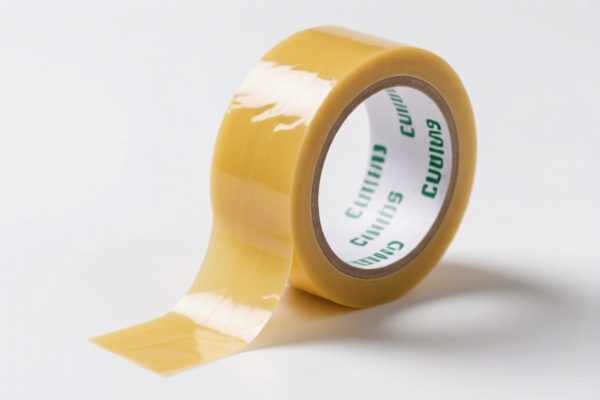
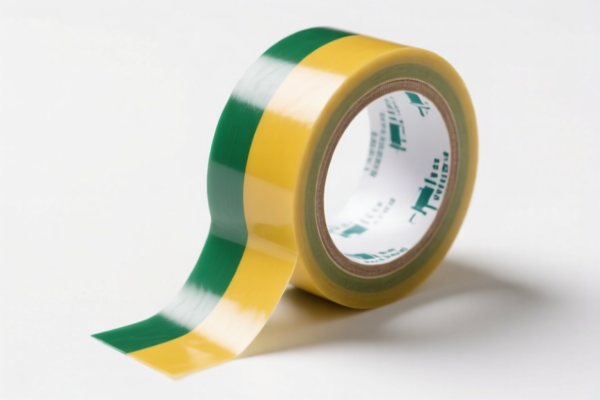
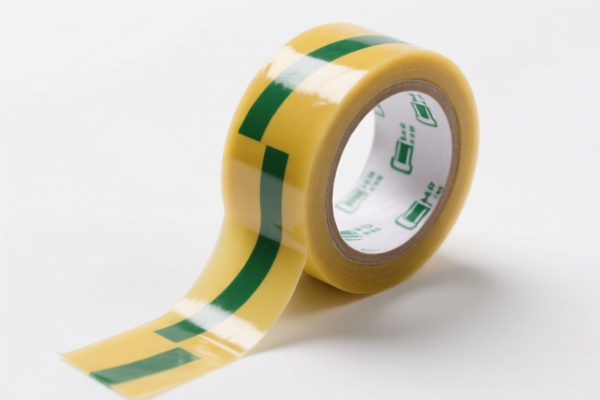
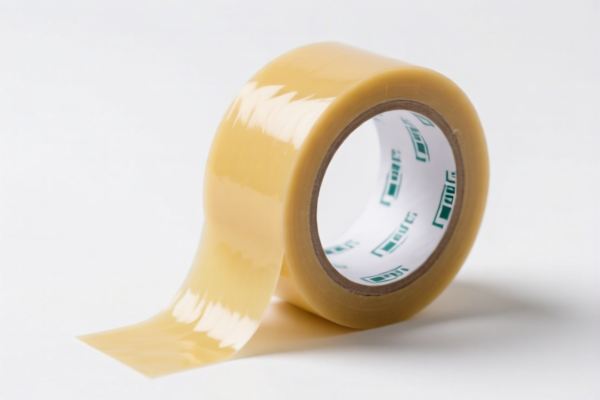
AI Analysis
🛡️ Insulating Tape Roll (Electrical Insulation Tape)
🌐 HS Code Reference & Customs Clearance Guide | 2026 Latest Tariff Analysis | Professional-Level Clearance Strategy
📌 I. Product Definition and Classification: Do You Really Understand "Insulating Tape"?
Insulating tape is a critical safety component in electrical engineering, used for insulating conductors and protecting against short circuits. In international trade, its classification depends heavily on its material composition (plastic vs. textile/rubber) and form (roll vs. specific strip shape).
The data provided highlights a crucial distinction:
Plastic-based adhesive tapes fall under Chapter 39 (Plastics), while textile/rubber-impregnated tapes fall under Chapter 56 (Textiles/Impregnated Fabrics).
⚠️ Key Distinction Point:
- If the base material is plastic/polymer and it is self-adhesive →归入 HS 3919 (Plastics sheets/film/strip)
- If the base material is textile/fabric impregnated with rubber or plastic →归入 HS 5604 (Yarn, twine, cordage... impregnated, coated, covered or sheathed with rubber or plastics)
📦 II. HS Code Classification Details (2026 Latest Tariff Authority Comparison)
Based on the provided data, here is the precise breakdown for Insulating Tape Rolls:
| HS Code | Product Description | Material Basis | Form Factor | Tax Detail Summary |
|---|---|---|---|---|
3919.10.20.20 |
Insulating tape rolls, matching electrical tape definition, roll form, plastic material. | Plastic | Roll | Base: 5.8%, Addl: 25%, Sec 122: 10% |
5604.90.90.00 |
Insulating tape, textile material impregnated with rubber or plastic, strip/roll form. | Textile + Rubber/Plastic | Strip/Roll | Base: 5.0%, Addl: 25%, Sec 122: 10% |
3919.90.50.30 |
Insulating tape, electrical insulation use, flat strip shape, plastic material. | Plastic | Flat Strip | Base: 5.8%, Addl: 25%, Sec 122: 10% |
🔍 Important Note:
- Although3919.10.20.20and3919.90.50.30have slightly different subheadings, they share the same total tax rate (40.8%) because the additional tariffs apply similarly.
-5604.90.90.00has a slightly lower base tariff (5.0% vs 5.8%) but the same additional tariffs, resulting in a 40.0% total rate.
💰 III. 2026 Latest Tariff Rate Breakdown (Including Additional Taxes & Policy Surcharges)
✅ Applicable Country: United States (US)
✅ Origin: China (CN)
✅ Effective Time: Current applicable rates based on Section 301 and Section 122 regulations.
🎯 1. 3919.10.20.20 & 3919.90.50.30 —— Plastic-Based Insulating Tapes
| Item | Content |
|---|---|
| Base Tariff | 5.8% (Ad Valorem) |
| Section 301 Additional Tariff | +25.0% (From USITC Footnote regarding Chinese imports) |
| Section 122 Tariff | +10.0% (Specific surcharge on certain Chinese goods) |
| Total Tax Rate | 40.8% |
| Tax Calculation | CIF Value × 40.8% |
| De Minimis Exemption | ❌ Not Eligible (High risk of seizure if shipped via informal entry) |
| Legal Basis Path | HTSUS: 3919.10.20.20 → Footnote: 9903.01.03 (Sec 301) → Footnote: Sec 122 |
📌 Explanation:
- The 5.8% base is the standard Most Favored Nation (MFN) rate for plastic tapes.
- The 25% surcharge is the core "Section 301" tariff targeting Chinese manufactured goods.
- The 10% surcharge is a specific "Section 122" tariff, often applied to items deemed to threaten US national security or industrial base.
- Total Liability: 40.8%. This is a significant cost factor.
🎯 2. 5604.90.90.00 —— Textile/Rubber-Based Insulating Tape
| Item | Content |
|---|---|
| Base Tariff | 5.0% (Ad Valorem) |
| Section 301 Additional Tariff | +25.0% |
| Section 122 Tariff | +10.0% |
| Total Tax Rate | 40.0% |
| Tax Calculation | CIF Value × 40.0% |
| De Minimis Exemption | ❌ Not Eligible |
| Legal Basis Path | HTSUS: 5604.90.90.00 → Footnote: 9903.01.03 (Sec 301) → Footnote: Sec 122 |
📌 Note:
- Slightly cheaper base rate (5.0%) results in a 40.0% total effective rate.
- This category applies if the tape is made of fabric (e.g., cloth tape) coated with rubber or plastic, rather than pure plastic film.
🛠️ IV. Customs Clearance Practical Advice (Real-World Pitfall Guide)
✅ 1. Preparation Checklist (No Exceptions)
| Document | Mandatory? | Explanation |
|---|---|---|
| ✅ Product Specification Sheet | ✔️ | Must clearly state: Base Material (Plastic/PVC vs. Textile), Thickness, Width, Length. |
| ✅ Composition Statement | ✔️ | Explicitly declare: "100% PVC Plastic" OR "Cotton Fabric with Rubber Coating". Misclassification leads to penalties. |
| ✅ Product Photos | ✔️ | Show the roll, label, and cross-section to prove material type. |
| ✅ Commercial Invoice | ✔️ | Use precise description: "PVC Electrical Insulation Tape Roll" or "Rubber-Impregnated Cloth Insulation Tape". |
| ✅ Certificate of Origin | ✔️ | Required to confirm Chinese origin for Section 301/122 application. |
✅ 2. Declaration Tips (Key Mantra)
🔥 "Material Defines Code, Tariff Follows Origin!"
| Scenario | Correct Declaration | Wrong Action |
|---|---|---|
| Pure Plastic Tape (e.g., PVC Electrical Tape) | 3919.10.20.20 or 3919.90.50.30 |
Declaring as 5604 → Risk of Rejection/Retrospective Tax |
| Cloth/Rubber Tape (e.g., Gaffer Tape with rubber base) | 5604.90.90.00 |
Declaring as 3919 → Lower Base Rate Risk, but Wrong Classification |
| Mixed Pack (Plastic + Cloth) | Split HS Codes per item | Mixed declaration → Customs Hold |
✅ 3. Special Case Handling
| Situation | Handling Advice |
|---|---|
| OEM Private Label | Ensure the invoice lists the actual manufacturer. "Made in China" triggers the surcharges. |
| Small Business Shipment | Do NOT use De Minimis ($800). At 40%+ tax, it is cheaper to pay duties properly than risk seizure. |
| Re-export | If re-exporting from a bonded warehouse, ensure HS codes are correctly declared upon initial entry to avoid double taxation issues. |
🌍 V. Global Market Comparison (2026 Latest)
| Country/Region | Recommended HS Code | Tariff Rate | Certification Requirements | Remarks |
|---|---|---|---|---|
| 🇺🇸 USA | 3919.10.20.20 / 5604.90.90.00 |
40.0% - 40.8% | None specific (General) | High Tax due to Sec 301 + 122 |
| 🇨🇳 China | 3919.10.20.20 / 5604.90.90.00 |
~5% | CCC (if applicable) | Low entry barrier |
| 🇪🇺 EU | 3919.10.20 / 5604.90.90 |
0% - 6.5% | CE, REACH, RoHS | No retaliatory tariffs |
| 🇬🇧 UK | 3919.10.20 |
6.5% | UKCA, REACH | Post-Brexit standards apply |
| 🇯🇵 Japan | 3919.10.20 |
6.0% | PSE (if electrical) | Stable rates |
📌 Conclusion:
- The USA is the only market with punitive tariffs (40%+) on Chinese insulating tapes.
- For US-bound goods, cost optimization must focus on supply chain diversification (e.g., manufacturing in Vietnam/Mexico) or strict HS code accuracy to avoid delays.
📌 VI. Common Mistakes & Pitfall Guide (Lessons Learned)
❌ Mistake 1: Calling all tapes "Electrical Tape" without specifying material.
👉 Consequence: Customs cannot determine if it's Plastic (Ch39) or Textile (Ch56). → Inspection Delay + $500+ Broker Fees.
❌ Mistake 2: Ignoring Section 122 Tariff.
👉 Consequence: Even if you think Sec 301 (25%) applies, the extra 10% (Sec 122) might be added if the goods fall under specific national security concerns. → Unexpected 40.8% Bill.
❌ Mistake 3: Using "Adhesive Tape" generic term.
👉 Consequence: Vague description leads to higher scrutiny. → Hold at Border.
✅ Correct Approach:
"PVC Insulating Tape Roll, 19mm x 10m, 0.15mm Thick, Flame Retardant, Made in China"
🎯 VII. Conclusion: Professional Declaration, Cost Control, Efficiency!
🎯 Remember the Mantra:
🔹 "Plastic is 39, Textile is 56.
🔹 Sec 301 adds 25, Sec 122 adds 10.
🔹 Total Tax ~40%, Plan Ahead or Pay More!"
📌 Pro Tip:
If your volume is high, consider applying for an Exclusion (if available) or utilizing Bonded Warehouses to defer tax payments. Always verify the Section 122 applicability with a customs broker, as these lists change frequently.
📣 Immediate Action:
📞 Contact a licensed Customs Broker + Provide Material Safety Data Sheet (MSDS) + Confirm Origin Certificate.
🚀 Ensure your Insulating Tapes clear customs smoothly, avoiding costly delays and unexpected 40%+ tax surprises!
✨ Professional Clearance Starts with Accurate Classification!
💼 Every percentage point of tax is a percentage point of profit lost!
Customer Reviews
About HS Code Classification
The Harmonized System (HS) is an internationally standardized nomenclature developed by the World Customs Organization (WCO) to classify traded products. Over 200 countries use the HS system as the basis for customs tariffs, trade statistics, and import/export regulations.
Each HS code follows a hierarchical structure:
- Chapter (2 digits) — Broad category of goods (e.g., Chapter 84: Machinery and Mechanical Appliances)
- Heading (4 digits) — More specific grouping within the chapter
- Subheading (6 digits) — Internationally standardized breakdown, used by all WCO member countries
- National subdivisions (8-10 digits) — Country-specific extensions for further classification, such as US HTSUS 10-digit codes
Correct HS code classification is essential for smooth customs clearance, accurate duty payment, and compliance with trade regulations. Misclassification can lead to customs delays, overpayment of duties, or penalties.
When importing from CN to US, the applicable tariff rates may include:
- Most-Favored-Nation (MFN) rate — The standard duty rate applied to WTO members
- General rate — Applied to countries without trade agreements
- Trade remedy duties — Additional tariffs such as Section 301 (anti-dumping), Section 232 (national security), or countervailing duties
The information provided on this page is for reference purposes only. For official classification, please consult with your local customs authority or a licensed customs broker.