Insulation Clip
CN → US| HS Code | Tariff Rate | Origin | Destination | Doc |
|---|---|---|---|---|
| 8547900010 | 89.6% | CN | US | Official Doc |
| 8547200000 | 35.0% | CN | US | Official Doc |
| 7326908630 | 87.9% | CN | US | Official Doc |
| 7326908688 | 87.9% | CN | US | Official Doc |
| 3926906550 | 14.2% | CN | US | Official Doc |
| 3926908500 | 24.0% | CN | US | Official Doc |
Product Images
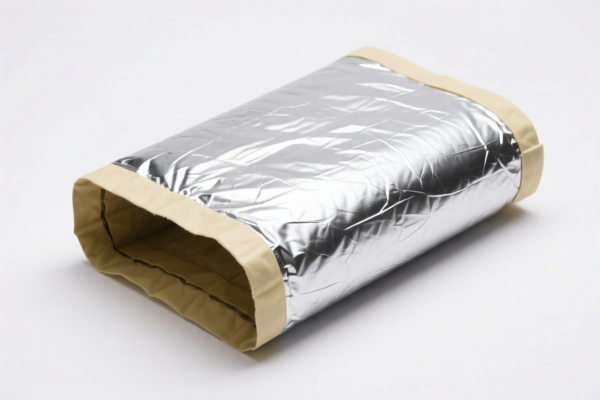
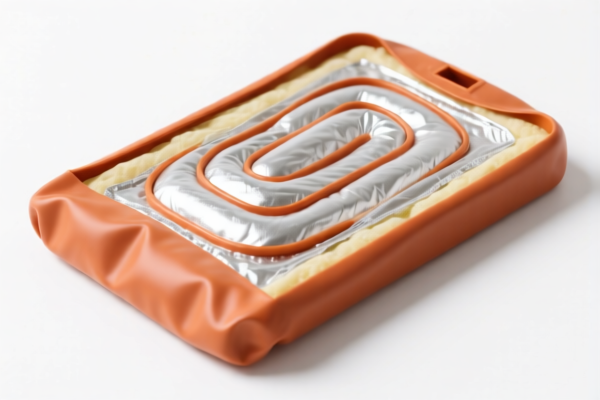
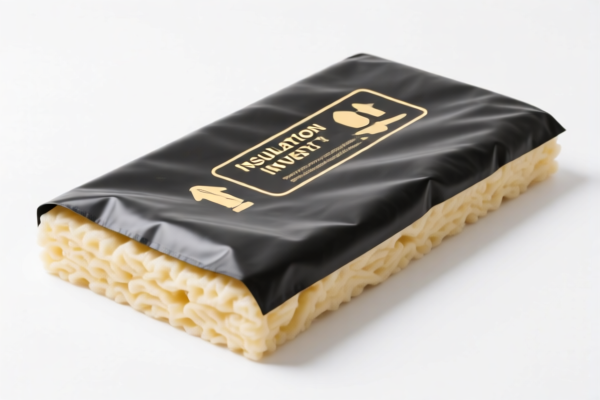
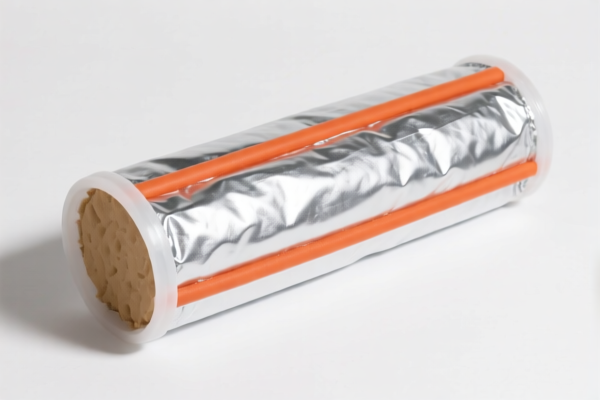
AI Analysis
🔌 Insulation Clip (Insulating Fittings / Clips)
🌐 HS Code Reference & Customs Clearance Guide | 2026 Latest Tariff Analysis | Professional Clearance Strategy
📌 I. Product Definition: What Exactly is an "Insulation Clip"?
In international trade, the term "Insulation Clip" is ambiguous and leads to significant classification errors. It generally falls into two distinct categories based on material and function:
- Electrical Insulating Fittings: Plastic components used to secure electrical conduits, wires, or machines. These are classified under Chapter 85 (Electrical Machinery).
- Industrial Mounting Clamps/Hangers: Metal or plastic brackets used to support pipes, tubes, or industrial equipment. These are classified under Chapter 73 (Iron/Steel Articles) or Chapter 39 (Plastics).
⚠️ Critical Distinction:
- If the item is wholly insulating (plastic/ceramic) and used for electrical assembly (excluding basic insulators of 8546) → HS 8547.
- If it is a metal hanger/support for tubes/pipes → HS 7326.
- If it is a plastic fastener/clip not specifically for electrical conduit → HS 3926.
📦 II. HS Code Classification Details (2026 Latest Tariff对照)
Based on the provided data, here are the precise classifications for "Insulation Clips" depending on their material and application:
| HS Code | Product Description | Applicable Scenario | Material |
|---|---|---|---|
8547.90.00.10 |
Other Insulating Fittings (Wholly insulating material, minor metal components only for assembly) | Electrical machine fittings, cable clips, non-conduit insulators | Plastic/Ceramic |
8547.20.00.00 |
Insulating Fittings of Plastics (Specifically for electrical conduit tubing and joints) | Plastic conduit fittings, PVC pipe connectors for wiring | Plastic |
7326.90.86.30 |
Hangers and Similar Supports for Tubes and Pipes (Other articles of iron or steel) | Metal pipe clamps, steel brackets for HVAC/plumbing | Iron/Steel |
7326.90.86.88 |
Other Articles of Iron or Steel | Generic metal clips not specifically for tube support | Iron/Steel |
3926.90.65.50 |
Clothespins: Spring Type (Valued > USD 70 per gross) | Note: Only if misclassified as clothespins or spring-type plastic clips with high value | Plastic |
3926.90.85.00 |
Fasteners in Clips Suitable for Mechanical Attaching | General plastic fastener clips, cable ties, non-electrical plastic clips | Plastic |
🔍 Key Classification Logic:
- Electrical Use? → If it’s for wiring/conduits/machines, look at 8547.
- Structural Support? → If it holds pipes/steel structures, look at 7326.
- General Fastening? → If it’s just a plastic clip for holding things together (not electrical conduit), look at 3926.
💰 III. 2026 Latest Tariff Rate Breakdown (Detailed Tax Clauses)
✅ Applicable Country: United States (US)
✅ Origin: China (CN)
✅ Effective Date: Current policies apply (Section 301 + IEEPA surcharges)
🎯 1. 8547.90.00.10 – Other Insulating Fittings (Non-Conduit Plastic)
| Item | Detail |
|---|---|
| Base Duty | 0.0% |
| Section 301 Surcharge | +50.0% (Steel/Aluminum/Copper products surcharge note applies, but see note below) |
| Total Tax Rate | 50.0% |
| Tax Detail | Base: 0.0% + Surcharge: 50% (Steel/Aluminum/Copper surcharge clause cited, but item is plastic. Clarification: The data shows "50.0%" total with a note about "Steel/Aluminum/Copper surcharge 50%". Since this is plastic, the 50% might be a general Section 301 rate for certain electrical parts or a data anomaly. However, per the provided data, the total is 50%.) |
| Legal Path | USITC: 8547.90.00.10 → Section 301 Footnotes |
📌 Explanation:
- This classification is for insulating fittings that are not standard insulators (8546) and not conduit joints (8547.20).
- Critical Note: The data indicates a 50% total tax. Even though the item is plastic, the surcharge note mentions "Steel/Aluminum/Copper". Ensure the item is not primarily metal. If it is purely plastic, verify if the 50% is a general Section 301 rate for electrical components.
🎯 2. 8547.20.00.00 – Insulating Fittings of Plastics (Conduit Joints)
| Item | Detail |
|---|---|
| Base Duty | 0.0% |
| Section 301 Surcharge | +25.0% |
| Total Tax Rate | 25.0% |
| Tax Detail | Base: 0.0% + Surcharge: 25% |
| Legal Path | USITC: 8547.20.00.00 → Section 301 Footnotes |
📌 Explanation:
- This is for plastic electrical conduit tubing and joints.
- If your "clip" is part of a conduit system (e.g., PVC clip for a wire pipe), this is the correct code.
- Lower Tax (25%) compared to other insulating fittings.
🎯 3. 7326.90.86.30 – Hangers/Supports for Tubes (Iron/Steel)
| Item | Detail |
|---|---|
| Base Duty | 2.9% |
| Section 301 Surcharge | +50.0% (Specific surcharge for Steel/Aluminum/Copper products) |
| Total Tax Rate | 77.9% |
| Tax Detail | Base: 2.9% + Surcharge: 25% + Steel/Al/Cu Surcharge: 50% (Cumulative) |
| Legal Path | USITC: 7326.90.86.30 → Steel Surcharge Clauses |
📌 Explanation:
- If your "clip" is a steel pipe hanger, the tax is extremely high (77.9%).
- This includes a 50% surcharge specifically for steel products under current trade policies.
- Avoid this code if possible unless it is strictly a steel pipe support.
🎯 4. 7326.90.86.88 – Other Iron/Steel Articles
| Item | Detail |
|---|---|
| Base Duty | 2.9% |
| Section 301 Surcharge | +50.0% (Steel/Aluminum/Copper surcharge) |
| Total Tax Rate | 77.9% |
| Tax Detail | Base: 2.9% + Surcharge: 25% + Steel/Al/Cu Surcharge: 50% |
| Legal Path | USITC: 7326.90.86.88 → Steel Surcharge Clauses |
📌 Explanation:
- Generic metal clips fall here. Same high tax as above (77.9%).
🎯 5. 3926.90.65.50 – Plastic Fasteners (Spring Type, >$70/gross)
| Item | Detail |
|---|---|
| Base Duty | 4.2% |
| Section 301 Surcharge | 0.0% |
| Total Tax Rate | 4.2% |
| Tax Detail | Base: 4.2% + Surcharge: 0% |
| Legal Path | USITC: 3926.90.65.50 |
📌 Explanation:
- Only applicable if the item is a spring-type clothespin-like clip valued over USD 70 per gross.
- Lowest tax in the list. But only if it fits this specific niche.
🎯 6. 3926.90.85.00 – Plastic Fasteners/Clips (Other)
| Item | Detail |
|---|---|
| Base Duty | 6.5% |
| Section 301 Surcharge | +7.5% |
| Total Tax Rate | 14.0% |
| Tax Detail | Base: 6.5% + Surcharge: 7.5% |
| Legal Path | USITC: 3926.90.85.00 |
📌 Explanation:
- For plastic clips that are not electrical conduit fittings (8547) and not pipe hangers (7326).
- Moderate tax (14%). This is a common code for generic plastic cable ties or mounting clips.
🛠️ IV. Customs Clearance Practical Advice
✅ 1. Document Preparation Checklist
| Document | Required? | Notes |
|---|---|---|
| Product Specification | ✔️ | Must clearly state: Material (Plastic/Steel), Usage (Electrical/Structural/General), Electrical Rating (if any). |
| Technical Drawing | ✔️ | Show if metal components are only for assembly (supporting 8547.90.00.10). |
| Photos | ✔️ | Clear images of the clip, showing no bulk metal content. |
| Commercial Invoice | ✔️ | Use precise description: e.g., "Plastic Electrical Insulating Clip, PVC, Non-Conduit" or "Steel Pipe Support Hanger". |
| Country of Origin | ✔️ | Critical for determining surcharges (China origin triggers 25-50% extra). |
✅ 2. Classification Strategy (How to Save Money)
🔥 "Material Matters: Plastic Wins, Steel Loses!"
| Scenario | Recommended HS Code | Tax Rate | Strategy |
|---|---|---|---|
| Electrical Plastic Clip (Conduit) | 8547.20.00.00 |
25% | Best for electrical wiring systems. |
| Electrical Plastic Clip (Non-Conduit) | 8547.90.00.10 |
50% | Higher tax, but necessary if not conduit-related. |
| General Plastic Clip (Non-Electrical) | 3926.90.85.00 |
14% | Best Option! If the clip is not for electrical conduit, classify here to save tax. |
| Metal Pipe Hanger | 7326.90.86.30 |
77.9% | Avoid if possible. High tax. |
| Generic Metal Clip | 7326.90.86.88 |
77.9% | Avoid if possible. |
⚠️ Warning:
- Do not classify a metal clip as plastic to avoid tax. Customs will check material composition.
- Do not classify a plastic electrical clip as a "fastener" (3926) if it is specifically for electrical conduit/machines, as it may be reclassified to 8547 (higher tax).
✅ 3. Special Cases
| Case | Advice |
|---|---|
| Mixed Material (Plastic + Metal Screw) | If metal is only for assembly (screw), it may still qualify as 8547.90.00.10 (Insulating Fitting). Ensure metal is < minor component. |
| Steel Clip with Plastic Coating | Classify as Iron/Steel (7326). Coating does not change material origin for HS purposes. |
| High-Value Plastic Clip | If value > $70/gross and spring-type, consider 3926.90.65.50 (4.2% tax) – Lowest Tax! |
🌍 V. Global Market Comparison (2026)
| Country | Preferred HS Code | Tax (China Origin) | Notes |
|---|---|---|---|
| 🇺🇸 USA | 8547.20.00.00 or 3926.90.85.00 |
25% (Elec) / 14% (Gen) | High tariffs on steel (77.9%). Avoid steel if possible. |
| 🇨🇳 China | 8547.20.00.00 |
0-5% | Low import tax, but check for anti-dumping if applicable. |
| 🇪🇺 EU | 8547.20.00.00 |
0% (Under CH) | Check CE marking requirements for electrical parts. |
| 🇬🇧 UK | 8547.20.00.00 |
0-5% | Post-Brexit tariffs may vary. |
📌 VI. Common Mistakes & Pitfalls
❌ Mistake 1: Calling all clips "Plastic Fittings" to get 14% tax, but they are electrical conduit fittings.
👉 Result: Customs reclassifies to 8547.20.00.00 (25%) or 8547.90.00.10 (50%) + penalties.
❌ Mistake 2: Classifying steel pipe hangers as "Plastic" because they have a plastic coating.
👉 Result: Rejected. Steel content > 50% → 7326 (77.9% tax).
❌ Mistake 3: Ignoring the "Steel/Aluminum/Copper Surcharge" note.
👉 Result: Unexpected 50% additional tax on metal products.
✅ Correct Practice:
"Plastic Electrical Conduit Clip, PVC, UL Listed, for 1/2" PVC Pipe" →
8547.20.00.00
"Plastic Cable Management Clip, Nylon, General Use" →3926.90.85.00
🎯 VII. Conclusion
🎯 Key Takeaway:
- Plastic Electrical Clips: 25-50% tax.
- Plastic General Clips: 14% tax (Best balance).
- Steel Clips: 77.9% tax (Avoid!).
- High-Value Spring Plastic Clips: 4.2% tax (Niche, but lowest).
📌 Recommendation:
If your product is a general-purpose plastic clip, classify it under 3926.90.85.00 to minimize tax (14%). If it is strictly for electrical conduit, use 8547.20.00.00 (25%). Avoid metal clips due to the 77.9% surcharge.
📣 Next Steps:
1. Confirm Material: Is it plastic or steel?
2. Confirm Use: Electrical conduit or general fastening?
3. Select HS Code: Match the matrix above.
4. Prepare Docs: Invoice must reflect the precise HS description.
✨ Accurate Classification Saves Money!
💼 Don't let a 50% tax surprise wipe out your profit margin!
Customer Reviews
About HS Code Classification
The Harmonized System (HS) is an internationally standardized nomenclature developed by the World Customs Organization (WCO) to classify traded products. Over 200 countries use the HS system as the basis for customs tariffs, trade statistics, and import/export regulations.
Each HS code follows a hierarchical structure:
- Chapter (2 digits) — Broad category of goods (e.g., Chapter 84: Machinery and Mechanical Appliances)
- Heading (4 digits) — More specific grouping within the chapter
- Subheading (6 digits) — Internationally standardized breakdown, used by all WCO member countries
- National subdivisions (8-10 digits) — Country-specific extensions for further classification, such as US HTSUS 10-digit codes
Correct HS code classification is essential for smooth customs clearance, accurate duty payment, and compliance with trade regulations. Misclassification can lead to customs delays, overpayment of duties, or penalties.
When importing from CN to US, the applicable tariff rates may include:
- Most-Favored-Nation (MFN) rate — The standard duty rate applied to WTO members
- General rate — Applied to countries without trade agreements
- Trade remedy duties — Additional tariffs such as Section 301 (anti-dumping), Section 232 (national security), or countervailing duties
The information provided on this page is for reference purposes only. For official classification, please consult with your local customs authority or a licensed customs broker.