Insulation Cloth
CN → US| HS Code | Tariff Rate | Origin | Destination | Doc |
|---|---|---|---|---|
| 6812991000 | 35.0% | CN | US | Official Doc |
| 6812999000 | 35.0% | CN | US | Official Doc |
| 5911101000 | 37.9% | CN | US | Official Doc |
| 5911900080 | 38.8% | CN | US | Official Doc |
| 3921121100 | 39.2% | CN | US | Official Doc |
| 3921131100 | 39.2% | CN | US | Official Doc |
Product Images
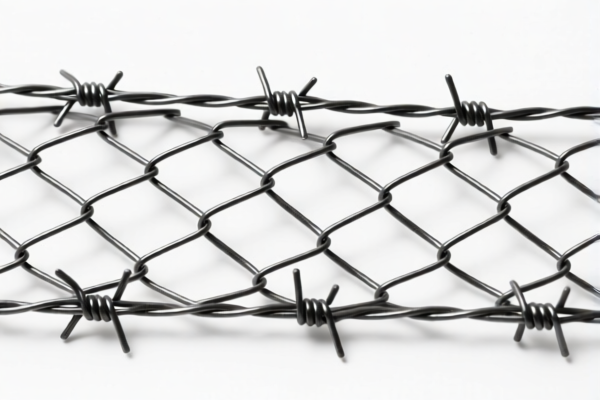
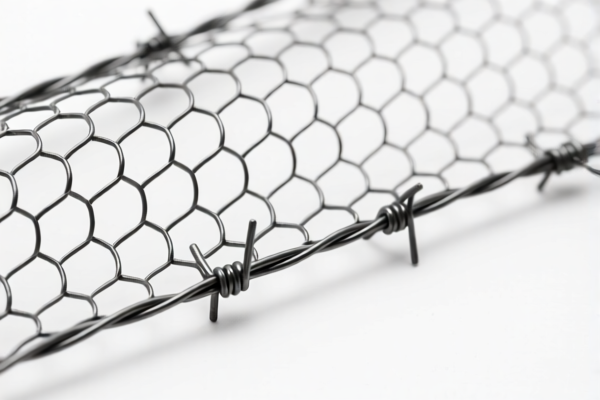
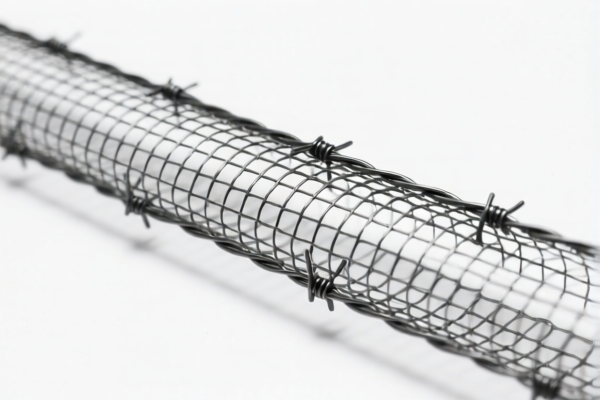
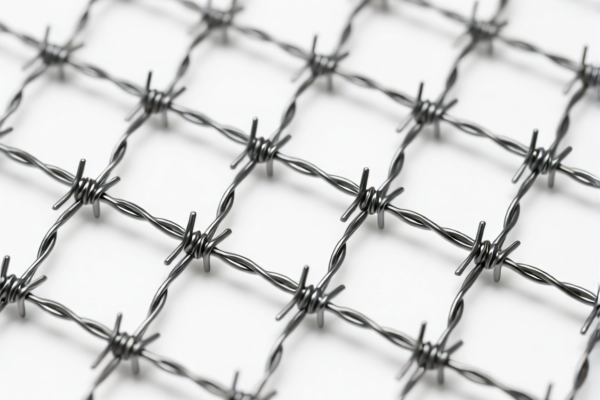
AI Analysis
🧵 Insulation Cloth (Technical Textiles for Heat & Safety)
🌐 HS Code Reference & Customs Clearance Guide | 2026 Latest Tariff Analysis | Professional Clearance Strategy
📌 I. Product Definition & Classification: What is "Insulation Cloth"?
Insulation Cloth is not a single consumer good but a broad category of technical textile products designed for specific industrial, thermal, or mechanical purposes. In international trade, it is rarely classified under generic "clothing" headings. Instead, it falls under Chapter 59 (Textiles impregnated, coated, covered or laminated) or Chapter 68 (Asbestos/Cement products) depending on the material and application.
Key Distinctions: 1. Rubberized/Coated Textiles: Fabrics treated with rubber, latex, or polymers for flexibility, sealing, or wear resistance (e.g., weaving beam covers, card clothing). 2. High-Temperature/Asbestos-Based: Materials using asbestos or mineral fibers for fireproofing or extreme heat insulation (e.g., gaskets, millboard).
⚠️ Critical Distinction Point:
- If the fabric is impregnated with rubber/plastic for technical use (like covering loom beams) → It belongs to Heading 5911.
- If the fabric is made of asbestos fibers or mixtures for thermal insulation → It belongs to Heading 6812.
- General Rule: "Insulation" in trade terms usually refers to technical/industrial insulation, not home thermal blankets (which might be HS 6301 or 9404).
📦 II. HS Code Classification Details (2026 Latest Tariff Authority Match)
Based on the provided <DATA>, here are the specific HS Codes for Insulation Cloth/Technical Textiles, along with their precise tax implications.
| HS Code | Product Description | Application Scenario | Key Material/Feature |
|---|---|---|---|
5911.10.10.00 |
Printers' rubberized blankets / Technical fabrics coated with rubber/leather | Weaving beams, card clothing, printer rollers | Rubber-coated textile, technical use |
5911.90.00.80 |
Other textile products for technical uses | General industrial filters, belts, sleeves | Non-specified technical textile |
6812.99.10.00 |
Articles of asbestos: Paper, millboard, and felt | High-heat insulation gaskets, furnace lining | Asbestos-based, felt/paper form |
6812.99.90.00 |
Articles of asbestos: Other | Asbestos rope, sheet, or custom insulation shapes | Asbestos-based, other forms |
🔍 Focus Analysis:
-5911.10.10.00is specific to rubberized technical fabrics (e.g., for weaving machines or printers). If your "insulation cloth" is actually a rubber-coated fabric used in industrial machinery, this is the code.
-6812.99.10.00and6812.99.90.00are for asbestos-based insulation. Note: Asbestos products are heavily regulated globally due to health risks.
-5911.90.00.80is the "catch-all" for other technical textile products not specified elsewhere.
💰 III. 2026 Latest Tariff Rate Details (Detailed Breakdown)
✅ Applicable Country: United States (US)
✅ Origin: China (CN)
✅ Effective Time: 2025–2026 Period
🎯 1. 5911.10.10.00 — Rubberized Technical Fabrics (e.g., Printer Blankets, Card Clothing)
| Item | Detail |
|---|---|
| Base Tariff | 0.0% (Ad Valorem) |
| Additional Tariff (Section 301) | 0.0% |
| Total Tax Rate | 0.0% |
| Tax Calculation | CIF Value × 0% = $0 |
| De Minimis Eligibility | ✅ Yes (If under $800, generally duty-free) |
| Legal Basis | HTSUS 5911.10.10.00; No specific 301 footnote applies to this subheading in the provided data. |
📌 Explanation:
- This category is tariff-free for Chinese imports in this dataset.
- It covers specific technical textiles like "Printers' rubberized blankets" or fabrics for "card clothing."
- Strategic Advantage: If your insulation cloth can be described as a rubber-coated technical fabric for specific machinery (not general purpose), you may enjoy 0% duty.
🎯 2. 5911.90.00.80 — Other Technical Textile Products
| Item | Detail |
|---|---|
| Base Tariff | 0.0% (Ad Valorem) |
| Additional Tariff (Section 301) | 0.0% |
| Total Tax Rate | 0.0% |
| Tax Calculation | CIF Value × 0% = $0 |
| De Minimis Eligibility | ✅ Yes |
| Legal Basis | HTSUS 5911.90.00.80 |
📌 Explanation:
- This is the fallback category for technical textiles not listed specifically in 5911.10–5911.80.
- Also 0% total tax.
- Caution: Ensure the product truly qualifies as "technical use" (Note 8 to Chapter 59). General-purpose insulation blankets may not qualify.
🎯 3. 6812.99.10.00 & 6812.99.90.00 — Asbestos-Based Insulation (Paper, Felt, Other)
| Item | Detail |
|---|---|
| Base Tariff | 0.0% (Ad Valorem) |
| Additional Tariff (Section 301) | +25.0% |
| Total Tax Rate | 25.0% |
| Tax Calculation | CIF Value × 25% |
| De Minimis Eligibility | ❌ No (Asbestos is prohibited/restricted; often denied de minimis or subject to strict EPA/CBP bans) |
| Legal Basis | HTSUS 6812.99.10.00 / 6812.99.90.00; USITC Footnote for 301 Tariffs. |
📌 Explanation:
- High Risk Category: These codes apply to asbestos products.
- 25% Surcharge: While the base duty is 0%, the 25% Section 301 tariff applies.
- Regulatory Warning: Importing asbestos into the US is heavily restricted by the EPA. Most asbestos products are banned from commercial import.
- Action: If your "insulation cloth" contains asbestos, do not proceed without legal clearance. It is likely illegal to import. If it is asbestos-free (e.g., glass wool, ceramic fiber), it does not belong here.
🛠️ IV. Customs Clearance Practical Advice (Battle-Tested Pitfalls Guide)
✅ 1. Documentation Checklist (Non-Negotiable)
| Document | Required? | Purpose |
|---|---|---|
| ✅ Product Specification Sheet | ✔️ | Must explicitly state: "Asbestos-Free" (if applicable), material composition, and technical use. |
| ✅ Material Safety Data Sheet (MSDS) | ✔️ | Crucial for 6812 codes to prove/disprove asbestos content. |
| ✅ Commercial Invoice | ✔️ | Clearly describe as "Technical Textile, Rubber-Coated" or "Glass Fiber Insulation Cloth," not just "Insulation Cloth." |
| ✅ Certificate of Origin | ✔️ | To prove China origin and apply correct 301 tariffs. |
| ✅ Usage Statement | ✔️ | Explain technical purpose (e.g., "For covering weaving spindles") to justify HS 5911. |
✅ 2. Declaration Strategy (Key Mnemonic)
🔥 "Specify Use, Avoid Asbestos, Rubber Gets Zero!"
| Scenario | Correct Declaration | Wrong Declaration | Consequence |
|---|---|---|---|
| Rubber-coated fabric for machines | 5911.10.10.00 + "Rubberized Technical Fabric" |
"Insulation Cloth" | May be misclassified → Audit risk |
| Glass Fiber/Ceramic Cloth | Not in Dataset (Likely 5911.90 or 6811) | 6812.99.90.00 |
Illegal if asbestos-free; Wrong Code |
| Asbestos-free Gasket Material | 5911.90.00.80 |
6812.99.10.00 |
25% Penalty + EPA Violation |
| General Purpose Heat Blanket | 5911.90.00.80 |
5911.10.10.00 |
Over-specific claim → Rejection |
✅ 3. Special Handling for Asbestos vs. Non-Asbestos
| Situation | Recommendation |
|---|---|
| Product contains Asbestos | ❌ DO NOT IMPORT. US EPA bans most asbestos. Even 6812 codes require strict EPA permit, often denied. |
| Product is Asbestos-Free (e.g., PTFE, Ceramic) | ✅ Use 5911.90.00.80 or other non-6812 codes. Explicitly state "ASBESTOS-FREE" on invoice and packing list. |
| Product is Rubberized Textile | ✅ Use 5911.10.10.00 if it fits the "card clothing/printer blanket" description. Enjoy 0% duty. |
🌍 V. Global Market Clearance Comparison (2026 Snapshot)
| Country/Region | Recommended HS Code | Tariff | Certification | Note |
|---|---|---|---|---|
| 🇺🇸 USA | 5911.10.10.00 / 5911.90.00.80 |
0% | None specific | Best for rubberized textiles |
| 🇺🇸 USA | 6812.99.10.00 |
25% | EPA Permit | High Risk/Banned for most asbestos |
| 🇨🇳 China | 5911.10.10.00 |
0% | N/A | Export from China |
| 🇪🇺 EU | 5911 10 / 5911 90 | 0% | REACH (Chemical) | Strict chemical regulations for rubber coatings |
| 🇬🇧 UK | 5911 10 / 5911 90 | 0% | UKCA | Post-Brexit alignment with EU |
📌 Conclusion:
- US Market: Rubberized technical textiles (5911) are duty-free (0%). Asbestos (6812) is taxed 25% and heavily restricted.
- Strategy: Repackage or redefine your product to fit5911(e.g., "Rubber-Coated Industrial Sleeve") if possible, to enjoy 0% duty. Avoid6812unless legally permitted.
📌 VI. Common Mistakes & Pitfalls (Blood & Tears Lessons)
❌ Mistake 1: Using "Insulation Cloth" as the sole description.
👉 Consequence: Customs cannot determine if it's rubber, asbestos, or glass fiber. Leads to Hold and Inspection.
❌ Mistake 2: Classifying asbestos-free ceramic cloth as 6812.99.90.00.
👉 Consequence: EPA Violation. Even if asbestos-free, if described as asbestos code, it triggers automatic rejection. Must declare as non-asbestos.
❌ Mistake 3: Assuming all "Technical Textiles" are 0%.
👉 Consequence: If the product is actually a plastic-coated fabric (e.g., PVC insulation), it might fall under Chapter 39 (Plastics), which has 29.2% tariff (e.g., 3921.12.11.00).
✅ Correct Practice:
"Rubber-Coated Polyester Fabric for Industrial Weaving Beams, Asbestos-Free, Model XYZ"
🎯 VII. Conclusion: Professional Declaration Saves Money & Avoids Bans
🎯 Remember the Mantra:
🔹 "Rubberized = 0% Duty (if technical). Asbestos = 25% + BAN. General = Check Chapter 39 or 5911."
🔹 "HS Code Dictates Cost: 0% vs 25% vs Illegal!"
📌 Pro Tip:
If your insulation cloth is plastic-coated (PVC/PU) and not rubber, check Chapter 39 (3921). It has a 29.2% tariff (3921.12.11.00).
Comparison:
- Rubber-coated (5911.10.10.00): 0%
- Plastic-coated (3921.12.11.00): 29.2%
Action: Ensure your product is truly rubber-impregnated to qualify for the lower duty rate.
📣 Immediate Action:
📞 Confirm material composition (Rubber vs. Plastic vs. Asbestos).
📄 Provide "Asbestos-Free" certificate if using non-6812 codes.
🚀 Declare with precise technical description to avoid audits.
✨ Professional Clearance Starts with Precise Classification!
💼 Your Every Penny Counts – Don't Let Misclassification Cost You 25% or Get Your Shipment Banned!
Customer Reviews
About HS Code Classification
The Harmonized System (HS) is an internationally standardized nomenclature developed by the World Customs Organization (WCO) to classify traded products. Over 200 countries use the HS system as the basis for customs tariffs, trade statistics, and import/export regulations.
Each HS code follows a hierarchical structure:
- Chapter (2 digits) — Broad category of goods (e.g., Chapter 84: Machinery and Mechanical Appliances)
- Heading (4 digits) — More specific grouping within the chapter
- Subheading (6 digits) — Internationally standardized breakdown, used by all WCO member countries
- National subdivisions (8-10 digits) — Country-specific extensions for further classification, such as US HTSUS 10-digit codes
Correct HS code classification is essential for smooth customs clearance, accurate duty payment, and compliance with trade regulations. Misclassification can lead to customs delays, overpayment of duties, or penalties.
When importing from CN to US, the applicable tariff rates may include:
- Most-Favored-Nation (MFN) rate — The standard duty rate applied to WTO members
- General rate — Applied to countries without trade agreements
- Trade remedy duties — Additional tariffs such as Section 301 (anti-dumping), Section 232 (national security), or countervailing duties
The information provided on this page is for reference purposes only. For official classification, please consult with your local customs authority or a licensed customs broker.