Insulation Cover
CN → US| HS Code | Tariff Rate | Origin | Destination | Doc |
|---|---|---|---|---|
| 6814900000 | 37.6% | CN | US | Official Doc |
| 7019905150 | 39.3% | CN | US | Official Doc |
| 3926305000 | 22.8% | CN | US | Official Doc |
| 6814100000 | 37.7% | CN | US | Official Doc |
| 7019809000 | 39.3% | CN | US | Official Doc |
Product Images
AI Analysis
🔥 Insulation Cover (Industrial Heat Shields)
🌐 HS Code Reference & Customs Clearance Guide | 2026 Latest Tariff Analysis | Professional-Level Compliance Strategy
📌 I. Product Definition & Classification: What Exactly is an "Insulation Cover"?
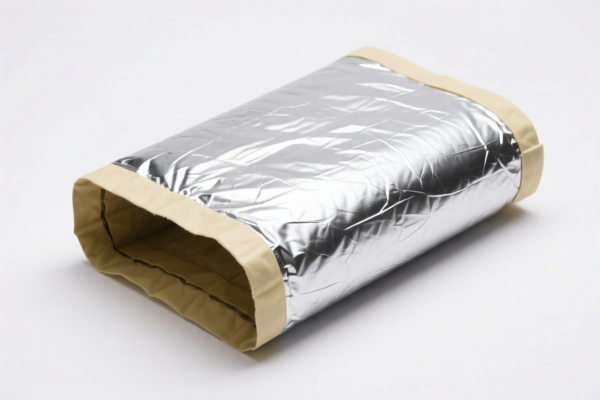
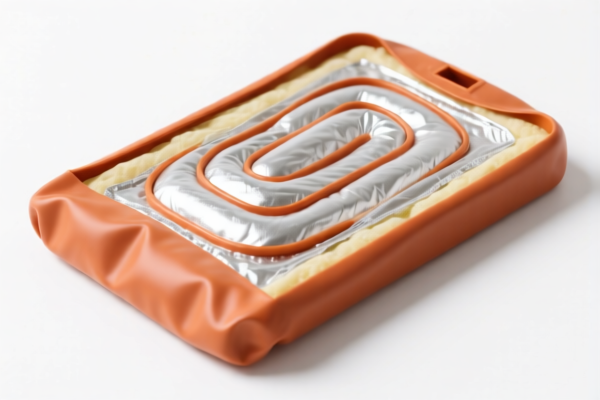
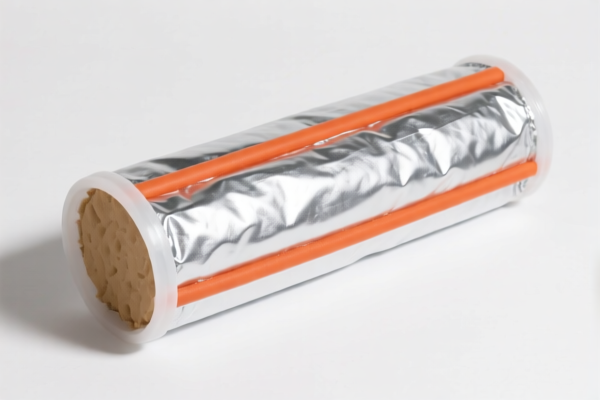
Insulation Covers (also known as Heat Shields, Thermal Insulators, or Protective Sleeves) are critical components in industrial, automotive, and construction sectors designed to protect equipment from high temperatures, retain heat, or provide electrical insulation.
In international trade, these products are NOT classified as a single unit. Instead, they are categorized strictly based on their material composition: 1. Mica-based Covers: High heat resistance, often used in extreme industrial environments. 2. Glass Fiber/Glass Wool Covers: Flexible, non-woven, used for general high-temperature insulation. 3. Plastic/Polymer Covers: Used for lower-temperature protection, cable management, or specific protective functions.
⚠️ Key Distinction Point:
- If the cover is made primarily of Mica → It falls under Chapter 68.
- If the cover is made primarily of Glass Fiber/Glass Wool → It falls under Chapter 70.
- If the cover is made primarily of Plastic/Rubber → It falls under Chapter 39.🚫 Critical Warning: Do not misclassify a Mica cover as a Plastic cover to avoid tariffs. Customs will inspect material composition via lab tests.
📦 II. HS Code Classification Details (2026 Latest Tariff Authority Mapping)
Based on the provided data, here is the precise mapping of Insulation Covers to HS Codes based on material:
| HS Code | Product Description & Material Basis | Application Scenario | Tax Rate (Total) |
|---|---|---|---|
6814.90.00.00 |
Mica-based Insulation Cover: Based on other mica products classification; suitable for industrial use. | Industrial heat shields, high-temp insulation pads made from processed mica. | 37.6% |
7019.90.51.50 |
Glass Fiber Insulation Cover: Matches glass fiber material; high-temperature resistant, non-specific form. | Flexible glass fiber sleeves, industrial pipe insulation, high-temp cable covers. | 39.3% |
3926.30.50.00 |
Plastic/Polymer Insulation Cover: Classified as other plastic articles/connectors; suitable for connection/protection functions. | Lower-temp protective sleeves, cable organizers, plastic heat shields for consumer electronics. | 22.8% |
6814.10.00.00 |
Mica Sheet/Cover: Based on mica products classification; suitable for cover/shell forms. | Rigid or semi-rigid mica covers, shells, or plates used for heat insulation. | 37.7% |
7019.80.90.00 |
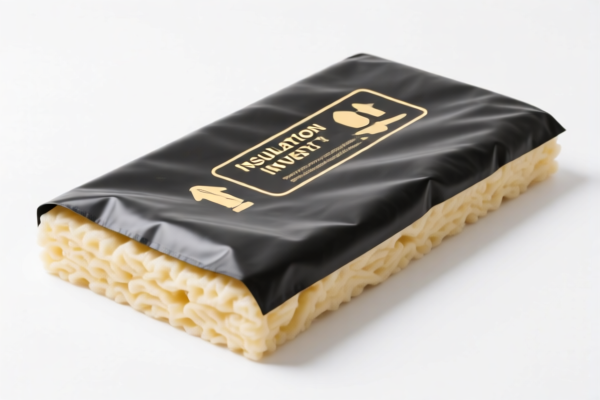
Glass Wool/Other Glass Fibers: Matches glass fiber or glass wool; classified under "Other" articles of glass wool. | Non-woven glass wool blankets, loose-fill insulation, or complex glass fiber shapes. | 39.3% |
🔍 Key Insight:
- Mica Products (Ch 68) and Glass Products (Ch 70) face significantly higher tariffs (~37-39%) due to additional duties.
- Plastic Products (Ch 39) have the lowest tariff rate (22.8%), making them more cost-effective if the application allows.
- The difference between6814.90.00.00and6814.10.00.00lies in the form: "Other" processed mica vs. "Sheets/Plates" (covers/shells).
💰 III. 2026 Latest Tariff Rate Breakdown (Including Surcharges & Policy Add-ons)
✅ Applicable Country: United States (US)
✅ Country of Origin: China (CN)
✅ Effective Date: Current rates include Section 301, 122, and Base Duties.
🎯 1. Mica-Based Covers (6814.90.00.00 & 6814.10.00.00)
| Item | Details |
|---|---|
| Base Duty | 2.6% - 2.7% (Ad Valorem) |
| Section 301 Duty | +25.0% (China-specific additional tariff) |
| Section 122 Duty | +10.0% (Special industrial/security surcharge) |
| Total Tax Rate | 37.6% - 37.7% |
| Calculation | CIF Value × (1 + Base + 301 + 122) |
| Legal Path | USITC:6814.90.00.00 → SECTION301:25% → SECTION122:10% |
📌 Explanation:
- Mica is considered a strategic mineral in some contexts, hence the Section 122 (10%) surcharge.
- Section 301 (25%) applies to all Chinese-origin goods in this category unless exempted.
- Total burden: ~37.7%. This is a high-cost category.
🎯 2. Glass Fiber/Glass Wool Covers (7019.90.51.50 & 7019.80.90.00)
| Item | Details |
|---|---|
| Base Duty | 4.3% (Ad Valorem) |
| Section 301 Duty | +25.0% |
| Section 122 Duty | +10.0% |
| Total Tax Rate | 39.3% |
| Calculation | CIF Value × (1 + 4.3% + 25% + 10%) |
| Legal Path | USITC:7019.90.51.50 → SECTION301:25% → SECTION122:10% |
📌 Note:
- Glass fiber products face the highest total tax rate (39.3%).
- Higher base duty (4.3%) vs. Mica (2.6%) makes this category even more expensive.
- Commonly used in HVAC and industrial piping; ensure accurate material declaration.
🎯 3. Plastic/Polymer Covers (3926.30.50.00)
| Item | Details |
|---|---|
| Base Duty | 5.3% (Ad Valorem) |
| Section 301 Duty | +7.5% (Reduced Section 301 rate for certain plastic articles) |
| Section 122 Duty | +10.0% |
| Total Tax Rate | 22.8% |
| Calculation | CIF Value × (1 + 5.3% + 7.5% + 10%) |
| Legal Path | USITC:3926.30.50.00 → SECTION301:7.5% → SECTION122:10% |
📌 Advantage:
- Lowest total tax rate (22.8%).
- Section 301 rate is only 7.5% (vs. 25% for mica/glass), likely due to specific exclusions or subcategory treatments for certain plastic articles.
- Strategy: If your insulation cover can be made from high-temp plastics (e.g., PTFE, Silicone-coated fiberglass with plastic binding) without compromising performance, this is the most cost-effective classification.
🛠️ IV. Customs Clearance Practical Advice (Avoiding Pitfalls)
✅ 1. Documentation Checklist (Must-Haves)
| Document | Required? | Purpose |
|---|---|---|
| ✅ Product Specification Sheet | ✔️ | Must clearly state Material Composition (e.g., "90% Mica, 10% Silicone Binder") |
| ✅ Material Safety Data Sheet (MSDS) | ✔️ | Proves chemical composition, especially for plastic covers |
| ✅ Product Photos (Close-up) | ✔️ | Show texture, weave, or layering to prove glass fiber vs. mica |
| ✅ Commercial Invoice | ✔️ | Must describe product as "Insulation Cover" + Material (e.g., "Mica Insulation Cover") |
| ✅ Packing List | ✔️ | Ensure no mixed materials in one shipment that could confuse customs |
| ✅ Certificate of Origin | ✔️ | To prove China origin for tariff calculation |
✅ 2. Declaration Strategy (Key Rules)
🔥 “Material Dictates Code, Code Dictates Tax!”
| Scenario | Correct HS Code | Risk if Misclassified |
|---|---|---|
| Mica-based shield | 6814.90.00.00 |
Misclassifying as Plastic (3926) → Severe Penalty + Back Taxes |
| Glass Fiber sleeve | 7019.90.51.50 |
Misclassifying as Mica → Underpayment Penalty |
| Plastic protective cover | 3926.30.50.00 |
Misclassifying as Glass → Higher Tax (39.3% vs 22.8%) |
| Mixed Material (e.g., Mica + Plastic) | Depends on Essential Character | Must declare primary material. If plastic is just a binder, still Mica. |
✅ 3. Special Case Handling
| Situation | Advice |
|---|---|
| OEM Custom Covers | Provide design drawings highlighting material layers. |
| High-Temp vs. Low-Temp | If temperature resistance < 200°C, consider Plastic (3926) for lower taxes. |
| Glass Wool vs. Glass Fiber | 7019.80.90.00 (Wool/Felt) vs 7019.90.51.50 (Fiber/Weave). Structure matters. |
| Section 301 Exemptions | Check if your specific plastic article (e.g., 3926.30.50.00) is on the Exclusion List for the 7.5% rate. |
🌍 V. Global Market Comparison (2026)
| Country | Recommended HS Code | Approx. Total Tax (China Origin) | Notes |
|---|---|---|---|
| 🇺🇸 USA | 6814.90.00.00 / 7019.90.51.50 / 3926.30.50.00 |
22.8% - 39.3% | Includes Sec 301 & 122. |
| 🇨🇳 China | Same HS Codes | 5% - 10% | Lower base duties, no Sec 301. |
| 🇪🇺 EU | Varies by Material | 4% - 6.5% | No Sec 301. VAT applies separately. |
| 🇦🇺 Australia | Same HS Codes | 5% | No major surcharges. |
📌 Conclusion:
- The USA market is the most tax-sensitive due to additional tariffs.
- Plastic-based covers (3926.30.50.00) offer a ~16-17% tax advantage over Mica/Glass covers in the US.
📌 VI. Common Errors & Pitfalls (Lessons Learned)
❌ Error 1: Declaring "Insulation Cover" without specifying material.
👉 Consequence: Customs will classify under the highest default duty or hold shipment for lab testing.
❌ Error 2: Classifying a Mica cover as Plastic to save taxes.
👉 Consequence: Customs lab test reveals mica content → Back taxes (15% difference) + Penalty.
❌ Error 3: Confusing Glass Fiber with Glass Wool.
👉 Consequence: Wrong HS code → Delayed clearance. Glass Fiber is woven/structured; Glass Wool is fibrous/loose.
✅ Correct Declaration Example:
"Mica Insulation Cover, Industrial Use, Material: 95% Mica, 5% Silicone Binder, HS Code: 6814.90.00.00"
🎯 VII. Conclusion: Smart Classification, Higher Profit!
🎯 Remember:
🔹 “Material First, Tax Second!”
🔹 “Plastic saves 16% vs Mica in the US Market!”
🔹 “Don’t let wrong HS code eat your profit margin!”
📌 Pro Tip:
If you are designing a new insulation cover, consider using high-temperature plastics (e.g., PTFE, PEEK) or plastic-bound composites where technically feasible. This allows classification under 3926.30.50.00 (22.8%) instead of 6814 or 7019 (37-39%), saving significant costs.
📣 Immediate Action:
📞 Consult with a licensed customs broker.
📄 Provide material test reports to justify your HS Code.
🚀 Optimize supply chain for maximum tariff efficiency.
✨ Professional clearance starts with accurate classification!
💼 Every percentage point saved is pure profit!
Customer Reviews
About HS Code Classification
The Harmonized System (HS) is an internationally standardized nomenclature developed by the World Customs Organization (WCO) to classify traded products. Over 200 countries use the HS system as the basis for customs tariffs, trade statistics, and import/export regulations.
Each HS code follows a hierarchical structure:
- Chapter (2 digits) — Broad category of goods (e.g., Chapter 84: Machinery and Mechanical Appliances)
- Heading (4 digits) — More specific grouping within the chapter
- Subheading (6 digits) — Internationally standardized breakdown, used by all WCO member countries
- National subdivisions (8-10 digits) — Country-specific extensions for further classification, such as US HTSUS 10-digit codes
Correct HS code classification is essential for smooth customs clearance, accurate duty payment, and compliance with trade regulations. Misclassification can lead to customs delays, overpayment of duties, or penalties.
When importing from CN to US, the applicable tariff rates may include:
- Most-Favored-Nation (MFN) rate — The standard duty rate applied to WTO members
- General rate — Applied to countries without trade agreements
- Trade remedy duties — Additional tariffs such as Section 301 (anti-dumping), Section 232 (national security), or countervailing duties
The information provided on this page is for reference purposes only. For official classification, please consult with your local customs authority or a licensed customs broker.