Insulation Device
CN → US| HS Code | Tariff Rate | Origin | Destination | Doc |
|---|---|---|---|---|
| 8547200000 | 35.0% | CN | US | Official Doc |
| 8547900010 | 89.6% | CN | US | Official Doc |
| 8546900000 | 35.0% | CN | US | Official Doc |
| 8546200090 | 38.0% | CN | US | Official Doc |
| 3926904590 | 38.5% | CN | US | Official Doc |
| 3926909989 | 22.8% | CN | US | Official Doc |
Product Images
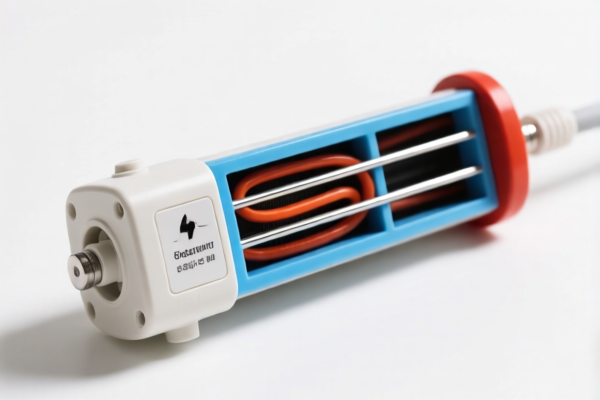
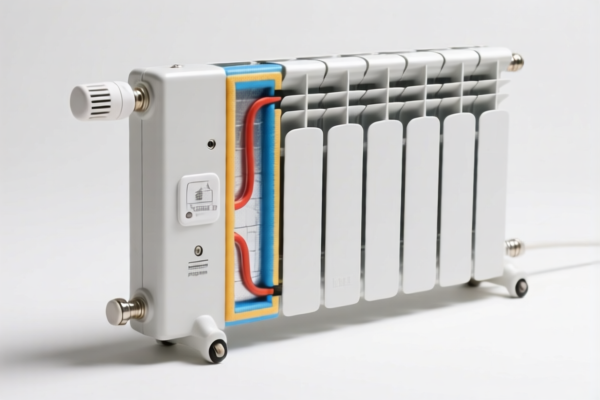
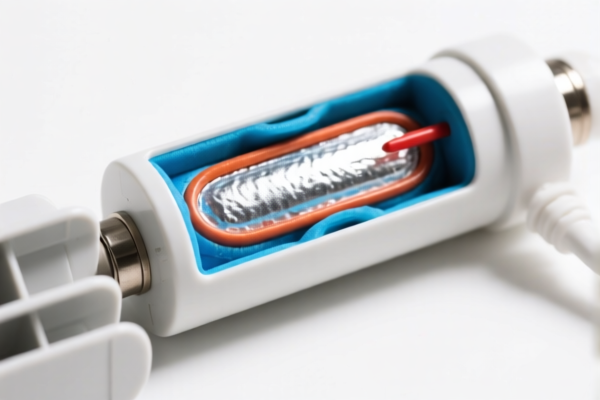
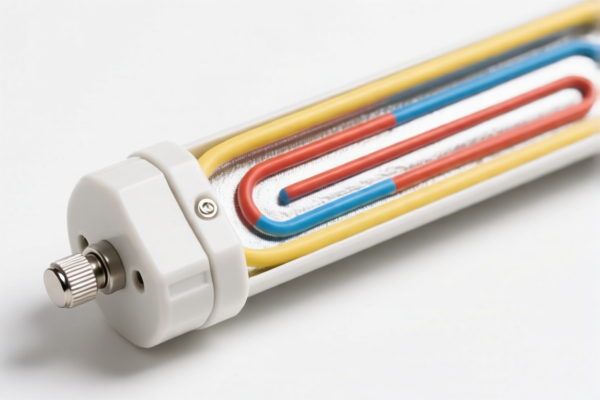
AI Analysis
🔌 Insulation Device (Electrical Insulating Fittings & Components)
🌐 HS Code Reference & Customs Clearance Guide | 2026 Latest Tariff Analysis | Professional Clearance Strategy
📌 1. Product Definition: What is an "Insulation Device"?
In international trade, "Insulation Device" is a broad term. To ensure accurate customs clearance, it must be distinguished between pure insulating fittings (components used in machinery/equipment) and general plastic parts, or electrical insulators (poles/standards). The classification depends heavily on the material and specific function.
⚠️ Key Distinction:
- If it is a fitting (joint, bushing, tube) wholly of insulating material (e.g., plastic/ceramic) used in electrical equipment → Chapter 85.
- If it is a general plastic seal/gasket → Chapter 39.
- If it is a stand-alone insulator (e.g., for power lines) → Chapter 85 (Heading 8546).
📦 2. HS Code Classification Details (2026 Latest Tariff Database)
Based on the provided data, here are the possible HS Codes for "Insulation Devices," categorized by material and specific type:
| HS Code | Product Description | Applicable Scenario | Material Type |
|---|---|---|---|
8547.20.00.00 |
Insulating fittings of plastics | Fittings wholly of insulating material (minor metal parts for assembly only) | Plastics |
8547.90.00.10 |
Other insulating fittings (Steel/Aluminum/Copper lined) | Base metal fittings lined with insulating material | Base Metal + Insulator |
8546.90.00.00 |
Electrical insulators (Other) | Stand-alone insulators not of ceramics (e.g., glass, other materials) | Glass/Other |
8546.20.00.90 |
Electrical insulators of ceramics (Other) | Ceramic insulators (e.g., porcelain bushings, line insulators) | Ceramics |
3926.90.45.90 |
Gaskets, washers, and other seals (Other) | Plastic seals/gaskets, not specifically electrical fittings | Plastics |
3926.90.99.89 |
Other articles of plastics (Other) | General plastic articles not classified elsewhere | Plastics |
🔍 Critical Note:
- Heading 8547 applies to fittings (like bushings, tubes, joints) used within electrical machines/appliances.
- Heading 8546 applies to insulators (like poles, standard insulators) used for support or separation.
- Chapter 39 applies only if the item is a general purpose seal or plastic part, not specifically designed as an electrical fitting/insulator. Misclassification here leads to severe penalties.
💰 3. 2026 Latest Tariff Rate Detailed Explanation (US Import)
✅ Applicable Country: United States (US)
✅ Origin: China (CN)
✅ Effective Time: Current trade war tariffs remain in effect.
🎯 1. 8547.20.00.00 – Insulating Fittings of Plastics
| Item | Content |
|---|---|
| Basic Tariff | 0.0% |
| Additional Tariff (Section 301) | +25.0% |
| Total Tax Rate | 25.0% |
| Tax Calculation | CIF Value × 25% |
| Legal Basis | USITC Heading 8547.20.00.00 + Section 301 Footnote |
📌 Explanation:
- Plastic insulating fittings (e.g., plastic bushings, conduit joints) fall under this code.
- Subject to 25% additional tariff due to Section 301 trade measures against China.
- No de minimis exemption for commercial shipments.
🎯 2. 8547.90.00.10 – Other Insulating Fittings (Base Metal Lined)
| Item | Content |
|---|---|
| Basic Tariff | 0.0% |
| Section 301 Additional Tariff | 0.0% |
| Metal Products Additional Tariff | +50.0% |
| Total Tax Rate | 50.0% |
| Tax Calculation | CIF Value × 50% |
| Legal Basis | USITC Heading 8547.90.00.10 + Metal Products Trade Measure |
📌 Explanation:
- This code is for fittings made of base metal (steel, aluminum, copper) lined with insulating material.
- Due to the metal component, it triggers the 50% additional tariff on steel/aluminum/copper products from China.
- High Risk: This is the highest tax rate in the dataset. Ensure the product is not misclassified as plastic.
🎯 3. 8546.90.00.00 – Electrical Insulators (Other)
| Item | Content |
|---|---|
| Basic Tariff | 0.0% |
| Section 301 Additional Tariff | +25.0% |
| Total Tax Rate | 25.0% |
| Tax Calculation | CIF Value × 25% |
| Legal Basis | USITC Heading 8546.90.00.00 + Section 301 Footnote |
📌 Explanation:
- Includes insulators made of glass or other non-ceramic materials.
- Subject to the standard 25% Section 301 tariff.
🎯 4. 8546.20.00.90 – Electrical Insulators of Ceramics
| Item | Content |
|---|---|
| Basic Tariff | 0.0% |
| Additional Tariff | 0.0% |
| Total Tax Rate | 0.0% |
| Tax Calculation | No Tax |
| Legal Basis | USITC Heading 8546.20.00.90 |
📌 Explanation:
- Ceramic insulators (e.g., porcelain bushings, high-voltage ceramic insulators) are exempt from additional tariffs.
- Lowest Cost Option: If your product can be classified here, it is the most tariff-efficient choice.
- Verification: Must be strictly ceramic. If it contains significant plastic or metal lining, it may be reclassified.
🎯 5. 3926.90.45.90 – Plastic Gaskets, Washers, Seals
| Item | Content |
|---|---|
| Basic Tariff | 3.5% |
| Section 301 Additional Tariff | +25.0% |
| Total Tax Rate | 28.5% |
| Tax Calculation | CIF Value × 28.5% |
| Legal Basis | USITC Heading 3926.90.45.90 + Section 301 Footnote |
📌 Explanation:
- Only applies if the item is a general-purpose gasket/seal, not an electrical fitting.
- If customs determines it is an electrical fitting, it will be reclassified to Chapter 85 (25% tax).
- Risk: Misclassification penalty.
🎯 6. 3926.90.99.89 – Other Plastic Articles
| Item | Content |
|---|---|
| Basic Tariff | 5.3% |
| Section 301 Additional Tariff | +7.5% |
| Total Tax Rate | 12.8% |
| Tax Calculation | CIF Value × 12.8% |
| Legal Basis | USITC Heading 3926.90.99.89 + Section 301 Footnote |
📌 Explanation:
- Least specific plastic category.
- Applies only if the item is not a fitting (Ch 85) and not a gasket (Ch 39 specific code).
- Lower Tax (12.8%) but High Risk: Customs will likely reject this if the item has electrical insulation purposes.
🛠️ 4. Customs Clearance Practical Advice (Avoid Pitfalls)
✅ 1. Documentation Checklist (Essential)
| Document | Required | Purpose |
|---|---|---|
| ✅ Product Technical Specification | ✔️ | Must specify material (Ceramic vs. Plastic vs. Metal-lined) |
| ✅ Material Composition Statement | ✔️ | Critical for distinguishing Ch 85 vs. Ch 39 |
| ✅ Product Photos (Clear) | ✔️ | Show if it has metal parts, lining, or is pure insulator |
| ✅ Certificate of Origin (CO) | ✔️ | For origin verification |
| ✅ Commercial Invoice | ✔️ | Describe as "Ceramic Insulator" or "Plastic Insulating Fitting," NOT generic "Insulation Device" |
✅ 2. Declaration Tips (Key Mantra)
🔥 "Material Defines Code, Ceramic is Free, Metal is Expensive!"
| Scenario | Correct HS Code | Tax Rate | Error Risk |
|---|---|---|---|
| Pure Ceramic Insulator | 8546.20.00.90 |
0% | Low (if verified) |
| Plastic Bushing/Fitting | 8547.20.00.00 |
25% | Medium (if confused with Ch 39) |
| Metal Lined with Insulator | 8547.90.00.10 |
50% | High (if misdeclared as plastic) |
| General Plastic Gasket | 3926.90.45.90 |
28.5% | High (if it’s an electrical fitting) |
✅ 3. Special Handling Cases
| Case | Advice |
|---|---|
| Composite Materials | If a plastic fitting has a metal screw embedded only for assembly, it still falls under 8547.20.00.00 (25%). Do not declare as metal. |
| Ceramic vs. Plastic | Ensure the ceramic is the primary insulating material. If it’s plastic with ceramic coating, it may be 8547.20.00.00. |
| Electrical Conduit Joints | If it’s a plastic joint for electrical conduit, it’s 8547.20.00.00 (25%). If it’s metal conduit with plastic lining, it’s 8547.90.00.10 (50%). |
| General Seals | If the item is a simple O-ring or gasket not for electrical use, it can be 3926.90.45.90 (28.5%). If it’s an electrical bushing, it’s Ch 85. |
🌍 5. Global Market Comparison (2026)
| Country/Region | Recommended HS Code | Tariff (China Origin) | Key Certification | Remarks |
|---|---|---|---|---|
| 🇺🇸 USA | 8546.20.00.90 (Ceramic) |
0% | No specific | Best for cost |
| 🇺🇸 USA | 8547.20.00.00 (Plastic) |
25% | UL/CE recommended | Standard for plastic fittings |
| 🇺🇸 USA | 8547.90.00.10 (Metal) |
50% | UL/CE recommended | Avoid if possible |
| 🇨🇳 China | 8546.20.00.90 |
5.3% | CCC | Lower export tax |
| 🇪🇺 EU | 8546.20.00.90 |
0% | CE | No Section 301 equivalent |
📌 Conclusion:
- USA Market: Ceramic insulators (8546.20.00.90) are the most tariff-efficient (0%).
- Plastic fittings face 25% tax.
- Metal-lined items face 50% tax – avoid this classification if possible.
📌 6. Common Mistakes & Pitfalls (Lessons Learned)
❌ Mistake 1: Declaring "Insulation Device" generically
👉 Consequence: Customs may assign a default higher rate or reject the entry.
✅ Fix: Specify material (e.g., "Ceramic Electrical Insulator").
❌ Mistake 2: Misclassifying Plastic Fittings as "Other Plastic Articles" (3926.90.99.89)
👉 Consequence: If customs determines it’s an electrical fitting, they will reclassify to 8547.20.00.00 (25%) + penalties.
✅ Fix: Use correct Chapter 85 code for electrical fittings.
❌ Mistake 3: Ignoring Metal Lining in Fittings
👉 Consequence: If a fitting has metal lining, it falls under 8547.90.00.10 (50%).
✅ Fix: Accurate material disclosure is critical.
🎯 7. Final Recommendation
🎯 Key Takeaway:
🔹 "Ceramic is Free, Plastic is 25%, Metal is 50%!"
🔹 "Always specify the exact material and function in the description."
🔹 "If it’s an electrical fitting, use Chapter 85. If it’s a general plastic part, use Chapter 39."
📌 Pro Tip:
If you are importing plastic insulating fittings, consider if a ceramic alternative is feasible for the US market to save 25% in tariffs. For metal-lined items, explore design changes to reduce metal content if possible.
📣 Action Required:
📞 Contact your customs broker with product samples and technical specs.
📝 Request a Binding Ruling (Preliminary Ruling) from US CBP if the classification is ambiguous.
🚀 Clearance Success depends on accurate HS Code selection!
✨ Precise Classification, Lower Costs, Faster Clearance!
💼 Your supply chain efficiency starts with the right HS Code!
Customer Reviews
About HS Code Classification
The Harmonized System (HS) is an internationally standardized nomenclature developed by the World Customs Organization (WCO) to classify traded products. Over 200 countries use the HS system as the basis for customs tariffs, trade statistics, and import/export regulations.
Each HS code follows a hierarchical structure:
- Chapter (2 digits) — Broad category of goods (e.g., Chapter 84: Machinery and Mechanical Appliances)
- Heading (4 digits) — More specific grouping within the chapter
- Subheading (6 digits) — Internationally standardized breakdown, used by all WCO member countries
- National subdivisions (8-10 digits) — Country-specific extensions for further classification, such as US HTSUS 10-digit codes
Correct HS code classification is essential for smooth customs clearance, accurate duty payment, and compliance with trade regulations. Misclassification can lead to customs delays, overpayment of duties, or penalties.
When importing from CN to US, the applicable tariff rates may include:
- Most-Favored-Nation (MFN) rate — The standard duty rate applied to WTO members
- General rate — Applied to countries without trade agreements
- Trade remedy duties — Additional tariffs such as Section 301 (anti-dumping), Section 232 (national security), or countervailing duties
The information provided on this page is for reference purposes only. For official classification, please consult with your local customs authority or a licensed customs broker.