Insulation Film
CN → US| HS Code | Tariff Rate | Origin | Destination | Doc |
|---|---|---|---|---|
| 3919905060 | 40.8% | CN | US | Official Doc |
| 3920591000 | 41.0% | CN | US | Official Doc |
| 3920992000 | 39.2% | CN | US | Official Doc |
| 3919905040 | 40.8% | CN | US | Official Doc |
| 6814900000 | 37.6% | CN | US | Official Doc |
Product Images
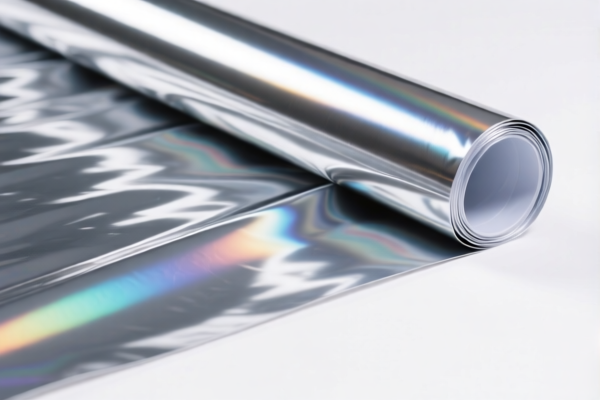
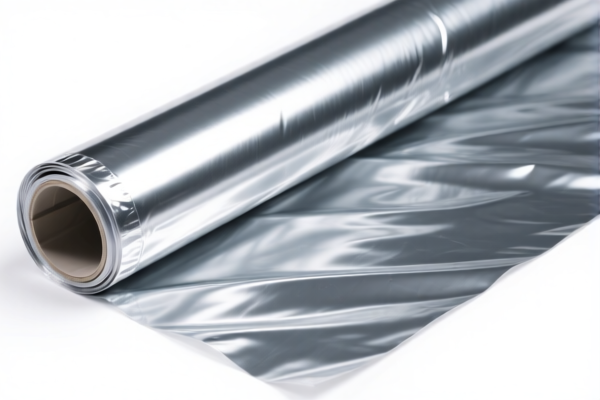
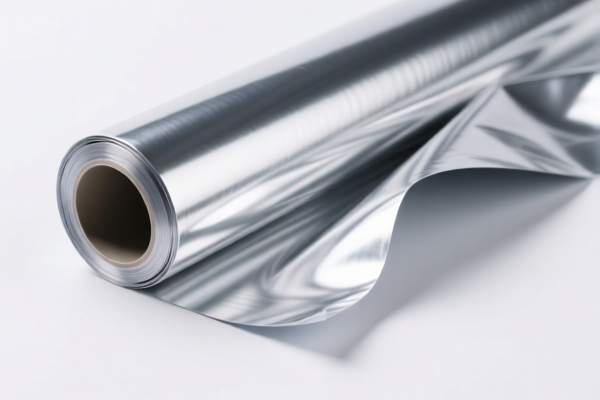
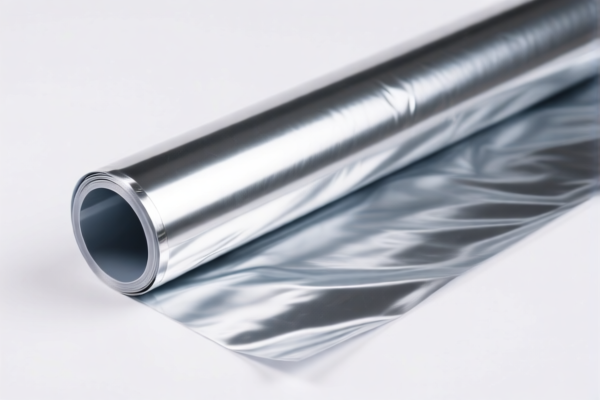
AI Analysis
🛡️ Insulation Film (Heat Insulation Films)
🌐 HS Code Reference & Customs Clearance Guide | 2026 Latest Tariff Analysis | Professional Clearance Strategy
📌 I. Product Definition & Classification: What Exactly is "Insulation Film"?
Insulation film, commonly known in the trade as Heat Insulation Film or Thermal Barrier Film, is a thin, flexible material used primarily to reduce heat transfer. In international trade, its classification heavily depends on its material composition and physical form. It is generally categorized under Chapter 39 (Plastics) or Chapter 68 (Mineral Products), specifically looking at whether it is a self-adhesive product, a flat sheet, or made from specific materials like Mica.
⚠️ Key Classification Distinction:
- If made of Plastic/Polymer (PET/PVC/Acrylic) and sold as a sheet/film → Likely 3920 (Other plates, sheets, film).
- If made of Plastic/Polymer and is Self-Adhesive → Likely 3919 (Self-adhesive plates, sheets, film).
- If made of Mica → Likely 6814 (Articles of mica).
📦 II. HS Code Classification Details (2026 Latest Tariff Authority Comparison)
Based on the provided data, here are the five most likely HS Code classifications for Insulation Film, depending on the specific material and form:
| HS Code | Product Description | Material/Form Basis | Total Tax Rate (China→US) |
|---|---|---|---|
| 3920.99.20.00 | Other plates, sheets, film, foil, and strips (Plastic) | Non-self-adhesive plastic film; inferred as plastic/polymer. | 39.2% |
| 3919.90.50.40 | Other self-adhesive plates, sheets, film, etc. | Plastic/Polymer film with adhesive backing. | 40.8% |
| 3919.90.50.60 | Other self-adhesive plastic films | Plastic/Polymer (e.g., PET/PVC) in flat film shape. | 40.8% |
| 3920.59.10.00 | Other plates, sheets, film (Flexile Plastic) | Polymer-based functional film (e.g., Acrylic or other plastics). | 41.0% |
| 6814.90.00.00 | Other articles of mica | Mica-based insulation film (Industrial heat insulation). | 37.6% |
🔍 Critical Reminder:
- Plastic vs. Mica: If the film contains mica, it MUST be classified under 6814. If it is a synthetic polymer (PET, PVC, Acrylic), it falls under 3919 or 3920. - Self-Adhesive vs. Non-Adhesive: Films with an adhesive layer for application generally fall under 3919, while plain rolls of plastic film fall under 3920. - Tax Implications: All listed codes incur significant additional tariffs due to US-China trade policies.
💰 III. 2026 Latest Tariff Rate Breakdown (Including Surtaxes & Policy Add-ons)
✅ Applicable Country: United States (US)
✅ Origin: China (CN)
✅ Effective Date: Current rates apply including all active surcharges.
🎯 1. 3920.99.20.00 —— Other Plastic Plates, Sheets, Film (Non-Adhesive)
| Item | Content |
|---|---|
| Base Tariff | 4.2% (Ad Valorem) |
| USITC Surtax (Section 301) | +25.0% |
| 122 Section Surtax | +10.0% |
| Total Tax Rate | 39.2% |
| Tax Calculation | CIF Value × 39.2% |
| De Minimis Exemption | ❌ Not Applicable (High tax rate excludes de minimis) |
📌 Explanation:
- This code applies to plain plastic insulation films that are not self-adhesive. - The 25% Section 301 tax is the primary driver of cost, plus an additional 10% under specific trade provisions (Section 122). - Total burden: ~40%. This is a high-cost category.
🎯 2. 3919.90.50.40 & 3919.90.50.60 —— Self-Adhesive Plastic Films
| Item | Content |
|---|---|
| Base Tariff | 5.8% (Ad Valorem) |
| USITC Surtax (Section 301) | +25.0% |
| 122 Section Surtax | +10.0% |
| Total Tax Rate | 40.8% |
| Tax Calculation | CIF Value × 40.8% |
| De Minimis Exemption | ❌ Not Applicable |
📌 Explanation:
- These codes cover self-adhesive insulation films (e.g., window tint films, protective thermal films with glue on one side). - Slightly higher total tax (40.8%) compared to non-adhesive plastic (3920) due to a higher base rate (5.8% vs 4.2%). - Key Difference: If your film has an adhesive backing, use these codes. If it is a plain roll, use3920.
🎯 3. 3920.59.10.00 —— Other Flexile Plastic Films (Acrylic/Polymer)
| Item | Content |
|---|---|
| Base Tariff | 6.0% (Ad Valorem) |
| USITC Surtax (Section 301) | +25.0% |
| 122 Section Surtax | +10.0% |
| Total Tax Rate | 41.0% |
| Tax Calculation | CIF Value × 41.0% |
| De Minimis Exemption | ❌ Not Applicable |
📌 Explanation:
- This code is for specific polymer films, such as Acrylic-based insulation films. - It carries the highest total tax rate (41.0%) among the plastic options due to the highest base rate (6.0%). - Use this only if the film is specifically made of acrylic or similar high-polymer content and is non-adhesive.
🎯 4. 6814.90.00.00 —— Mica-Based Insulation Film
| Item | Content |
|---|---|
| Base Tariff | 2.6% (Ad Valorem) |
| USITC Surtax (Section 301) | +25.0% |
| 122 Section Surtax | +10.0% |
| Total Tax Rate | 37.6% |
| Tax Calculation | CIF Value × 37.6% |
| De Minimis Exemption | ❌ Not Applicable |
📌 Explanation:
- Only applicable if the product is made of Mica. Mica is a natural mineral used in high-temperature industrial insulation. - Offers the lowest total tax rate (37.6%) among the options due to a low base rate (2.6%). - Crucial: Do not misclassify plastic films as Mica to save taxes; Customs will reject this if material analysis proves otherwise.
🛠️ IV. Customs Clearance Practical Advice (Pitfall Avoidance Guide)
✅ 1. Preparation Checklist (Missing items lead to delays)
| Document | Required? | Note |
|---|---|---|
| ✅ Product Specification Sheet | ✔️ | Must state material (PET, Mica, Acrylic), thickness, and adhesive presence. |
| ✅ Material Composition Proof | ✔️ | Lab report or manufacturer certificate confirming Mica vs. Plastic. |
| ✅ Product Photos | ✔️ | Clear images showing texture, edge, and any adhesive backing. |
| ✅ Commercial Invoice | ✔️ | Must clearly describe "Insulation Film" or "Thermal Barrier Film". |
| ✅ Packing List | ✔️ | Detail roll dimensions, weight, and number of rolls. |
✅ 2. Declaration Tips (Key Mnemonic)
🔥 "Material First, Adhesive Check, Mica vs Plastic, Tax Saves Buck!"
| Scenario | Correct Declaration | Wrong Declaration | Consequence |
|---|---|---|---|
| Plastic, No Glue | 3920.99.20.00 |
3919... |
Overpay by 1.6% (40.8% vs 39.2%) |
| Plastic, With Glue | 3919.90.50.xx |
3920... |
Under-declare → Penalty + Back Taxes |
| Mica Based | 6814.90.00.00 |
3920... |
Misclassification → Seizure/Fine |
| Acrylic Polymer | 3920.59.10.00 |
3919... |
Wrong base rate (6.0% vs 5.8%) |
✅ 3. Special Situations
| Situation | Handling Advice |
|---|---|
| Hybrid Materials | If film has a plastic layer and a mica coating, consult a customs broker. May be classified under the essential character component. |
| Sample Shipments | Do not use De Minimis (Section 321) for high-volume shipments. Insulation films are often commercial goods. |
| OEM Custom Film | Provide client design specs to prove the intended use (industrial vs. consumer). |
🌍 V. Global Market Clearance Comparison (2026 Latest)
| Country/Region | Recommended HS Code | Estimated Total Tax (China Origin) | Certification Requirements | Notes |
|---|---|---|---|---|
| 🇺🇸 USA | 3920.99.20.00 / 3919.90.50.xx |
37.6% – 41.0% | No specific tech certs, but HS precision critical | High Section 301 + 122 taxes. |
| 🇨🇳 China | 3920.99.20.00 |
~4.2% + VAT | None for import | Low base tax. |
| 🇪🇺 EU | 3920.39.90 |
~4.2% + VAT | REACH, RoHS | No Section 301 equivalent. |
| 🇬🇧 UK | 3920.39.90 |
~4.2% + VAT | UKCA, REACH | Post-Brexit rules apply. |
📌 Conclusion:
- USA is the most expensive market due to Section 301 (25%) and Section 122 (10%) surcharges. - Material accuracy is paramount. Misclassifying Mica as Plastic or vice versa can lead to severe penalties. - Adhesive status changes the code from 3920 to 3919, affecting the base rate.
📌 VI. Common Errors & Pitfall Guide (Lessons Learned)
❌ Error 1: Assuming all "Insulation Film" is the same HS Code.
👉 Result: Customs audit, delays, and potential penalties for misclassification.
❌ Error 2: Ignoring the "Adhesive" component.
👉 Result: Declaring self-adhesive film under 3920 (non-adhesive) → Tax Evasion Detection.
❌ Error 3: Claiming Mica content when it is only a coating.
👉 Result: If the essential character is plastic, it should be 3920. Declaring 6814 to save 3.4% can trigger a forensic lab test.
❌ Error 4: Underestimating the Total Tax.
👉 Result: Budgeting only for base tariffs (e.g., 4.2%) and failing to account for the ~35% additional surcharges.
✅ Correct Practice:
"Clear Material Origin, Specify Adhesive Status, Calculate Full Surtax, Avoid Audit Flags!"
🎯 VII. Conclusion: Professional Declaration, Cost Optimization!
🎯 Remember the Key Takeaways:
🔹 "Plastic Non-Adhesive: 39.2% | Plastic Adhesive: 40.8% | Mica: 37.6% | Acrylic: 41.0%"
🔹 "Section 301 (25%) and Section 122 (10%) are unavoidable for China-origin goods to the US."
🔹 "HS Code accuracy saves money and prevents customs seizures!"
📌 Pro Tip:
If you are importing large volumes, consider Advance Rulings from US Customs to confirm the HS Code and tax liability before shipment. This provides legal certainty and avoids surprise bills.
📣 Immediate Action:
📞 Contact a Customs Broker to verify your film's material composition.
📝 Prepare Detailed Specs (Material, Adhesive, Thickness).
🚀 Optimize Supply Chain to minimize tariff impact through precise classification.
✨ Professional Clearance Starts with Accurate Classification!
💼 Your Profit Margin Depends on the Details!
Customer Reviews
About HS Code Classification
The Harmonized System (HS) is an internationally standardized nomenclature developed by the World Customs Organization (WCO) to classify traded products. Over 200 countries use the HS system as the basis for customs tariffs, trade statistics, and import/export regulations.
Each HS code follows a hierarchical structure:
- Chapter (2 digits) — Broad category of goods (e.g., Chapter 84: Machinery and Mechanical Appliances)
- Heading (4 digits) — More specific grouping within the chapter
- Subheading (6 digits) — Internationally standardized breakdown, used by all WCO member countries
- National subdivisions (8-10 digits) — Country-specific extensions for further classification, such as US HTSUS 10-digit codes
Correct HS code classification is essential for smooth customs clearance, accurate duty payment, and compliance with trade regulations. Misclassification can lead to customs delays, overpayment of duties, or penalties.
When importing from CN to US, the applicable tariff rates may include:
- Most-Favored-Nation (MFN) rate — The standard duty rate applied to WTO members
- General rate — Applied to countries without trade agreements
- Trade remedy duties — Additional tariffs such as Section 301 (anti-dumping), Section 232 (national security), or countervailing duties
The information provided on this page is for reference purposes only. For official classification, please consult with your local customs authority or a licensed customs broker.