Insulation Sleeve
CN → USProduct Images
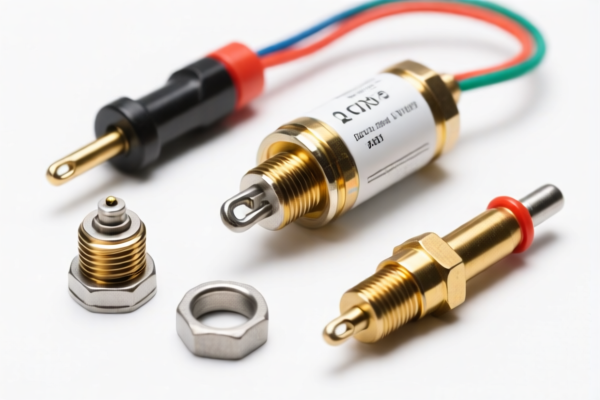
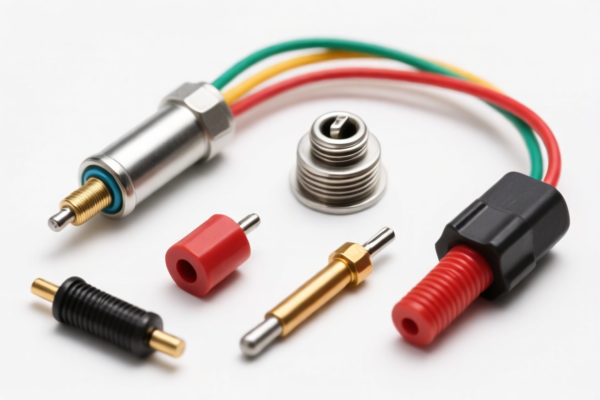
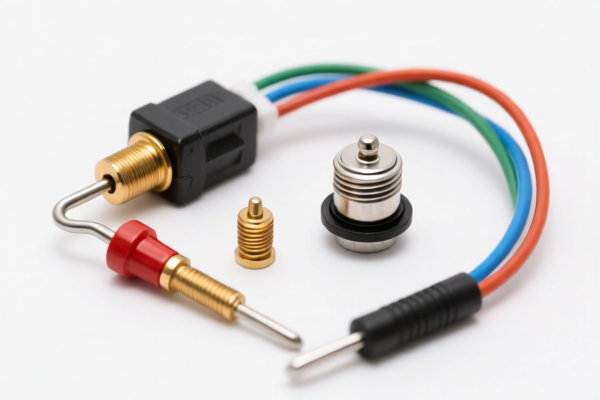
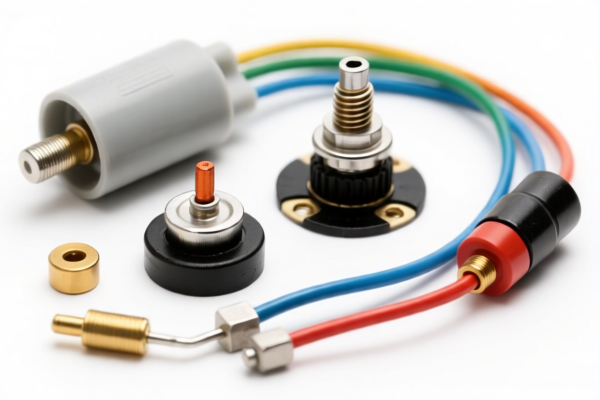
AI Analysis
🛡️ Insulation Sleeve (and Electrical Insulating Fittings)
🌐 HS Code Reference & Customs Clearance Guide | 2026 Latest Tariff Analysis | Professional Clearance Strategy
📌 I. Product Definition & Classification: Do You Really Understand "Insulation Sleeve"?
"Insulation Sleeve" is a broad term often used in industrial supply chains, but in customs classification, it is not a single HS Code. It depends entirely on the material, shape, and specific application.
In the provided data, "Insulation Sleeve" typically falls into three distinct categories: 1. Electrical Conduit Joints/Fittings: Plastic or Ceramic parts used to protect electrical wires/cables. 2. Plastic Profile Shapes: Rods, sticks, or tubes (non-electrical specific). 3. Vulcanized Rubber Products: Cellular rubber sheets/strip for insulation or sealing.
⚠️ Critical Distinction:
- If it is a rigid plastic/ceramic fitting for electrical conduits → Look at Chapter 85.
- If it is a flexible/rigid plastic tube/rod (general purpose) → Look at Chapter 39.
- If it is a rubber sleeve/strip → Look at Chapter 40.
📦 II. HS Code Classification Matrix (Based on Provided Data)
Below are the exact HS Codes and descriptions derived from the <DATA> input, categorized by material and function.
| HS Code | Product Description (From Data) | Material | Application | Base Tax | Additional Tax | Total Tax |
|---|---|---|---|---|---|---|
| 8547.20.00.00 | Insulating fittings of plastics (for electrical machines, appliances, equipment). Excludes insulators of heading 8546. | Plastic | Electrical conduits, machine fittings | 0.0% | 25.0% | 25.0% |
| 8547.10.40.00 | Ceramic insulators for production of spark plugs (natural gas-fueled stationary engines). | Ceramic | Spark plug components | 0.0% | 0.0% | 0.0% |
| 3916.90.50.00 | Monofilament/Rods/Profile shapes of other plastics. Other: Other: Other: Other. | Plastic | General plastic rods/profiles (cross-section >1mm) | 0.0% | 0.0% | 0.0% |
| 3916.90.30.00 | Monofilament of other plastics. | Plastic | Plastic monofilament (cross-section >1mm) | 6.5% | 25.0% | 31.5% |
| 4008.11.10.00 | Plates, sheets, strip of vulcanized cellular rubber. Of natural rubber. | Natural Rubber | Cellular rubber strips/sleeves | 0.0% | 25.0% | 25.0% |
| 4008.19.80.00 | Other articles of vulcanized cellular rubber (other than natural rubber). | Synthetic Rubber | Cellular rubber sleeves/other shapes | 0.0% | 0.0% | 0.0% |
| 7907.00.20.00 | Zinc tubes, pipes, and fittings (couplings, elbows, etc.). | Zinc | Metal-lined insulating tubing (rare, but in data) | 3.0% | 25.0% | 28.0% |
| 7907.00.60.00 | Other articles of zinc. | Zinc | General zinc parts | 3.0% | 25.0% | 28.0% |
| 6909.19.50.10 | Ceramic wares for technical use: Ceramic bearings. | Ceramic | Technical ceramic bearings | 0.0% | 0.0% | 0.0% |
| 6909.19.50.95 | Ceramic wares for lab/tech use: Other other other. | Ceramic | General ceramic technical ware | 4.0% | 25.0% | 29.0% |
| 3926.90.99.87 | Other articles of plastics: Rigid tubes/pipes suitable for use as electrical conduit. | Plastic | Rigid electrical conduit tubing | 5.3% | 7.5% | 12.8% |
| 3926.90.99.89 | Other articles of plastics: Other other. | Plastic | General plastic articles (non-specific) | 5.3% | 7.5% | 12.8% |
🔍 Key Insight for "Sleeve":
- If the "sleeve" is a rigid tube for electrical conduit, it may fall under 3926.90.99.87 (12.8%) or 8547.20.00.00 (25.0%) depending on whether it's considered a "fitting" or a "tube".
- If it is a flexible rubber sleeve, it is likely 4008.11.10.00 (25.0%) or 4008.19.80.00 (0.0%).
- Do not classify a plastic insulating sleeve under 3926 if it is specifically designed as an electrical fitting (8547); customs often reclassify these to the higher-tariff electrical heading.
💰 III. Detailed Tariff Rate Analysis
✅ Applicable Country: United States (US)
✅ Origin: Likely China (CN) (Based on "Additional Tax" patterns typical of Section 301 tariffs)
✅ Effective Date: Post-2025 Trade Policies
🎯 1. Electrical Insulating Fittings (Plastic & Ceramic)
HS Codes: 8547.20.00.00 (Plastic), 8547.10.40.00 (Ceramic)
| Item | Details |
|---|---|
| Product | Insulating fittings (Plastic) / Ceramic Insulators (Spark Plugs) |
| Base Tariff | 0.0% |
| Additional Tax | 25.0% (Plastic) / 0.0% (Ceramic Spark Plug Parts) |
| Total Tax | 25.0% (Plastic) / 0.0% (Ceramic) |
| Analysis | - Plastic fittings attract a 25% additional tariff, likely under USITC Footnote 9903.88.01 or similar Section 301 measures. - Ceramic spark plug insulators are exempt (0%), likely due to specific strategic exemptions or duty-free status for certain engine components. |
🎯 2. Plastic Rods, Sticks, and Profile Shapes
HS Codes: 3916.90.50.00, 3916.90.30.00
| Item | Details |
|---|---|
| Product | Plastic Monofilament/Rods (>1mm cross-section) |
| Base Tariff | 0.0% (Other) / 6.5% (Monofilament) |
| Additional Tax | 0.0% (Other) / 25.0% (Monofilament) |
| Total Tax | 0.0% (Other Profiles) / 31.5% (Monofilament) |
| Analysis | - General plastic profiles (3916.90.50.00) are 0% total. Use this if the "sleeve" is a simple plastic rod/profile not classified as an electrical fitting. - Monofilament (3916.90.30.00) is heavily taxed at 31.5%. Ensure the product is not a "monofilament" (single continuous strand) if you want to avoid this. |
🎯 3. Rubber Insulation/Sleeves
HS Codes: 4008.11.10.00, 4008.19.80.00
| Item | Details |
|---|---|
| Product | Vulcanized Cellular Rubber (Natural vs. Other) |
| Base Tariff | 0.0% |
| Additional Tax | 25.0% (Natural Rubber) / 0.0% (Other/Synthetic) |
| Total Tax | 25.0% (Natural) / 0.0% (Synthetic) |
| Analysis | - Natural Rubber sleeves/strip are taxed at 25%. - Synthetic/Other Cellular Rubber sleeves are 0% total. Switching material from natural to synthetic rubber can save 25% in duties. |
🎯 4. Rigid Electrical Conduit Tubing
HS Code: 3926.90.99.87
| Item | Details |
|---|---|
| Product | Rigid tubes/pipes for electrical conduit |
| Base Tariff | 5.3% |
| Additional Tax | 7.5% |
| Total Tax | 12.8% |
| Analysis | This is a lower tariff option (12.8%) compared to electrical fittings (25%). If your "sleeve" is a rigid plastic tube used for conduit, try to classify it under 3926.90.99.87 instead of 8547.20.00.00. |
🛠️ IV. Customs Clearance Practical Advice (Battle-Tested Guide)
✅ 1. Material is Key: The "Sleeve" Ambiguity
| Product Feature | Recommended HS Code | Tax Rate | Strategy |
|---|---|---|---|
| Rigid Plastic Tube for wire protection | 3926.90.99.87 |
12.8% | Argue it is a "tube for conduit" not a "fitting". |
| Plastic Fitting (Joint/Connector) | 8547.20.00.00 |
25.0% | High tariff. Ensure it's truly a fitting. |
| Synthetic Rubber Sleeve | 4008.19.80.00 |
0.0% | Best Option! Use synthetic rubber. |
| Natural Rubber Sleeve | 4008.11.10.00 |
25.0% | Avoid if possible. |
| Ceramic Insulator (Spark Plug) | 8547.10.40.00 |
0.0% | Verify it is specifically for spark plugs. |
✅ 2. Declaration Description Tips
🔥 "Be Precise, Avoid 'Insulation Sleeve' Alone!"
| Bad Declaration | Good Declaration | Reason |
|---|---|---|
| "Insulation Sleeve" | "Synthetic Cellular Rubber Sleeve for Electrical Insulation" | Triggers 4008.19.80.00 (0%) |
| "Plastic Insulator" | "Plastic Conduit Tubing, Rigid, for Electrical Wiring" | Triggers 3926.90.99.87 (12.8%) |
| "Plastic Fitting" | "Plastic Insulating Fitting for Electrical Machine Assembly" | Triggers 8547.20.00.00 (25%) |
| "Ceramic Part" | "Ceramic Insulator for Natural Gas Spark Plug" | Triggers 8547.10.40.00 (0%) |
✅ 3. Special Situations & Pitfalls
| Situation | Handling Advice |
|---|---|
| Mixed Material (e.g., Plastic with Metal Threads) | If metal components are minor (for assembly only), it still classifies under 8547.20.00.00 (Plastic). Do not try to classify as metal. |
| Zinc-Lined Tubing | If the base metal is lined with insulation, check 7907.00.20.00 (Zinc fittings, 28%). This is likely higher than plastic/rubber options. |
| Lab/Ceramic Wares | If the "sleeve" is a ceramic tube for lab use, use 6909.19.50.95 (29%) or 6909.19.50.10 (0% if bearing). Verify usage. |
🌍 V. Global Market Clearance Comparison (2026)
| Market | Recommended HS Code | Est. Total Tax | Note |
|---|---|---|---|
| 🇺🇸 USA | 4008.19.80.00 (Synthetic Rubber) |
0.0% | Lowest Cost! |
| 🇺🇸 USA | 3926.90.99.87 (Rigid Plastic Tube) |
12.8% | Good alternative for plastic. |
| 🇺🇸 USA | 8547.20.00.00 (Plastic Fitting) |
25.0% | High cost for fittings. |
| 🇨🇳 China | Varies | Lower Base | No Section 301 Additional Tax. Base rates apply. |
| 🇪🇺 EU | Varies | Varies | Check CN22. EU may not have 25% addition, but VAT applies. |
📌 Conclusion:
- USA is the most punitive market for electrical/plastic imports.
- Material Switch from Natural Rubber to Synthetic Rubber can save 25%.
- Shape Distinction between "Fitting" (25%) and "Tube/Profile" (0-12.8%) can save significant duties.
📌 VI. Common Errors & Pitfalls (Blood Lessons)
❌ Error 1: Calling a rigid plastic conduit "Plastic Pipe" to avoid 25% tax.
👉 Risk: If customs determines it is an electrical fitting, they will reclassify to 8547.20.00.00 and assess 25% + penalties.
👉 Fix: Use 3926.90.99.87 if it truly fits the definition of "rigid tube for electrical conduit" with clear technical specs showing it's a tube, not a joint.
❌ Error 2: Declaring Rubber Sleeve as "Insulating Tape".
👉 Risk: Different HS Code, different tax. If it's a sleeve (pre-formed), it's 4008. Tape is 3920 or 5911. Misdeclaration leads to fraud flags.
❌ Error 3: Using Ceramic for Spark Plugs without proof.
👉 Risk: Claiming 0% tax for 8547.10.40.00 requires proof it is for spark plugs for natural gas engines. Generic ceramic insulators may fall under other categories.
🎯 VII. Final Recommendation
- Audit Your Material: Can you switch to Synthetic Cellular Rubber (
4008.19.80.00)? If yes, tax is 0%. - Audit Your Form: Is it a Tube/Profile or a Fitting?
- If Tube/Profile: Try 3916.90.50.00 (0%) or 3926.90.99.87 (12.8%).
- If Fitting: Expect 25% (
8547.20.00.00).
- Documentation: Clearly state material composition (e.g., "Synthetic Rubber," "Rigid PVC") and specific use (e.g., "Electrical Conduit," "Spark Plug Insulator").
🚀 Pro Tip:
Apply for a Binding Tariff Information (BTI) or Advance Ruling with US Customs if the product is complex. A clear ruling prevents post-import audits and duty underpayments.
✨ Precision Classification Saves Money!
💼 Don't let a "Sleeve" cost you 25% in unnecessary duties!
Customer Reviews
About HS Code Classification
The Harmonized System (HS) is an internationally standardized nomenclature developed by the World Customs Organization (WCO) to classify traded products. Over 200 countries use the HS system as the basis for customs tariffs, trade statistics, and import/export regulations.
Each HS code follows a hierarchical structure:
- Chapter (2 digits) — Broad category of goods (e.g., Chapter 84: Machinery and Mechanical Appliances)
- Heading (4 digits) — More specific grouping within the chapter
- Subheading (6 digits) — Internationally standardized breakdown, used by all WCO member countries
- National subdivisions (8-10 digits) — Country-specific extensions for further classification, such as US HTSUS 10-digit codes
Correct HS code classification is essential for smooth customs clearance, accurate duty payment, and compliance with trade regulations. Misclassification can lead to customs delays, overpayment of duties, or penalties.
When importing from CN to US, the applicable tariff rates may include:
- Most-Favored-Nation (MFN) rate — The standard duty rate applied to WTO members
- General rate — Applied to countries without trade agreements
- Trade remedy duties — Additional tariffs such as Section 301 (anti-dumping), Section 232 (national security), or countervailing duties
The information provided on this page is for reference purposes only. For official classification, please consult with your local customs authority or a licensed customs broker.