Insulation Tape Custom
CN → US| HS Code | Tariff Rate | Origin | Destination | Doc |
|---|---|---|---|---|
| 3919102020 | 40.8% | CN | US | Official Doc |
| 3919905030 | 40.8% | CN | US | Official Doc |
| 3926909989 | 22.8% | CN | US | Official Doc |
| 3926904590 | 38.5% | CN | US | Official Doc |
| 3919102020 | 40.8% | CN | US | Official Doc |
Product Images
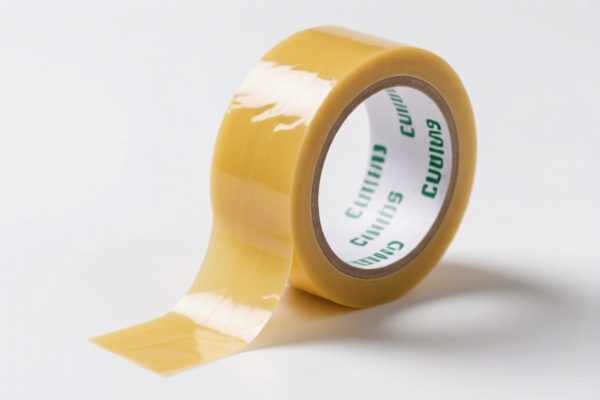
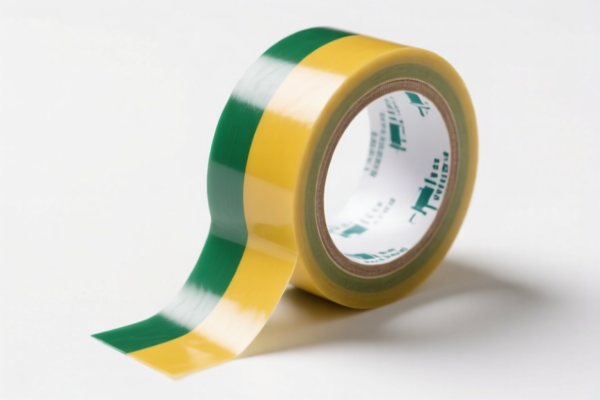
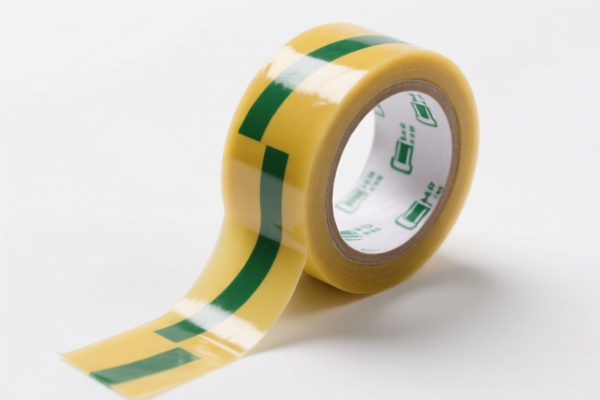
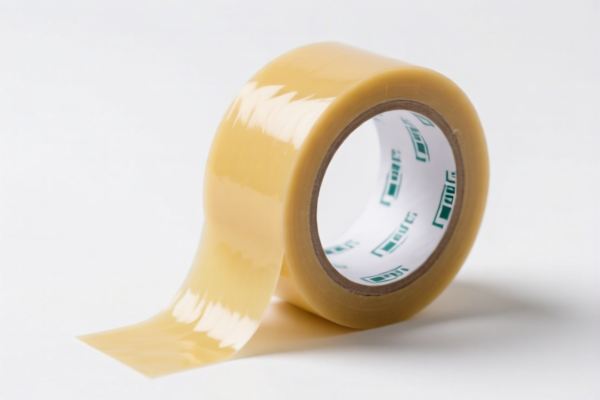
AI Analysis
🛡️ Insulation Tape Custom (Electrical & Automotive)
🌐 HS Code Reference & Customs Clearance Guide | 2026 Latest Tariff Analysis | Professional Entry Strategy
📌 I. Product Definition & Classification: What is "Insulation Tape"?
Insulation Tape, often referred to as Electrical Tape or PVC Tape, is a flexible plastic tape used for electrical insulation, color coding, and protective purposes. In international trade, its classification depends heavily on its material composition (usually PVC/polymer), self-adhesive nature, and specific application (general electrical vs. automotive).
⚠️ Key Distinction Points:
- If it is a plastic self-adhesive tape used for general electrical insulation → Typically falls under Chapter 39 (Plastics).
- If it is specifically marketed/used for automotive purposes, it may still fall under Chapter 39 but might trigger different scrutiny or specific sub-headings depending on the exact polymer type and backing.
- It is NOT classified under textile tapes (Chapter 59) or rubber articles (Chapter 40) unless it contains significant rubber content >50% by weight (which is rare for standard insulation tapes).
📦 II. HS Code Classification Details (2026 Latest Tariff Authority Mapping)
Based on the provided data, here are the matched HS Codes for "Insulation Tape Custom":
| HS Code | Product Description | Application/Context | Total Tax Rate |
|---|---|---|---|
3919.10.20.20 |
Plastic Self-Adhesive Tapes (For Electrical/General Use) |
General electrical insulation, PVC self-adhesive tape. | 40.8% |
3919.90.50.30 |
Other Plastic Self-Adhesive Tapes (Broad Category) |
Generic plastic self-adhesive tapes not specified elsewhere. | 40.8% |
3926.90.99.89 |
Other Plastic Articles (Catch-all for Plastics) |
Plastic/聚合物 articles not specifically listed as tapes (e.g., if deemed a "part" rather than a tape). | 22.8% |
3926.90.45.90 |
Other Plastic Articles (Gaskets/Seals/Parts) |
Plastic items resembling gaskets or seals; sometimes applied if tape is viewed as a sealing component. | 38.5% |
3919.10.20.20 |
Plastic Self-Adhesive Tapes (Automotive Specific) |
Specifically labeled/used for "Automotive Insulation Tape." Note: The logic states it falls under the same code as general electrical tape. | 40.8% |
🔍 Key Observation:
- The majority of standard insulation tapes fall under 3919.10 or 3919.90 (Self-adhesive plastic tapes), incurring the highest tax rate (40.8%).
- A potential lower-rate option exists under 3926.90.99.89 (22.8%), but this requires proving the item is an "other plastic article" rather than a "tape," which is risky and often rejected by customs if the product is clearly a roll of tape.
💰 III. 2026 Latest Tariff Rate Breakdown (Including Surtaxes)
✅ Applicable Country: USA (US)
✅ Origin: China (CN)
✅ Effective Date: Post-2025/2026 Trade Environment
🎯 1. 3919.10.20.20 & 3919.90.50.30 —— Plastic Self-Adhesive Tapes (Most Common)
| Item | Content |
|---|---|
| Base Tariff Rate | 5.8% |
| Section 301 Surtax | +25.0% (Trade War Tariff) |
| 122 Provision Tariff | +10.0% (Specific Trade Provision) |
| Total Tax Rate | 40.8% |
| Calculation Basis | CIF Value × 40.8% |
| De Minimis Eligibility | ❌ No (High risk of duty assessment even on low-value shipments) |
| Legal Basis Path | Section 301: 9903.01.25 → 122 Provision: 9903.01.24 → USITC: 3919.10.20.20 |
📌 Explanation:
- The 5.8% is the standard MFN (Most Favored Nation) rate for plastic tapes.
- The 25% is the Section 301 tariff, heavily impacting Chinese-origin plastic products.
- The 10% is an additional provision (often linked to specific trade enforcement actions).
- Total 40.8% makes this a high-cost commodity for US importers.
🎯 2. 3926.90.99.89 —— Other Plastic Articles (Lowest Rate Option)
| Item | Content |
|---|---|
| Base Tariff Rate | 5.3% |
| Section 301 Surtax | +7.5% |
| 122 Provision Tariff | +10.0% |
| Total Tax Rate | 22.8% |
| Calculation Basis | CIF Value × 22.8% |
| De Minimis Eligibility | ❌ No (Still subject to high scrutiny) |
| Legal Basis Path | Section 301: 9903.01.25 → 122 Provision → USITC: 3926.90.99.89 |
📌 Risk Warning:
- Using3926instead of3919for insulation tape is considered misclassification by many customs brokers because insulation tape is explicitly covered under Chapter 39.19.
- While the tax is lower (22.8% vs 40.8%), the risk of audit, penalty, and retroactive duty payment is very high.
🎯 3. 3926.90.45.90 —— Other Plastic Articles (Gaskets/Seals)
| Item | Content |
|---|---|
| Base Tariff Rate | 3.5% |
| Section 301 Surtax | +25.0% |
| 122 Provision Tariff | +10.0% |
| Total Tax Rate | 38.5% |
| Calculation Basis | CIF Value × 38.5% |
📌 Note:
- This code is often used if the tape is claimed to be a "sealing gasket" or "part." However, standard rolls of tape do not fit this description well.
🛠️ IV. Customs Clearance Practical Advice (Avoiding Pitfalls)
✅ 1. Documentation Checklist (Non-Negotiable)
| Document | Required | Explanation |
|---|---|---|
| ✅ Product Specification Sheet | ✔️ | Must specify: Material (e.g., PVC), Thickness, Width, Length, Adhesive Type. |
| ✅ Commercial Invoice | ✔️ | Must clearly state "Insulation Tape" or "Electrical Insulation Tape," NOT vague terms like "Plastic Roll." |
| ✅ HS Code Justification Letter | ✔️ | If using 3926.90.99.89 (22.8%), you MUST provide technical proof why it is NOT a "tape" (e.g., cut into gaskets, non-adhesive backing). Otherwise, use 3919. |
| ✅ Material Safety Data Sheet (MSDS) | ✔️ | For adhesives and PVC components. |
| ✅ Origin Certificate | ✔️ | Critical for determining Section 301 applicability. |
✅ 2. Declaration Tips (Critical Keywords)
🔥 “Be Precise, Be Honest, Avoid Ambiguity!”
| Scenario | Recommended Declaration | Incorrect Declaration |
|---|---|---|
| Standard PVC Tape | PVC Insulation Tape, Electrical Grade, Self-Adhesive, Roll |
Plastic Tape, Electrical Part |
| Automotive Tape | Automotive Insulation Tape, PVC, Self-Adhesive |
Car Part, Accessory |
| Mixed Shipment | Declare each item separately with correct HS | Lump sum as "Miscellaneous Goods" |
🚫 Warning: Do not declare insulation tape as "Plastic Gaskets" (
3926.90.45.90) unless they are pre-cut and used specifically as seals. Customs may flag this as evasion.
✅ 3. Special Handling for Custom Orders
| Situation | Advice |
|---|---|
| OEM Custom Colors/Prints | Ensure the commercial invoice matches the visual appearance. Custom printing does not change HS code. |
| High-Value Shipments | Consider Advance Ruling from US CBP to lock in the HS code and duty rate before shipment. |
| Small Samples (De Minimis) | Be aware that even low-value insulation tape from China may be seized or taxed if the broker suspects misclassification. |
🌍 V. Global Market Comparison (2026)
| Country/Region | Recommended HS Code | Total Tax Rate (China Origin) | Key Certifications |
|---|---|---|---|
| 🇺🇸 USA | 3919.10.20.20 |
40.8% | None specific, but UL/CSA preferred |
| 🇨🇳 China | 3919.10.20.20 |
5.8% + VAT 13% | CCC (if applicable) |
| 🇪🇺 EU | 3919.10 |
4.5% + VAT | CE, RoHS, REACH |
| 🇬🇧 UK | 3919.10 |
4.5% + VAT | UKCA, RoHS |
| 🇦🇺 Australia | 3919.10 |
5.0% + GST | RCM |
📌 Conclusion:
- The USA has the highest effective duty rate (40.8%) due to Section 301 and 122 provisions.
- Importers should carefully weigh the cost of 40.8% vs. potential risks of using3926codes.
- Documentation accuracy is the #1 factor in preventing customs delays.
📌 VI. Common Errors & Pitfalls (Lessons Learned)
❌ Error 1: Declaring "Insulation Tape" as "Plastic Sheet" (3920)
👉 Consequence: Misclassification, delay, potential penalty. Tape is distinct from sheets.
❌ Error 2: Using 3926.90.99.89 (22.8%) without justification
👉 Consequence: Customs audit, demand for back-duties + interest, possible seizure if proven it is clearly a "tape."
❌ Error 3: Vague description "Plastic Roll"
👉 Consequence: Customs will assign a default code, often with the highest duty rate or require expensive re-classification.
✅ Best Practice:
"PVC Self-Adhesive Insulation Tape, 19mm x 10m, Black, UL 510 Certified"
🎯 VII. Conclusion: Strategic Importing of Insulation Tape
🎯 Key Takeaway:
🔹 Standard insulation tape falls under
3919.10.20.20with a 40.8% duty rate.
🔹 Trying to use3926codes to save tax is high-risk and often rejected.
🔹 Accurate documentation and clear product descriptions are essential for smooth clearance.💡 Pro Tip:
- For large volume imports, negotiate FOB/CIF terms wisely to include duty costs in your pricing model.
- Consider supply chain diversification (e.g., sourcing from Vietnam or Thailand) if possible to avoid Section 301 tariffs, though this depends on substantial transformation rules.
📣 Immediate Action:
📞 Consult a licensed customs broker before shipping.
📝 Prepare detailed product specs and certificates of origin.
🚀 Ensure your commercial invoice is precise to avoid delays at US ports.
✨ Professional Customs Clearance Starts with Accurate Classification!
💼 Your Cost Efficiency Depends on Your Compliance Strategy!
Customer Reviews
About HS Code Classification
The Harmonized System (HS) is an internationally standardized nomenclature developed by the World Customs Organization (WCO) to classify traded products. Over 200 countries use the HS system as the basis for customs tariffs, trade statistics, and import/export regulations.
Each HS code follows a hierarchical structure:
- Chapter (2 digits) — Broad category of goods (e.g., Chapter 84: Machinery and Mechanical Appliances)
- Heading (4 digits) — More specific grouping within the chapter
- Subheading (6 digits) — Internationally standardized breakdown, used by all WCO member countries
- National subdivisions (8-10 digits) — Country-specific extensions for further classification, such as US HTSUS 10-digit codes
Correct HS code classification is essential for smooth customs clearance, accurate duty payment, and compliance with trade regulations. Misclassification can lead to customs delays, overpayment of duties, or penalties.
When importing from CN to US, the applicable tariff rates may include:
- Most-Favored-Nation (MFN) rate — The standard duty rate applied to WTO members
- General rate — Applied to countries without trade agreements
- Trade remedy duties — Additional tariffs such as Section 301 (anti-dumping), Section 232 (national security), or countervailing duties
The information provided on this page is for reference purposes only. For official classification, please consult with your local customs authority or a licensed customs broker.