Insulation Tape General Type
CN → US| HS Code | Tariff Rate | Origin | Destination | Doc |
|---|---|---|---|---|
| 3919905030 | 40.8% | CN | US | Official Doc |
| 3919102020 | 40.8% | CN | US | Official Doc |
| 3926909989 | 22.8% | CN | US | Official Doc |
| 3926904590 | 38.5% | CN | US | Official Doc |
Product Images
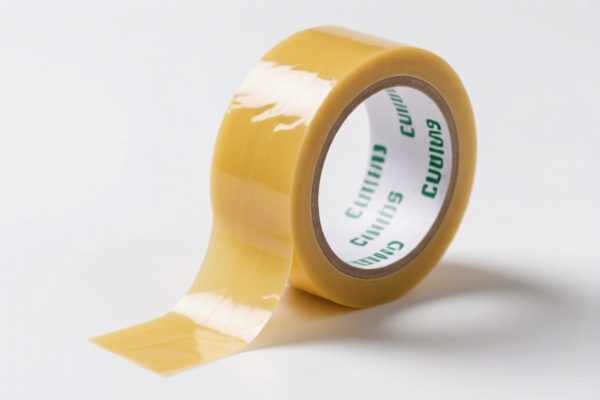
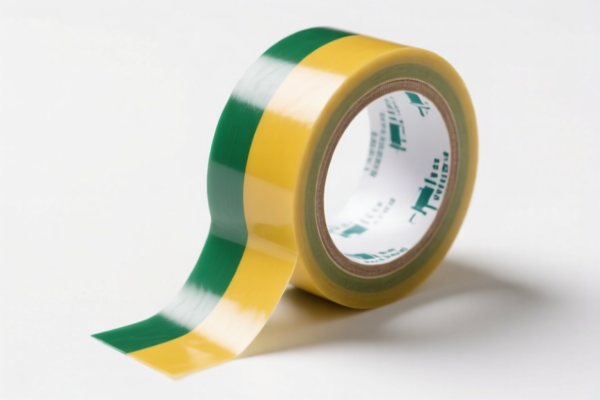
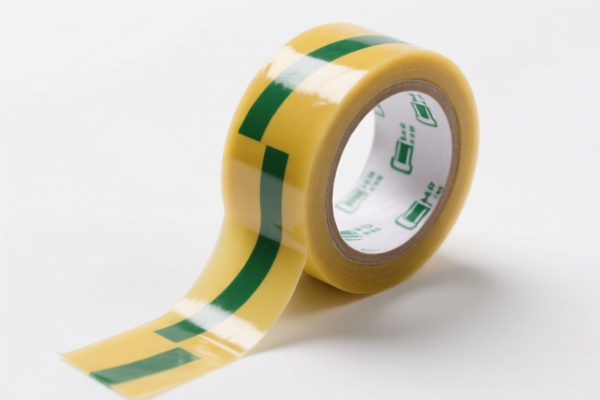
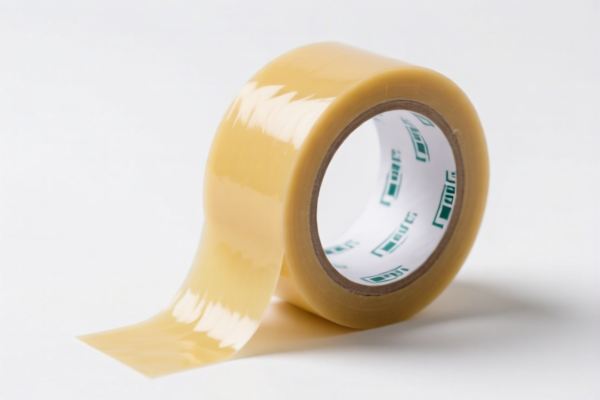
AI Analysis
🛡️ Insulation Tape (General Type) – The Ultimate HS Code & Tariff Guide for US Imports (2026)
🌐 HS Code Reference & Customs Clearance Guide | 2026 Latest Tariff Analysis | Professional Clearance Strategy
📌 I. Product Definition & Classification: Do You Really Understand "Insulation Tape"?
Insulation tape, broadly categorized as Electrical Insulation Tape, is a critical component in electrical engineering, used for insulating electrical wires, cables, and components to prevent short circuits and electric shocks. In international trade, its classification depends heavily on its material composition, form (self-adhesive vs. non-self-adhesive), and specific application.
According to the provided data, there are four primary HS Code classifications for general insulation tape entering the US market, each with distinct tax implications:
1. Self-Adhesive Plastic Tapes (Electrical Grade):
High-quality, flexible tapes designed specifically for electrical insulation. They are self-adhesive and made of plastic/polymer materials.
2. Other Plastic/Polymer Products (Unspecified):
Tapes that do not fit strictly into the "self-adhesive electrical tape" categories but are still made of plastic/polymer.
3. Sealing Gaskets & Washers (Plastic/Polymer):
Tapes that might be classified under "gaskets" if their primary function is interpreted as sealing rather than just electrical insulation (less common for standard电工 tape, but possible in specific industrial contexts).
⚠️ Key Distinction Point:
- If the tape is self-adhesive and specifically for electrical insulation, it likely falls under 3919.10 or 3919.90.
- If the tape is not self-adhesive or is considered a general plastic product without specific electrical classification, it may fall under 3926.90.
- The total tariff burden varies significantly based on the precise HS code chosen, ranging from 22.8% to 40.8%.
📦 II. HS Code Classification Details (2026 Latest Tariff Authority Comparison)
| HS Code | Product Description | Application Scenario | Tax Rate (Total) |
|---|---|---|---|
3919.90.50.30 |
Insulation tape, matched for electrical insulation use, inferred as plastic self-adhesive tape | Standard electrical wiring, automotive harnesses, home appliances | 40.8% |
3919.10.20.20 |
Insulation tape, matched for electrical use, inferred as plastic self-adhesive tape | General electrical insulation, similar to above but different sub-heading | 40.8% |
3926.90.99.89 |
Insulation tape, inferred as plastic/polymer type, belonging to other unspecified plastic products | General-purpose plastic tape, non-specific electrical use, or industrial sealing | 22.8% |
3926.90.45.90 |
Insulation tape, inferred as plastic/polymer type, belonging to gaskets, washers, and other sealing parts | Industrial sealing, gasket tape, or tape with primary sealing function | 38.5% |
🔍 Key Reminder:
- 3919 Codes (Self-Adhesive): These are the most common for standard "Electrical Tape" (e.g., PVC Electrical Tape). They attract the highest tariff (40.8%) due to specific trade measures.
- 3926 Codes (Other Plastic Products): If the tape cannot be strictly classified as "self-adhesive electrical tape" or is a different polymer form, it may fall here. 3926.90.99.89 offers the lowest total tariff (22.8%).
- Classification Accuracy is Critical: Misclassifying a 40.8% item as a 22.8% item can lead to severe penalties and customs delays.
💰 III. 2026 Latest Tariff Rate Details (Including Surcharges & Policy Add-ons)
✅ Applicable Country: United States (US)
✅ Country of Origin: China (CN)
✅ Effective Time: As per current USITC and USTR directives (2025-2026)
🎯 1. 3919.90.50.30 & 3919.10.20.20 – Electrical Insulation Tapes (Self-Adhesive, Plastic)
| Item | Content |
|---|---|
| Base Tariff | 5.8% (Ad valorem) |
| Section 301 Surcharge | +25.0% (Added Tariff) |
| Section 122 Tariff | +10.0% (Specific Clause Tariff) |
| Total Tariff | 40.8% |
| Tax Calculation | CIF Value × 40.8% |
| De Minimis Exemption | ❌ Not Applicable (High tariff items usually excluded) |
| Legal Basis Path | Base: 5.8% → Section 301: 25.0% → Section 122: 10.0% |
📌 Explanation:
- "Base Tariff 5.8%": The standard Most-Favored-Nation (MFN) rate for plastic self-adhesive tapes.
- "Section 301 Surcharge 25%": The additional tariff imposed on Chinese goods under Trade Act Section 301.
- "Section 122 Tariff 10%": An additional surcharge under specific trade provisions (often related to national security or balance of payments, though "122" in this context refers to the specific line item surcharge in the data).
- Total 40.8% is a very high burden. Importers must factor this into their pricing strategy.
🎯 2. 3926.90.99.89 – Other Plastic Products (Non-Specific)
| Item | Content |
|---|---|
| Base Tariff | 5.3% (Ad valorem) |
| Section 301 Surcharge | +7.5% (Added Tariff) |
| Section 122 Tariff | +10.0% (Specific Clause Tariff) |
| Total Tariff | 22.8% |
| Tax Calculation | CIF Value × 22.8% |
| De Minimis Exemption | ❌ Not Applicable |
| Legal Basis Path | Base: 5.3% → Section 301: 7.5% → Section 122: 10.0% |
📌 Note:
- This code represents a significant saving (18% less) compared to the 3919 codes.
- Risk: This classification requires that the product cannot be proven to be a "self-adhesive electrical tape" under 3919. It must be a general plastic product. Misuse can lead to audits.
🎯 3. 3926.90.45.90 – Gaskets, Washers, Sealing Parts (Plastic)
| Item | Content |
|---|---|
| Base Tariff | 3.5% (Ad valorem) |
| Section 301 Surcharge | +25.0% (Added Tariff) |
| Section 122 Tariff | +10.0% (Specific Clause Tariff) |
| Total Tariff | 38.5% |
| Tax Calculation | CIF Value × 38.5% |
| De Minimis Exemption | ❌ Not Applicable |
| Legal Basis Path | Base: 3.5% → Section 301: 25.0% → Section 122: 10.0% |
📌 Note:
- Although the base tariff is low (3.5%), the 25% Section 301 surcharge brings the total to 38.5%.
- This code is suitable only if the tape is explicitly marketed and used as a sealing/gasket material, not primarily for electrical insulation.
🛠️ IV. Customs Clearance Practical Advice (Avoiding Pitfalls)
✅ 1. Required Documentation Checklist
| Document | Must Provide | Description |
|---|---|---|
| ✅ Product Specification Sheet | ✔️ | Must clearly state material (e.g., PVC, Vinyl), thickness, width, adhesive type, and primary use (Electrical vs. General Purpose). |
| ✅ Product Photos | ✔️ | Clear images of the tape, packaging, and any labels indicating electrical ratings (e.g., "300V", "UL Certified"). |
| ✅ Commercial Invoice | ✔️ | Must accurately describe the goods. Avoid vague terms like "Plastic Tape"; use "PVC Electrical Insulation Tape". |
| ✅ Declaration of Non-Use | ❓ | If claiming 3926 codes, be prepared to prove the tape is NOT primarily for electrical insulation if challenged. |
| ✅ Certificate of Origin | ✔️ | To confirm Chinese origin and apply applicable tariffs. |
✅ 2. Classification Strategy (Key Tips)
🔥 "Match Use to Code, Avoid Vague Terms, Pay the Right Tax!"
| Scenario | Recommended HS Code | Reason |
|---|---|---|
| Standard Electrical Tape (PVC, self-adhesive, for wiring) | 3919.90.50.30 or 3919.10.20.20 |
Fits the legal definition of self-adhesive electrical tape. Expect 40.8% tax. |
| General Purpose Plastic Tape (Not for electrical, or non-self-adhesive) | 3926.90.99.89 |
Classified as "other plastic products". Lowest tax at 22.8%. |
| Sealing Tape (Used for gaskets, pipe sealing, not electrical) | 3926.90.45.90 |
Classified as gaskets/sealing parts. Tax at 38.5%. |
⚠️ Warning:
- Do not misdeclare electrical tape as "general plastic tape" to save 18%. Customs may seize goods and impose fines if evidence (e.g., UL certification, electrical specs) is found.
- Documentation Consistency: Ensure the invoice description matches the HS code classification. If you claim3926.90.99.89, the invoice should describe it as "Plastic Sealing Tape" or "General Purpose Tape", not "Electrical Insulation Tape".
✅ 3. Special Considerations
| Situation | Advice |
|---|---|
| UL Certification | If the tape is UL-listed for electrical use, it must likely be classified under 3919. |
| Bulk vs. Retail | Bulk rolls vs. small retail packs do not change the HS code but may affect duty valuation. |
| Pre-Ruling | Highly recommended to apply for an Advance Ruling from CBP if unsure about the classification. |
🌍 V. Global Market Comparison (2026)
| Country/Region | Recommended HS Code | Tariff (China Origin) | Notes |
|---|---|---|---|
| 🇺🇸 USA | 3919.90.50.30 |
40.8% | High tariffs due to Section 301 & 122. |
| 🇨🇳 China | 3919.10.20.20 |
~5-7% | Lower import duties, no Section 301. |
| 🇪🇺 EU | 3919.10.00 |
~6.5% | No Section 301; standard MFN rates apply. |
| 🇯🇵 Japan | 3919.10.00 |
~6% | Standard tariffs, no high surcharges. |
📌 Conclusion:
- The US market is the most challenging for electrical insulation tape imports from China due to high combined tariffs (40.8%).
- Importers must carefully evaluate whether the cost of goods + 40.8% tax is competitive.
- Consider supply chain diversification (e.g., sourcing from Vietnam or Thailand) if possible, as these countries may benefit from lower or zero tariffs.
📌 VI. Common Mistakes & Pitfalls (Lessons Learned)
❌ Mistake 1: Declaring electrical tape under 3926.90.99.89 to save 18% tax.
👉 Consequence: Customs audit, seizure, penalties, and back payment of duties + interest.
❌ Mistake 2: Ignoring the Section 122 Tariff in calculations.
👉 Consequence: Underestimating landed cost, leading to profit loss.
❌ Mistake 3: Providing vague descriptions like "Plastic Tape" on the invoice.
👉 Consequence: Customs delay, request for additional information, potential misclassification.
❌ Mistake 4: Assuming all tapes are the same.
👉 Consequence: Using the wrong HS code for gasket tape vs. electrical tape, leading to incorrect duty payment.
✅ Correct Approach:
"PVC Electrical Insulation Tape, Self-Adhesive, 300V Rated, 19mm x 10m, UL Certified, Model XYZ, Origin: China"
HS Code:3919.90.50.30
Duty: 40.8%
🎯 VII. Conclusion: Professional Declaration, Save Time & Money!
🎯 Remember the Key Points:
🔹 "Electrical Self-Adhesive Tape → 3919 → 40.8% Tax"
🔹 "General Plastic Tape → 3926.99.89 → 22.8% Tax"
🔹 "Sealing Tape → 3926.45.90 → 38.5% Tax"
🔹 "Accuracy is Key: Misclassification Leads to Penalties!"
📌 Pro Tip:
If you are importing large volumes, consider applying for an Advance Ruling from US Customs and Border Protection (CBP) to confirm the correct HS code. This provides legal certainty and avoids unexpected costs.
📣 Take Action Now:
📞 Consult with a licensed customs broker.
📄 Prepare detailed product specifications.
🚀 Ensure smooth customs clearance and maximize profitability!
✨ Professional Customs Clearance Starts with Accurate Classification!
💼 Every cent of your cost deserves precise calculation!
Customer Reviews
About HS Code Classification
The Harmonized System (HS) is an internationally standardized nomenclature developed by the World Customs Organization (WCO) to classify traded products. Over 200 countries use the HS system as the basis for customs tariffs, trade statistics, and import/export regulations.
Each HS code follows a hierarchical structure:
- Chapter (2 digits) — Broad category of goods (e.g., Chapter 84: Machinery and Mechanical Appliances)
- Heading (4 digits) — More specific grouping within the chapter
- Subheading (6 digits) — Internationally standardized breakdown, used by all WCO member countries
- National subdivisions (8-10 digits) — Country-specific extensions for further classification, such as US HTSUS 10-digit codes
Correct HS code classification is essential for smooth customs clearance, accurate duty payment, and compliance with trade regulations. Misclassification can lead to customs delays, overpayment of duties, or penalties.
When importing from CN to US, the applicable tariff rates may include:
- Most-Favored-Nation (MFN) rate — The standard duty rate applied to WTO members
- General rate — Applied to countries without trade agreements
- Trade remedy duties — Additional tariffs such as Section 301 (anti-dumping), Section 232 (national security), or countervailing duties
The information provided on this page is for reference purposes only. For official classification, please consult with your local customs authority or a licensed customs broker.