Insulation Tape Red
CN → US| HS Code | Tariff Rate | Origin | Destination | Doc |
|---|---|---|---|---|
| 3919102020 | 40.8% | CN | US | Official Doc |
| 3919905030 | 40.8% | CN | US | Official Doc |
| 3926909989 | 22.8% | CN | US | Official Doc |
| 3926904590 | 38.5% | CN | US | Official Doc |
Product Images
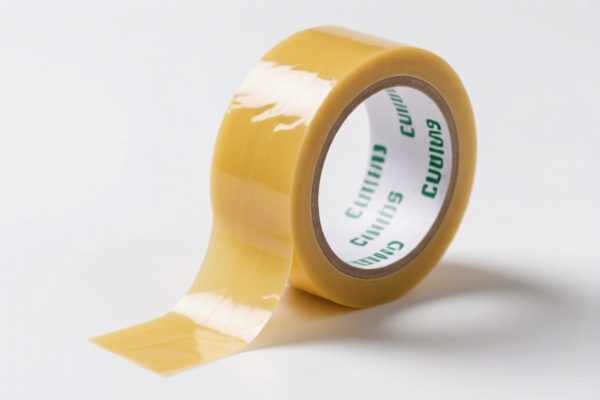
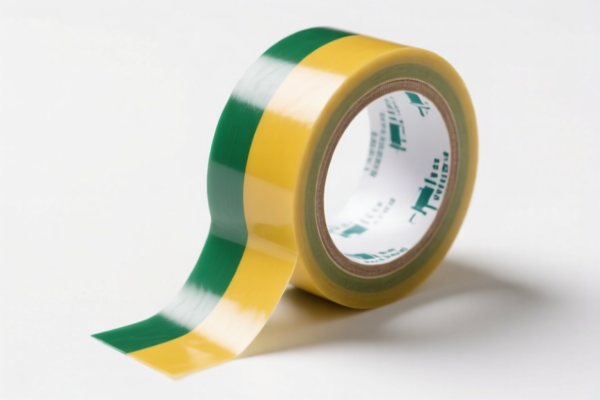
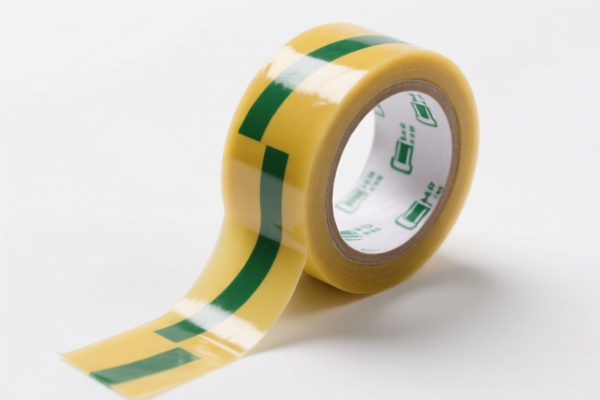
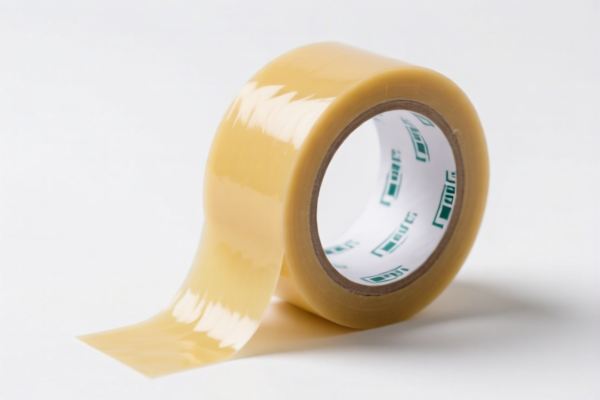
AI Analysis
🩹 Insulation Tape Red (Electrical Insulating Tape)
🌐 HS Code Reference & Customs Clearance Guide | 2026 Latest Tariff Analysis | Professional Entry Strategy
📌 One, Product Definition and Classification: What Exactly is "Red Insulation Tape"?
Red insulation tape, commonly known as PVC electrical tape, is a critical component in electrical wiring, circuit protection, and industrial insulation. In international trade, it is primarily classified under Chapter 39 (Plastics and Articles Thereof). However, the precise subheading depends on whether it is explicitly categorized as a dedicated "insulating material" or broadly as a "plastic article."
Key Classification Logic:
- Specific vs. General: Chapter 39, Heading 39.19 specifically covers "Self-adhesive plates, sheets, film, foil, tape, strip and other flat shapes, of plastics, whether or not in rolls." This is the most accurate fit for insulation tape.
- Material Inference: Although the name "Insulation Tape" doesn't explicitly state the material, it is universally understood to be made of PVC or other polymer plastics. Therefore, it falls under plastic products.
- Use Case: Its primary use is electrical insulation ("电工" purpose), which aligns perfectly with Heading 39.19.
📦 Two, HS Code Classification Details (2026 Latest Tariff Authority Comparison)
Based on the provided data, here are the four possible HS Codes and their matching logic:
| HS Code | Product Description | Matching Logic (Summary from Data) | Total Tax Rate |
|---|---|---|---|
3919.10.20.20 |
Self-adhesive plastic tape (specifically for electrical insulation) | High Match: The 'insulating' attribute aligns with 'electrical' use. Inferred as plastic self-adhesive tape, fitting the definition of electrical tape. | 40.8% |
3919.90.50.30 |
Other self-adhesive plastic tapes | Successful Match: The name "Insulation Tape" matches the intended use (electrical insulation). Material inferred as plastic self-adhesive tape. | 40.8% |
3926.90.99.89 |
Other plastic articles (general) | Inferred Match: Material inferred as plastic/polymer (PVC). Classified as "other plastic articles" not specifically listed elsewhere. | 22.8% |
3926.90.45.90 |
Plastic gaskets, washers, and seals | Inferred Match: Material inferred as plastic film. Classified as related to gaskets/seals. | 38.5% |
🔍 Key Distinction:
- 3919 vs. 3926: Heading 39.19 is for self-adhesive plastic shapes (like tape). Heading 39.26 is for other plastic articles. Since insulation tape is self-adhesive, 39.19 is the technically correct heading.
- Risk of Misclassification: Using 3926 (e.g.,3926.90.99.89) might appear cheaper (22.8%), but it is less accurate for self-adhesive tape and may trigger customs audits for incorrect classification.
💰 Three, 2026 Latest Tariff Rate Breakdown (Including Surcharges & Policy Add-ons)
✅ Applicable Country: United States (US)
✅ Country of Origin: China (CN)
✅ Effective Date: From November 10, 2025 (including subsequent imports)
🎯 1. 3919.10.20.20 & 3919.90.50.30 —— Self-Adhesive Plastic Tape (Electrical Insulation)
| Item | Details |
|---|---|
| Base Tariff | 5.8% (Ad Valorem) |
| Section 301 Surcharge | +25.0% (Additional Tariff) |
| Section 122 Tariff | +10.0% (122-Clauses Tariff) |
| Total Tax Rate | 40.8% |
| Tax Calculation | CIF Value × 40.8% |
| De Minimis Eligibility | ❌ Not Applicable (High risk of detention) |
| Legal Basis Path | Base Tariff → Section 301: 25% → Section 122: 10% |
📌 Explanation:
- These two HS Codes share the same tax structure.
- The 25% Section 301 tariff is the most significant burden, applied to most Chinese-origin plastic products.
- The 10% Section 122 tariff is an additional layer for specific trade-sensitive goods.
- Total 40.8% is a high tariff that significantly impacts profit margins.
🎯 2. 3926.90.99.89 —— Other Plastic Articles (General)
| Item | Details |
|---|---|
| Base Tariff | 5.3% (Ad Valorem) |
| Section 301 Surcharge | +7.5% (Additional Tariff) |
| Section 122 Tariff | +10.0% (122-Clauses Tariff) |
| Total Tax Rate | 22.8% |
| Tax Calculation | CIF Value × 22.8% |
| De Minimis Eligibility | ❌ Not Applicable |
| Legal Basis Path | Base Tariff → Section 301: 7.5% → Section 122: 10% |
📌 Warning:
- While the 22.8% rate looks attractive, this classification is less accurate for self-adhesive tape.
- Customs may challenge this classification, leading to reclassification, penalties, or delays.
- Use this only if you have strong justification that the product is not self-adhesive (which is unlikely for "insulation tape").
🎯 3. 3926.90.45.90 —— Plastic Gaskets/Seals (Inferred)
| Item | Details |
|---|---|
| Base Tariff | 3.5% (Ad Valorem) |
| Section 301 Surcharge | +25.0% (Additional Tariff) |
| Section 122 Tariff | +10.0% (122-Clauses Tariff) |
| Total Tax Rate | 38.5% |
| Tax Calculation | CIF Value × 38.5% |
| De Minimis Eligibility | ❌ Not Applicable |
| Legal Basis Path | Base Tariff → Section 301: 25% → Section 122: 10% |
📌 Note:
- This classification assumes the tape is used as a "gasket" or "seal," which is not its primary function.
- The 38.5% rate is close to the 39.19 rates, so there is no significant tax saving, but higher classification risk.
🛠️ Four, Customs Clearance Practical Advice (Battle-Tested Pitfall Avoidance Guide)
✅ 1. Document Preparation Checklist (Mandatory)
| Document | Must Provide | Explanation |
|---|---|---|
| ✅ Product Specification Sheet | ✔️ | Include material (e.g., PVC), thickness, width, length, and voltage resistance. |
| ✅ Product Photos | ✔️ | Clear images showing the self-adhesive backing, roll form, and any branding. |
| ✅ Commercial Invoice | ✔️ | Clearly state "Electrical Insulating Tape, PVC, Red, Self-Adhesive." Avoid vague terms like "plastic tape." |
| ✅ Packing List | ✔️ | Specify net/gross weight and quantity (rolls/cards). |
| ✅ Certificate of Origin (CO) | ✔️ | If applicable for non-US origin, but for China origin, it confirms duty liability. |
✅ 2. Declaration Tips (Key Mantras)
🔥 "Be Specific, Be Accurate, Avoid 'Other'!"
| Scenario | Correct Declaration | Wrong Approach |
|---|---|---|
| Standard Red Insulation Tape | 3919.10.20.20 or 3919.90.50.30 |
Using 3926.90.99.89 to save tax → Audit Risk! |
| Tape with Special Coating | 3919.10.20.20 (if still self-adhesive plastic) |
Claiming it's "rubber" or "fabric" without proof → Misclassification |
| Non-Self-Adhesive Insulation Material | 3926.90.99.89 (if truly non-adhesive) |
Calling it "tape" but it's a loose sheet → Contradiction |
✅ 3. Special Circumstances Handling
| Situation | Handling Advice |
|---|---|
| OEM Custom Tape | Provide customer order + design specs. Ensure the description matches the physical product exactly. |
| Bulk vs. Retail | Whether sold in bulk rolls or individual cards, the HS Code remains the same. Do not split the shipment to avoid scrutiny. |
| Mixed Shipments | If shipping insulation tape with other plastic goods, declare separately. Do not mix under one generic code. |
| Low-Value Shipments | ❌ De Minimis Exemption Does Not Apply. Even small quantities are subject to the 40.8% tariff. |
🌍 Five, Global Main Market Clearance Comparison (2026 Latest)
| Country/Region | Recommended HS Code | Tariff (China Origin) | Certification Requirements | Remarks |
|---|---|---|---|---|
| 🇺🇸 USA | 3919.10.20.20 |
40.8% | No special certs required | High tariff due to Section 301 & 122 |
| 🇨🇳 China | 3919.10.20.20 |
~7.5% | CCC (if applicable) | No additional surcharges |
| 🇪🇺 EU | 3919.10.90 |
6.5% | CE, RoHS | No additional surcharges |
| 🇬🇧 UK | 3919.10.90 |
6.5% | UKCA, RoHS | Post-Brexit rules apply |
| 🇯🇵 Japan | 3919.10.00 |
6.0% | PSE (if electrical) | No additional surcharges |
📌 Conclusion:
- The USA imposes the highest tariffs on Chinese insulation tape due to trade policies.
- Exporting to the US requires precise classification to avoid penalties.
- Alternative markets (EU, UK, Japan) offer significantly lower duties (6–7.5%).
📌 Six, Common Mistakes & Pitfall Guide (Lessons from Blood)
❌ Mistake 1: Classifying as 3926.90.99.89 to pay only 22.8% tax
👉 Consequence: Customs audit for incorrect classification → Back taxes + fines!
❌ Mistake 2: Not specifying "Self-Adhesive" on the invoice
👉 Consequence: Customs may question the product nature → Delay in clearance
❌ Mistake 3: Assuming "De Minimis" exemption applies to small orders
👉 Consequence: Package seized or taxed at 40.8% → Loss of shipment
❌ Mistake 4: Using vague terms like "Plastic Tape" instead of "Insulating Tape"
👉 Consequence: Incorrect HS Code selection → Potential penalties
✅ Correct Practice:
"Red PVC Electrical Insulating Tape, Self-Adhesive, 19mm x 10m, UL Certified"
🎯 Seven, Conclusion: Professional Declaration, Save Time, Reduce Costs!
🎯 Remember the Mantra:
🔹 "Self-Adhesive = 3919, General Plastic = 3926"
🔹 "USA Tariff = 40.8%, Don't Risk It!"
🔹 "Be Specific on Invoice, Avoid Audits!"
📌 Pro Tip:
If you are shipping to the USA, ensure your HS Code is pre-validated. Consider Advance Rulings from CBP to mitigate risk.
For non-US markets, the tax burden is much lighter, making them more attractive for cost-sensitive exports.
📣 Immediate Action:
📞 Contact a professional customs broker + Provide product specs + Verify HS Code
🚀 Let your insulation tape clear customs smoothly, efficiently, and profitably!
✨ Professional Clearance Starts with Precise Classification!
💼 Every cent of your cost deserves accurate calculation!
Customer Reviews
About HS Code Classification
The Harmonized System (HS) is an internationally standardized nomenclature developed by the World Customs Organization (WCO) to classify traded products. Over 200 countries use the HS system as the basis for customs tariffs, trade statistics, and import/export regulations.
Each HS code follows a hierarchical structure:
- Chapter (2 digits) — Broad category of goods (e.g., Chapter 84: Machinery and Mechanical Appliances)
- Heading (4 digits) — More specific grouping within the chapter
- Subheading (6 digits) — Internationally standardized breakdown, used by all WCO member countries
- National subdivisions (8-10 digits) — Country-specific extensions for further classification, such as US HTSUS 10-digit codes
Correct HS code classification is essential for smooth customs clearance, accurate duty payment, and compliance with trade regulations. Misclassification can lead to customs delays, overpayment of duties, or penalties.
When importing from CN to US, the applicable tariff rates may include:
- Most-Favored-Nation (MFN) rate — The standard duty rate applied to WTO members
- General rate — Applied to countries without trade agreements
- Trade remedy duties — Additional tariffs such as Section 301 (anti-dumping), Section 232 (national security), or countervailing duties
The information provided on this page is for reference purposes only. For official classification, please consult with your local customs authority or a licensed customs broker.