Insulation Tape Strip
CN → US| HS Code | Tariff Rate | Origin | Destination | Doc |
|---|---|---|---|---|
| 3926909989 | 22.8% | CN | US | Official Doc |
| 3919905030 | 40.8% | CN | US | Official Doc |
| 3919102020 | 40.8% | CN | US | Official Doc |
| 3926904590 | 13.5% | CN | US | Official Doc |
| 8547900010 | 89.6% | CN | US | Official Doc |
Product Images
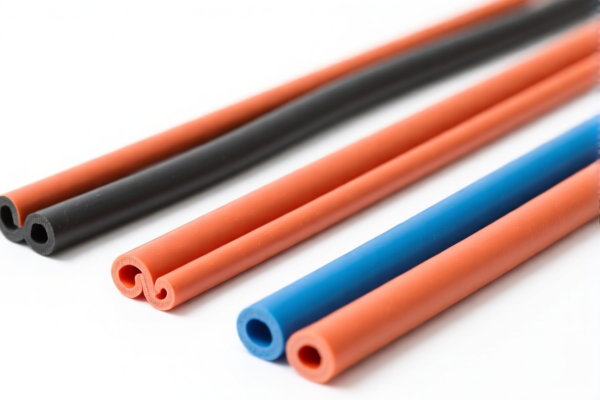
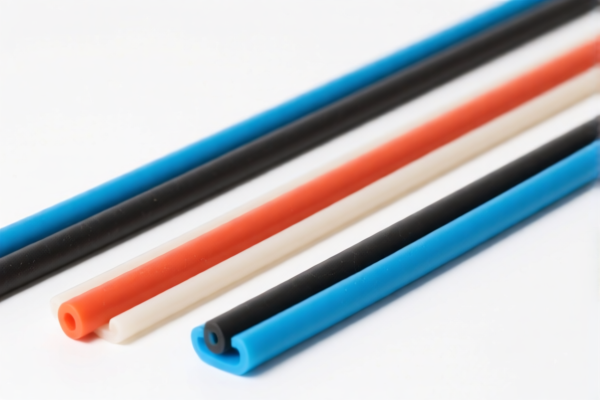
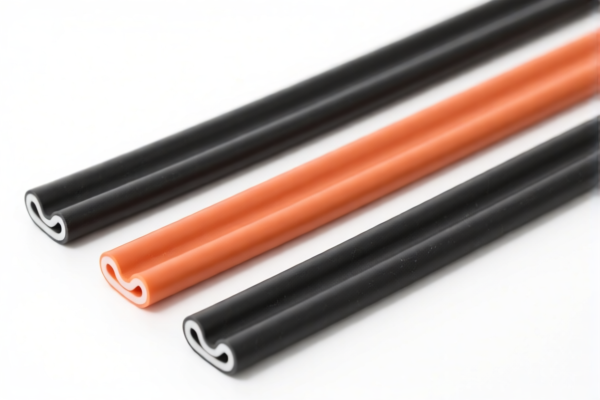
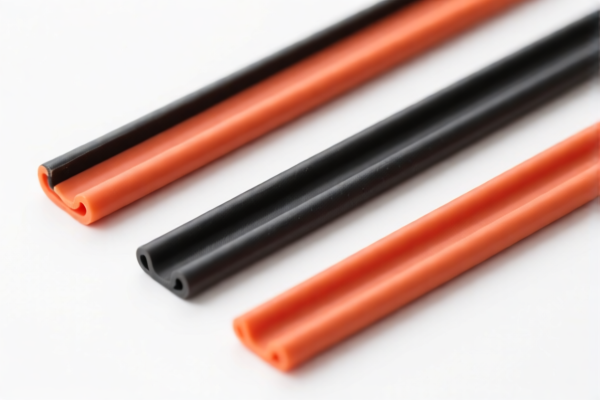
AI Analysis
🎯 Insulation Tape Strip
🌐 HS Code & Tariff Guide | 2026 U.S. Customs Classification & Duty Breakdown | Expert Clearance Strategy
📌 One Product, Multiple HS Codes — Know the Difference to Avoid 89.6% Tariffs!
📦 I. Product Definition & Classification: What Exactly Is an “Insulation Tape Strip”?
An Insulation Tape Strip is a flexible, adhesive-backed tape made from plastic or polymer materials, primarily used for electrical insulation, wire wrapping, and sealing in industrial, automotive, and consumer electronics applications.
⚠️ Critical Distinction: - If it's self-adhesive, flexible, and used for electrical insulation → likely 3919.90.50.30 or 3919.10.20.20
- If it's non-adhesive, rigid, or used as a gasket/seal → may fall under 3926.90.45.90
- If it's an insulating accessory for automotive wiring systems → could be 8547.90.00.10🔍 Real-World Example:
A 1-inch wide, 10-meter roll of rubberized PVC tape with self-adhesive backing used to insulate car battery cables → 3919.90.50.30
📊 II. HS Code Classification Table (2026 U.S. Tariff Schedule)
| HS Code | Product Description | Key Features | Tax Exposure |
|---|---|---|---|
3919.90.50.30 |
Electrical insulating plastic self-adhesive tape | Self-sticking, flexible, used for wire insulation | ✅ High Risk |
3919.10.20.20 |
Plastic self-adhesive tape for electrical use | Similar to above; includes vinyl, polyester, or polyolefin-based tapes | ✅ High Risk |
3926.90.45.90 |
Other plastic articles: gaskets, seals, washers | Non-adhesive, rigid, used for sealing or mechanical fit | ⚠️ Moderate Risk |
8547.90.00.10 |
Insulating accessories for automotive wiring systems | Designed for vehicles; may include connector sleeves, terminal wraps, or insulation boots | 🔥 Extreme Risk |
📌 Pro Tip:
- Self-adhesive + electrical insulation = 3919.xxxx
- Non-adhesive + sealing function = 3926.90.45.90
- Automotive-specific insulation parts = 8547.90.00.10
💰 III. 2026 U.S. Tariff Breakdown (China-Origin Goods)
✅ Applicable Country: United States (US)
✅ Origin: China (CN)
✅ Effective Date: November 10, 2025 (as per updated Section 301 & IEEPA rules)
🎯 1. 3919.90.50.30 – Electrical Insulating Plastic Self-Adhesive Tape
| Item | Detail |
|---|---|
| Base Duty | 5.8% (ad valorem) |
| Section 301 (USITC) Additional Duty | +25.0% |
| Section 122 (IEEPA) Additional Duty | +10.0% |
| Total Effective Duty | 40.8% |
| Tax Calculation | CIF Value × 40.8% |
| De Minimis Threshold | ❌ Not eligible (denied under 19 U.S.C. § 1304) |
| Legal Basis Path | IEEPA:9903.01.25 → USITC:3919.90.50.30 → FOOTNOTE:9903.88.01 |
📌 Explanation:
- 25% Section 301: Imposed under the U.S. Trade Act of 1974 (Section 301) due to China’s IP and technology transfer practices.
- 10% Section 122 (IEEPA): Enacted under the International Emergency Economic Powers Act — applies to all goods from China/China-controlled entities.
- Total = 40.8% — one of the highest tariffs on plastic electrical components.
🎯 2. 3919.10.20.20 – Plastic Self-Adhesive Tape for Electrical Use
| Item | Detail |
|---|---|
| Base Duty | 5.8% |
| Section 301 (USITC) Additional Duty | +25.0% |
| Section 122 (IEEPA) Additional Duty | +10.0% |
| Total Effective Duty | 40.8% |
| Tax Calculation | CIF × 40.8% |
| De Minimis | ❌ Not eligible |
| Legal Basis Path | IEEPA:9903.01.25 → USITC:3919.10.20.20 → FOOTNOTE:9903.88.01 |
📌 Note:
- Identical treatment to3919.90.50.30— even if the material is polyester or polyolefin, if used for electrical insulation and self-adhesive, same tax applies.
- Do not confuse with non-electrical tapes (e.g., packaging tape) — those may have lower or zero tariffs.
🎯 3. 3926.90.45.90 – Other Plastic Articles: Gaskets, Seals, Washers
| Item | Detail |
|---|---|
| Base Duty | 3.5% |
| Section 301 (USITC) Additional Duty | 0.0% |
| Section 122 (IEEPA) Additional Duty | +10.0% |
| Total Effective Duty | 13.5% |
| Tax Calculation | CIF × 13.5% |
| De Minimis | ✅ Eligible (if below $800) |
| Legal Basis Path | IEEPA:9903.01.24 → FOOTNOTE:9903.88.01 |
📌 Key Insight:
- This code applies only if the tape is non-adhesive and used as a mechanical seal or gasket.
- If the tape is self-adhesive and used for insulation, do NOT use this code — it will trigger a duty adjustment + penalties.
🎯 4. 8547.90.00.10 – Insulating Accessories for Automotive Wiring Systems
| Item | Detail |
|---|---|
| Base Duty | 4.6% |
| Section 301 (USITC) Additional Duty | +25.0% |
| Section 122 (IEEPA) Additional Duty | +10.0% |
| Steel/Aluminum/Copper Add-on Duty | +50% (if components contain these metals) |
| Total Effective Duty | 89.6% (up to 100% if metal content applies) |
| Tax Calculation | CIF × 89.6% (or more) |
| De Minimis | ❌ Not eligible |
| Legal Basis Path | IEEPA:9903.01.25 → USITC:8547.90.00.10 → FOOTNOTE:9903.88.01 + FOOTNOTE:9903.88.02 |
📌 🚨 WARNING:
- This is the highest tariff in the list — 89.6%.
- +50% on steel/aluminum/copper parts applies if any component contains these metals — common in automotive insulation boots or connectors.
- Example: A plastic-insulated wire sleeve with metal terminals → 89.6% + 50% = 139.6%!
🛠️ IV. Clearance Best Practices (Avoid $10K+ Penalties!)
✅ 1. Essential Documentation (Must-Have)
| Document | Required? | Why It Matters |
|---|---|---|
| ✅ Product Specifications | ✔️ | Prove material type, adhesiveness, and intended use |
| ✅ Circuit Diagram / Application Use Case | ✔️ | Show it's for electrical insulation, not general sealing |
| ✅ High-Res Product Photos (with label) | ✔️ | Show adhesive backing, thickness, color, and brand |
| ✅ Material Safety Data Sheet (MSDS) | ✔️ | Confirm polymer type (PVC, polyester, etc.) |
| ✅ Commercial Invoice | ✔️ | Must state: “Electrical Insulating Self-Adhesive Tape” |
| ✅ Certificate of Origin (CO) | ✔️ | Needed for tariff eligibility (e.g., Vietnam origin = lower duty) |
| ✅ Test Report (UL, RoHS, CE) | ✔️ | Increases credibility with CBP |
✅ 2.申报技巧(申报口诀)
🔥 “Adhesive? Yes → 3919. Use? Electrical → 3919. Automotive? → 8547.90.00.10! Avoid 89.6%!”
| Scenario | Correct HS Code | Wrong Code | Risk |
|---|---|---|---|
| Self-adhesive plastic tape for wire insulation | 3919.90.50.30 |
3926.90.45.90 |
+27.3% duty |
| Tape used in car engine wiring harness | 8547.90.00.10 |
3919.90.50.30 |
+48.8% duty + metal surcharge |
| Non-adhesive rubber gasket for machine | 3926.90.45.90 |
3919.10.20.20 |
+13.5% vs 40.8% → Save $27k per container! |
✅ 3. Special Cases & Workarounds
| Situation | Recommended Action |
|---|---|
| Tape has metal terminals | Declare as 8547.90.00.10 — but prepare for 89.6% + 50% metal surcharge |
| Tape is made in Vietnam/Mexico | Apply for CO — may qualify for 0% or 5% duty under trade agreements |
| Tape is for medical devices | Can apply for non-commercial exemption — requires FDA/CE documentation |
| Tape is for military/aviation | Request special use classification — may reduce or waive tariffs |
🌍 V. Global Tariff Comparison (2026)
| Country | Recommended HS Code | Duty (China-Origin) | Certification | Notes |
|---|---|---|---|---|
| 🇺🇸 United States | 3919.90.50.30 |
40.8% | FCC, UL, RoHS | High risk |
| 🇨🇳 China | 3919.90.50.30 |
5% | CCC, RoHS | No extra tariffs |
| 🇪🇺 European Union | 3919.90.50.30 |
0% (if CE) | CE, RoHS | No 301/IEEPA |
| 🇦🇺 Australia | 3919.90.50.30 |
5% | RCM | No extra duties |
| 🇯🇵 Japan | 3919.90.50.30 |
0% | PSE | No附加税 |
📌 Takeaway:
- The U.S. is the only market with 40.8%+ tariffs on these tapes.
- China-origin goods face extreme risk — never assume "plastic tape" = low duty.
🚨 VI. Common Mistakes & Penalties (Real Cases)
❌ Mistake 1: Declaring automotive insulation tape as general-purpose plastic tape
👉 Result: Duty underpayment → $50,000+ penalty + interest
❌ Mistake 2: Not disclosing metal content in tape accessories
👉 Result: +50% surcharge applied retroactively
❌ Mistake 3: Using “plastic strip” instead of “electrical insulating tape” in invoice
👉 Result: CBP reclassifies → duty increase + delay
✅ Correct Labeling Example:
"Electrical Insulating Self-Adhesive Tape, 1" x 10m, PVC-based, for Wire Wrapping, UL Listed, Made in China"
🎯 VII. Final Verdict: Smart Classification Saves Thousands
🔹 “If it sticks and insulates → 3919.90.50.30 → 40.8%”
🔹 “If it’s in a car → 8547.90.00.10 → 89.6% (up to 139.6% with metal!)”
🔹 “If it’s not adhesive → 3926.90.45.90 → 13.5%”📌 Pro Tip:
- Pre-apply for an Advance Ruling (AR) from U.S. Customs (CBP) — get official confirmation on your HS Code before shipment.
- Use non-China origin (e.g., Vietnam, Mexico) to avoid 301/IEEPA tariffs.
📣 Act Now: Protect Your Profit Margin!
📞 Contact a U.S.-licensed customs broker + provide product photos + request HS Code pre-ruling
🚀 Avoid 89.6% tariffs — secure your clearance today!
✨ Precision in Classification = Profit in Profitability!
💼 Your tape’s HS Code isn’t just a number — it’s your bottom line.
Customer Reviews
About HS Code Classification
The Harmonized System (HS) is an internationally standardized nomenclature developed by the World Customs Organization (WCO) to classify traded products. Over 200 countries use the HS system as the basis for customs tariffs, trade statistics, and import/export regulations.
Each HS code follows a hierarchical structure:
- Chapter (2 digits) — Broad category of goods (e.g., Chapter 84: Machinery and Mechanical Appliances)
- Heading (4 digits) — More specific grouping within the chapter
- Subheading (6 digits) — Internationally standardized breakdown, used by all WCO member countries
- National subdivisions (8-10 digits) — Country-specific extensions for further classification, such as US HTSUS 10-digit codes
Correct HS code classification is essential for smooth customs clearance, accurate duty payment, and compliance with trade regulations. Misclassification can lead to customs delays, overpayment of duties, or penalties.
When importing from CN to US, the applicable tariff rates may include:
- Most-Favored-Nation (MFN) rate — The standard duty rate applied to WTO members
- General rate — Applied to countries without trade agreements
- Trade remedy duties — Additional tariffs such as Section 301 (anti-dumping), Section 232 (national security), or countervailing duties
The information provided on this page is for reference purposes only. For official classification, please consult with your local customs authority or a licensed customs broker.