Intake System
CN → US| HS Code | Tariff Rate | Origin | Destination | Doc |
|---|---|---|---|---|
| 8409915085 | 37.5% | CN | US | Official Doc |
| 7307933040 | 91.2% | CN | US | Official Doc |
| 8708927500 | 37.5% | CN | US | Official Doc |
| 8708925000 | 37.5% | CN | US | Official Doc |
| 8409915085 | 37.5% | CN | US | Official Doc |
Product Images
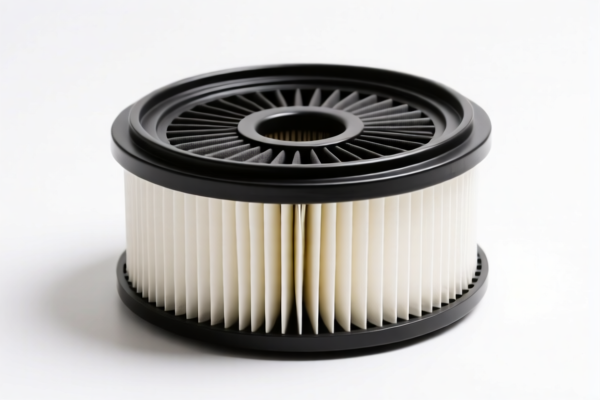
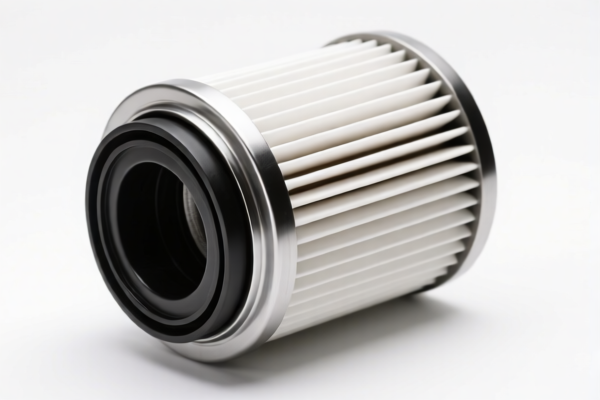
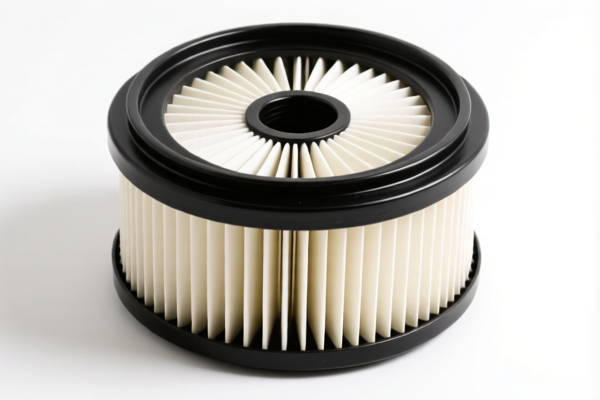
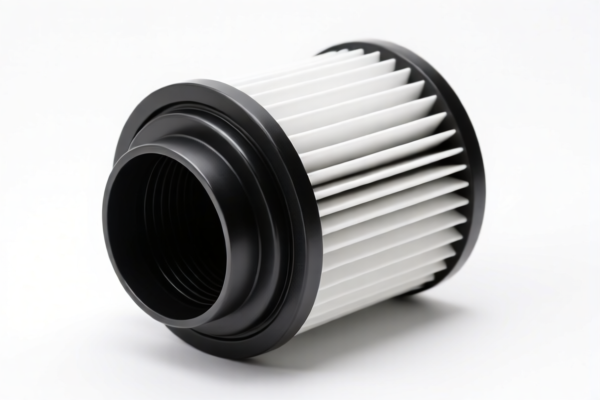
AI Analysis
🚗 Intake System (Engine Air Intake Components)
🌐 HS Code Reference & Customs Clearance Guide | 2026 Latest Tariff Analysis | Professional Customs Strategy
📌 1. Product Definition & Classification: What Exactly is an "Intake System"?
The Intake System (specifically for engines, typically automotive) is a critical component that filters, compresses, and delivers air to the engine combustion chamber. In international trade, its classification depends heavily on material composition and specific structural role.
Key Distinction Points: * As a Whole Engine Part: If the system is clearly identifiable as a part of an internal combustion engine, it falls under Chapter 84. * As Metal Piping/Connections: If the primary function is structural piping made of steel, it may fall under Chapter 73. * As General Auto Accessories: If it’s a loose assembly not strictly defined as an engine part, it may fall under the "Other Parts" category in Chapter 87.
⚠️ Critical Note:
- Misclassification leads to massive tariff discrepancies (e.g., 37.5% vs. 91.2%).
- US Customs requires precise description: "Engine Intake Manifold" vs. "Steel Pipe Fitting" vs. "Auto Part."
📦 2. HS Code Classification Details (2026 Authoritative Reference)
Based on the provided data, here are the five possible classifications for an Intake System:
| HS Code | Summary Description | Applicable Scenario | Material/Structure Logic |
|---|---|---|---|
| 8409.91.50.85 | Engine Parts | Main classification for engine intake systems. | Metal or heat-resistant plastic; identified as engine component. |
| 7307.93.30.40 | Steel Pipe Fittings | If components are metal tubes/pipes (welded fittings). | Iron or non-alloy steel tubular products; focused on material rather than function. |
| 8708.92.75.00 | Other Auto Parts | General "catch-all" for auto system components. | Broad classification for parts/attachments not specified elsewhere. |
| 8708.92.50.00 | Exhaust/Muffler Parts | If the intake includes pipe/silencer-like structures. | Matches definition of pipe/muffler parts/attachments. |
| 8409.91.50.85 | Engine Parts (Re-confirm) | Re-confirmation for unspecified material intake parts. | Based on engine part morphology; same as first entry. |
🔍 Key Observation:
- 8409.91.50.85 and 8708.92.75.00/50.00 share the same total tax rate (37.5%), making them the safer, lower-cost options. - 7307.93.30.40 has a drastically higher rate (91.2%) and should be avoided unless the product is strictly a steel pipe fitting unrelated to engine function.
💰 3. 2026 Tariff Rate Breakdown (Including Surcharges)
✅ Applicable Country: United States (US)
✅ Origin: China (CN)
✅ Effective Date: Current rates as per 2026 data
🎯 Scenario A: Classified as Engine/Auto Parts (37.5% Total Rate)
HS Codes: 8409.91.50.85, 8708.92.75.00, 8708.92.50.00
| Item | Details |
|---|---|
| Base Tariff | 2.5% (Standard MFN rate for auto/engine parts) |
| Section 301 Surcharge | +25.0% (USITC Section 301 tariffs on Chinese goods) |
| Section 122 Tariff | +10.0% (Specific surcharge for steel/aluminum or related products) |
| Total Tax Rate | 37.5% |
| Calculation | CIF Value × 37.5% |
| De Minimis Exemption | ❌ Not Available (Section 301 and 122 tariffs apply regardless of value) |
📌 Explanation:
- This is the standard and recommended classification for most intake systems.
- The 37.5% rate is high but significantly lower than the 91.2% alternative.
- Section 122 applies here, indicating the item is considered under specific trade remedy provisions.
🎯 Scenario B: Classified as Steel Pipe Fittings (91.2% Total Rate)
HS Code: 7307.93.30.40
| Item | Details |
|---|---|
| Base Tariff | 6.2% (Standard rate for steel pipe fittings) |
| Section 301 Surcharge | +25.0% (Section 301 tariffs) |
| Section 122 Tariff | +10.0% (Specific surcharge) |
| Steel/Aluminum/Copper Surcharge | +50.0% (Additional punitive tariff for metal products) |
| Total Tax Rate | 91.2% |
| Calculation | CIF Value × 91.2% |
| De Minimis Exemption | ❌ Not Available |
📌 Warning:
- This classification is extremely costly.
- The +50% Steel/Aluminum/Copper surcharge makes this category prohibitive for most businesses.
- Only use this if the product is purely a generic steel pipe fitting and cannot be argued as an engine part.
🛠️ 4. Customs Clearance Practical Advice (Risk Mitigation)
✅ 1. Documentation Checklist (Mandatory)
| Document | Required? | Purpose |
|---|---|---|
| Product Specification Sheet | ✅ | Define material (metal vs. plastic), dimensions, and engine compatibility. |
| Technical Diagram | ✅ | Show that the item is a functional part of the intake system, not just a pipe. |
| Commercial Invoice | ✅ | Use precise description: "Engine Intake System, for [Brand] Auto, HS 8409.91.50.85" |
| Origin Certificate (CO) | ✅ | Essential for origin verification (China origin triggers surcharges). |
| Packaging List | ✅ | Detail all components to avoid "missing parts" flags. |
✅ 2. Classification Strategy (Key Recommendations)
| Situation | Recommended HS Code | Reason |
|---|---|---|
| Standard Intake Manifold/Assembly | 8409.91.50.85 | Clearly an engine part; lower tax (37.5%). |
| Loose Auto Intake Component | 8708.92.75.00 | Broad auto part category; lower tax (37.5%). |
| Pipe/Silencer-like Intake Part | 8708.92.50.00 | Matches pipe/muffler part definition; lower tax (37.5%). |
| Generic Steel Pipe Fitting (No Engine Function) | 7307.93.30.40 | ⚠️ AVOID unless necessary; tax is 91.2%. |
🔥 Pro Tip:
- Avoid 7307.93.30.40 unless the product is purely a steel pipe and has no specific engine identification.
- Prefer 8409.91.50.85 as it is the most defensible for "engine parts."
✅ 3. Special Cases
| Scenario | Handling Advice |
|---|---|
| Mixed Material (Plastic + Metal) | Classify as 8409.91.50.85 (Engine Part) if the plastic is heat-resistant and integral to function. |
| OEM Custom Parts | Provide OEM design documents to prove it’s an engine-specific part, not a generic pipe. |
| Importing from Vietnam/Mexico | Check for IEEPA Exemptions or USMCA/FTA benefits to reduce tariffs. |
🌍 5. Global Market Comparison (2026)
| Market | Recommended HS Code | Estimated Total Tariff | Key Requirement |
|---|---|---|---|
| 🇺🇸 USA | 8409.91.50.85 |
37.5% | Section 301 + 122 tariffs apply. |
| 🇨🇳 China | 8409.91.50.85 |
~5-10% | Import duties + VAT. |
| 🇪🇺 EU | 8409.91.50.85 |
~4-6% | CE Certification may be required. |
| 🇲🇽 Mexico | 8409.91.50.85 |
0% (if USMCA compliant) | Origin rules must be met. |
📌 Conclusion:
- The USA has the highest effective tariff due to trade war surcharges.
- Proper classification is critical to avoid the 91.2% penalty.
📌 6. Common Errors & Pitfalls (Lessons Learned)
❌ Error 1: Classifying as 7307.93.30.40 (Steel Pipe)
👉 Consequence: Tax jumps from 37.5% to 91.2%.
👉 Fix: Provide engine compatibility documents.
❌ Error 2: Vague Description ("Auto Part")
👉 Consequence: Customs may assign a higher tariff code or delay clearance.
👉 Fix: Use specific terms: "Engine Intake Manifold, Model XYZ, for 2025 Honda Civic."
❌ Error 3: Ignoring Section 122 Tariff
👉 Consequence: Underpayment of duties, leading to penalties.
👉 Fix: Ensure all surcharges are included in cost calculations.
✅ Correct Declaration Example:
"Engine Intake System, consisting of plastic manifold and metal pipes, designed for automotive internal combustion engines. Model: INT-2026. Origin: China."
🎯 7. Conclusion: Professional Classification Saves Money
🎯 Key Takeaways:
🔹 Classify as Engine Part (8409.91.50.85) for the lowest tax (37.5%).
🔹 Avoid Steel Pipe Classification (7307.93.30.40) unless unavoidable; tax is 91.2%.
🔹 Documentation is Key: Prove it’s an engine component, not just a pipe.
🔹 Plan for 37.5% Total Tax in your cost model for US imports from China.
📌 Action Item:
📞 Contact a Customs Broker for a Pre-Ruling if the product’s classification is borderline.
🚀 Optimize Supply Chain: Consider sourcing from non-China origins (e.g., Vietnam, Mexico) if tariffs are prohibitive.
✨ Precision in Classification, Profit in Clearance!
💼 Don’t let a 53.7% tax difference erase your margin!
Customer Reviews
About HS Code Classification
The Harmonized System (HS) is an internationally standardized nomenclature developed by the World Customs Organization (WCO) to classify traded products. Over 200 countries use the HS system as the basis for customs tariffs, trade statistics, and import/export regulations.
Each HS code follows a hierarchical structure:
- Chapter (2 digits) — Broad category of goods (e.g., Chapter 84: Machinery and Mechanical Appliances)
- Heading (4 digits) — More specific grouping within the chapter
- Subheading (6 digits) — Internationally standardized breakdown, used by all WCO member countries
- National subdivisions (8-10 digits) — Country-specific extensions for further classification, such as US HTSUS 10-digit codes
Correct HS code classification is essential for smooth customs clearance, accurate duty payment, and compliance with trade regulations. Misclassification can lead to customs delays, overpayment of duties, or penalties.
When importing from CN to US, the applicable tariff rates may include:
- Most-Favored-Nation (MFN) rate — The standard duty rate applied to WTO members
- General rate — Applied to countries without trade agreements
- Trade remedy duties — Additional tariffs such as Section 301 (anti-dumping), Section 232 (national security), or countervailing duties
The information provided on this page is for reference purposes only. For official classification, please consult with your local customs authority or a licensed customs broker.