Intelligent Insulation Cup
CN → US| HS Code | Tariff Rate | Origin | Destination | Doc |
|---|---|---|---|---|
| 9617001000 | 17.2% | CN | US | Official Doc |
| 9617003000 | 16.9% | CN | US | Official Doc |
| 7323930060 | 62.0% | CN | US | Official Doc |
| 7323999030 | 88.4% | CN | US | Official Doc |
| 7418100051 | 70.5% | CN | US | Official Doc |
Product Images
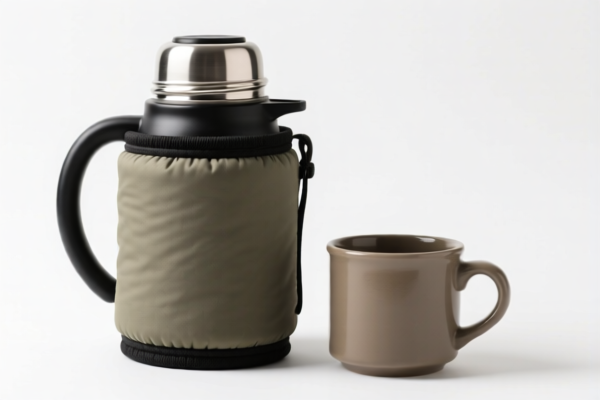
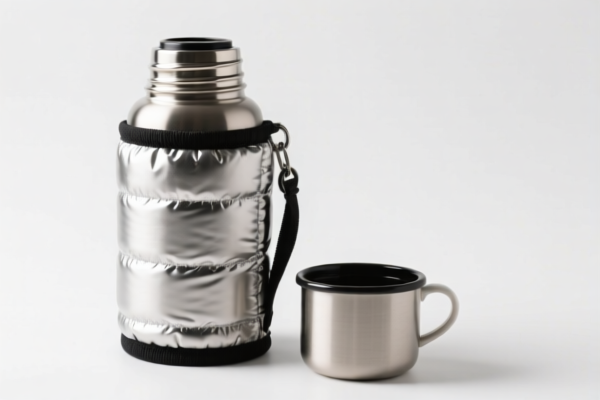
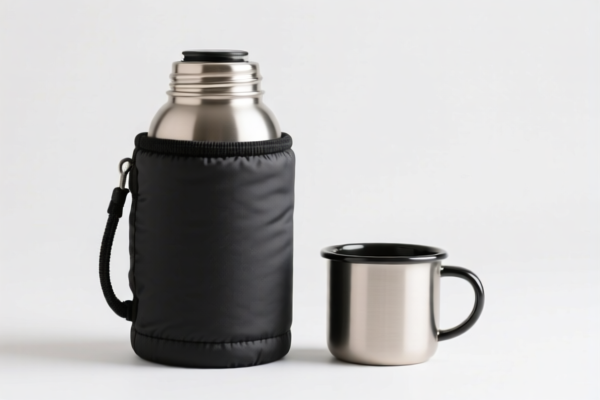
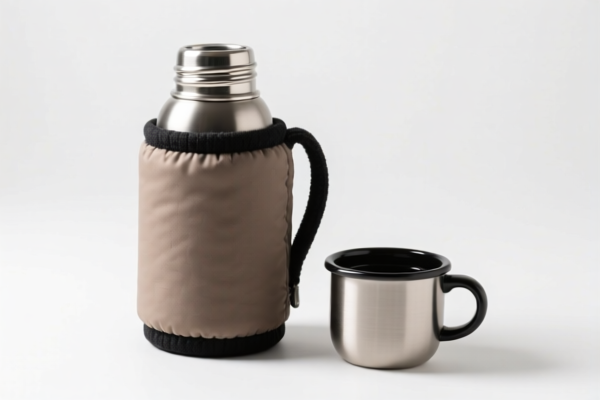
AI Analysis
☕ Intelligent Insulation Cup (Smart Vacuum Flask)
🌐 HS Code Reference & Customs Clearance Guide | 2026 Latest Tariff Analysis | Professional Clearance Strategy
📌 I. Product Definition & Classification: Do You Really Understand "Intelligent Insulation Cup"?
The Intelligent Insulation Cup is a modern drinking vessel designed to maintain liquid temperature while potentially integrating digital features (e.g., temperature display, LED lights, or app connectivity). In international trade, its classification hinges on two primary factors:
1. Structure: Is it a complete "vacuum container" (96.17) or a "household utensil" (73.23/74.18)?
2. Material: Is it predominantly stainless steel (73.23), copper-based (74.18), or generic metal/plastic (73.99)?
⚠️ Key Distinction Point:
- If the product is primarily defined as a vacuum flask for temperature retention, it falls under Heading 9617.
- If the product is viewed as a generic kitchen/metal utensil with insulation as a secondary feature, it may fall under Chapter 73 (Iron/Steel) or Chapter 74 (Copper).
- Warning: Current US trade policies impose heavy additional tariffs on steel/copper products originating from China. Misclassification can lead to drastic tariff differences (from ~17% to ~88%).
📦 II. HS Code Classification Details (2026 Latest Tariff Authority Comparison)
Based on the provided data, here are the possible HS Codes and the logical basis for each classification:
| HS Code | Product Description | Classification Logic & Summary | Risk Level |
|---|---|---|---|
9617.00.10.00 |
Vacuum Containers: Thermal Flasks & Similar Vacuum Vessels | Summary: The product name "Insulation Cup" fits the definition of a "vacuum container." It is inferred as a finished consumer good. No material/form conflict found. | ✅ Low Risk (Best Fit) |
9617.00.30.00 |
Other Vacuum Containers | Summary: Matches "Insulation Cup" as a "vacuum container." Since capacity isn't specified, it's inferred as a standard finished container. | ✅ Low Risk (Good Fit) |
7323.93.00.60 |
Kitchen/Household Utensils: Steel Tableware | Summary: Inferred as Stainless Steel (common material). Classified as "Kitchen & Household Articles" without a specific subheading. | ⚠️ High Risk (Heavy Tariffs) |
7323.99.90.30 |
Other Kitchen/Tableware Articles | Summary: Classified as "Kitchen/Table Articles" for food/beverage contact. Material inferred as Metal (Steel) or Plastic. | 🔴 Very High Risk (Highest Tariffs) |
7418.10.00.51 |
Household Non-Electric Heating/Cooking Utensils (Copper) | Summary: Inferred as Copper-coated or copper-based metal. Fits "Household Non-Electric Utensils." | ⚠️ High Risk (Heavy Tariffs) |
🔍 Critical Analysis:
- Headings 9617 vs. 73/74: The fundamental debate is whether the item is a "Vacuum Vessel" (9617) or a "Metal Utensil" (73/74).
- Tariff Impact: Classifying under 9617 results in ~17% tax. Classifying under 7323/7323/7418 results in 62%–88% tax due to steel/copper-specific retaliatory tariffs.
- Intelligent Features: Unless the "intelligent" part (e.g., heating element) makes it an electric appliance (Heading 85), the insulation function keeps it in 9617 or 73/74.
💰 III. 2026 Latest Tariff Rate Breakdown (Including Surtaxes & Policy Add-ons)
✅ Applicable Country: United States (US)
✅ Origin: China (CN) (Implied by the presence of Section 301/122 tariffs in data)
✅ Effective Date: Current trade policies apply.
🎯 1. 9617.00.10.00 & 9617.00.30.00 —— Vacuum Containers
These are the most favorable classifications if the product is strictly a vacuum flask.
| Item | Content |
|---|---|
| Base Tariff | 7.2% (for .10) or 6.9% (for .30) |
| Section 301 Tariff | 0% (No additional Section 301 tariff listed for these specific 10-digit codes in the data) |
| Section 122 Tariff | +10% (Specific levy mentioned in data) |
| Steel/Copper Surtax | None (Not classified as steel/copper goods) |
| Total Tariff Rate | 17.2% (for .10) or 16.9% (for .30) |
| Calculation | CIF Value × 17.2% |
| De Minimis Eligibility | ❌ Likely Denied (If valued over $800, standard; if under, check CBP rules) |
| Legal Basis Path | HTSUS:9617 → Section 122: 10% |
📌 Explanation:
- This classification avoids the punitive 50% Steel/Copper surtax and high 25% Section 301 tariffs that apply to Chapter 73/74.
- It is the most cost-effective option if customs accepts "Vacuum Container" as the primary function.
🎯 2. 7323.93.00.60 —— Stainless Steel Kitchen Utensils
Risk: High. Applies if deemed a "Steel Tableware" item.
| Item | Content |
|---|---|
| Base Tariff | 2.0% |
| Section 301 Tariff | 0% |
| Section 122 Tariff | +10% |
| Steel/Copper Surtax | +50% (Specific levy for Steel/Aluminum/Copper products from China) |
| Total Tariff Rate | 62.0% |
| Calculation | CIF Value × 62.0% |
| Legal Basis Path | HTSUS:7323 → Steel/Copper Surtax: 50% |
📌 Warning:
- The 50% surtax is the killer here. Even though the base tariff is low (2%), the additional 50% makes it prohibitively expensive compared to Heading 9617.
🎯 3. 7323.99.90.30 —— Other Kitchen/Table Articles
Risk: Very High. Applies if deemed a generic "Kitchen Article."
| Item | Content |
|---|---|
| Base Tariff | 3.4% |
| Section 301 Tariff | +25% |
| Section 122 Tariff | +10% |
| Steel/Copper Surtax | +50% |
| Total Tariff Rate | 88.4% |
| Calculation | CIF Value × 88.4% |
| Legal Basis Path | HTSUS:7323 → Sec 301: 25% + Sec 122: 10% + Steel Surtax: 50% |
📌 Warning:
- This is the worst-case scenario. It includes all punitive tariffs: Section 301 (25%), Section 122 (10%), and Steel Surtax (50%).
- Total tax nearly doubles the product value.
🎯 4. 7418.10.00.51 —— Copper Household Utensils
Risk: High. Applies if copper material is dominant.
| Item | Content |
|---|---|
| Base Tariff | 3.0% |
| Section 301 Tariff | +7.5% |
| Section 122 Tariff | +10% |
| Steel/Copper Surtax | +50% |
| Total Tariff Rate | 70.5% |
| Calculation | CIF Value × 70.5% |
| Legal Basis Path | HTSUS:7418 → Copper Surtax: 50% |
📌 Warning:
- Similar to steel, copper products face a 50% surtax. Plus additional Section 301/122 taxes.
🛠️ IV. Customs Clearance Practical Advice (Battle-Tested Pitfall Guide)
✅ 1. Preparation Checklist (Non-Negotiable)
| Document | Mandatory? | Explanation |
|---|---|---|
| ✅ Product Specifications | ✔️ | Must explicitly state: "Vacuum Insulated," "Double-Wall," "No Electric Heating Element." |
| ✅ Material Declaration | ✔️ | Clearly state material composition (e.g., "304 Stainless Steel Body, Plastic Lid"). |
| ✅ Product Photos | ✔️ | Show the vacuum seal structure (if visible) or cross-section diagram. |
| ✅ Commercial Invoice | ✔️ | Use description: "Vacuum Insulated Cup, Non-Electric, Stainless Steel." Avoid "Smart Heated Cup" if it’s just a display. |
| ✅ Certificate of Origin | ✔️ | Required for origin determination (China vs. other). |
✅ 2. Classification Strategy (Critical Keywords)
🔥 "Vacuum Container, Not Steel Utensil! Avoid Steel Surtax!"
| Scenario | Correct HS Code | Incorrect HS Code | Consequence of Error |
|---|---|---|---|
| Standard Insulation Cup (No heating) | 9617.00.10.00 / 9617.00.30.00 |
7323.93.00.60 |
Tax jumps from 17% → 62% |
| Copper-Coated Cup | 9617.00.10.00 (Preferred) |
7418.10.00.51 |
Tax jumps from 17% → 70.5% |
| "Smart" Cup with Temp Display | 9617.00.10.00 (If non-electric) |
7323.99.90.30 |
Tax jumps from 17% → 88.4% |
| Electric Heating Cup | 8516.xxxx (Electric Kettles/Heaters) |
9617 |
Misclassification: If classified as vacuum flask, may be penalized for incorrect function. |
✅ 3. Special Case Handling
| Situation | Handling Advice |
|---|---|
| "Intelligent" Features | If the cup has a battery-powered heating element, it is Electric and may fall under Heading 8516 (Electric Water Boiler). If it only has a digital display (no heating), it remains Non-Electric → 9617. |
| OEM/White Label | Provide clear descriptions. Avoid terms like "Steel Pot" or "Metal Bowl." Use "Vacuum Flask." |
| Customs Audit | If questioned, emphasize "Primary Function: Temperature Retention via Vacuum Technology" (Heading 9617), not "Holding Food/Drink in Metal" (Heading 73). |
🌍 V. Global Market Comparison (2026 Latest)
| Country/Region | Recommended HS Code | Tariff (China Origin) | Key Requirement | Note |
|---|---|---|---|---|
| 🇺🇸 USA | 9617.00.10.00 |
17.2% | IEEPA/Section 122 Compliance | Avoid 73/74 due to 50% steel/copper surtax. |
| 🇨🇳 China | 9617.00.10.00 |
~5-10% | CCC (if applicable) | No additional punitive tariffs. |
| 🇪🇺 EU | 9617.00.10.00 |
0-2% | CE/RoHS (if electronic parts) | Most favorable for vacuum flasks. |
| 🇬🇧 UK | 9617.00.10.00 |
0-2% | UKCA | Post-Brexit rules similar to EU. |
📌 Conclusion:
- USA is the only market with severe penalties for misclassifying metal cups as "Kitchen Utensils" (73/74).
- Correctly classifying as "Vacuum Container" (9617) saves 45-70% in duties.
📌 VI. Common Mistakes & Pitfall Guide (Blood & Tears Lessons)
❌ Mistake 1: Describing the product as "Steel Kitchen Cup" in the invoice.
👉 Result: Customs may force classification under 7323.93.00.60 → 62% Tax.
✅ Fix: Use "Vacuum Insulated Cup" or "Vacuum Flask."
❌ Mistake 2: Assuming "Intelligent" means Electric Heating.
👉 Result: If it has no heating element, classifying under 8516 (Electric) is wrong. If it has heating, classifying under 9617 (Non-Electric) is wrong.
✅ Fix: Clarify: "Digital Temp Display Only, Non-Electric Heating."
❌ Mistake 3: Ignoring the 50% Steel/Copper Surtax.
👉 Result: Missing the additional 50% levy under Section 122/Trade Acts.
✅ Fix: Ensure HS Code is 9617 (Vacuum Container), which excludes the steel/copper surtax.
🎯 VII. Conclusion: Professional Classification Saves 70% in Costs!
🎯 Key Takeaway:
🔹 "Vacuum Container (9617) = ~17% Tax"
🔹 "Steel Utensil (7323) = ~62-88% Tax"
🔹 "The difference is a single digit in the HS Code!"🔹 Strategy:
1. Emphasize Vacuum Technology in all documents.
2. Avoid "Steel Utensil" language.
3. Confirm No Electric Heating (unless properly classified under 8516).
4. Apply for Advance Ruling if volume is high.
📌 Pro Tip:
If your "Intelligent Cup" includes a heating base or internal heating coil, it is an Electric Appliance and may fall under 8516.60 (Electric Water Boiler/Kettle). This classification might have different tariffs. Ensure your electrical specs are clear.
📣 Immediate Action:
📞 Consult a Customs Broker with the following description:
"Vacuum Insulated Cup, Double-Wall, Stainless Steel, Non-Electric, with Digital Temp Display (Battery Operated).
Primary Function: Temperature Retention.
Material: 304 Stainless Steel, Plastic, Electronic Display Module."
🚀 Target HS Code: 9617.00.10.00
💰 Target Tax: 17.2%
✨ Precise Classification is the Key to Profitability!
💼 Don't let 70% tariffs eat your margin!
Customer Reviews
About HS Code Classification
The Harmonized System (HS) is an internationally standardized nomenclature developed by the World Customs Organization (WCO) to classify traded products. Over 200 countries use the HS system as the basis for customs tariffs, trade statistics, and import/export regulations.
Each HS code follows a hierarchical structure:
- Chapter (2 digits) — Broad category of goods (e.g., Chapter 84: Machinery and Mechanical Appliances)
- Heading (4 digits) — More specific grouping within the chapter
- Subheading (6 digits) — Internationally standardized breakdown, used by all WCO member countries
- National subdivisions (8-10 digits) — Country-specific extensions for further classification, such as US HTSUS 10-digit codes
Correct HS code classification is essential for smooth customs clearance, accurate duty payment, and compliance with trade regulations. Misclassification can lead to customs delays, overpayment of duties, or penalties.
When importing from CN to US, the applicable tariff rates may include:
- Most-Favored-Nation (MFN) rate — The standard duty rate applied to WTO members
- General rate — Applied to countries without trade agreements
- Trade remedy duties — Additional tariffs such as Section 301 (anti-dumping), Section 232 (national security), or countervailing duties
The information provided on this page is for reference purposes only. For official classification, please consult with your local customs authority or a licensed customs broker.