Interchangeable hand tool inserts
CN → US| HS Code | Tariff Rate | Origin | Destination | Doc |
|---|---|---|---|---|
| 8466100130 | 38.9% | CN | US | Official Doc |
| 8211941000 | 0.0% | CN | US | Official Doc |
| 8212200010 | 17.5% | CN | US | Official Doc |
| 8212200005 | 17.5% | CN | US | Official Doc |
| 8209000030 | 39.6% | CN | US | Official Doc |
Product Images
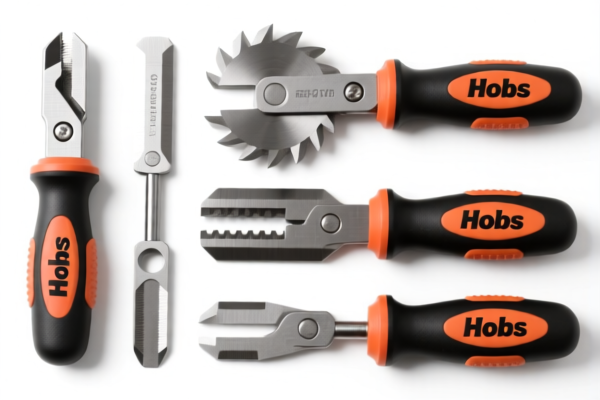
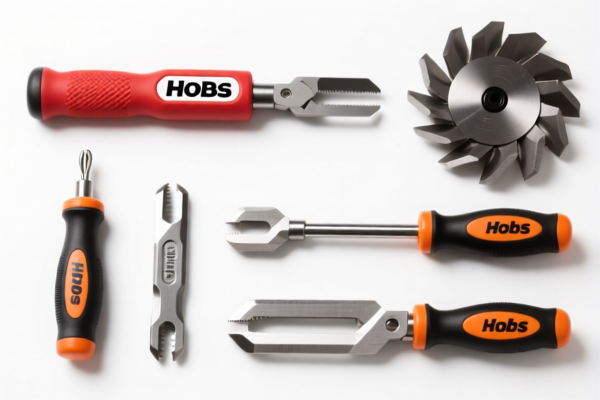
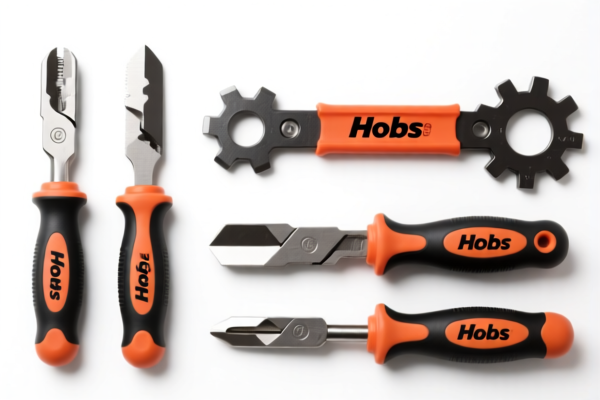
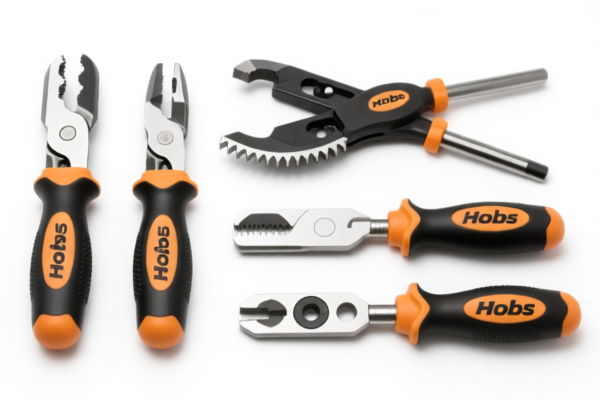
AI Analysis
🛠️ Interchangeable Hand Tool Inserts (Replacement Blades & Components)
🌐 HS Code Reference & Customs Clearance Guide | 2024/2025 Latest Tariff Analysis | Professional Clearance Strategy
📌 I. Product Definition & Classification: What Are "Interchangeable Inserts"?
"Interchangeable Hand Tool Inserts" is a broad category primarily covering replacement blades for razors/shavers and specialized tip components for power or hand tools. In international trade, precise classification depends heavily on the shape, function, and specific application of the insert. Misclassification is the most common cause of customs delays for this item.
⚠️ Key Distinction:
- Razor/Shaver Blades: Classified under Chapter 82 (Cutlery), specifically based on whether they are "safety razor blades," "single-edge," or part of a mechanical tool mechanism. - Mechanical Tool Tips: Classified as "parts of tools" (HS 8466) if they are general interchangeable parts for power tools, versus specific cutting inserts for metalworking.
📦 II. HS Code Classification Details (Based on Provided Data)
| HS Code | Product Description | Application Scenario | Tax Implication |
|---|---|---|---|
8466.10.01.30 |
Parts of Tools: Interchangeable attachments designed to be replaced | Mechanical tool parts, general interchangeable tool tips | High Tariff (39.6%) |
8211.94.10.00 |
Cutlery: Replacement blades for fixed-blade razors/shavers | Disposable or fixed-head razor refills | Variable (Specific duty + Ad Valorem + 35% total) |
8212.20.00.10 |
Safety Razor Blades: Safety razor replacement blades | Traditional safety razors, double-edge blades | Medium (17.5%) |
8212.20.00.05 |
Single-Edge Razor Blades: Single-blade razor replacements | Barber shop blades, straight razor refills | Medium (17.5%) |
8209.00.00.30 |
Cutlery: Tips/Parts of tools (razor blades used as tool components) | Razor blades used in a mechanical tool context | Very High (39.6%) |
🔍 Critical Note:
- HS Code8466.10.01.30and8209.00.00.30carry the highest burden due to being classified as "parts of tools" or general "cutlery tips" subject to maximum penalty rates. - HS Codes8212.20.xxxxare specifically for personal grooming (safety/edge razors) and enjoy lower base tariffs but still face heavy punitive taxes.
💰 III. Detailed Tariff Rate Breakdown (2024/2025)
✅ Applicable Country: United States (US)
✅ Origin: China (CN)
✅ Context: Includes Base Duty + Section 301 (25%) + Section 122 (10%)
🎯 1. 8466.10.01.30 — Parts of Tools for Machine Tools/Hand Tools
| Item | Detail |
|---|---|
| Base Duty | 3.9% |
| Section 301 (Addl.) | 25.0% |
| Section 122 | 10.0% |
| Total Effective Rate | 38.9% |
| Explanation | This code is often used for "interchangeable parts" of power tools or specialized hand tools. It is not a standard consumer razor blade. |
📌 Why this code?
The summary states "Replacement tool, purpose matches interchangeable feature." This implies the item is a functional component of a larger tool system, not a standalone consumer razor.
🎯 2. 8211.94.10.00 — Razor Blade Refills (Fixed Blade)
| Item | Detail |
|---|---|
| Base Duty | $0.16¢ each + 2.2% |
| Section 301 (Addl.) | 25.0% |
| Section 122 | 10.0% |
| Total Effective Rate | 25.0% + Specific Duty + Base (Total burden approx. 35%+ effective) |
| Explanation | Specifically for refills for razors with fixed blades. The "cents per unit" duty applies, which can be significant for high-volume shipments. |
📌 Why this code?
Summary: "Razor blade replacement, for blades with fixed edges." This is a specific consumer goods classification.
🎯 3. 8212.20.00.10 — Safety Razor Blades
| Item | Detail |
|---|---|
| Base Duty | 0.0% |
| Section 301 (Addl.) | 7.5% |
| Section 122 | 10.0% |
| Total Effective Rate | 17.5% |
| Explanation | Lower base rate because it is classified under "Safety Razor Blades" (Chapter 82, Heading 8212). |
📌 Why this code?
Summary: "Razor blade replacement, falls under safety razor blade category." This is a favorable classification for standard double-edge safety razors.
🎯 4. 8212.20.00.05 — Single-Edge Razor Blades
| Item | Detail |
|---|---|
| Base Duty | 0.0% |
| Section 301 (Addl.) | 7.5% |
| Section 122 | 10.0% |
| Total Effective Rate | 17.5% |
| Explanation | Same as safety blades but specifically for single-edge forms. |
📌 Why this code?
Summary: "Razor blade replacement, single-edge razor blade form." Common in professional barbering.
🎯 5. 8209.00.00.30 — Razor Blades as Tool Tips/Components
| Item | Detail |
|---|---|
| Base Duty | 4.6% |
| Section 301 (Addl.) | 25.0% |
| Section 122 | 10.0% |
| Total Effective Rate | 39.6% |
| Explanation | This is the highest tariff category. It treats razor blades as "tips or parts of tools" rather than consumer cutlery. |
📌 Why this code?
Summary: "Razor blade replacement, tip/part of a tool." This suggests the blade is integrated into a machine or industrial tool, not just a personal grooming item.
🛠️ IV. Customs Clearance Practical Advice
✅ 1. Documentation Checklist (Critical for Chapter 82/84)
| Document | Requirement | Notes |
|---|---|---|
| ✅ Product Specification Sheet | ✔️ | Must clearly state: Is it a consumer razor refill or a machine tool insert? |
| ✅ Material Composition | ✔️ | Stainless steel grade, coating, etc. |
| ✅ Usage Statement | ✔️ | "For use in [Model X] Safety Razor" vs. "For use in Industrial Cutting Machine." |
| ✅ Packing List | ✔️ | Quantity must match specific duty calculations (e.g., $0.16/unit). |
| ✅ Commercial Invoice | ✔️ | Clearly describe as "Replacement Blades for Safety Razors" or "Interchangeable Tool Inserts." |
✅ 2. Declaration Strategy (Key Keywords)
🔥 "Classify by Function, Not Just Form!"
| Scenario | Recommended Description | HS Code | Risk |
|---|---|---|---|
| Consumer Razor Refill | "Replacement Blades for Safety Razor, Stainless Steel, Double Edge" | 8212.20.00.10 / .05 |
Low (17.5%) |
| Disposable Razor Head | "Replacement Head for Disposable Razor" | 8211.94.10.00 |
Medium (Specific Duty) |
| Power Tool Bit/Insert | "Carbide Insert for Hand Drill" | 8466.10.01.30 |
High (39.6%) |
| Industrial Cutting Blade | "Razor-style Blade for Packaging Machine" | 8209.00.00.30 |
Very High (39.6%) |
✅ 3. Special Cases & Pitfalls
| Situation | Advice |
|---|---|
| Mix of Razor and Tool Parts | Do NOT mix in one shipment if possible. Different HS codes require different documentation. If mixed, declare separately to avoid confusion. |
| Branded vs. Generic | Branded items (Gillette, etc.) may face stricter scrutiny. Ensure compatibility claims are accurate. |
| Samples | Even samples are subject to duties. However, if value is very low, de minimis might apply, but razor blades often do NOT qualify for de minimis exemptions in all contexts due to their specific classification. |
| Origin Labeling | Must clearly mark "Made in China" if applicable, to trigger the correct Section 301/122 tariffs. |
🌍 V. Global Market Comparison (2024/2025)
| Country/Region | Recommended HS Code | Est. Total Duty (China Origin) | Key Certification |
|---|---|---|---|
| 🇺🇸 USA | 8212.20.00.10 |
17.5% | None specific, but FDA may apply if claiming health benefits |
| 🇪🇺 EU | 8212.20 |
~6-12% (varies) | CE (if electrical tool), RoHS |
| 🇨🇳 China | 8212.20 |
~10-12% | CCC (if power tool compatible) |
| 🇬🇧 UK | 8212.20 |
~6-12% | UKCA |
| 🇨🇦 Canada | 8212.20 |
~5-8% | Health Canada (if medical claim) |
📌 Note: The US tariffs are uniquely high due to Section 301 (25%) and Section 122 (10%). For EU/UK/Canada, the base tariff is lower, and no punitive "trade war" tariffs apply.
📌 VI. Common Mistakes & Pitfalls (Blood & Tears Lessons)
❌ Mistake 1: Calling "Industrial Cutting Blades" "Razor Blades" to avoid high tool tariffs
👉 Consequence: Customs will inspect and reclassify to 8209.00.00.30 → 39.6% duty + fines.
❌ Mistake 2: Ignoring the "cents per unit" duty in 8211.94.10.00
👉 Consequence: Underpayment on high-volume shipments. If you ship 100,000 units, $0.16 × 100,000 = $16,000 additional duty on top of ad valorem.
❌ Mistake 3: Using 8466.10.01.30 for consumer razor refills
👉 Consequence: Unjustified payment of 39.6% instead of 17.5%. Overpayment is hard to reclaim.
✅ Correct Practice:
Clearly distinguish between "Personal Care Refills" (Chapter 82.12) and "Machine Tool Parts" (Chapter 84.66). Use precise language in the invoice.
🎯 VII. Conclusion: Precise Classification Saves Money!
🎯 Key Takeaway:
🔹 Consumer Razors =
8212(17.5% Total)
🔹 Tool Parts/Machine Blades =8466or8209(39.6% Total)
🔹 Disposable Refills =8211(Specific Duty + 35%+)🔹 "HS Code Defines Your Cost, Not Your Description."
🔹 "Double-check the 'Purpose': Is it for Shaving or for Cutting Metal?"
📌 Pro Tip:
If you are importing large volumes of razor blades, consider bonded warehouses or FTZ (Foreign Trade Zone) entry to defer duties. Also, explore Section 301 Exclusions if available (though rare for consumer goods now).
📣 Immediate Action:
📞 Contact Your Customs Broker with a clear product photo and usage description.
🚀 Get an Advance Ruling if unsure, to lock in the 17.5% rate for8212codes.
✨ Accurate Classification Starts with Precision!
💼 Don't let a 20% tariff difference wipe out your profit margin!
Customer Reviews
About HS Code Classification
The Harmonized System (HS) is an internationally standardized nomenclature developed by the World Customs Organization (WCO) to classify traded products. Over 200 countries use the HS system as the basis for customs tariffs, trade statistics, and import/export regulations.
Each HS code follows a hierarchical structure:
- Chapter (2 digits) — Broad category of goods (e.g., Chapter 84: Machinery and Mechanical Appliances)
- Heading (4 digits) — More specific grouping within the chapter
- Subheading (6 digits) — Internationally standardized breakdown, used by all WCO member countries
- National subdivisions (8-10 digits) — Country-specific extensions for further classification, such as US HTSUS 10-digit codes
Correct HS code classification is essential for smooth customs clearance, accurate duty payment, and compliance with trade regulations. Misclassification can lead to customs delays, overpayment of duties, or penalties.
When importing from CN to US, the applicable tariff rates may include:
- Most-Favored-Nation (MFN) rate — The standard duty rate applied to WTO members
- General rate — Applied to countries without trade agreements
- Trade remedy duties — Additional tariffs such as Section 301 (anti-dumping), Section 232 (national security), or countervailing duties
The information provided on this page is for reference purposes only. For official classification, please consult with your local customs authority or a licensed customs broker.